Best Large Indoor Plants for Low Light: Top Picks & Care Guide
Houseplant care
What You’ll Find Inside
- Why Bother with Big Plants in Dim Spots?
- How to Pick Your Low-Light Giant: Look Beyond the Label
- The Champions: My Top Picks for Large Low-Light Indoor Plants
- The Not-So-Secret Care Guide for Low Light Conditions
- What About Pests and Problems?
- Answers to Your Real Questions (FAQ)
- Final Thoughts: Embrace the Slow Green Life
Let's be real. We've all seen those stunning Instagram corners flooded with sunlight, housing a monstera the size of a small car. But my living room? It faces north, shares a wall with another building, and gets about as much direct sun as a cave. For years, I killed plant after plant, convinced I had a black thumb. Turns out, I was just picking the wrong green friends. I was trying to force sun-worshippers to live in the shadows.
That's when I dove into the world of large indoor plants for low light. And let me tell you, it was a game-changer. The right plant in the right spot doesn't just survive—it can absolutely thrive. This guide is everything I wish I'd known when I started. No fluff, just the hard-won lessons on which big, beautiful plants will actually work in your dim apartment, office lobby, or that awkward corner far from any window.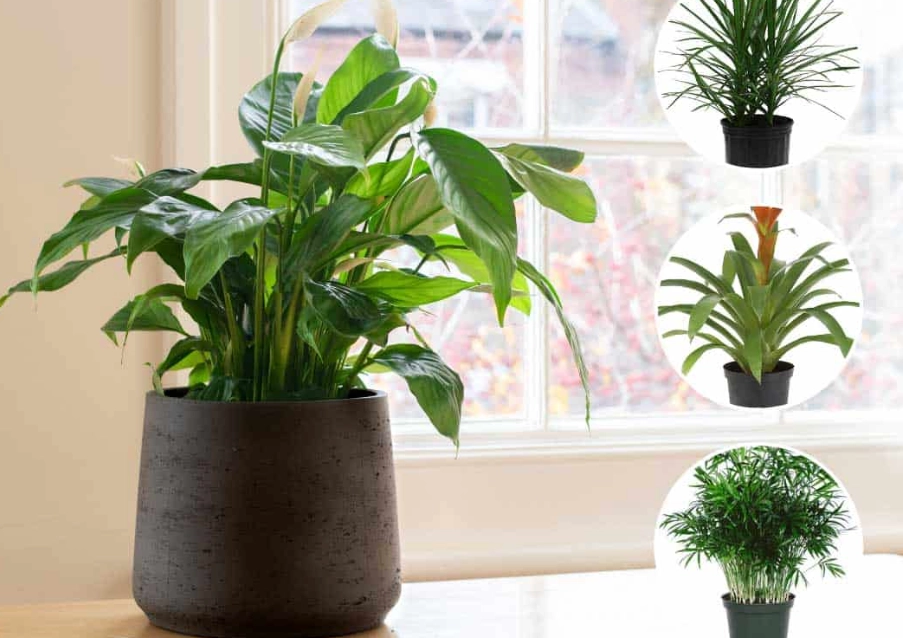
A Quick Reality Check: "Low light" doesn't mean "no light." It means no direct sunbeams hitting the leaves. It's a north-facing window, a spot several feet back from an east/west window, or a room with bright ambient light. If you can comfortably read a book without turning on a lamp during the day, many of these plants will be perfectly happy.
Why Bother with Big Plants in Dim Spots?
You might wonder if it's even worth it. A small succulent on a windowsill is one thing, but a large floor plant for low light is a commitment. Here's why I think it's the best commitment you'll make:
First, impact. One big plant does the work of ten small ones. It instantly fills vertical space, adds architecture, and creates a focal point. In a dim room, that lush greenery counteracts the gloom and makes the space feel alive and designed, not just neglected.
Second, and this is the nerdy part I love, many of these low-light tolerant large plants are champion air purifiers. That NASA Clean Air Study everyone references? It highlighted plants like the peace lily and snake plant for removing common household toxins. While one plant won't replace an air filter, a large one contributes more leaf surface area to the cause.
Finally, there's the sheer joy. Coming home to a living, growing thing that's doing well because you put it in the right spot? It's a quiet, daily win.
How to Pick Your Low-Light Giant: Look Beyond the Label
Nursery tags are infamously optimistic. "Low light!" they scream, often meaning "will die slightly slower in the dark." Here's what to actually look for when choosing your large indoor plant for a low-light area.
Leaf color is your first clue. Deep, dark green leaves are a plant's adaptation to capture more light. Think about the ZZ plant or a cast iron plant—their leaves are almost a forest green. They have more chlorophyll to make the most of photons. Variegated plants (those with white or yellow streaks) need more light to support those less-efficient sections. In true low light, they'll often revert to solid green or grow very slowly.
Growth habit matters. Plants that naturally grow on the forest floor, under the canopy of taller trees, are evolutionarily primed for lower light. The fiddle leaf fig, a rainforest *emergent* tree that grows above the canopy? Total sun hog. The bird of paradise? Same. But the humble pothos is a forest floor creeper. Bingo.
My Biggest Mistake: Overwatering. In low light, plants use water much, much slower. The soil stays wet for ages. Root rot is the #1 killer of indoor plants in low light conditions. Your watering schedule in winter might be once a month. Seriously. When in doubt, stick your finger in the soil. If it's damp, walk away.
The Champions: My Top Picks for Large Low-Light Indoor Plants
Okay, let's get to the good stuff. These aren't just plants that "tolerate" low light. These are the ones I've seen, and own, that genuinely seem unbothered by it. I've ranked them on a mix of hardiness, aesthetics, and availability.
The Unkillable Tier (Seriously, Try)
These are for the true beginners, the forgetful waterers, the hopeless cases. If you kill one of these, you might have a poltergeist.
- Snake Plant (Sansevieria/Dracaena trifasciata): The undisputed heavyweight champ. It comes in tall, architectural varieties like 'Laurentii' or 'Moonshine' that can reach over 4 feet. It literally thrives on neglect. Water it every 4-6 weeks in low light. It also converts CO2 to oxygen at night, making it a great bedroom plant. Downside? The tips can brown if you *overwater* (see a theme?).
- ZZ Plant (Zamioculcas zamiifolia): Its glossy, dark green leaflets look almost fake. It stores water in its potato-like rhizomes, so it can go months without a drink. It grows slowly but steadily in low light. The 'Raven' variety has stunning near-black leaves. A fantastic, modern-looking choice.
- Cast Iron Plant (Aspidistra elatior): The name says it all. Victorian-era houses with terrible lighting loved this plant. It has broad, lance-shaped leaves that just... persist. It's not a fast grower, but it's incredibly dignified and nearly pest-proof.
The Lush & Leafy Tier (Moderate Care)
These plants offer more visual volume and a tropical feel but ask for a bit more attention, mostly to watering.
- Peace Lily (Spathiphyllum): Don't let the elegant white "flowers" (spathes) fool you—this is a tough plant. It gets dramatic when thirsty (drooping spectacularly), which is great for beginners. It bounces back with a drink. Excellent for low light rooms, and varieties like 'Sensation' can get huge, with leaves over a foot long.
- Monstera (Swiss Cheese Plant): Wait, isn't this a bright-light plant? The common Monstera deliciosa is surprisingly adaptable to medium-to-low light. You won't get those huge, fenestrated leaves or rapid growth, but you'll get a healthy, full plant. The splits might be smaller, but the vibe is 100% there. A great option if your light is "bright" but indirect.
- Dragon Tree (Dracaena marginata): This one gives you height with a tree-like form. Its slender, red-edged leaves sprout from a cane. It's very forgiving of low light and irregular watering. Just watch out for fluoride in tap water, which can cause leaf tip burn—using filtered or distilled water can help.
| Plant Name | Light Needs | Watering (Low Light) | Growth Speed | Pet Safe? | Why It's Great for Low Light |
|---|---|---|---|---|---|
| Snake Plant | Very Low to Bright | Sparse (Let dry completely) | Slow | No | Thrives on neglect, architectural shape. |
| ZZ Plant | Low to Bright Indirect | Infrequent (Every 3-4 weeks) | Slow to Moderate | No | Glossy leaves, stores water in rhizomes. |
| Peace Lily | Low to Medium | Regular (Keep slightly moist) | Moderate | No | Dramatic thirst indicator, blooms in low light. |
| Monstera | Medium to Bright Indirect | Moderate (Let top inch dry) | Moderate in good light | No | Adaptable, iconic tropical look. |
| Parlor Palm | Low to Medium | Regular (Don't let dry out) | Slow | Yes | Classic, soft texture, pet-friendly. |
The Not-So-Secret Care Guide for Low Light Conditions
Putting a large plant in a low light spot changes the rules. Here's how to adjust your care routine.
Watering: The Golden Rule
Forget the calendar. The single most important skill is learning to check soil moisture. Get in the habit of sticking your index finger into the soil up to the second knuckle. For most of these plants in low light, you should water only when that entire finger-length of soil feels dry. For succulents like Snake Plants, wait until the pot feels light.
I use a moisture meter sometimes, especially for deep pots. It takes the guesswork out. Overwatering doesn't mean giving too much water at once—it means giving water too often, before the roots have used up the previous drink.
Feeding: Less is More
Since growth is slower in low light, fertilizer needs plummet. I feed my low-light indoor plants at half the recommended strength, and only during the active growing season (spring and summer). Maybe 2-3 times total. In fall and winter, I stop completely. Fertilizing a dormant plant in a dark room is like force-feeding someone who's sleeping—it just leads to salt buildup in the soil, which can burn roots.
Cleaning & Rotation
Every photon counts. Dust on leaves blocks precious light. I wipe down the broad leaves of my peace lily and monstera with a damp cloth every month or so. For smaller leaves, a gentle shower in the tub works.
Rotate your plant a quarter turn every time you water. This prevents it from leaning dramatically towards whatever faint light source it can find, keeping it symmetrical.
Pro Hack for Truly Dark Corners: If you absolutely must have a plant in a spot with almost zero natural light, consider using a grow light. You can find sleek, LED bulb styles that screw into a regular lamp. Even a few hours a day can make a world of difference for a struggling large indoor plant in low light. It's a bit of a cheat, but it works.
What About Pests and Problems?
Weirdly, pests can be less of an issue in low light because the plants grow slower and are less succulent (less tasty sap). But overwatering makes plants weak and susceptible.
Fungus gnats are the classic sign of soil that's too wet for too long. Let the soil dry out more between waterings, and use yellow sticky traps. Scale or mealybugs can appear—isolate the plant and dab them with a cotton swab dipped in rubbing alcohol.
The most common "problem" is simply... no growth. And that's okay! In low light, your plant is in maintenance mode. It's holding its beautiful form, not racing to the ceiling. Appreciate it for what it is—a stable, living sculpture.
Answers to Your Real Questions (FAQ)

Final Thoughts: Embrace the Slow Green Life
Choosing a large indoor plant for a low-light space is an exercise in realistic expectations. You're not going to get jungle-level growth. What you will get is resilience, beauty, and the satisfaction of keeping something alive in a challenging spot.
Start with one of the "Unkillable Tier" plants. Get used to its watering rhythm. Watch it do nothing for months, and then maybe put out one perfect new leaf. That leaf is a triumph.
My north-facing room is now home to a towering snake plant and a full, glossy ZZ. They haven't grown much in a year. But they're green, they're clean, and they make my dim apartment feel like a home. And really, that's the whole point.
Good luck, and don't overwater!