The Complete ZZ Plant Care Guide: Easy Tips for a Thriving Plant
Houseplant care
Let's talk about the ZZ plant. You've probably seen it everywhere – in trendy cafes, dentist offices, and all over your Instagram feed. It's that plant with the shiny, dark green leaves that looks almost too perfect to be real. And the best part? Everyone says it's impossible to kill. But is that really true? I've had my share of ZZ plant dramas (yes, even with the "unkillable" one), and I'm here to give you the straight talk, beyond the hype.
Good ZZ plant care isn't about following a rigid schedule. It's about understanding what this plant actually is. It's not a thirsty fern or a sun-loving succulent. It's a unique, tough-as-nails survivor from eastern Africa, and treating it right means working with its nature, not against it. So, whether you just brought one home or you're trying to figure out why yours is looking a bit sad, this guide will walk you through everything, step by step, no fluff.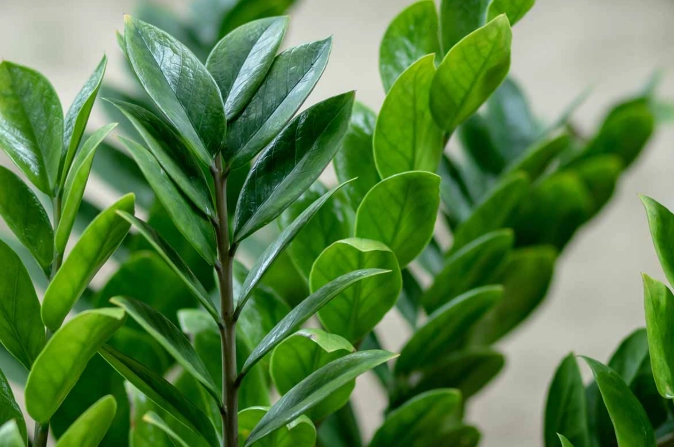
Getting to Know Your ZZ Plant: What Makes It Tick
Before we dive into the how-to, let's understand the why. The ZZ plant, or Zamioculcas zamiifolia if you want to be formal, is a tropical perennial. Its secret weapon is underground: thick, potato-like structures called rhizomes. Think of these as its personal water storage tanks and pantries. This adaptation is why it's so drought-tolerant. When you forget to water (and you will), the plant dips into its savings account. This is the core of all ZZ plant care advice – it's built for periods of dryness.
The leaves are waxy and thick, another clue that it's designed to hold onto moisture. Honestly, it's a plant that teaches you to chill out. Over-loving it (usually with too much water) is the fastest way to cause problems.
The Golden Rules of ZZ Plant Care (The Non-Negotiables)
If you remember nothing else from this guide, lock these three things in your brain. Get these right, and 95% of your zamioculcas zamiifolia care worries disappear.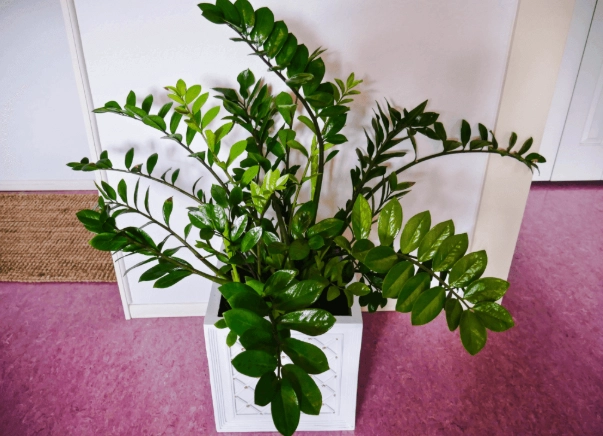
Light: It's More Flexible Than You Think
Here's the biggest misconception: ZZ plants only like dark corners. Not quite. They tolerate low light incredibly well, which is their superpower. But if you want growth – and I mean, actual new stems unfurling from the soil – they prefer bright, indirect light.
- Sweet Spot: A spot near a north or east-facing window is perfect. A few feet back from a south or west window (filtered by a sheer curtain) is also excellent.
- Low Light Champ: Yes, it will sit happily in that dim corner for months, even years. But growth will be extremely slow, almost stagnant. It's surviving, not thriving.
- What to Avoid: Direct, harsh afternoon sun. Those beautiful leaves can scorch, leaving ugly brown or yellow patches. I learned this the hard way after a summer move.
So, for basic ZZ plant care, low light is fine. For a plant that grows and wows you, give it some gentle brightness.
Watering: The #1 Killer (And How to Avoid It)
This is it. The make-or-break of ZZ plant care. Overwatering leads to rotten rhizomes, and that's a death sentence. The plant literally rots from the inside out.
Forget watering on a schedule ("every Sunday!"). Your house's humidity, temperature, pot size, and light all change how fast the soil dries. Here's the only method you need:
- Check the soil: Stick your finger about 2 inches into the potting mix. Is it bone dry?
- Wait a bit more: Seriously. Once it's dry, wait another week. The plant is fine.
- Soak it thoroughly: When you do water, take it to the sink or use a watering can to drench the entire soil mass until water runs freely out the drainage holes. This encourages roots to grow deep.
- Let it drain completely: Never let it sit in a saucer of water. Empty the saucer after 15 minutes.
In most indoor settings, this might mean watering every 3-4 weeks in summer and maybe only once every 6-8 weeks in winter. When in doubt, wait it out.
Soil and Potting: Giving the Roots Room to Breathe
Those rhizomes hate being soggy. They need air. A dense, moisture-retentive potting mix is a recipe for disaster.
- Ideal Mix: Use a well-draining, chunky potting mix. A standard cactus/succulent blend works great. You can also make your own by mixing two parts regular potting soil with one part perlite or coarse sand.
- Pot Choice: A pot with drainage holes is non-optional. Terracotta pots are fantastic because they're porous and help wick away extra moisture.
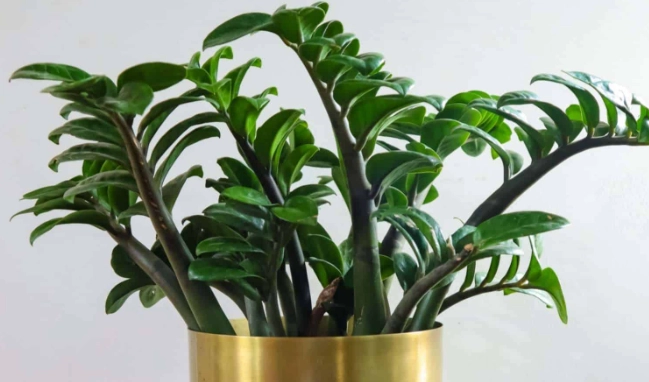
- Repotting: ZZ plants like to be slightly root-bound. Don't rush to repot. Do it every 2-3 years, or when you see roots circling the bottom or popping out of the drainage holes. Only go up one pot size (1-2 inches larger in diameter).
Beyond the Basics: The Fine-Tuning Guide
Got the big three down? Let's fine-tune your ZZ plant care routine for optimal health.
Temperature & Humidity: Easy Street
ZZ plants are not divas here. Average household conditions are perfect.
- Temperature: They enjoy the same range you do, between 65°F and 85°F (18°C - 29°C). Avoid drafts from heaters, air conditioners, or cold windows in winter.
- Humidity: They do not need high humidity. Average home humidity (around 40-50%) is absolutely fine. No need for misting – in fact, misting can sometimes promote fungal issues on the leaves.
Feeding: A Light Snack, Not a Feast
During its active growing period (spring and summer), you can feed your ZZ plant to support new growth. Use a balanced, water-soluble houseplant fertilizer (like a 10-10-10 or 20-20-20).
Cleaning and Pruning: Keeping It Pretty
Dust collects on those shiny leaves, blocking light. Wipe them down gently with a damp cloth every month or so. It makes a huge difference in how the plant photosynthesizes and how it looks.
Pruning is simple. If a stem turns yellow or brown, or if you have a leggy stem you don't like, cut it off at the soil line using clean, sharp scissors or pruners. You can't really prune a ZZ to make it bushier from the top; new growth always comes from the soil.
Uh Oh, What's Wrong? ZZ Plant Troubleshooting
Even with the best ZZ plant care, things can go sideways. Here’s how to decode the problems.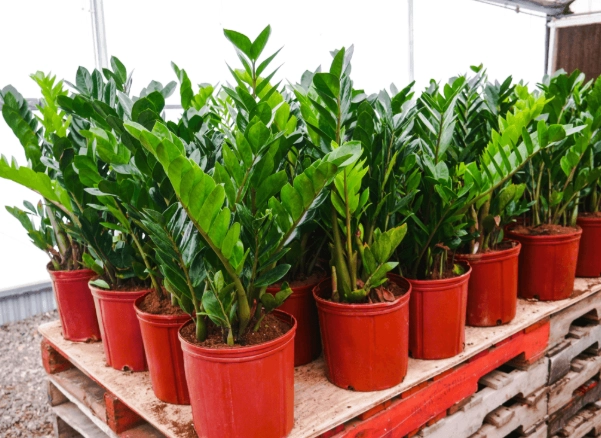
| Symptom | Likely Cause | How to Fix It |
|---|---|---|
| Yellow leaves, especially lower ones | Overwatering (most common) | Stop watering immediately. Check the roots/rhizomes. If mushy and brown, cut away rot, repot in dry soil, and hope some healthy rhizome remains. |
| Brown, crispy leaf tips | Underwatering (less common) or very low humidity | Check your watering frequency. Ensure you're soaking thoroughly when you do water. |
| Leaves curling or wrinkling | Severe underwatering or root damage from prior overwatering | Assess your watering history. If soil is a desert, give it a good soak. If roots are gone, propagate from healthy stems. |
| Leggy growth with large gaps between leaves | Insufficient light | Move the plant to a brighter location (indirect light). |
| No new growth at all | Dormancy (winter), insufficient light, or need for fertilizer | Be patient in winter. In growing season, assess light and consider a half-strength feed. |
Pests and Diseases: Rare, But Possible
ZZ plants are remarkably pest-resistant, but they can occasionally get mealybugs (little white cottony bugs) or scale (brown bumps on stems). Isolate the plant. Wipe pests off with a cotton swab dipped in rubbing alcohol. For larger infestations, use insecticidal soap or neem oil.
The main disease is root rot, caused by overwatering. Prevention (proper watering and soil) is the only real cure.
Making More ZZ Plants: Propagation Made Simple
Want to share the love? Propagating a ZZ plant is rewarding, but it requires patience. The two main methods are leaf cuttings and division.
Division (Fastest): When you repot, you might see natural separations in the rhizome cluster. Gently pull or cut sections apart, ensuring each division has at least one stem and some healthy roots/rhizomes attached. Pot each division separately. This is the surest and quickest method.
Leaf Cuttings (Slow but Fun): This method is fascinating but tests your patience. Snip off a healthy leaf, including a bit of the stem (petiole). Let the cut end callous over for a few hours. Then, stick it about an inch deep into a pot of moist cactus mix. Water very sparingly, just keeping the soil barely moist. In a few months, a tiny rhizome and roots will form. A new shoot may take 9-12 months to appear. It's a long game.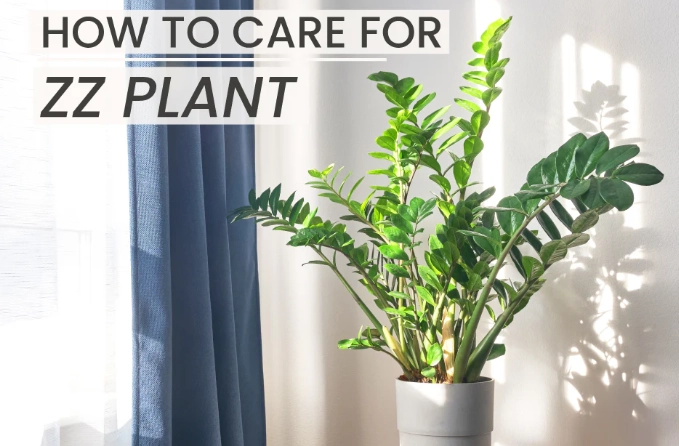
Your ZZ Plant Care Questions, Answered
Let's tackle some of the specific things people search for when they're worried about their plant.
Q: Why are the stems on my ZZ plant leaning or falling over?
A: This is usually a light issue. The stems are stretching towards the light source, becoming weak and leggy. Rotate the pot regularly for even growth, and consider moving it to a slightly brighter spot. Very heavy, mature stems can also lean simply due to their weight.
Q: Can I put my ZZ plant outside?
A: In the summer, you can, but be very careful. Place it in a shaded, sheltered spot (think under a tree or a covered patio). Never in direct sun. Bring it back inside well before nighttime temperatures drop below 60°F. Honestly, it's happier indoors where conditions are stable.
Q: Is the ZZ plant really an air-purifying plant?
A: This is a popular claim stemming from the famous NASA Clean Air Study. While the ZZ plant was not in that specific study, it is a green, leafy plant, and all such plants contribute to improving indoor air quality to some degree by absorbing carbon dioxide and releasing oxygen. However, don't rely on a single plant to purify your home's air. Its primary benefit is its beauty and resilience. For a deeper dive into the science of plants and indoor air, the U.S. Environmental Protection Agency provides context on the broader factors at play.
Q: What's the deal with the rare 'Raven' ZZ plant?
A: The 'Raven' is a stunning cultivar where new leaves emerge a bright lime green and then slowly mature to a deep, almost blackish-purple. The care is identical to the classic green ZZ plant. Just make sure it gets enough indirect light to really bring out that dramatic color contrast.
The Long Game: Your ZZ Plant Care Mindset
After years of keeping these plants, the best advice I can give is to adopt a laid-back approach. Your ZZ plant care routine should be simple. Check the soil, give it light, forget about it for weeks. They are the perfect plant for busy people, frequent travelers, or anyone who tends to love their plants a little too much with the watering can.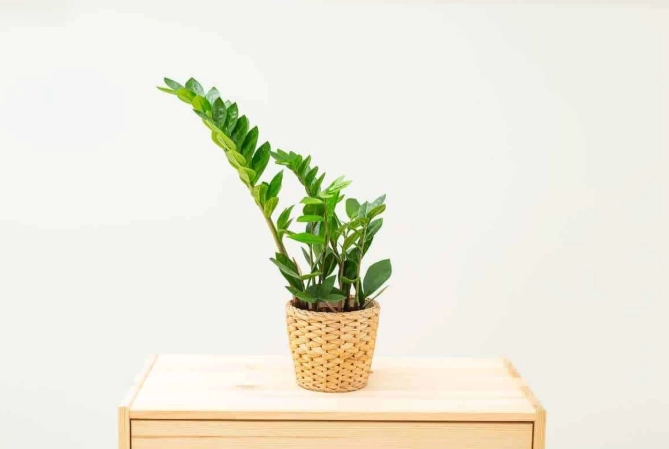
They teach you to be a more observant plant parent. Instead of acting on a schedule, you learn to look for cues. A little dust on the leaves? Time to wipe them. Soil bone dry for two weeks? Maybe check again next week. See a new, pointed shoot emerging from the soil? That's your reward for getting it right – the ultimate sign of successful zz plant care.
So, don't stress. You've got this. With the insights in this guide, you're equipped not just to keep your ZZ plant alive, but to help it flourish into a stunning, architectural piece in your home for many years to come. Now go give that tough, beautiful plant of yours a little nod of appreciation. It's earned it.