Snake Plant Soil Mix: The Ultimate Guide to Get It Right
Houseplant care
Let's cut to the chase. Your snake plant is dying, or at least looking miserable, and you've tried everything—less water, more light, talking to it nicely. Nothing works. I've been there. After killing my first few sansevierias with kindness (and terrible soil), I figured it out. The secret isn't just watering less; it's giving the roots an environment where they can handle your occasional overwatering enthusiasm. That environment is the soil.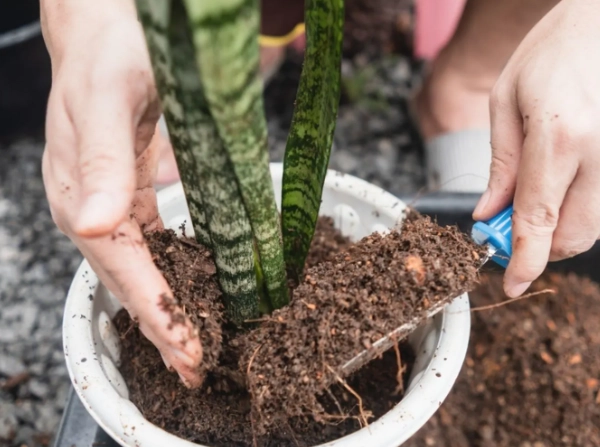
Most guides get this wrong. They tell you snake plants are indestructible, then recommend generic potting mix. That's like saying a camel is hardy, so it should be fine living in a swamp. Snake plants hail from arid West Africa. Their roots are built for quick sips of water followed by long, dry, aerated periods. Dense, moisture-hogging soil is their silent killer.
What's Inside: Your Quick Soil Guide
Why Your All-Purpose Potting Soil is a Death Sentence
I hate to be dramatic, but it's true. Bagged miracle-gro or other standard mixes are designed to retain water for thirsty plants like ferns and annuals. For a snake plant, it's like wearing a wet wool sweater—uncomfortable and eventually suffocating.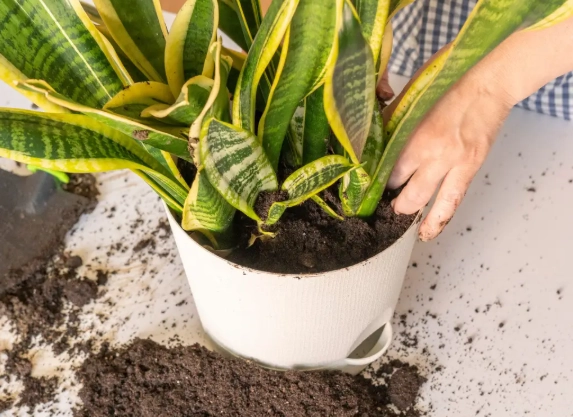
The core issue is oxygen. Healthy roots need air. In soggy soil, air pockets are flooded, roots suffocate, and opportunistic root rot fungi move in. By the time you see yellow, mushy leaves, the roots are often a lost cause. A study from the University of Florida's IFAS Extension on foliage plants repeatedly highlights excess soil moisture as the primary cause of root disease.
Your snake plant's thick, rhizomatous roots are storage organs. They want to grab water fast, then have the excess drain away immediately. The soil's job is to provide anchorage and facilitate that flash flood/drought cycle, not to stay damp.
Expert Slip-Up: Even experienced gardeners often use "cactus mix" and think they're safe. Problem is, many commercial cactus soils are still too peaty and dense. They're better than regular mix, but not perfect. You usually need to amend them.
The 3-Ingredient DIY Soil Recipe That Never Fails
Mixing your own is cheaper, easier, and guarantees results. You need just three things, measured by volume (use a cup or scoop).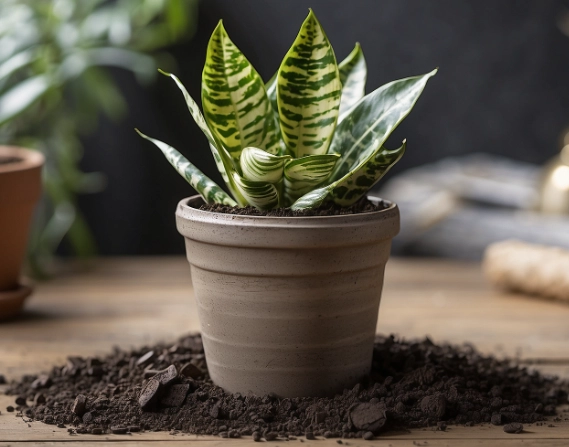
The Golden Ratio: 2:1:1
- 2 parts Potting Soil (The Base): Don't overthink this. Any decent, sterile potting soil works. Its job is to provide minimal nutrients and organic matter. I often use a basic, inexpensive one without added fertilizers or moisture crystals.
- 1 part Perlite or Pumice (The Aerator): This is non-negotiable. These white, rocky particles create permanent air pockets. Perlite is cheaper and widely available. Pumice is heavier (so it doesn't float to the top) and provides better aeration long-term. I prefer pumice, but perlite works great.
- 1 part Coarse Sand or Horticultural Grit (The Drainer): Not play sand or beach sand—it's too fine and will cement your soil. You want coarse, sharp, or builder's sand. Its sharp edges prevent compaction, allowing water to whoosh through. Horticultural grit (like chicken grit) is fantastic.
Mix it in a bucket until it looks uniform. Do a test: grab a handful, squeeze it. It should hold a loose shape for a second, then crumble apart easily. If it forms a dense ball, add more perlite and sand.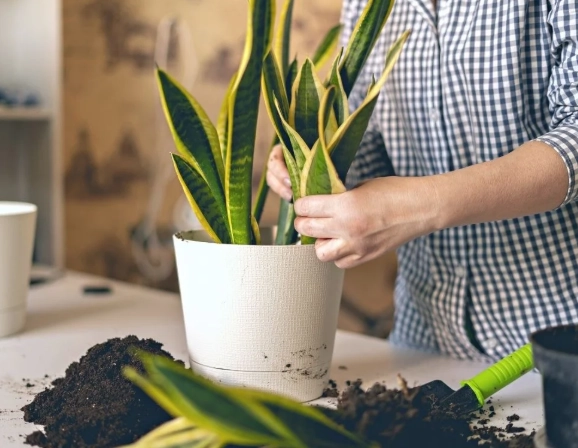
Where to Find These Ingredients
You won't find the perfect mix pre-made. Here's where I shop:
- Big-Box Stores (Home Depot, Lowe's): Potting soil, perlite, and sometimes coarse sand are in the garden center.
- Local Nursery/Garden Center: Your best bet for pumice and horticultural grit. The staff usually know their stuff.
- Online (Amazon, Specialty Sites): For bulk pumice or specific brands like Bonsai Jack's gritty mix (which is an excellent, albeit pricier, ready-to-use option).
How to Repot Your Snake Plant: A Stress-Free Guide
Repotting isn't an annual event. Do it every 2-3 years, or when roots crowd the drainage holes. Spring or early summer is best. Here's my no-fuss method.
1. The Setup. Gather your new soil mix, a pot only 1-2 inches wider than the old one (terra cotta is ideal for breathability), and some newspaper. Water your plant a few days before repotting—hydrated roots are more flexible.
2. The Extraction. Tip the pot sideways, support the plant at its base, and gently pull. If it's stuck, squeeze flexible plastic pots or run a knife around the edge. Don't yank by the leaves.
3. The Root Inspection. This is crucial. Shake off old soil. Look for roots: healthy ones are firm and orange-ish. Rotten roots are brown/black, mushy, and smell bad. Use clean scissors to cut all rotten parts away. Don't be shy.
4. The New Home. Place a piece of broken pot or a coffee filter over the drainage hole. Add a layer of fresh soil. Position your plant so the base sits just below the pot's rim. Fill in around the roots with soil, tapping the pot to settle it. Don't pack it down hard.
5. The Aftercare. DO NOT WATER IMMEDIATELY. This is the trick. Wait 5-7 days. This gives any damaged roots time to callus over, preventing rot. Then, give it a thorough soak until water runs out the bottom. Place in bright, indirect light and resume your normal (infrequent) watering routine.
Hacking Store-Bought Soil to Make It Work
Don't want to mix? You can hack a bagged soil. Here’s how to upgrade common options.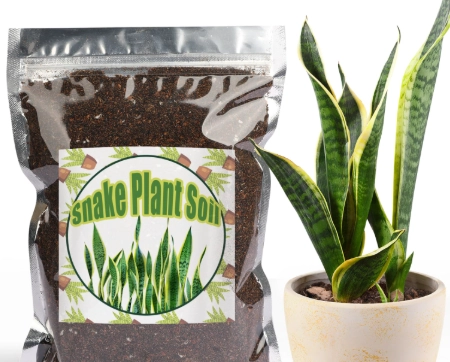
| Store-Bought Soil | The Problem | Quick Fix Hack |
|---|---|---|
| All-Purpose Potting Mix | Way too dense and moisture-retentive. | Mix 2 parts soil with 1 part perlite AND 1 part coarse sand. This essentially creates the DIY mix. |
| Cactus & Succulent Mix | Can still be too organic and hold moisture. | Add extra perlite or pumice. Mix 2 parts cactus mix with 1 part perlite. Test drainage. |
| Orchid Bark Mix (Fir Bark) | Too chunky, lacks fine particles for root contact. | Use as an aerator, not the base. Mix 1 part potting soil, 1 part orchid bark, 1 part perlite. |
Troubleshooting: Mold, Bugs, and Soggy Soil
Even with good soil, problems happen. Here's the fix.
White Mold/Fungus on Soil: Harmless to the plant but a warning sign. It means the surface is constantly damp and lacks air flow. Scrape it off, let the soil dry deeply, and increase ventilation. Consider a top dressing of small pebbles to cover the soil.
Fungus Gnats: Those tiny black flies love moist organic matter. They're a symptom of overwatering. Let the soil dry out completely between waterings. Use yellow sticky traps. For severe cases, a hydrogen peroxide drench (1 part 3% H2O2 to 4 parts water) can help kill larvae.
Soil Staying Soggy for Weeks: This is an emergency. First, check for drainage holes—if none, repot immediately. If holes exist, your soil has failed and compacted. The plant needs a full repot with fresh, gritty mix. Check the roots for rot.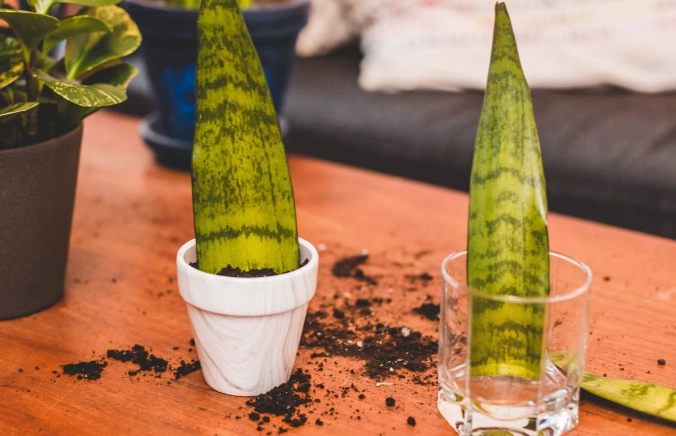
Your Burning Snake Plant Soil Questions, Answered
Can I use cactus soil for my snake plant?
How often should I change my snake plant's soil?
My snake plant soil is growing mold. What should I do?
What's the biggest mistake people make with snake plant soil?
Getting the soil right is the most impactful thing you can do for your snake plant. It transforms it from a struggling survivor into the thriving, architectural statement piece it's meant to be. Stop fighting against its nature. Give it the gritty, airy, fast-draining home its roots crave, and you'll barely have to think about it again. That's the real secret to the "indestructible" snake plant.