How to Plant Succulents: A Foolproof Step-by-Step Guide for Beginners
Popular plants
Quick Guide
- Before You Even Touch the Dirt: The Succulent Mindset
- Gathering Your Arsenal: What You Actually Need
- The Step-by-Step: How Do You Plant Succulents, Exactly?
- Choosing the Right Plants and Soil: A Quick Reference
- Aftercare: The Real Secret to Success
- Fixing Common Problems (Because They Will Happen)
- Leveling Up: Propagation and Creative Planting
- Wrapping It Up: Your Succulent Success Checklist
Let's be honest. You've probably seen those picture-perfect succulent arrangements on Instagram and thought, "How hard can it be?" You bring home a cute little plant, stick it in some dirt from the backyard, give it a little water... and a month later you're left with a mushy, sad-looking stump. I've been there. More times than I'd like to admit.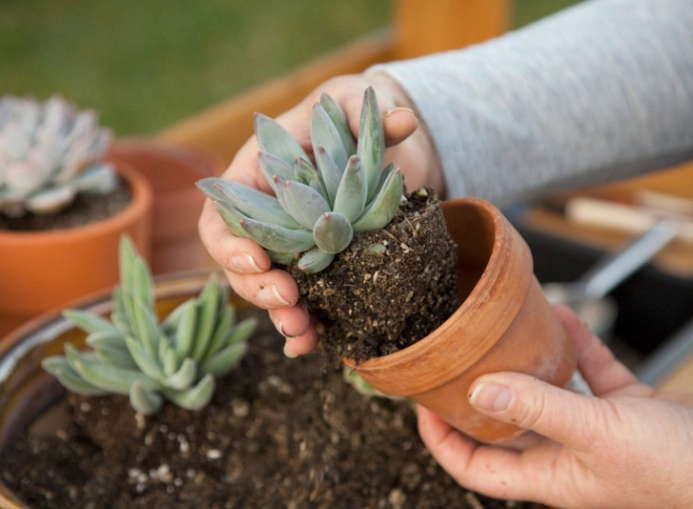
The truth is, learning how do you plant succulents the right way is the difference between a thriving, propagating colony on your windowsill and a slow, soggy funeral in a ceramic pot. It's not rocket science, but it does require unlearning some of our usual "plant care" instincts. Succulents play by their own rules.
This guide isn't just another list of instructions. We're going to dig into the why behind each step, cover the mistakes almost everyone makes (so you can avoid them), and give you a system that works. Whether you're repotting a single Echeveria or creating a sprawling dish garden, the core principles are the same.
Before You Even Touch the Dirt: The Succulent Mindset
Succulents are survivors. They hail from arid, sunny places where resources are scarce. Their plump leaves are water storage tanks. This biology is the key to everything. When you ask how do you plant succulents, you're really asking how to recreate a tiny slice of desert or rocky outcrop in your home. It's about mimicking drought, followed by a thorough drink, and lots of light.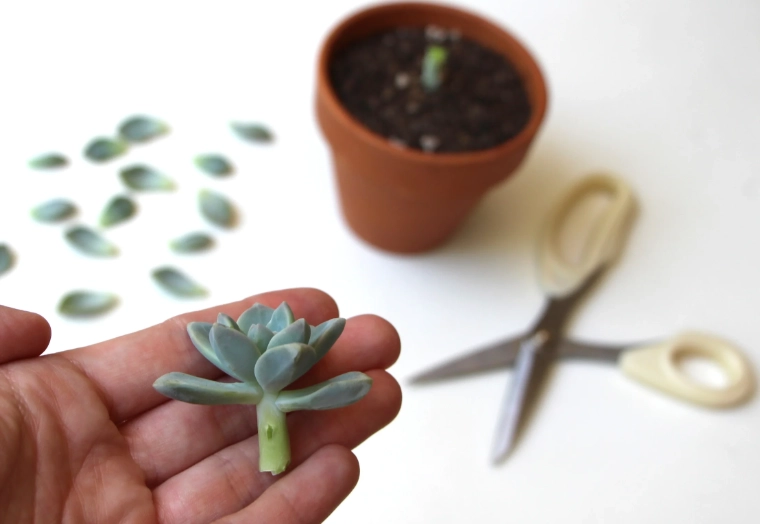
The biggest shift? Thinking about water as a rare event, not a daily routine. And thinking about soil as a quick-draining scaffold, not a nutrient-rich sponge.
Gathering Your Arsenal: What You Actually Need
You don't need fancy tools. But using the right materials from the start saves endless headaches later. Here’s the non-negotiable kit:
The Container: It's All About the Holes
Drainage. Drainage. Drainage. I can't say it enough. The pot must have a hole in the bottom. Those cute little glass jars or solid ceramic cups? They're death traps. No matter how careful you are with watering, moisture will eventually pool at the bottom and rot the roots.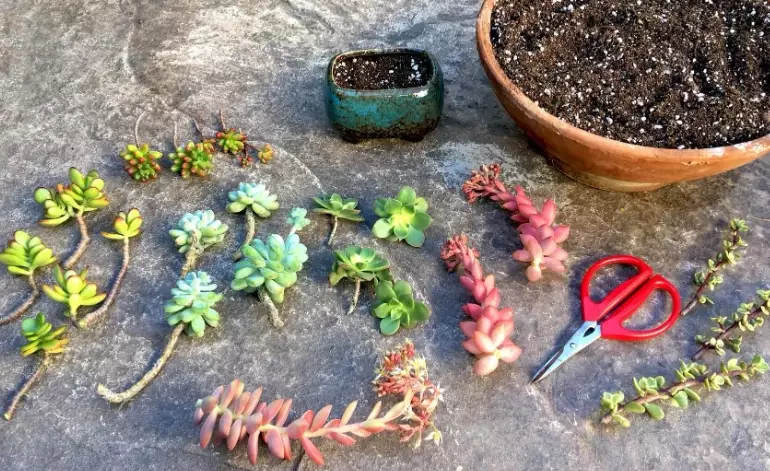
Terracotta pots are the classic choice for a reason. They're porous, which allows the soil to dry out from the sides as well as the top. Ceramic and concrete pots are fine too, as long as they have a hole. Even plastic works, but you'll need to be extra cautious with watering.
The Soil: This is Where Most People Go Wrong
Regular potting soil is a succulent's worst enemy. It's designed to retain moisture, which is the opposite of what these plants want. You need a gritty, airy mix that lets water run through it in seconds.
You have two good options:
- Buy a pre-made cactus & succulent mix. This is the easiest route. But here's a pro tip: even these commercial mixes can sometimes be too organic. I often mix in extra perlite or pumice (about 50/50) to really amp up the drainage. A great resource for understanding soil components is the Royal Horticultural Society's guide to potting mixes.
- Make your own. It's simpler than it sounds. A basic, foolproof recipe is 2 parts potting soil, 1 part coarse sand (horticultural sand, not beach sand!), and 1 part perlite or pumice. This gives you control and is often cheaper if you have lots of plants.
The Extras
A small trowel or spoon for scooping soil. A pair of chopsticks or a small stick are incredibly handy for positioning plants and gently firming soil. Some coarse gravel, small lava rock, or clay pebbles for a top dressing (optional but recommended—we'll get to why). And of course, your succulents!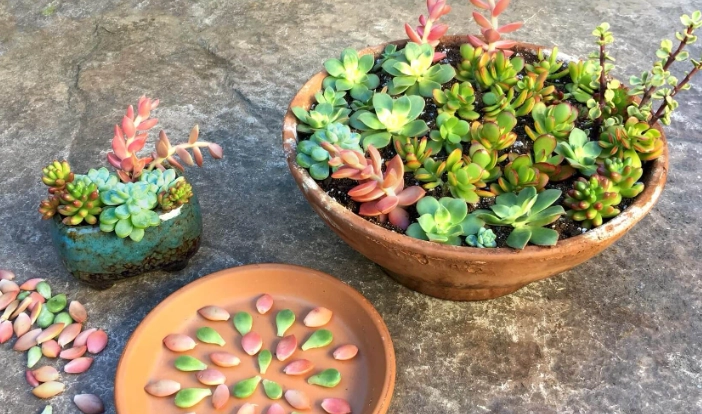
The Step-by-Step: How Do You Plant Succulents, Exactly?
Okay, you've got your pot-with-a-hole, your gritty soil, and your plant. Let's get our hands dirty. This process applies whether you're planting one or ten.
Step 1: Prep the Pot
Place a small piece of mesh, a coffee filter, or even a flat piece of bark over the drainage hole. This stops soil from washing out while still letting water flow freely. Don't use rocks or pebbles at the bottom—this is an old myth that actually creates a "perched water table" and can make drainage worse, not better. Studies from institutions like the University of Minnesota Extension debunk this practice.
Step 2: Add the Soil
Fill the pot about one-third to halfway with your pre-moistened soil mix. Yes, pre-moistened. Lightly dampen the mix in a bowl before using it. Dry soil can be hydrophobic and repel water initially, making it hard to water your new plant properly. It should feel like a wrung-out sponge—damp, not wet.
Step 3: Prep the Plant
Gently remove your succulent from its nursery pot. Often, they're packed in very peaty soil. Gently tease away as much of this old soil from the roots as you can without breaking them all. If the roots are long and tangled, it's okay to trim them back a bit. This actually encourages new root growth. Let the plant sit out for a few hours or even a day if the roots are very wet. This allows any tiny breaks to callous over, preventing rot.
This is a critical step in learning how do you plant succulents for long-term health.
Step 4: Find the Right Height
Place the succulent (without burying it yet) on top of the soil in the pot. Add or remove soil underneath until the base of the plant—where the stem meets the roots—is just below the rim of the pot. You want the lowest leaves to sit just above the soil line, not buried.
Step 5: Fill In and Firm Up
Holding the plant in place with one hand, use your other hand or a tool to gently scoop soil around the roots. Don't pack it down hard—you want it loose and airy. Tap the pot on the table a few times to help the soil settle naturally. Add more soil until it reaches the base of the plant.
Step 6: The Waiting Game (The Hardest Part)
Do not water it. I know it's tempting. You just planted it! But those disturbed roots need time to heal. Watering immediately invites rot. Wait at least 5-7 days before giving it its first thorough drink. Then, place it in bright, indirect light for a week or two before moving it to a sunnier spot if needed.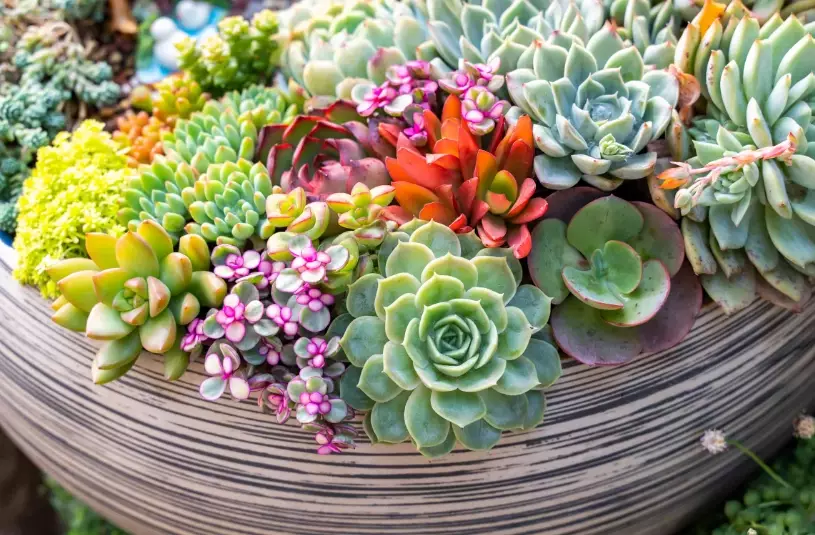
Choosing the Right Plants and Soil: A Quick Reference
Not all succulents have identical needs. Here's a breakdown to help you match your conditions.
| Succulent Type | Light Needs | Watering Frequency (Approx.) | Soil Mix Note |
|---|---|---|---|
| Echeveria, Sempervivum (Hens & Chicks) | Full sun (6+ hrs direct light) | Let dry completely, then soak | Needs the grittiest mix, excellent drainage is critical |
| Haworthia, Gasteria | Bright indirect light (avoids harsh midday sun) | Let soil dry fully, moderate soak | Can tolerate slightly more organic matter than Echeveria |
| Sedum (Stonecrop), Some Crassula (Jade) | Full sun to partial sun | Let dry completely, then soak | Very adaptable, standard succulent mix works well |
| Epiphytic Cacti (Christmas/Thanksgiving Cactus) | Bright indirect light | Keep slightly more moist than desert types | Prefers more peat/bark in the mix, like an orchid blend |
| Lithops (Living Stones) | Very bright light | Extremely infrequent; specific to growth cycle | Must be >80% inorganic (pumice, coarse sand) |
Aftercare: The Real Secret to Success
Planting is just the first date. The relationship is built on the care that follows. Here’s how to not mess it up.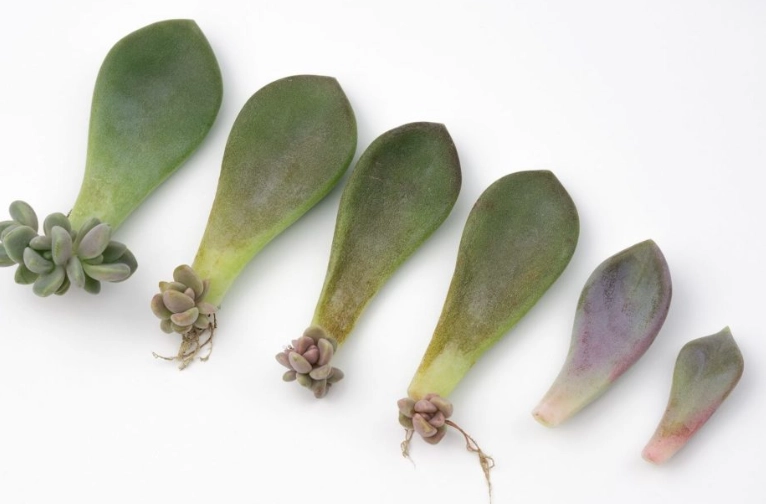
Watering: The "Soak and Dry" Method
Forget the "once a week" schedule. Your watering cue comes from the plant and the soil. Stick your finger in the soil—all the way down near the roots if possible. Is it completely, totally dry? Wait a few more days. Seriously.
When it's bone dry, it's time to water. Take the pot to the sink and give it a thorough drench. Water should flow freely out of the drainage hole. You're mimicking a desert rainstorm. Let it drain completely before putting it back in its saucer. Then, ignore it again until the next desert drought (i.e., completely dry soil).
How often? In a warm, sunny room in summer, it might be every 10-14 days. In a cooler, low-light spot in winter, it could be once a month or even less.
Light: The More, The Better (Usually)
Most succulents crave bright light. A south or west-facing window is ideal. East can work for some. North is usually a struggle. Signs of not enough light? The plant starts stretching out, with elongated stems and wider gaps between leaves (this is called etiolation). It's reaching for the sun.
But be careful with sudden, intense direct sun, especially through a hot window. It can scorch the leaves, leaving permanent brown or white marks. Acclimate plants to stronger light gradually.
Other Bits and Bobs
Fertilizer: They're light feeders. A diluted, balanced fertilizer (like a 10-10-10) once at the beginning of the growing season (spring) and maybe once in mid-summer is plenty. More is not better and can cause weak, leggy growth.
Top Dressing: That layer of gravel or pebbles on top of the soil isn't just decorative. It keeps the base of the plant dry (preventing rot), keeps soil from splashing on leaves, and helps anchor shallow-rooted plants. I find it makes everything look more finished, too.
Fixing Common Problems (Because They Will Happen)
Even when you know how do you plant succulents correctly, issues pop up. Here's the troubleshooting guide.
- Mushy, Translucent Leaves/Brown, Black Stem: Classic overwatering/rot. It's often fatal. If caught early, you can try to behead the plant above the rot, let it callous, and re-root it. Prevention is the only real cure.
- Wrinkled, Shriveling Leaves: Underwatering. The plant is using its stored water. Give it a good soak. It should plump up in a day or two.
- Stretching, Pale Growth: Not enough light. Move it to a brighter spot. You can't fix the stretched part, but you can behead it and start over in better light.
- Brown, Crispy Patches on Leaves: Sunburn. Move to a spot with less intense direct sun, especially in the afternoon.
- Mealybugs: Looks like tiny bits of white cotton in leaf crevices. Isolate the plant immediately. Dab bugs with a cotton swab dipped in rubbing alcohol. Repeat weekly. Check the American Phytopathological Society's resource on mealybugs for detailed management strategies.
Leveling Up: Propagation and Creative Planting
Once you've kept a succulent alive for more than six months, you might catch the bug. The next fun step is making more plants for free.
Many succulents, like Echeveria and Sedum, propagate easily from leaves. Gently twist a healthy, plump leaf from the stem. Let the broken end dry and callous over for a few days. Then place it on top of dry soil, somewhere with bright indirect light. Mist the soil very lightly every few days. Don't bury it. In a few weeks, you should see tiny pink roots and a miniature rosette forming. It's magical.
You can also take stem cuttings, let them callous, and then plant them. This is a great way to rescue a leggy plant.
And then there's arrangement planting. The principles are the same—excellent drainage, gritty soil, careful watering. Plant them slightly closer than you think, as they'll grow. Consider textures, colors, and growth habits. A trailing Sedum morganianum (Burro's Tail) looks amazing spilling over the edge of a pot with a compact Echeveria in the center.
Wrapping It Up: Your Succulent Success Checklist
Let's boil it all down. When you're figuring out how do you plant succulents, just run through this mental list:
- Pot with a hole. Non-negotiable.
- Gritty, well-draining soil. Not garden soil, not regular potting mix alone.
- Plant high. Don't bury the stem or lowest leaves.
- Wait to water. At least 5-7 days after planting.
- Water only when bone dry, then soak thoroughly. No sips, only gulps followed by drought.
- Give them as much light as you can. A bright window is your best friend.
- Ignore them most of the time. Seriously. Neglect is part of the care plan.
The joy of succulents comes from their resilience and strange beauty. They don't need constant attention. They just need the right conditions to do their thing. Start simple, maybe with a hardy Jade plant or a common Echeveria, follow these steps, and enjoy the process. You'll have a thriving collection before you know it.
And if you do kill one? Welcome to the club. We've all got a few casualties in our past. Just try again. Each plant teaches you something new about how do you plant succulents and keep them happy.