Spring Cactus Care: Your Essential Seasonal Guide to Healthy Plants
Getting started
So winter's finally loosening its grip. You look over at your cactus collection on the windowsill, and they seem... quiet. Maybe a bit pale. You're itching to give them some love, but you've heard horror stories about people killing their cacti with kindness the moment spring hits. Sound familiar?
Honestly, I've been there. Years ago, I drowned a perfectly healthy barrel cactus in April because I got overexcited. Spring cactus care isn't about suddenly flooding them with attention. It's a gentle, mindful transition. It's about reading their subtle signs and responding, not imposing a rigid schedule.
This guide is the one I wish I'd had. We're going to move beyond the basic "water more" advice and dig into the why and how of seasonal care. By the end, you'll feel confident knowing exactly what your cactus needs as the days get longer and warmer.
Why Spring Care is a Game Changer (It's Not Just About Water)
Think of your cactus after a long winter. Light levels were low. Growth likely stopped completely to conserve energy. The soil might have stayed damp for weeks. The plant's internal processes are in low gear.
Spring signals a change. But the plant can't just flip a switch. It needs to ramp up photosynthesis, prepare for new growth (areoles plumping up is a good sign), and re-establish its root function. Mess this up—by, say, drenching it with fertilizer on the first sunny day—and you shock the system. Proper spring cactus care sets the tone for the entire growing season. A good start means vigorous growth, spectacular blooms, and a resilient plant. A bad start can lead to rot, etiolation (that stretched, weak growth), and a season of playing catch-up.
It's the difference between a gentle stretch and a forced sprint.
Step-by-Step: Your Spring Cactus Care Routine
Let's break it down. Don't try to do all this in one weekend. Spread it out over a few weeks, observing your plant's response at each stage.
1. The Spring Awakening: Reading Your Cactus's Signals
Before you do anything, play detective. Is your cactus actually ready? Don't go by the calendar date alone. Go by environmental cues.
Key Signal: Consistently longer days and warmer temperatures. If your indoor space is reliably above 60°F (15°C) at night and you're getting stronger sunlight through the window, it's a green light to start thinking about spring cactus care. I usually start paying closer attention in early to mid-March, but my south-facing window plants wake up before my east-facing ones.
Look for subtle changes. A slight brightening of the green color. The very top of the cactus might look a tad more lively. This is the plant gearing up. That's your cue to begin the transition.
2. Light & Temperature: Easing Into the Sunshine
This is crucial and often botched. Your cactus has been in relatively weak winter light. A sudden move to a blazing hot, full-south exposure will scorch it, leaving permanent yellow or brown scars (corking). It's a sunburn, plain and simple.
The spring cactus care rule for light: gradual acclimation.
- Week 1-2: Move it to a spot with morning sun only (east-facing is perfect), or use a sheer curtain to filter strong afternoon sun.
- Week 3-4: Increase exposure by an hour or two of direct sun every few days.
- By late spring, most desert cacti can handle full, direct sun again.
Temperature-wise, avoid cold drafts. A consistent, gentle warmth is what they want now. Nighttime temps above 50°F (10°C) are generally safe for moving plants outside, but always check the specific needs of your cactus type. The Missouri Botanical Garden's plant finder is a fantastic resource for checking specific genus needs—I use it all the time to double-check my assumptions.
Patience here pays off in a perfect, unblemished green body.
3. The Art of Watering in Spring (This is Where Most Go Wrong)
Ah, watering. The heart of spring cactus care and the source of most problems. You can't just resume your summer schedule. The roots are still semi-dormant and can't absorb a flood.
Here's my method, born from killing a few plants with over-enthusiasm:
- The First Drink: Wait until you see those first signs of awakening. Then, give a light watering. Don't soak the pot. Just moisten the top half to two-thirds of the soil. Use room-temperature water—cold water shocks the roots. I bottom-water for about 10-15 minutes for this first one, letting the plant take what it needs.
- Let it Dry Thoroughly: This is non-negotiable. Let the soil become completely dry all the way through before you even think about water again. Stick your finger deep in the drainage hole if you have to.
- Gradually Increase: The next watering can be a bit more thorough. And the next one after that, even more so. You're slowly training the roots to become active and thirsty.
How often? There's no universal answer. A small pot in a hot, sunny window might need water every 10-14 days in early spring. A large pot in cooler light might go 3-4 weeks. Always go by soil dryness, not the calendar.
This staggered, cautious approach to watering is the most critical part of successful spring cactus care. It prevents the dreaded stem rot that starts unseen at the roots.
| Cactus Type | Early Spring Watering (First Sign of Growth) | Late Spring Watering (Active Growth) | Key Sign to Water |
|---|---|---|---|
| Desert Cacti (Echinopsis, Mammillaria) | Light soak, then let dry completely (2-3 weeks) | Thorough soak, let dry fully (7-14 days) | Soil bone dry, plant may feel slightly less firm |
| Jungle Cacti (Schlumbergera/Christmas Cactus) | Moderate watering, keep slightly moist | Keep soil consistently lightly moist | Top inch of soil feels dry |
| Large Columnar (Saguaro-type) | Very light watering, long dry periods (3-4 weeks) | Deep, infrequent soaking (2-3 weeks) | Deep soil is dry, ribs may show slight concavity |
See the difference? A Christmas cactus and a Saguaro have opposite needs. That table is a lifesaver.
4. To Feed or Not to Feed? Spring Fertilizing Demystified
Hold the fertilizer! This is a common spring cactus care misstep. Never fertilize a dormant or just-waking cactus. Its roots can't use the salts, which then build up and burn them.
Wait until you see clear, active new growth. That little bright green nub at the top, a new segment on a prickly pear, that's your signal. Usually, this is a good 4-6 weeks into your spring care routine.
When you do fertilize:
- Use a fertilizer specifically formulated for cacti and succulents. They're lower in nitrogen. A standard 10-10-10 is too strong and promotes weak, watery growth that's prone to pests.
- Dilute it to half or even quarter strength. Less is more.
- Apply it to damp soil, never dry soil (to prevent root burn).
- Once a month during late spring and summer is plenty. I follow the "weakly, weekly" approach but at quarter strength with every other watering in peak season.
Honestly, if you repot with fresh soil in spring, you can often skip fertilizing entirely that year. The new soil has nutrients. I sometimes skip it if my plants look happy.
5. The Great Spring Repot (If Needed)
Spring is the absolute best time for repotting—the plant is entering a growth phase and can recover quickly. But don't repot just because it's spring. Repot because the plant needs it.
Signs it's time: Roots are visibly circling the bottom of the pot or growing out the drainage hole. The plant is top-heavy and unstable. The soil has become hard, compacted, or water-repellent (hydrophobic). The plant hasn't been repotted in 3-4 years.
My spring cactus care repotting checklist:
- Choose the right pot: Only go up one size (1-2 inches wider in diameter). Too much extra soil stays wet and causes rot. Terracotta is my favorite—it breathes.
- The right mix is EVERYTHING: Do not use regular potting soil. It holds too much moisture. Use a commercial cactus/succulent mix, but even then, I amend it. My go-to recipe: 2 parts cactus mix, 1 part perlite or pumice, 1 part coarse sand. This ensures crazy-fast drainage. The University of Arizona's Cooperative Extension has a great page on soil mixes for arid plants that's worth a look for the science behind it.
- Be gentle with roots: Loosen the root ball gently. It's okay to trim any dead, dry, or rotten roots.
- Wait to water: This is critical. After repotting into dry mix, wait 5-7 days before giving the first light watering. This allows any tiny root breaks to callous over, preventing rot entry points.
Repotting can feel scary, but with the right soil and a dry period after, it's one of the best things you can do for your plant's health.
6. Pest Patrol & Problem Solving
Spring warmth wakes up bugs too. Mealybugs (those little white cottony guys) and scale (brown bumps) are the usual suspects. They love fresh new growth.
During your spring cactus care inspection, look closely in the ridges (ribs), under the pot rim, and between spines. Early detection is key.
- For mealybugs: A cotton swab dipped in 70% isopropyl alcohol does the trick. Dab them directly. For larger infestations, a spray of insecticidal soap or neem oil solution works, but test on a small area first and keep the plant out of direct sun after treatment.
- Prevention: Good air circulation and not over-fertilizing (which attracts pests) are your best defenses.
Other spring issues?
Etiolation (stretching): Means not enough light. Acclimate it to brighter light gradually.
Yellowing base: Often a sign of overwatering, especially if soft. Check your watering schedule and soil drainage.
No growth at all by late spring: Could be insufficient light, temperatures still too cool, or a need for repotting.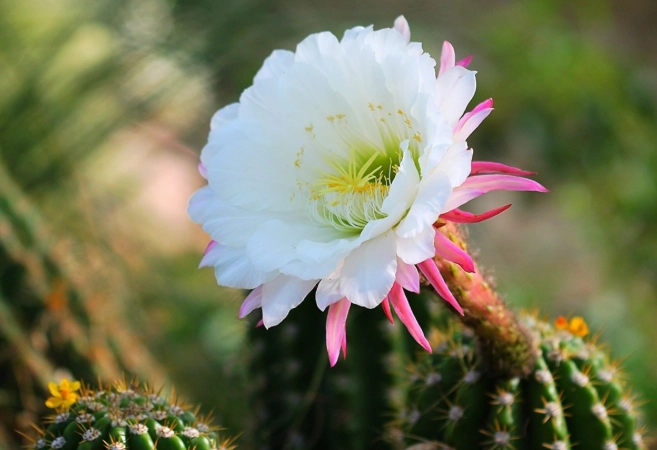
Your Spring Cactus Care FAQs (Stuff You Actually Want to Know)
My cactus got a little wrinkled over winter. Is it dying? Should I water it a ton?
Wrinkling can be normal winter shrinkage from mild dehydration. Don't panic and drown it. Start with the light, first spring watering I described. If the wrinkles plump back up in a few days, it was just thirsty. If they remain and the plant feels mushy, it might be root rot from earlier overwatering—a trickier problem.
When can I safely put my cactus outside for the summer?
This is the ultimate goal of spring cactus care, right? Wait until nighttime temperatures are consistently above 50°F (10°C). For many regions, this is after the last frost date. The USDA Plant Hardiness Zone Map is your friend here to understand your local last frost dates. And remember the light acclimation rule—start them in dappled shade for a week or two before moving to a sunnier spot.
Should I mist my cactus in spring for humidity?
Generally, no. Most desert cacti don't need added humidity and misting can promote fungal issues on the stem, especially if water sits in the crown. Good air flow is more important than humidity. Jungle cacti (like Christmas cactus) appreciate more humidity, but even then, a pebble tray is better than direct misting.
My cactus is flowering in spring! Do I care for it differently?
Lucky you! Flowering takes energy. You can continue with your careful spring cactus care routine, but ensure it gets plenty of bright, indirect light (direct hot sun might scorch flowers). Don't move or rotate it much once buds form, as they can abort. Water as normal based on soil dryness. After it finishes blooming, you can give it a half-strength fertilizer drink as a thank-you.
Putting It All Together: A Loose Spring Timeline
Don't treat this as a rigid schedule, but as a flow.
Early Spring (March - Early April): Observation phase. Increase light gradually. Give the first cautious water when you see signs of life. Hold off on fertilizer and repotting unless urgently needed.
Mid-Spring (April - May): Active care phase. Waterings become more regular as soil dries faster. This is the prime time for repotting if needed. Begin fertilizing at low strength only if you see strong new growth and didn't just repot.
Late Spring (May - June): Transition to summer mode. Plants can often handle full sun. Watering frequency reaches its peak summer schedule. Acclimate plants to go outside if desired. Keep up the pest patrol.
Listen to your plant more than any guide, including this one.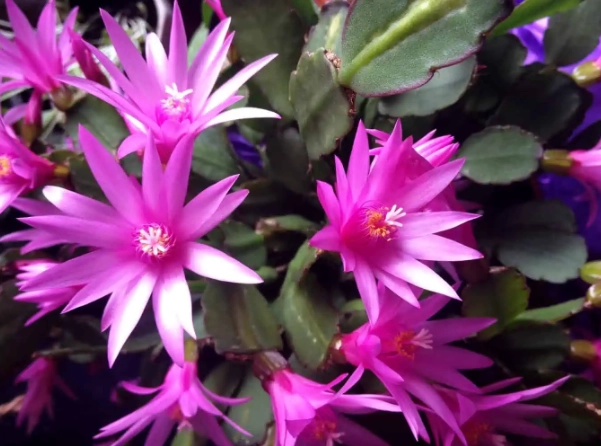
Final Thoughts: Embracing the Slow Unfolding
The real secret to spring cactus care isn't a list of tasks. It's a shift in mindset. From a human pace to a plant's pace. From doing to observing. From worrying to trusting the process.
Your cactus has survived millennia of seasonal cycles. It knows what to do. Your job is just to provide the right conditions for that natural intelligence to express itself—the right light, the right water at the right time, the right soil to live in.
Start slow. Watch closely. Make small adjustments. You'll see your cactus respond, pushing out fresh, healthy growth that's a direct result of your careful stewardship. That's the real reward. For more nuanced discussions and species-specific advice, the forums and articles on the Cactus and Succulent Society websites are filled with passionate growers sharing their real-world experiences.
Now go check on your spiky friends. They're probably ready for that first, careful sip of spring.