The Ultimate Guide to Cactus Plant Pots: Choose, Style & Avoid Common Mistakes
Popular plants
Let's be honest. Most of us pick a cactus plant pot because it looks cute on the shelf. I've done it a hundred times. That adorable little ceramic pot with the geometric pattern? Sold. The trendy, minimalist concrete planter? Into the cart it goes. But then, a few months later, you're left wondering why your prickly friend looks sad, mushy at the base, or just plain refuses to grow. Sound familiar?
It happened to my first Echinocactus grusonii, a golden barrel cactus I was so proud of. I planted it in a gorgeous, glazed pot I found at a home decor store. No drainage hole, of course, because the designer probably thought water magically disappears. It didn't. The result was a slow, soggy demise. That's when I realized the container isn't just decoration; it's a life support system.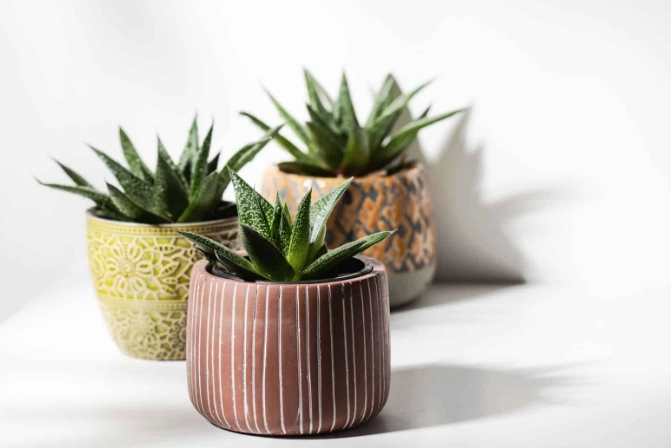
This guide is everything I wish I'd known back then. We're going deep on cactus pots—materials, size, drainage, style, the works. It's not just about keeping your plant alive (though that's a pretty good start). It's about helping it thrive and look incredible in your space.
Why Your Cactus Pot Choice Matters More Than You Think
You can't just treat a cactus like any other houseplant. These are survivors from some of the harshest, driest places on earth. Their needs are specific, and their pot is their entire world. A bad pot creates a bad environment, full stop.
The Core Functions of a Good Cactus Pot
Think of the perfect cactus planter as having three key jobs:
- Master of Drainage: It must get rid of excess water, fast. Cactus roots hate sitting in moisture. A wet root is a dead root waiting to happen.
- Root Climate Controller: It needs to allow the soil to dry out completely and breathe. Some materials help with this, others work against it.
- Style Anchor: It should complement the unique, sculptural beauty of the cactus itself. This is where the fun comes in.
Neglect the first two, and you'll never get to enjoy the third for very long.
I see so many guides that skip the science and jump straight to aesthetics. But if you understand the why, choosing the what becomes second nature. You'll walk past those water-trapping death traps without a second glance.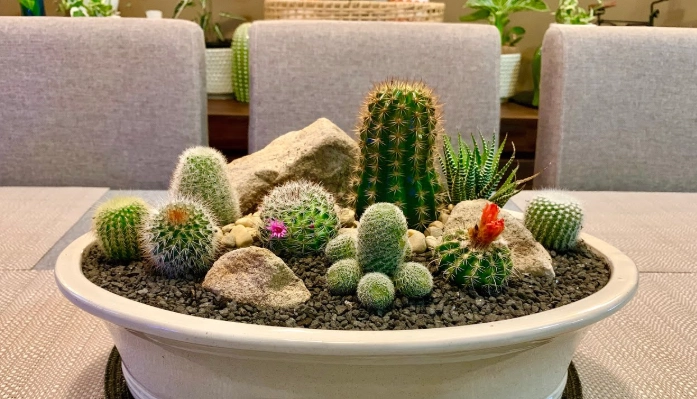
Breaking Down Cactus Pot Materials: The Good, The Bad, and The Porous
This is where the rubber meets the road. The material of your cactus plant pot is its personality and its functionality rolled into one. Each has pros, cons, and best-use cases.
| Material | Best For... | Biggest Advantage | Watch Out For... | My Personal Take |
|---|---|---|---|---|
| Terra Cotta / Clay | Beginners, over-waterers, large cacti, hot climates. | Superb breathability. Wicks moisture away from soil. | Can dry out too fast in very arid homes. Heavy. Breaks easily. | The classic for a reason. My go-to for any new or fussy cactus. The white mineral deposits that form? I think they add character. |
| Ceramic (Glazed) | Stylish interiors, smaller cacti, if you're a disciplined waterer. | Huge variety of colors, finishes, and designs. Sturdy. | Zero breathability. Poor drainage if no hole. Can be pricey. | I use these for mature cacti I know well, in a very gritty mix. They're beautiful but demand respect. Don't start here. |
| Plastic & Fiberglass | Lightweight needs, hanging planters, commercial growers. | Lightweight, cheap, durable. Often has great drainage holes. | Traps heat and moisture. Soil stays wet longer. | Underrated for certain situations. Great for a large, lightweight cactus planter on a shelf. Just use a super-draining soil. |
| Concrete & Cement | Modern, minimalist looks. Outdoor/patio settings. | Extremely stable and durable. Develops a nice patina. | Very heavy. Can be alkaline, which some cacti dislike. | Love the look, hate the weight. Also, they can leach lime. Soak a new concrete pot in water for a few days to neutralize it. |
| Metal | Temporary displays, very specific industrial decor. | Unique aesthetic. Often very lightweight. | Rust. Corrosion. Heats up terribly in sun. Usually no drainage. | My least favorite. I'll use a metal cache pot (an outer decorative pot) to hide a plastic nursery pot, but never plant directly in one. |
See what I mean? That unglazed terra cotta pot might not be the fanciest thing on the block, but for a cactus, it's like a breathable cotton tee—comfortable and functional. The glazed ceramic is the designer leather jacket. Looks amazing, but you have to be careful where you wear it.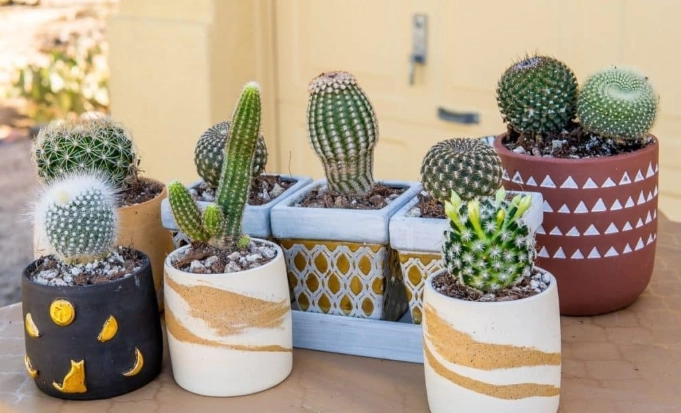
A Quick Word on "No Drainage Hole" Pots
They're everywhere. The internet is full of "hacks" for using them: a layer of rocks at the bottom, activated charcoal, etc. Let me save you the trouble: These are terrible ideas for cacti. They create a perched water table at the bottom where roots eventually grow. It's a swamp down there. Just don't. If you fall in love with a pot with no hole, either drill one yourself (with the right bit for the material) or use it purely as a decorative cache pot, slipping a functional, hole-y plastic nursery pot inside.
Size and Drainage: The Non-Negotiables
Okay, you've picked a material. Now, how big should this cactus plant pot be? And what about that all-important hole?
Getting the Size Just Right
The golden rule is only slightly larger than the root ball. A common mistake is giving a small cactus a mansion of a pot. All that extra soil holds water long after the roots have drunk their fill, leading to rot.
Think cozy, not cavernous.
When repotting, I usually go for a pot that's about 1-2 inches (2.5-5 cm) wider in diameter than the current one. For shallow-rooted cacti (like many Mammillaria), a wider, shallower bowl-style cactus pot is often better than a deep one. It mimics their natural, sprawling root habit and dries out more evenly.
Quick Size Check: The rootball should fit comfortably with enough room for a thin layer of fresh soil around the sides and bottom. If you have to cram it in, it's too small. If you could fit another small plant in there with it, it's way too big.
The Drainage Hole: Your Best Friend
This is non-negotiable. One hole is the bare minimum. Three or more smaller holes are even better. The hole allows gravity to do its job and pull excess water out. When you water, you should see a little stream coming out the bottom. That's a good sign! It means the water is moving through the entire soil column, flushing out old salts and minerals.
What about those little saucers that catch the water? Empty them! Don't let your cactus sit in its own runoff. That's like defeating the whole purpose of the hole.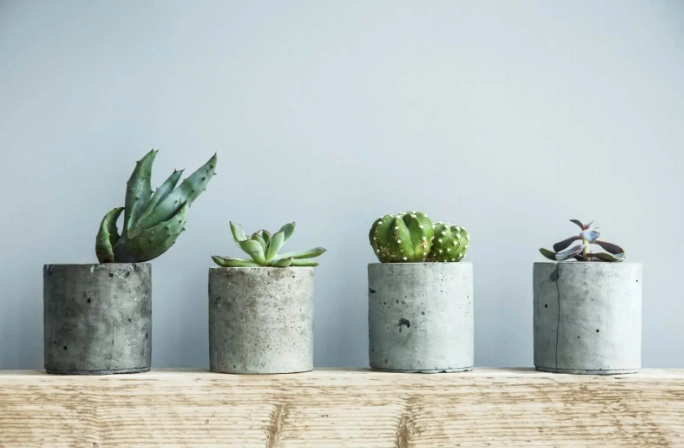
Style and Design: Making Your Cactus a Showstopper
Now for the fun part. Once the health basics are locked down, you can play. The right succulent planter can turn your cactus into living sculpture.
Matching Pot to Plant Personality
- The Modern Minimalist: A smooth, matte concrete or single-color ceramic pot. Perfect for tall, columnar cacti like Cleistocactus or a sculptural Euphorbia. Keep it simple.
- The Rustic Charm: Rough, unglazed terra cotta. Ideal for round, barrel-type cacti or clustering species. It feels natural and earthy.
- The Boho Vibe: A painted clay pot with geometric patterns or a macrame hanger. Great for trailing cacti like Rhipsalis or a small cluster of Echeveria (yes, they're succulents, but they often hang out with cacti!).
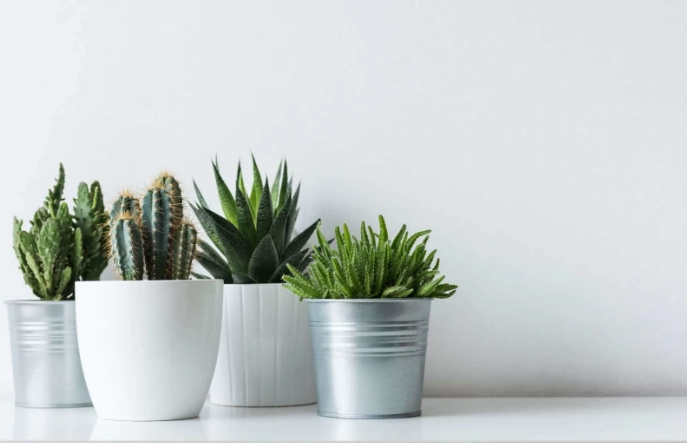
- The Vintage Touch: An old tin cup, a quirky thrift-store find (with a drilled hole!). Works well with quirky, small cacti.
The shape of the pot matters too. A tall, spiky cactus often looks balanced in a slightly heavier, wider-based pot. A sprawling, pad-forming cactus (like an Opuntia) can look fantastic in a long, rectangular trough-style planter.
I have a small Astrophytum asterias (a star cactus) in a shallow, black hexagonal pot. The geometric shapes play off each other. It just works.
The Practical Stuff: Planting and Ongoing Care in Your Chosen Pot
You've chosen the perfect cactus plant pot. Now let's get your plant settled in for the long haul.
The Planting Process, Step-by-Step
- Gather your gear: Your pot (with hole!), a well-draining cactus & succulent soil mix (I often add extra perlite or pumice to bagged mixes), your cactus, gloves, and maybe some tongs or folded paper for handling.
- Prep the pot: Place a small piece of mesh, a coffee filter, or a shard of broken pottery over the drainage hole. This keeps soil in but lets water out.
- Add a base layer: Put in enough soil so that when you place the cactus on top, its base sits just below the pot's rim.
- Settle the plant: Gently place the cactus, centering it. Fill in around the sides with more soil, tamping lightly to remove big air pockets. Don't bury the stem deeper than it was before.
- The waiting game: Do NOT water immediately. Wait about a week. This gives any damaged roots time to callous over, preventing rot. Place it in bright, indirect light while it settles.
Your Cactus Pot Questions, Answered
These are the things people really ask, the stuff that keeps you up at night about your spiky buddy.
Can I just use a regular potting soil in my cactus pot?
I wouldn't. Regular potting soil is designed to retain moisture for longer, which is the opposite of what cactus roots want. It compacts over time, suffocating roots. A proper cactus mix has more inorganic material (like sand, perlite, grit) for fast drainage and aeration. The Royal Horticultural Society emphasizes the importance of free-draining compost for cacti and succulents. It's worth the few extra bucks.
How often should I repot my cactus?
Not as often as you think. Every 2-4 years is usually plenty. They like being slightly root-bound. Signs it's time: roots growing out of the drainage hole, the plant has clearly outgrown the pot, or the soil has degraded and become compacted. Spring or early summer is the best time to do it.
My pot has a drainage hole, but I'm worried about water on my furniture. What can I do?
This is a real concern. Use a saucer, of course. But also, consider a pot with attached saucer, or a "self-watering" pot (use it dry, just for the reservoir feature). You can also water your cactus in the sink or bathtub, let it drain completely for 30 minutes, and then put it back in its decorative spot.
Are there any "breathable" pot materials besides terra cotta?
Yes! Look into rice hull pots or other biodegradable planters made from organic materials. They are incredibly breathable and sustainable. Also, some modern planters use a porous fabric (geotextile) which provides excellent air-pruning of roots, promoting a healthier root system. They're often sold as "grow bags" but can be placed inside a decorative pot.
Beyond the Basics: Creative Ideas and Trends
Once you've mastered the essentials, the world of cactus pots opens up. Here are some cool things happening right now.
The DIY Trend: Painting plain terra cotta pots. Use acrylic paints and seal with a matte, waterproof sealer (applied only to the outside, never the interior). You can create custom colors and patterns that match your decor perfectly.
Upcycling: Turning old mugs, teapots, or even vintage colanders into planters (with a drilled hole!). It gives a unique, personal touch. I once saw an old cowboy boot used as a cactus planter—it was weirdly perfect.
Grouping and Layering: Using a large, shallow tray (like a bonsai dish) to create a mini desert landscape with several small cacti and succulents in individual small pots, surrounded by sand and rocks. This lets you tailor the soil for each plant while creating a unified display.
Sustainable Materials: This is a big one. Pots made from recycled ocean plastic, coconut coir, or bamboo are becoming more popular. They address the environmental impact of plastic pots and often have great functional properties.
The Final, Unsexy Truth About Cactus Pots
After all this talk about style and trends, let me bring it back down to earth. The most beautiful, expensive, designer cactus plant pot in the world is useless if it doesn't let the roots breathe and the water drain.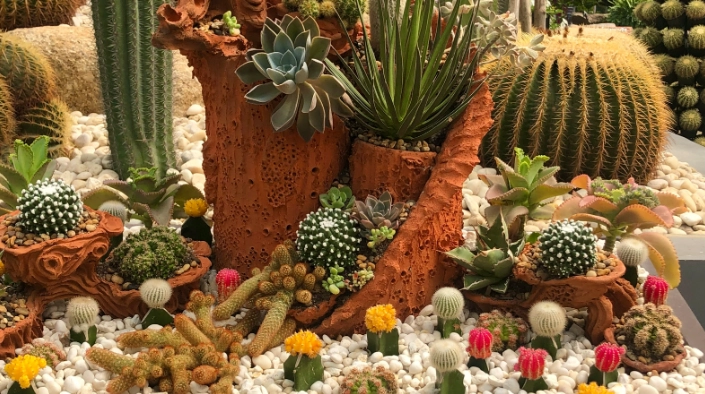
Function first. Beauty second.
Your cactus doesn't care about Instagram aesthetics. It cares about survival. By choosing a pot that respects its natural needs—porous, sized right, with a clear escape route for water—you're not just putting it in a container. You're giving it a home. A foundation. From that solid foundation, you can build any look you want.
Start with a simple, unglazed terra cotta pot with a good hole. Learn your plant's rhythms. Nail the watering. Then, once you're both comfortable, venture out into the world of glazes, concretes, and colors. You'll have the confidence to know what will work and what's just a pretty face.
And if you see that perfect pot with no drainage hole? Admire it. Take a picture. Then walk away. Your cactus will thank you for it.