Kalanchoe Plant Varieties: The Ultimate Grower's Guide
Popular plants
Kalanchoes are the underdogs of the succulent world. Everyone talks about echeverias and aloes, but these guys? They bloom like crazy, come in wild shapes, and some can survive the occasional forgetful watering. They belong to the Crassulaceae family, and their diversity is staggering. From the classic florist's kalanchoe to ones that look like they're from a Dr. Seuss book, there's a type for every windowsill. The key is knowing which one matches your lifestyle and light situation.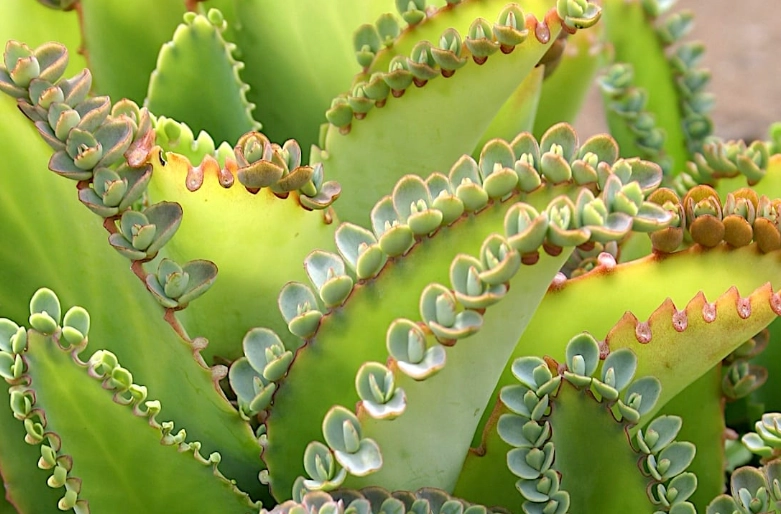
I want to cut through the confusing botanical jargon and give you the practical, down-to-earth info you actually need. What's the difference between them? Which ones are truly easy? Which ones are worth the extra effort for their stunning looks? We're going to dig into all of that.
Why Bother With Different Kalanchoe Varieties?
You might think a succulent is a succulent. Stick it in sun, water it rarely, done. With kalanchoes, that's only half the story. The different types of kalanchoe plants offer completely different experiences.
Some are grown almost exclusively for their clusters of long-lasting flowers. Others are "foliage plants" with textures and colors so interesting you won't even miss the blooms. A few have unique propagation tricks—like producing tiny plantlets on their leaf edges—which is just plain cool to watch. Choosing the right one means you're not just keeping a plant alive; you're getting a specific kind of joy from it, whether it's a burst of winter color or a quirky, architectural shape on your desk.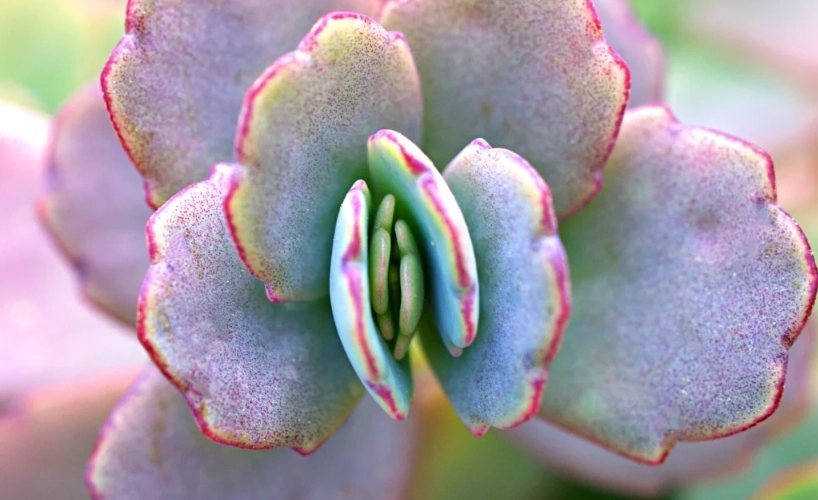
The Popular Crowd: Kalanchoe Varieties You'll Actually Find
Let's start with the ones you're most likely to encounter. These are the workhorses, the reliable friends, and the gateway drugs into the wider world of kalanchoe succulent varieties.
| Variety Name (Common & Botanical) | Key Identifying Feature | Light Needs | Care Difficulty | My Personal Take |
|---|---|---|---|---|
| Flaming Katy / Kalanchoe blossfeldiana | Dense clusters of small, four-petaled flowers in red, pink, yellow, orange, or white. | Bright, indirect light. | Very Easy | The classic. Almost foolproof if you avoid soggy soil. The go-to for instant color. |
| Panda Plant / Kalanchoe tomentosa | Fuzzy, silvery-green leaves with chocolate-brown spots on the tips. | Bright light to direct sun. | Easy | Incredibly tactile. Everyone wants to touch it. Grows slower, which I actually prefer. |
| Chandelier Plant / Kalanchoe delagoensis (syn. K. tubiflora) | Tube-like, grey-green leaves with plantlets forming on the tips. | Bright, direct sun. | Very Easy (Almost weedy) | A fascinating propagator, but can be invasive. Keep it in a pot, not the ground! |
| Velvet Leaf Kalanchoe / Kalanchoe beharensis | Large, triangular, felt-textured leaves that can develop a bronze tint. | Bright light. | Medium | Makes a dramatic statement. Can get quite large. The texture is unreal. |
| Mother of Thousands / Kalanchoe daigremontiana | Long, spear-shaped leaves with rows of tiny plantlets along the edges. | Bright, indirect light. | Super Easy | Another prolific baby-maker. So easy it's almost comical. Great for beginners to feel successful. |
See what I mean? Just in that common group, you've got different textures, propagation styles, and growth habits. The Flaming Katy is what most people picture when they hear "kalanchoe," but the Panda Plant is a textural superstar, and the Chandelier Plant is a conversation starter.
The Show-Stopper: Flaming Katy (Kalanchoe blossfeldiana) Deep Dive
This one deserves its own spotlight. It's the king of the kalanchoe plant varieties in terms of popularity. Bred extensively for bigger blooms and more colors, it's a mass-market success for a reason.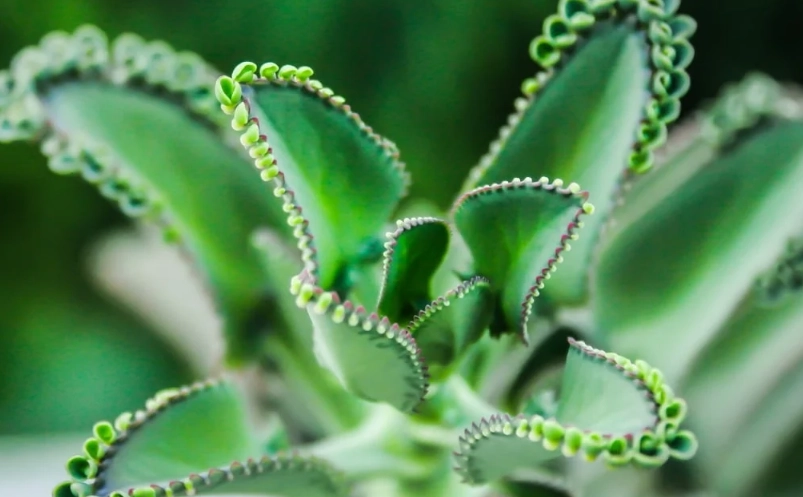
Colors and Blooms: You'll find them in solid, vibrant hues and even doubles that look like miniature roses. The bloom period can last for weeks, even months, if you keep spent flowers pinched off. The trick to re-blooming? They need a period of short day lengths (long nights). About 6 weeks of 14+ hours of darkness each day can trigger them to set buds again. I've had mixed results with this—sometimes it works like a charm, other times the plant seems to need a rest more than a flower.
The Care It Really Wants: Bright light is non-negotiable for compact growth and flowering. But the biggest killer is overwatering. Let the soil dry out completely between waterings. I mean, stick your finger in it dry. When you do water, do it thoroughly until it runs out the bottom, then let it drain completely. No sitting in a saucer of water. Ever. For soil, a gritty, well-draining cactus mix is perfect. The Royal Horticultural Society (RHS), a top-tier gardening authority, classifies it as a houseplant that needs "bright but indirect light" and "well-drained, soil-based potting compost," which aligns perfectly with this gritty approach (RHS Kalanchoe blossfeldiana Guide).
The Textural Dream: Panda Plant and Friends
If you're more about leaves than flowers, this group is for you. Kalanchoe tomentosa (Panda Plant) is the poster child, but look for its cultivars too. 'Chocolate Soldier' has darker tips, 'Golden Girl' is more yellow-toned.
They're slow growers, which I find relaxing. You're not constantly repotting. They want as much light as you can give them to stay compact and fuzzy. Water them even less than the flowering types. That fuzz isn't just for cuteness; it helps reduce water loss, meaning they're built for drought. When you water, avoid pouring water directly onto the leaves—it can trap moisture and lead to rot. Bottom watering (setting the pot in a tray of water) works great here.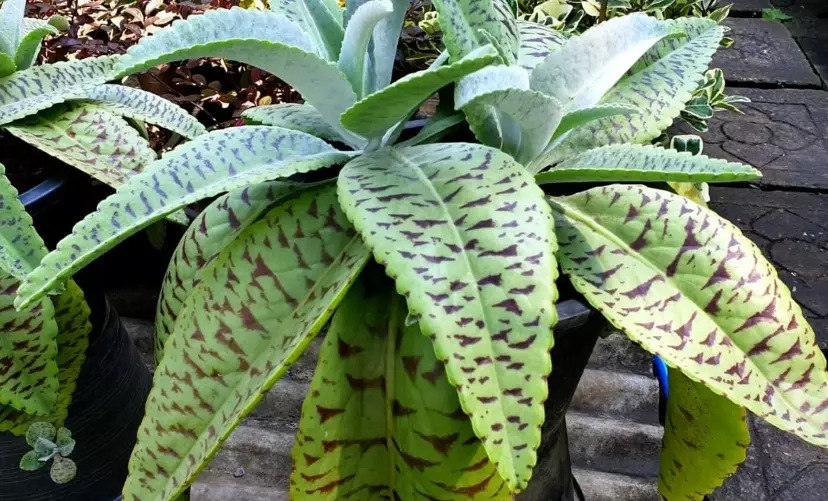
Beyond the Basics: Rare and Unique Kalanchoe Plant Varieties
Okay, so you've kept a Panda Plant alive for a year and you're feeling confident. Welcome to the next level. These kalanchoe succulent varieties are for the collector, the person who wants something truly unusual. You might need to hunt at specialty succulent nurseries or online shops.
- Kalanchoe orgyalis (Copper Spoons): This one is stunning. The new leaves are covered in a fine, coppery-brown felt. As they age, they become more silvery. The contrast on one plant is incredible. It needs strong light to maintain its compact, spoon-shaped leaf form.
- Kalanchoe luciae (Paddle Plant, Flapjacks): Forms a gorgeous rosette of large, flat, round leaves. With enough sun stress, the edges blush a brilliant, fiery red. It's architectural and bold. Eventually, it will send up a tall flower spike, and the main rosette will die afterward, but it usually produces offsets (pups) before it does.
- Kalanchoe fedtschenkoi (Lavender Scallops): Has beautiful, blue-green leaves with scalloped edges that can take on a lavender-pink hue in bright light. It's a sprawling, shrubby grower and produces plantlets freely from the leaf margins. Very easy to propagate.
- Kalanchoe marnieriana (Marnier's Kalanchoe): Has stacks of rounded, blue-green leaves on thin stems. It has a delicate, almost jade-like appearance but is tougher than it looks. Turns pinkish at the edges in sun.
I managed to kill a Kalanchoe luciae once. I was so proud of its red edges, I gave it blazing afternoon sun in the middle of summer... and scorched it. Lesson learned: even sun-loving succulents can get sunburned if introduced to intense light too quickly. Acclimate them gradually.
How to Pick Your Perfect Match: A Decision Guide
With so many options, how do you choose? Stop thinking about which one is prettiest in the photo (hard, I know) and start asking these questions:
- What's your light really like? Be brutally honest. A bright, sunny south or west window? You can grow almost anything. An east window or a bright spot away from the window? Stick with the medium-light champs like Kalanchoe blossfeldiana or Kalanchoe tomentosa. The Missouri Botanical Garden's plant database is an excellent resource for checking the specific light needs of each species, helping you match a plant to your actual conditions (Missouri Botanical Garden PlantFinder).
- What's your watering style? Chronic overwaterer? Go for the super-drought-tolerant types like the Chandelier Plant or Mother of Thousands. Forgetful waterer? Same answer. If you're more regimented, you can handle the varieties that like a bit more consistent moisture while blooming, like the Flaming Katy.
- What do you want from the plant? Constant color? Get a blossfeldiana. Unique texture and form? Look at tomentosa, orgyalis, or luciae. A fascinating science project? The prolific propagators (delagoensis, daigremontiana) are your jam.
- How much space do you have? Some, like Kalanchoe beharensis, can become small shrubs. Others, like the ground-covering fedtschenkoi, spread out. Check the mature size.
The Non-Negotiable Care Guide for All Kalanchoe Plant Varieties
While each has its quirks, these core principles apply to almost every type of kalanchoe plant you'll bring home.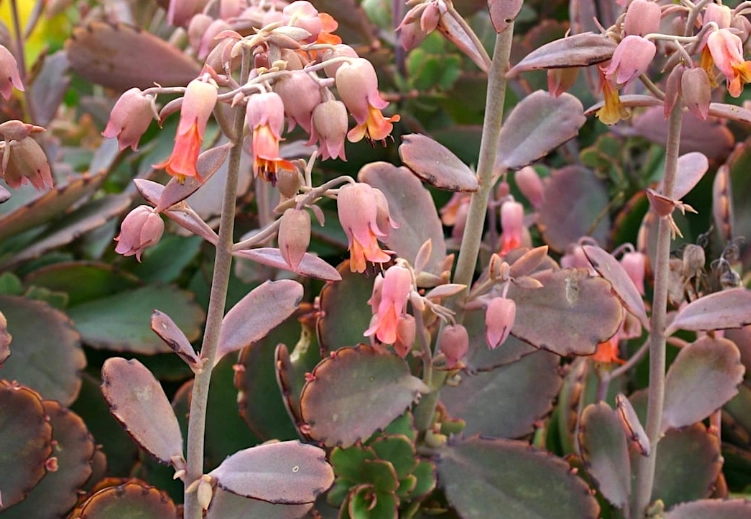
Light: The Make or Break Factor
This is the biggest thing. Insufficient light leads to etiolation—stretchy, weak growth with wide spaces between leaves. The plant is literally reaching for the sun. It looks awful and is unhealthy. Most kalanchoes need a minimum of 4-6 hours of bright, indirect light daily. The fuzzy and highly colored varieties often want some direct sun (morning sun is gentlest) to look their best. A south or west-facing window is ideal. If you only have lower light, your choices are more limited, but a Flaming Katy might still work, just with fewer flowers.
Watering: The Art of Neglect
I cannot stress this enough. Overwatering is the #1 killer. These plants store water in their leaves and stems. They are built to endure dry periods. Your goal is to mimic a desert downpour followed by a drought.
The Foolproof Method: 1) Stick your finger about 2 inches into the soil. 2) Is it completely dry? Not just a bit dry, but bone-dry? 3) If yes, water thoroughly until water streams out of the drainage hole. 4) Empty the saucer or cache pot after 15 minutes. 5) Do not water again until step 2 is true again.
In winter, when growth slows and light is lower, this might mean watering only once a month or even less. When in doubt, wait another week.
Soil and Pot: Building the Right Foundation
They need fast drainage. A standard potting soil will hold too much moisture and cause root rot. Use a dedicated cactus and succulent mix. To make it even better, I mix 2 parts cactus mix with 1 part perlite or pumice for extra grit. The pot must have a drainage hole. Terracotta pots are excellent because they are porous and help wick away moisture from the soil.
Feeding, Temperature, and Humidity
Fertilizer: Less is more. Feed during the active growing season (spring and summer) with a balanced, water-soluble fertilizer diluted to half strength. Do it once a month at most. Do not fertilize in fall and winter.
Temperature: They like average room temperatures (65-75°F / 18-24°C). Protect them from drafts and cold windows in winter. Most cannot tolerate frost.
Humidity: Average home humidity is fine. They don't need extra misting—in fact, misting fuzzy leaves can cause problems.
Pruning and Propagation: Making More Plants!
Pinch back leggy stems on flowering varieties to encourage bushiness. After blooming, you can cut back the flower stalks. Propagation is where kalanchoes shine. For most (like blossfeldiana, tomentosa), you can take a stem cutting, let the cut end callous over for a day or two, then stick it in dry succulent soil. Don't water until you see signs of new growth. For the "Mother" types, you literally just pick off the tiny plantlets and place them on soil. It's ridiculously easy and deeply satisfying.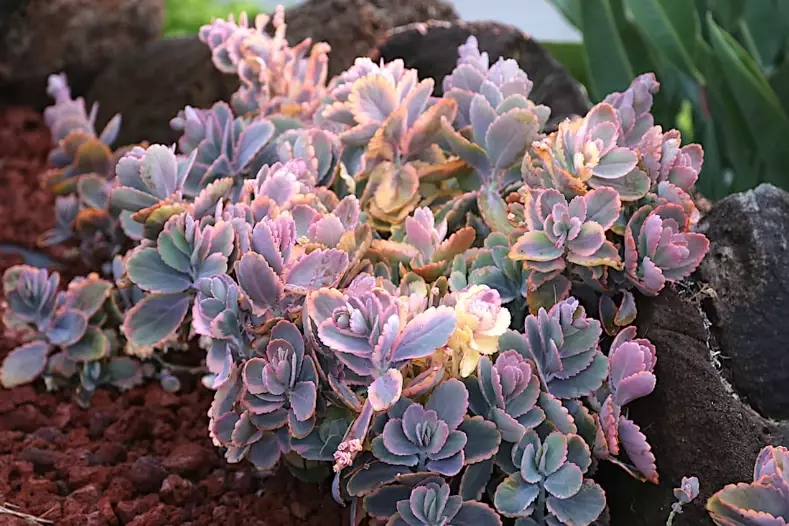
Common Problems and Questions (The FAQ You Actually Need)
Q: Are kalanchoe plants toxic to pets?
A: Yes, unfortunately. According to the ASPCA, many kalanchoe species contain compounds that can cause vomiting, diarrhea, and, in large quantities, more serious heart issues in cats and dogs (ASPCA Kalanchoe Toxicity List). If you have curious pets, it's best to place these plants completely out of reach or choose a different genus.
Q: Why is my kalanchoe getting tall and leggy?
A: It's screaming for more light. This is etiolation. Move it to a brighter spot immediately. You can also cut back the leggy stems to encourage bushier growth from the base.
Q: My kalanchoe has soft, mushy leaves at the base. What's wrong?
A: Classic overwatering and likely root rot. Stop watering. You might need to take the plant out of its pot, cut away any black, mushy roots, and repot it in fresh, dry succulent mix. If the stem is also mushy, you may need to take healthy stem cuttings to save the plant.
Q: How do I get my Flaming Katy to flower again?
A: It needs a simulated winter. For about 6 weeks, give it at least 14 hours of uninterrupted darkness each night (put it in a closet or cover it with a box) and keep it cool (around 50-60°F / 10-15°C). Reduce watering during this time. After this period, return it to normal light and care, and it should set buds. Honestly, I often just buy a new one in bloom—they're inexpensive, and the forcing process can be finicky.
Q: What are those tiny white cottony bugs on my plant?
A: Probably mealybugs. Succulents are prone to them. Isolate the plant. Dab the bugs with a cotton swab dipped in rubbing alcohol. Check leaf crevices and under leaves. Repeat every few days until they're gone.
Design Ideas: Using Kalanchoe Varieties in Your Home
They're not just for solo pots on a windowsill.
- Color-Themed Dish Gardens: Combine a flowering red Kalanchoe blossfeldiana with other red-tipped succulents like a small Echeveria agavoides for a stunning red arrangement.
- Textural Contrast: Pair the fuzzy, soft Kalanchoe tomentosa with the smooth, hard leaves of a jade plant (Crassula ovata) or the sharp spines of a small cactus. The contrast is visually exciting.
- Vertical Interest: Use a trailing variety like Kalanchoe uniflora (though rarer) or even a young, cascading Mother of Thousands in a hanging basket.
- Modern Statement: A large, single Kalanchoe luciae (Paddle Plant) in a simple, minimalist white or concrete pot is a stunning piece of living sculpture.
Exploring the different kalanchoe plant varieties is a journey. You might start with a cheerful Flaming Katy, fall in love with the texture of a Panda Plant, and eventually hunt down a rare Copper Spoons. Each one has its own personality and care rhythm. The most important thing is to observe your plant and your environment. That connection—not just following a rigid schedule—is what turns a houseplant keeper into a true grower. So, which of these kalanchoe succulent varieties caught your eye? Maybe it's time to make some space on a sunny shelf.