Aloe Vera Propagation: A Complete Guide to Multiplying Your Plants
Getting started
Your Quick Navigation
- Why Bother Propagating Your Own Aloe?
- Meet the Players: Understanding Aloe Vera "Pups"
- The Other Path: Can You Propagate Aloe from a Leaf Cutting?
- Head-to-Head: Propagation Method Showdown
- The Aftercare: Don't Lose Your New Plant Now
- Top Troubleshooting: Why Is My Propagated Aloe Dying?
- Your Aloe Propagation FAQs, Answered
- Final Thoughts: Keep It Simple
Let's be honest, who doesn't love a free plant? Especially one as useful as aloe vera. That sunburn savior, that skin soother, that quiet green friend on your windowsill. The good news is, getting more of them doesn't require a trip to the garden center. It's all about aloe vera propagation.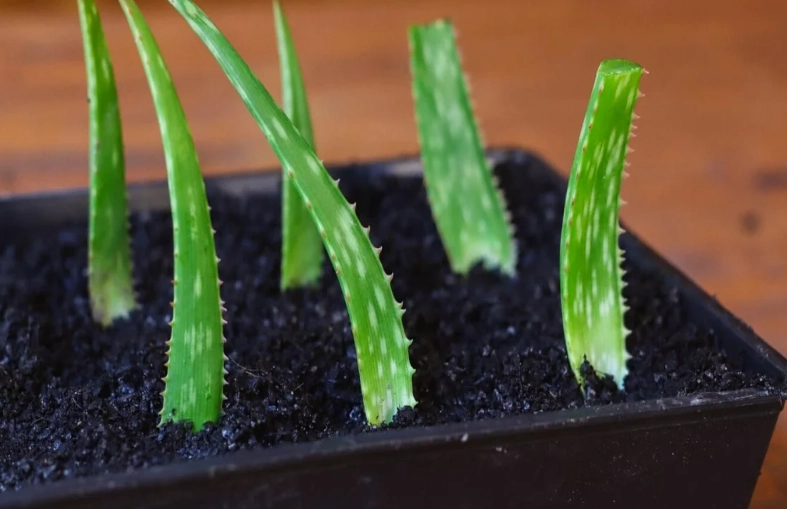
I remember my first attempt. I had this big, proud mama plant that started sprouting little babies around its base. I was thrilled, but also clueless. I just yanked one out and stuck it in some dirt. It... did not go well. The poor thing rotted within a week. A total beginner's mistake, and one I see all the time.
That's why I'm writing this. Not as a botanical professor, but as someone who's killed a few plants to figure it out. This guide is the one I wish I had. We're going to move past the basic "just stick it in soil" advice and get into the nitty-gritty of how to actually succeed. Whether you're staring at a cluster of "pups" or wondering if you can grow a new plant from a single leaf, we've got it covered.
Why Bother Propagating Your Own Aloe?
Before we get our hands dirty, let's talk about the "why." Sure, you can buy a new aloe plant for a few bucks. But propagation? It's a different game entirely.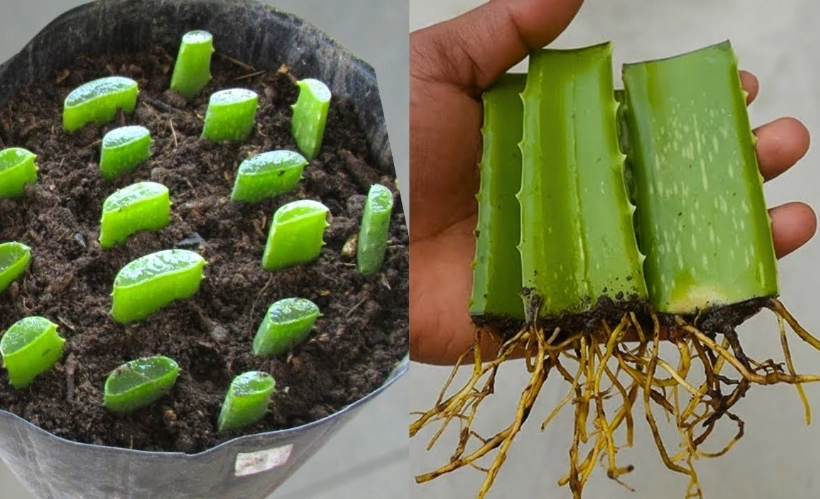
First, it's incredibly satisfying. There's a unique pride in nurturing a new plant from your existing one. It feels like a real gardening win. Second, it's the ultimate in sustainability. You're creating new life from what you already have, no waste, no packaging. And third, aloe vera plants make fantastic, thoughtful gifts. A home-propagated plant in a nice pot? Way better than a store-bought card.
But the biggest reason for mastering aloe vera propagation is control. You know exactly how your new plant has been raised, and you can ensure it's healthy from day one. No pests, no weird chemicals, just a clean start.
Meet the Players: Understanding Aloe Vera "Pups"
This is where most people start, and for good reason. It's the plant's natural way of reproducing. Those little offshoots are called pups, offsets, or babies. They're genetic clones of the mother plant, growing from her root system or stem.
Think of the mother plant as a hub. She sends out runners (like strawberries do) or simply sprouts new growth points from her base. These pups start out relying completely on mom for water and nutrients. Your job in propagating aloe vera from pups is to carefully graduate them to independence.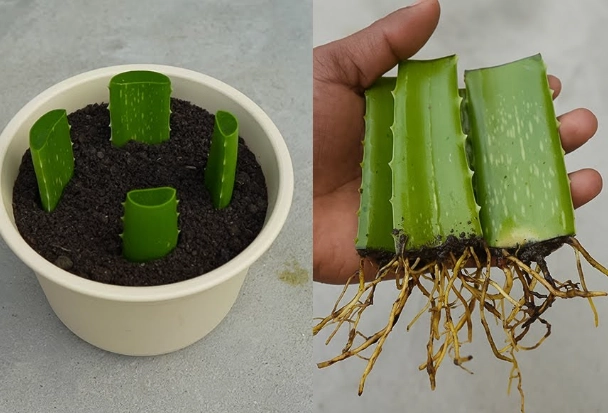
The Step-by-Step Pup Separation Method
This is the most reliable method of aloe vera plant propagation, with a success rate I'd put at over 95% if done correctly. Here’s how to do it without stressing the plants (or yourself).
- Water First: A day or two before you plan to separate, give the mother plant a good drink. Hydrated roots are more flexible and less likely to snap.
- Gently Uproot Everyone: Carefully tip the entire pot on its side. Support the base of the mother plant's leaves and gently ease the whole root ball out. Don't just pull on the pups! You need to see what's going on underground.
- The Investigation: Now, with the root ball exposed, you can see how the pup is attached. Sometimes it's by a thick, rhizome-like stem. Sometimes it has its own little root system already started. Gently brush away soil to get a clear view.
- The Separation: This is the crucial moment. If the pup has its own roots, you can often gently wiggle it free with your fingers. If it's connected by a stem, use a clean, sharp knife. I disinfect an old paring knife with rubbing alcohol. Make a clean cut, trying to leave some roots attached to the pup if possible. If you have to choose, it's better for the pup to have roots than the mother.
- The Callus: Here's the step everyone misses, and it's why my first pup rotted. DO NOT plant it right away. You must let the cut end dry out and form a callus. Place the pup in a dry, shaded spot for 2-3 days. The wound should look dry and sealed, not wet or juicy.
- Potting Up: Only now do you plant. Use a well-draining succulent or cactus mix. You can make your own by mixing regular potting soil with perlite or coarse sand (a 50/50 mix works great). Plant the pup so the base of its leaves is just above the soil line. Don't bury it deep.
- The First Water: Wait. Seriously. Wait another 3-5 days after potting before you give it its first light watering. This encourages the pup to send out new roots in search of moisture.
The Other Path: Can You Propagate Aloe from a Leaf Cutting?
This is the big question. You see it all over the internet: "Grow aloe from a leaf!" It sounds so simple. Snap off a leaf, stick it in soil, and boom—new plant.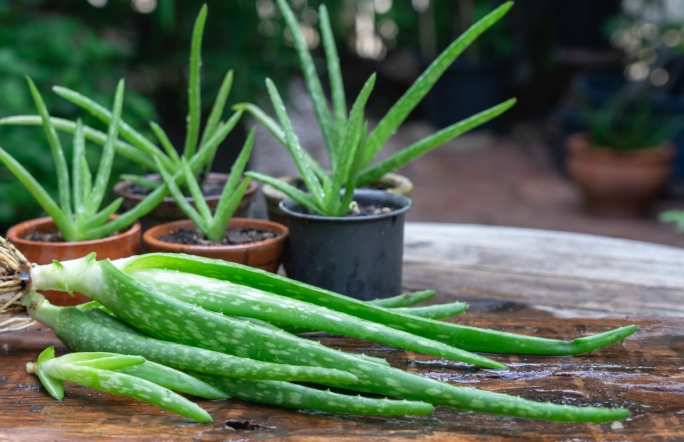
I'm going to be straight with you. It's not that simple. In fact, it's the most challenging method of aloe vera propagation and has a pretty high failure rate. Why? Unlike some succulents, an aloe vera leaf lacks the meristematic cells (the plant's version of stem cells) concentrated in a specific growth point. The leaf wants to heal, not necessarily create a whole new plant.
But it's not impossible. It just requires more precision and a lot more patience.
How to (Maybe) Succeed with a Leaf Cutting
If you want to try—maybe you have a broken leaf or you're just curious—here's the best shot method.
- Choose the Right Leaf: Pick a healthy, thick, outer leaf from the mother plant. Use a clean, sharp knife to make a clean cut as close to the stem as possible. A clean cut heals better than a ragged tear.
- The Long Callus: This is even more critical than with pups. Place the leaf cut-side-up in a dry, warm, shaded place. Forget about it for 1-2 weeks. The cut end needs to form a thick, leathery callus over the entire surface. If you see any wet, gel-like spots, it's not ready.
- Setting it Up: Do NOT stick the leaf in soil. Instead, lay it horizontally on top of well-draining succulent mix. You can barely nestle the callused end into the top of the soil, but don't bury it.
- The Waiting Game: Place it in bright, indirect light. Do not water. For weeks. You're waiting for two things: first, for roots to emerge from the callus, and second, for a tiny new pup to sprout from the base of the leaf near the cut. This can take a month or two. Maybe more.
- When Something Happens: If you see roots AND a tiny pup, you can start to *very lightly* mist the soil near the roots once a week. Only when the original leaf starts to wither and the new pup is clearly growing do you treat it like a normal plant.
Head-to-Head: Propagation Method Showdown
Let's make this crystal clear. Here’s a breakdown of the two main methods of aloe vera propagation.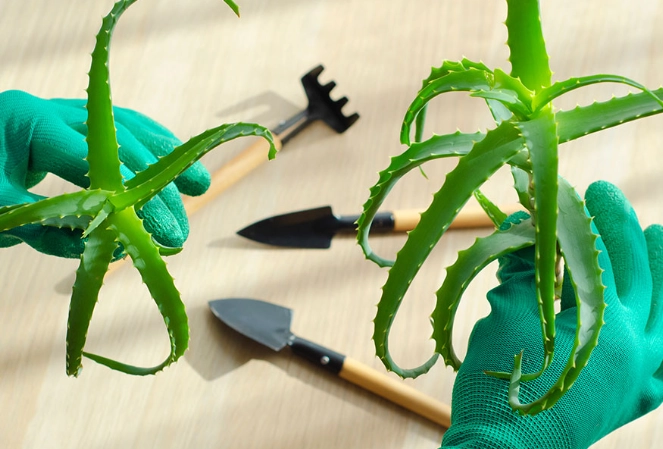
| Method | Success Rate | Time to New Plant | Skill Level | Best For... |
|---|---|---|---|---|
| Separating Pups/Offsets | Very High (90-95%) | Fast (Established plant in weeks) | Beginner to Intermediate | Anyone with a mature aloe plant. The go-to method. |
| Leaf Cutting | Low to Moderate (30-40%) | Very Slow (Several months) | Patient Experienced Gardener | Experimentation, using accidentally broken leaves. |
| Growing from Seed | Moderate (if seeds are viable) | Extremely Slow (Years to maturity) | Advanced / Enthusiast | Hybridizers or those seeking genetic variety. |
See what I mean? Unless you're a masochist or a scientist, stick with the pups.
The Aftercare: Don't Lose Your New Plant Now
Okay, you've successfully separated a pup and potted it. The hard part is over, but the next few weeks are crucial. This is where you set it up for a long, healthy life.
The Golden Rules for Newly Propagated Aloe
- Light: Bright, indirect light is perfect. No direct, scorching afternoon sun for the first few weeks. Their root systems can't support heavy water loss from intense sun yet. A bright windowsill with a sheer curtain is ideal.
- Watering: This is the killer. The mantra for young, propagated aloe is **"When in doubt, wait it out."** Water only when the soil is completely dry, all the way through the pot. Then give it a thorough soak until water runs out the drainage hole. Then ignore it again until bone dry. In winter, this might mean watering once a month or less.
- Soil & Pot: I can't stress drainage enough. That pot must have a hole. Terracotta pots are fantastic because they wick away extra moisture. As for soil, a gritty mix is non-negotiable. A great resource for understanding succulent soil needs is the University of Florida's IFAS Extension page on succulent care. They emphasize drainage as the #1 priority, which aligns perfectly with aloe vera propagation success.
- No Fertilizer: Don't even think about it for the first 6 months. The new plant needs to focus on roots, not leaves. Fertilizer can burn tender new roots and cause more harm than good.
Top Troubleshooting: Why Is My Propagated Aloe Dying?
Things looking sad? Let's diagnose the most common post-propagation problems.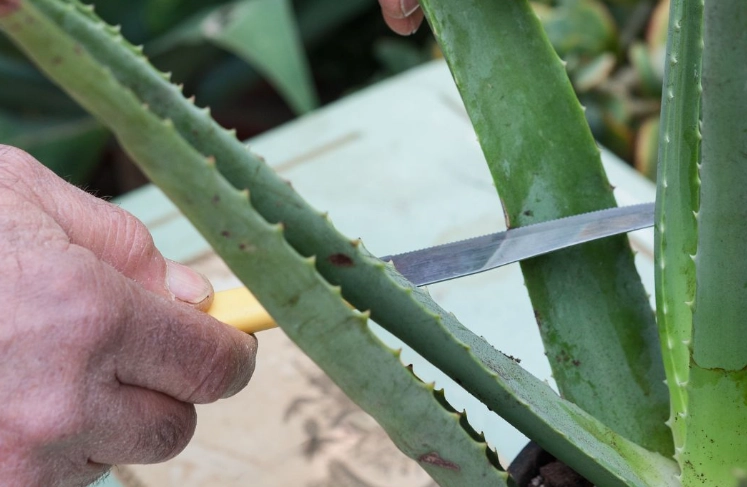
Problem: The leaves are turning brown, mushy, and translucent.
Diagnosis: Classic overwatering/rot. The roots are suffocating and dying.
Solution: Stop watering immediately. If the stem is still firm, you might save it by taking it out of the wet soil, cutting away any black/mushy roots, letting it callus again for a few days, and repotting in fresh, dry mix. If the rot has traveled up the stem, it might be a goner.
Problem: The leaves are thin, curling inward, and turning a dull red or brown.
Diagnosis: Underwatering and/or too much direct sun.
Solution: Give it a deep, thorough drink. If the soil is bone dry and pulling away from the edges of the pot, it's thirsty. Also, consider moving it to a spot with slightly less intense light.
Problem: The pup is just sitting there, not growing at all, for months.
Diagnosis: This is usually a root issue. It either didn't develop a good root system during separation, or it's in a pot that's too large (so the soil stays wet too long, stunting root growth).
Solution: Gently check the roots. If they look sparse, make sure you're following the watering cycle to encourage root growth. Consider downsizing the pot to one just slightly larger than the root ball.
Your Aloe Propagation FAQs, Answered
Final Thoughts: Keep It Simple
After all this, my core advice is this: don't overcomplicate aloe vera propagation. The plant wants to make babies. Your main job is to not get in the way with too much help (usually in the form of water).
Start with pup separation. Master that. Get a feel for the callusing, the gritty soil, the patient watering. Once you've successfully raised a few pups to adulthood, then maybe, just for fun, try the leaf method with a broken piece. See what happens.
And more aloe plants mean more gel for scrapes, more greenery for your space, and more gifts for your friends. It's a simple, rewarding cycle that starts with one confident cut and a little bit of patience. Now go check your aloe—chances are, it's already trying to tell you it's ready to multiply.