The Right Way to Trim Butterfly Bushes for More Blooms
Getting started
Your Pruning Quick Guide
- Why You Absolutely Need to Prune Your Butterfly Bush
- The Golden Rule: When to Trim Butterfly Bushes
- Gearing Up: The Right Tools for the Job
- The Step-by-Step Guide: How to Trim Butterfly Bushes the Right Way
- Special Cases & Tricky Situations
- What to Do After You Prune
- Common Pruning Mistakes (And How to Avoid Them)
- Answering Your Butterfly Bush Pruning Questions
Let's be honest. The butterfly bush (Buddleia davidii) is a bit of a garden diva. Give it sun and decent soil, and it'll reward you with these incredible, fragrant cones of flowers that butterflies, bees, and hummingbirds go absolutely nuts for. But leave it to its own devices for a few years? You'll end up with a tangled, woody mess that flowers mostly at the top, looking leggy and sad. That's where knowing how to trim butterfly bushes comes in. It's not rocket science, but doing it the wrong way or at the wrong time can mean a whole season without those gorgeous blooms.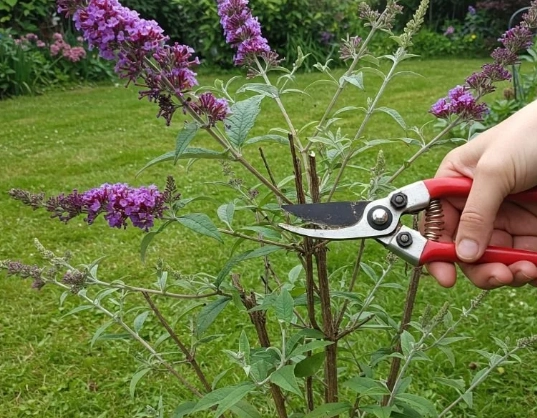
I learned this the hard way. My first butterfly bush, a gorgeous 'Black Knight', I treated like a delicate rose. I gave it a timid little haircut, scared to hurt it. The result was a spindly plant with fewer flowers than the year before. It was a classic case of being too gentle. Pruning, for these vigorous growers, is an act of encouragement, not punishment.
This guide is everything I wish I'd known back then. We'll ditch the jargon and get into the real, practical steps of pruning, from the why and the when to the exactly how. Whether you're facing a young shrub or a giant, overgrown beast, we'll cover it.
Why You Absolutely Need to Prune Your Butterfly Bush
You might think you're doing the plant a favor by letting it grow wild. For a butterfly bush, that's not really the case. Pruning is non-negotiable for a few key reasons.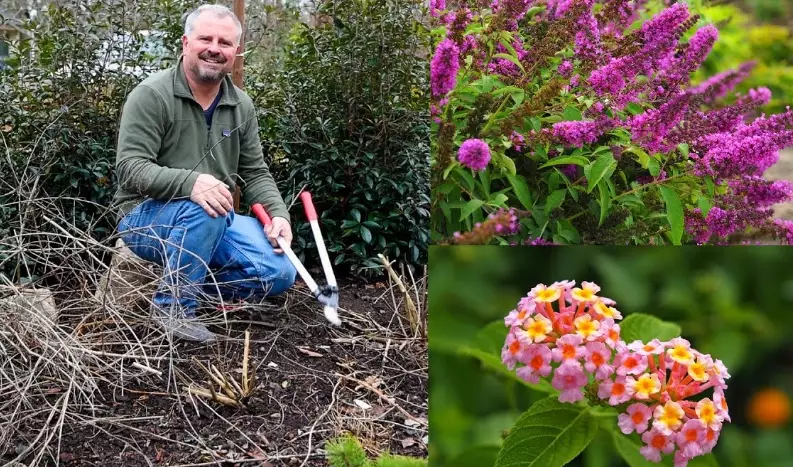
First, and most importantly, flowers happen on new wood. Butterfly bushes bloom on the new growth they produce in the current season. If you don't cut back the old stems, the plant puts its energy into maintaining that old, woody framework instead of producing loads of fresh, flowering shoots. You get a tall plant with flowers way up high where you can't enjoy them.
Second, it controls size and shape. Some varieties can hit 8-10 feet tall and just as wide if left alone. Pruning keeps them at a manageable size for your garden space. It also encourages a bushier, fuller habit from the base, which looks infinitely better than a few tall, scraggly stems.
Third, it improves plant health. Cutting out dead, diseased, or crossing branches improves air circulation through the center of the plant. This reduces the risk of fungal diseases like powdery mildew, which these plants can be somewhat prone to in humid conditions. It also lets more sunlight into the base, encouraging strong new growth.
Think of it like this: a good, hard prune in early spring is like hitting the reset button for your butterfly bush. It tells the plant, "Okay, last year's show is over. Let's start fresh and put on an even better one this year."
The Golden Rule: When to Trim Butterfly Bushes
Timing is everything. Get this wrong, and you might cut off all the flower buds. The simple rule that works for almost all climates is: prune in late winter or early spring.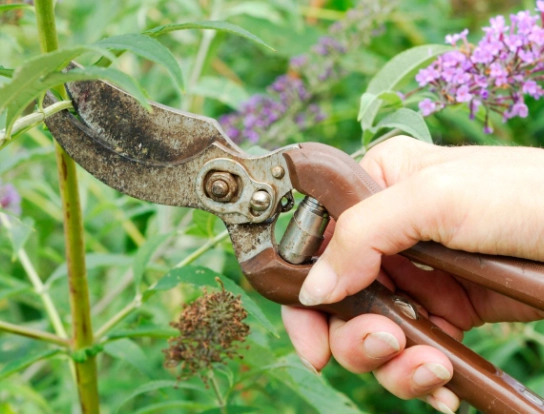
Why then? The plant is still dormant, or just beginning to wake up. It hasn't yet invested energy in putting out new leaves or flower buds on the old wood. Also, the threat of a hard freeze has usually passed (or is passing), so the tender new growth that will emerge after pruning won't get zapped. I wait until I see the very first tiny green leaf buds starting to swell on the old stems. That's my green light.
What about deadheading during the summer? That's different! Deadheading—snipping off the spent flower clusters—is highly recommended. It encourages the plant to produce more flower spikes instead of putting energy into making seeds. You can do this all summer long. It's a light maintenance task, not the major annual prune.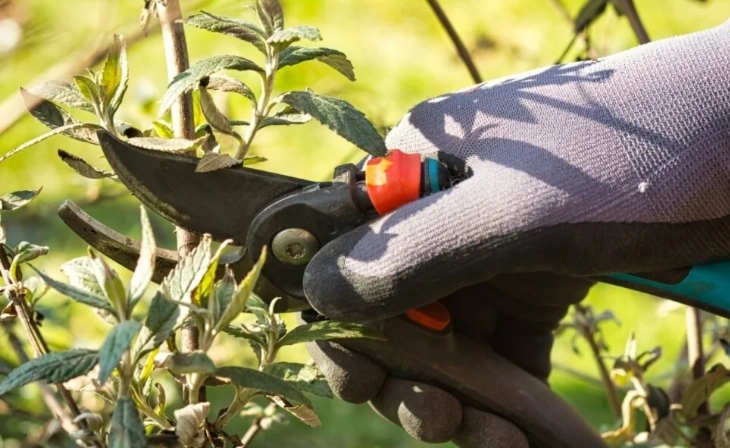
A Quick Note on Climate Variations
If you live in a very mild winter climate (USDA zones 8-10), you might prune a bit earlier, in mid-to-late winter. In colder climates (zones 5-7), hold off until you're confident the worst of the freeze is over—often early to mid-spring. The USDA Plant Hardiness Zone Map is a great resource to understand your local conditions. For specific regional pruning advice, your local university cooperative extension service is an unbeatable, science-based resource.
Gearing Up: The Right Tools for the Job
You don't need a shed full of fancy gear, but using the right tool makes the job easier and is much healthier for the plant. A clean, sharp cut heals faster and is less susceptible to disease.
| Tool | Best For | Pro Tips & My Preference |
|---|---|---|
| Bypass Hand Pruners (Secateurs) | Most of the work! Stems up to about 3/4 inch thick. | Bypass (scissor-action) are better than anvil style for live wood; they make a cleaner cut. I'm loyal to my Felco #2 pruners—they're pricey but last forever. |
| Loppers | Thicker stems, from 3/4 inch up to about 1.5 inches. Gives you leverage. | Get ones with extendable handles if you have a large, mature bush. The extra reach saves your back. |
| Pruning Saw | Any old, thick, woody stems over 1.5 inches that loppers can't handle. | A small, curved hand saw is perfect. Look for one with tri-cut or razor teeth for fast, smooth cutting. |
| Gloves | Protecting your hands. | Don't skip these. Butterfly bush stems can be rough, and you'll be handling a lot of debris. Leather or sturdy synthetic is best. |
Before you start, wipe down your pruner blades with rubbing alcohol or a disinfectant spray. This prevents spreading any disease from other plants you've pruned. Do it again when you're finished. Sharpening your blades once a season is also a game-changer—it makes pruning feel like slicing through butter instead of crushing stems.
The Step-by-Step Guide: How to Trim Butterfly Bushes the Right Way
Okay, it's a crisp early spring day. Your tools are clean and sharp. The bush looks like a collection of dead sticks. Let's do this.
Step 1: The Assessment & Clean-Out
Don't just start hacking. Take a walk around the bush. Look for obvious dead stems (they'll be gray, brittle, and have no plump buds). Look for stems that are rubbing against each other or growing back into the center of the plant. Your first job is to remove this material. Cut these stems all the way back to the base, right at ground level. This opens up the plant and lets you see what you're working with.
Step 2: The Major Cut-Back
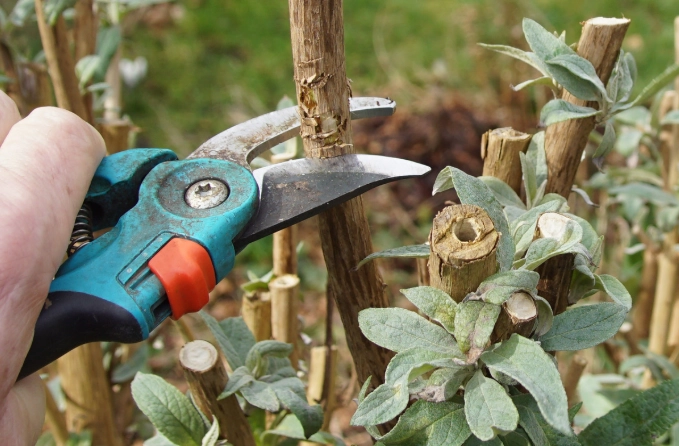
This is the core of how to trim butterfly bushes. For almost all mature bushes, you're going to cut the remaining healthy stems down to between 12 and 24 inches from the ground. Yes, it feels drastic. Trust the process.
Here's my method: Find a pair of healthy, outward-facing buds on a stem. They look like little bumps or slightly swollen areas. Make your cut about 1/4 inch above those buds, at a slight angle so water runs off the cut, not into the bud. The angle isn't as critical as the sharpness and location of the cut. Cutting just above a bud directs the new growth outward, maintaining an open shape.
What if your bush is young or newly planted? For a first-year bush, you can be a little less aggressive. Maybe cut back by half to encourage branching. But by its second year, it's ready for the full treatment.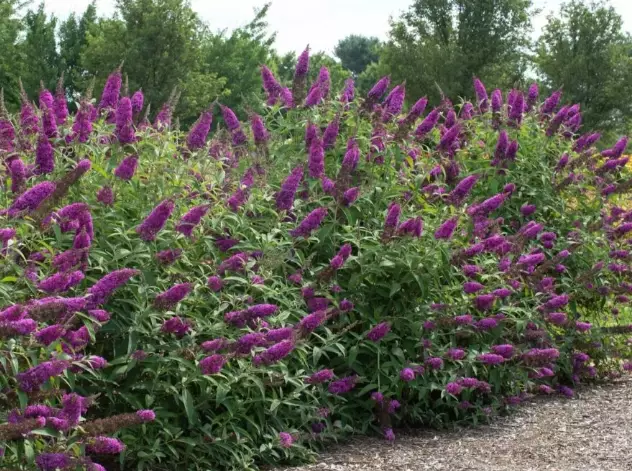
Step 3: Shaping & Final Touches
Once all stems are cut back, step back again. Is the shape roughly even? It doesn't need to be a perfect ball, but you don't want one stem shooting up 6 feet higher than the rest. Make any final adjustments to even out the overall shape. Your goal is a balanced, open framework of short, stubby stems.
And you're done.
It will look like you've murdered your plant. A bunch of short sticks poking out of the ground. This is normal. In a few weeks, you'll see those buds you left start to swell and burst into green, and soon after, vigorous new shoots will emerge, ready to give you an incredible summer display.
Special Cases & Tricky Situations
Not every butterfly bush is a textbook case. Here's how to handle the oddballs.
What to Do After You Prune
Post-prune care is simple but helpful.
- Clean Up: Rake up and dispose of all the cuttings. This removes potential hiding spots for pests and disease spores.
- Feed It: After pruning is a great time to give your bush a boost. Apply a balanced, slow-release granular fertilizer (like a 10-10-10) around the base of the plant, following package rates. A top-dressing of compost or well-rotted manure works wonderfully too. It provides nutrients and improves soil structure.
- Mulch: Apply a 2-3 inch layer of mulch (shredded bark, wood chips) around the base, keeping it a few inches away from the stems themselves. This conserves moisture, suppresses weeds, and keeps the roots cool as summer heats up.
- Water: If spring is dry, give your newly pruned bush a good, deep watering to help kickstart that new growth.
Common Pruning Mistakes (And How to Avoid Them)
Let's look at the classic blunders. I've made a few of these myself.
- The "Timid Trim": Just snipping off the tips of the branches. This leads to weak, top-heavy growth and fewer flowers. Solution: Be brave. Cut low.
- Fall Pruning: We covered this. It's bad. Solution: Put the pruners away after summer deadheading.
- Using Dull or Dirty Tools: This tears stems and invites disease. Solution: Clean and sharpen. It takes two minutes.
- Cutting Too Far Above a Bud: Leaving a long "stub" above a bud. This stub will die back and can become an entry point for rot. Solution: Make that cut nice and close, about 1/4 inch above.
- Not Pruning at All: The biggest mistake of all. The plant will become leggy, less floriferous, and potentially unhealthy. Solution: Just do it.
Answering Your Butterfly Bush Pruning Questions
Here are some specific questions that pop up all the time when gardeners are figuring out how to trim butterfly bushes.
Pruning isn't just about control.
It's a conversation with your plant. You're guiding its energy, asking it to be its best, most beautiful self. When you see that first Monarch butterfly land on a fresh, fragrant bloom spike on the sturdy, well-pruned bush you shaped with your own hands, you'll know it was worth the effort. So grab those pruners, head outside, and give your butterfly bush the fresh start it's waiting for.