Complete Angel Trumpet Care Guide: Grow Brugmansia Successfully
Getting started
Your Angel Trumpet Care Map
- What Exactly Is an Angel Trumpet?
- The Core Pillars of Angel Trumpet Care
- Pruning and Shaping Your Angel Trumpet
- The Big Challenge: Overwintering Your Angel Trumpet
- Pests and Problems: What to Watch For
- Propagation: Making More Angel Trumpets
- Angel Trumpet Care FAQ: Your Questions, Answered
- Putting It All Together: A Seasonal Angel Trumpet Care Checklist
Let's be honest. You probably saw a picture of an angel trumpet, those breathtaking, pendulous flowers that look like something from a fairy tale, and thought, "I need that in my life." Then you got one. And now you're staring at it, maybe a bit worried, wondering if you're about to kill this gorgeous, slightly intimidating plant. Sound familiar? I've been there too. My first Brugmansia (that's the fancy botanical name) was a gift, and I nearly drowned it with love (read: overwatering) within the first month.
Good news: angel trumpet care isn't rocket science. But it does require paying attention to a few specific things. They're not your average petunia. Get these right, and you'll be rewarded with a plant that pumps out dozens of those incredible, fragrant blooms all season long. Get them wrong, and well... let's just say I've learned from my mistakes so you don't have to.
This guide is everything I wish I'd known when I started. We're going to ditch the confusing jargon and talk about real angel trumpet care—what these plants actually need to thrive, not just survive.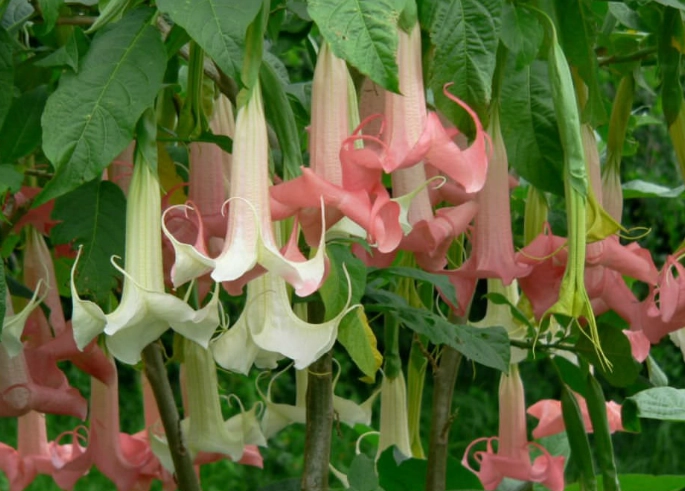
What Exactly Is an Angel Trumpet?
Before we dive into the nitty-gritty of care, let's get our plant straight. Angel trumpet refers to plants in the genus Brugmansia. They're native to South America and are woody shrubs or small trees. They're often confused with their cousin, Datura (devil's trumpet), which has upward-facing flowers. Brugmansia flowers hang down like elegant bells.
They come in stunning colors: white, yellow, peach, pink, and even orange. The fragrance is their real party trick—intensely sweet, especially in the evening, designed to attract pollinating moths. It's intoxicating in the best way. But here's the first big, non-negotiable point of angel trumpet care.
I know, it's a bit of a buzzkill to start with that. But it's the most important thing. Now, with that firmly in mind, let's talk about how to make your plant happy and safe.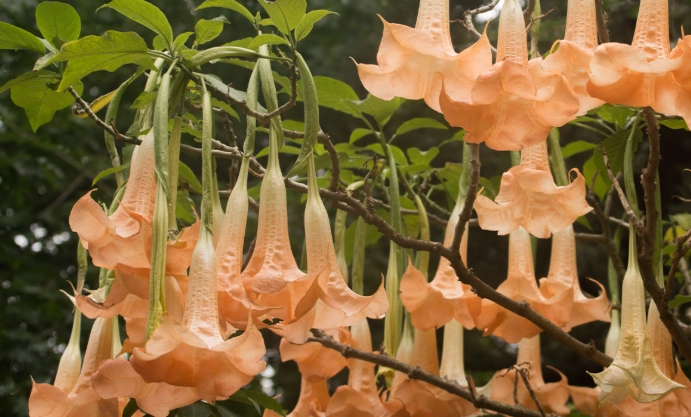
The Core Pillars of Angel Trumpet Care
Think of these as the non-negotiables. If you nail these four things, 90% of your problems will disappear.
Sunlight: They're Total Sun Worshippers
Angel trumpets need a lot of light to bloom. I mean, a serious amount. In their native habitat, they grow in sunny, open areas. For the best flower production, aim for full sun, meaning at least 6-8 hours of direct sunlight daily.
Can they tolerate partial shade? Yes, especially in blisteringly hot climates (think USDA zone 10+), where afternoon shade can prevent leaf scorch. But here's the trade-off: less sun equals fewer blooms. It's that simple. My plant in a spot that gets morning sun and afternoon shade grows lush, green leaves but is downright stingy with flowers compared to the one baking in the all-day sun.
If you're growing indoors, a south-facing window is your best bet. East or west might work, but growth will be slower and leggier. North? Forget about it.
Watering: The Goldilocks Zone
This is where most people, including past me, mess up. Angel trumpets are thirsty plants, but they hate soggy feet. Their roots need oxygen, and waterlogged soil will suffocate them, leading to root rot—a fast killer.
During the active growing season (spring and summer), water deeply and regularly. The goal is to keep the soil consistently moist but not waterlogged. For a large plant in a pot on a hot day, this might mean daily watering. For one in the ground, it might be every other day.
How do you know? Stick your finger into the soil. If the top 1-2 inches feel dry, it's time to water. Water until you see it running freely out of the drainage holes for potted plants. For in-ground plants, give it a long, slow soak.
In winter, when growth slows or stops (dormancy), you need to drastically reduce watering. Let the soil dry out more between waterings. A dormant plant in a cool garage might only need a sip every few weeks to keep the roots from completely desiccating.
Overwatering is a silent killer. Underwatering makes them wilt dramatically, but they often bounce back quickly with a good drink.
Soil and Fertilizer: The Food and Foundation
Angel trumpets are heavy feeders. They're putting out massive, fast growth and huge flowers. That takes a lot of energy. The right soil and feeding schedule are crucial parts of effective angel trumpet care.
Soil: They need rich, well-draining soil. A good quality potting mix with some added compost is perfect. You can mix in some perlite or coarse sand to improve drainage. The pH should be slightly acidic to neutral (6.0-7.0).
Fertilizer: This is key for blooms. You want a fertilizer that promotes flowering. Look for one with a higher phosphorus (the middle number) content. A formula like 15-30-15 or 10-20-10 is great. Alternatively, a balanced fertilizer (like 20-20-20) works, but you might get more leaves than flowers.
During peak growth (spring to early fall), feed your plant every 1-2 weeks with a water-soluble fertilizer. I switch to a bloom-booster formula once I see the first flower buds forming. In winter, stop fertilizing entirely.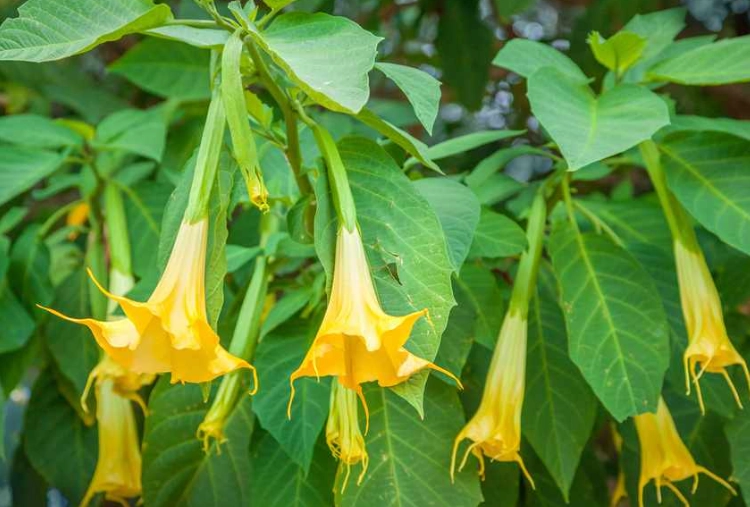
Temperature: They Hate the Cold
Brugmansias are tropical to subtropical plants. They thrive in warmth. The ideal temperature range is between 60°F (15°C) and 85°F (29°C). They can handle brief dips a little below 50°F (10°C), but frost is a death sentence. A single hard freeze will kill the above-ground growth, and if the roots freeze, the plant is a goner.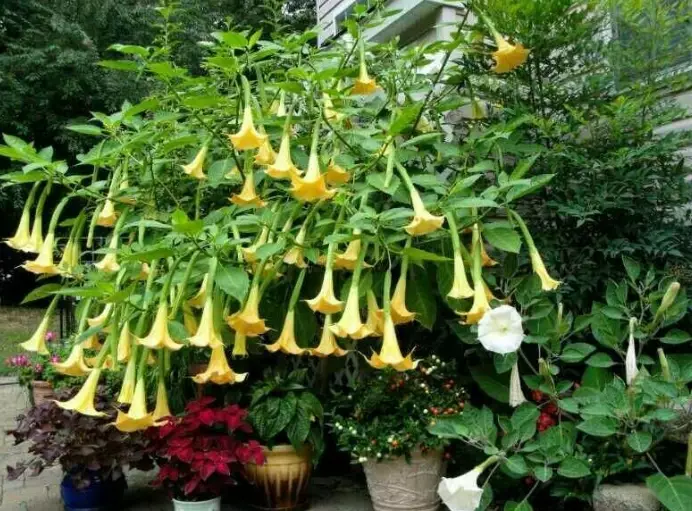
This is the single biggest challenge for gardeners outside of USDA zones 9-11. But don't worry, we'll cover winter strategies in detail later.
Pruning and Shaping Your Angel Trumpet
Pruning isn't just about keeping your plant tidy; it's a vital tool for health and flower production. Angel trumpets bloom on new growth. Pruning encourages bushier growth, which means more branches, which means more places for flowers to form.
When to Prune: The best time is in late winter or very early spring, just before new growth starts. You can also do light pruning and deadheading (removing spent flowers) throughout the season.
How to Prune:
- For Size Control: Simply cut back the branches to your desired height. Don't be shy—they can handle a hard prune. Make your cuts just above a "Y" in the branch (a node).
- For Shape: To encourage a bushier, tree-like form, identify a few strong main trunks and prune away lower, spindly side shoots. Tip-prune the ends of branches to promote branching.
- Deadheading: Snip off the old, wilted flower. Follow the flower stem back to the point where it meets a main stem or a leaf node and cut there. This encourages the plant to produce more flowers instead of putting energy into seed pods.
Always use clean, sharp pruning shears. And remember, wear gloves and wash up afterward because of the sap's toxicity.
The Big Challenge: Overwintering Your Angel Trumpet
If you live where winters are cold, this is the most critical part of angel trumpet care. You have a few options, depending on your space and the plant's size.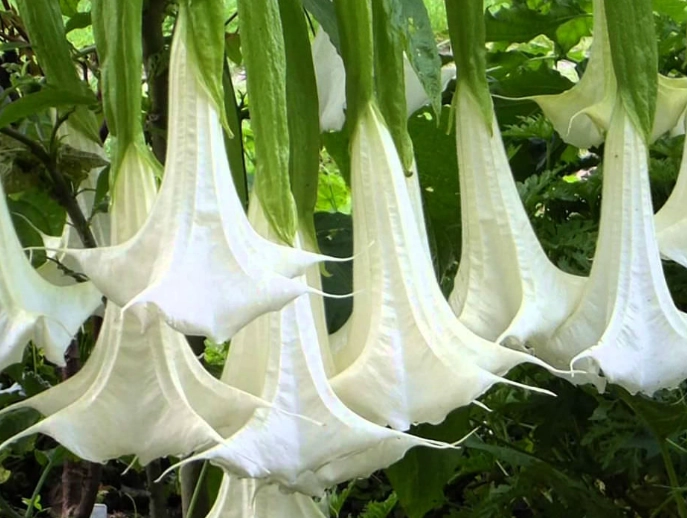
| Method | Best For | How-To | Pros & Cons |
|---|---|---|---|
| Dormant Storage | Large, in-ground plants; gardeners with limited indoor light (garage, basement). | 1. After first light frost, prune plant back to main trunks (1-2 ft tall). 2. Carefully dig up root ball (or bring pot inside). 3. Place in a cool (40-50°F), dark place (garage, basement). 4. Water sparingly (once a month) to prevent roots from drying out completely. 5. In spring, repot/plant, water, and move to warmth/light. | Pros: Saves space, plant is truly resting. Cons: Requires a suitable cool space; plant looks "dead" all winter. |
| Overwintering as a Houseplant | Smaller, potted plants; gardeners with bright indoor space. | 1. Bring pot indoors before first frost. 2. Place in the sunniest window possible (south-facing). 3. Reduce watering and stop fertilizing. 4. Expect some leaf drop due to lower light/humidity. 5. It may grow slowly or go semi-dormant. | Pros: You get to keep the greenery. Cons: Requires significant bright light; often becomes leggy; pests (spider mites, whiteflies) can be an issue indoors. |
| Taking Cuttings | Insurance policy; when the main plant is too large to move. | 1. In late summer, take 6-8 inch stem cuttings. 2. Root them in water or moist potting mix. 3. Overwinter the small, young plants on a sunny windowsill. 4. If the main plant dies, you have a clone ready for spring. | Pros: Saves genetics with minimal space. Cons: You start with a small plant next year. |
I use the dormant storage method for my big guys. It feels wrong putting a lush plant into a dark garage, but every spring, without fail, little green buds swell on those bare sticks. It's a miracle every time.
Pests and Problems: What to Watch For
No plant is immune. Here are the usual suspects in angel trumpet care and how to deal with them organically where possible.
- Spider Mites: Tiny pests that suck sap, causing stippled, yellow leaves and fine webbing. They love hot, dry conditions. Fix: Blast leaves with a strong jet of water regularly. For infestations, use insecticidal soap or neem oil, making sure to spray the undersides of leaves.
- Whiteflies: Small, white, moth-like insects that swarm when disturbed. They also suck sap. Fix: Yellow sticky traps work well. Insecticidal soap or neem oil sprays are effective.
- Aphids: Usually found on new, tender growth. Fix: A strong spray of water knocks them off. Ladybugs are their natural predator.
- Leaf Drop: Can be caused by overwatering, underwatering, a sudden change in location/temperature, or low light (indoors). It's a stress response. Fix: Identify and correct the underlying cause. The plant will usually regrow leaves once conditions stabilize.
- Yellowing Leaves: Older leaves yellowing and falling is normal. Widespread yellowing can indicate overwatering (most common), nutrient deficiency (especially nitrogen), or poor drainage. Fix: Check your watering habits first.
The key is regular inspection. Catching pests early makes control much easier.
Propagation: Making More Angel Trumpets
It's surprisingly easy. The most reliable method is from stem cuttings.
- In spring or summer, take a cutting from a healthy, semi-woody (not too soft, not too hard) branch, about 6-10 inches long.
- Remove the lower leaves, leaving a few at the top.
- You can dip the cut end in rooting hormone (not necessary but helps).
- Place the cutting in a glass of water or directly into a pot of moist, well-draining potting mix.
- If in water, change it every few days. Roots should appear in 2-4 weeks. Once they're a few inches long, pot it up.
- If in soil, keep it moist and in a warm, bright spot (out of direct sun). A plastic bag over the pot can create a humid mini-greenhouse.
That's it. Soon you'll have more angel trumpets than you know what to do with. They make great gifts (with a clear toxicity warning, of course).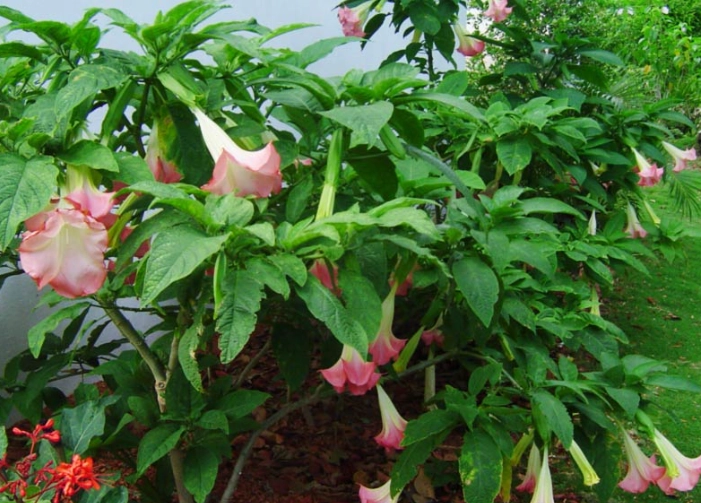
Angel Trumpet Care FAQ: Your Questions, Answered
Here are the questions I get asked most often, the ones that keep gardeners up at night.
Why is my angel trumpet not blooming?
This is the #1 question. The culprits are usually, in order of likelihood: 1) Not enough sun. This is the biggest reason. Move it to a sunnier spot. 2) Too much nitrogen. You're feeding it like a leafy vegetable. Switch to a bloom-booster fertilizer. 3) The plant is too young or small. They often need to reach a certain size/maturity before they flower profusely. 4) Improper pruning. If you pruned at the wrong time (late summer/fall), you might have cut off the buds for next year.
Can I grow angel trumpet indoors year-round?
You can try, but it's challenging. They need intense light indoors—a very bright south-facing window or, ideally, a grow light. They also tend to get leggy and attract pests indoors. Most people have better success letting them go dormant or keeping them as seasonal houseplants.
How fast do they grow?
Incredibly fast with the right care. A small cutting can become a 6-foot shrub in a single growing season. Their growth rate is one of the most satisfying things about them.
Are they poisonous to touch?
The sap can cause skin irritation for some people, and touching your eyes after handling the plant is a bad idea. It's the ingestion that is severely toxic. Wearing gloves while pruning is a simple, smart precaution. For more detailed information on plant toxicity, resources like the ASPCA Animal Poison Control Center or the Poison Control website are authoritative references, though Brugmansia is primarily a human health concern.
What's the difference between Brugmansia and Datura?
Great question. They're in the same plant family (Solanaceae) and are both toxic. Brugmansia (Angel Trumpet) is a woody perennial/shrub with hanging, trumpet-shaped flowers. Datura (Devil's Trumpet, Jimsonweed) is usually an herbaceous annual with upward-facing or sideways-facing trumpet flowers and spiny seed pods. Datura often grows as a weed.
Putting It All Together: A Seasonal Angel Trumpet Care Checklist
Let's simplify. Here’s a quick month-by-month guide to keep you on track.
- Spring (Awakening/Growth): Bring out of dormancy. Repot if needed. Prune for shape. Begin regular watering and start fertilizing with a balanced feed. Move to full sun gradually.
- Summer (Peak Bloom): Water deeply and frequently. Fertilize every 1-2 weeks with a bloom-booster. Deadhead spent flowers. Watch for pests. Enjoy the show!
- Fall (Preparing for Rest): Begin to reduce fertilizer. In cold climates, take cuttings for insurance. Plan your overwintering strategy. Before first frost, move pots indoors or prepare for digging up.
- Winter (Rest/Dormancy): For dormant plants: store in cool, dark place, water minimally. For houseplants: provide max light, reduce watering, monitor for pests. No fertilizer.
Mastering angel trumpet care is really about understanding its rhythm—its explosive hunger for sun, food, and water in the summer, and its need for a deep, quiet rest in the winter. Respect that cycle, handle it with the caution its toxicity demands, and you'll have a garden centerpiece that is the envy of the neighborhood.
It's not a plant for the forgetful gardener, but for someone willing to pay a little attention, the payoff is absolutely worth it. That moment on a summer evening when the scent of a dozen huge, white blooms washes over you—that’s the magic you're working for.
Now go check your plant's soil. Is it dry? Give it a drink. Is it in the shade? Find it a sunnier home. Start there. You've got this.