How to Care for Aloe Vera Plant: The Ultimate Guide for Thriving Succulents
Popular plants
Your Aloe Care Roadmap
- Where Your Aloe Vera Comes From: The Key to Everything
- The Non-Negotiables: Light, Water, and Soil
- The Practical Stuff: Repotting, Feeding, and Making More Plants
- Solving Problems: What's Wrong With My Aloe?
- Beyond Survival: Using Your Aloe Vera
- Seasonal Care Quick Checklist
- Final Thoughts: It's a Partnership
So you've brought home an aloe vera plant. Maybe it was a gift, or perhaps you picked it up thinking, "How hard can it be?" It looks sturdy, right? Those thick, fleshy leaves practically scream toughness. I thought the same thing when I got my first one. I figured it was the perfect "set it and forget it" plant for my not-so-sunny apartment. Big mistake. Within months, it turned into a sad, mushy, brownish mess. I had committed the classic rookie error: too much love, in the form of water.
That experience taught me a brutal but valuable lesson. Knowing how to care for aloe vera plant isn't about following a single rigid rule. It's about understanding where it comes from and mimicking those conditions. Get this right, and you'll have a resilient, beautiful plant that might even reward you with "pups" (baby plants) and the occasional flower spike. Get it wrong, and well, you'll join the club of people who have accidentally loved their succulent to death.
Let's make sure you're in the first group. This guide is everything I wish I'd known from the start, pieced together from my own trials, errors, and a lot of reading from actual experts.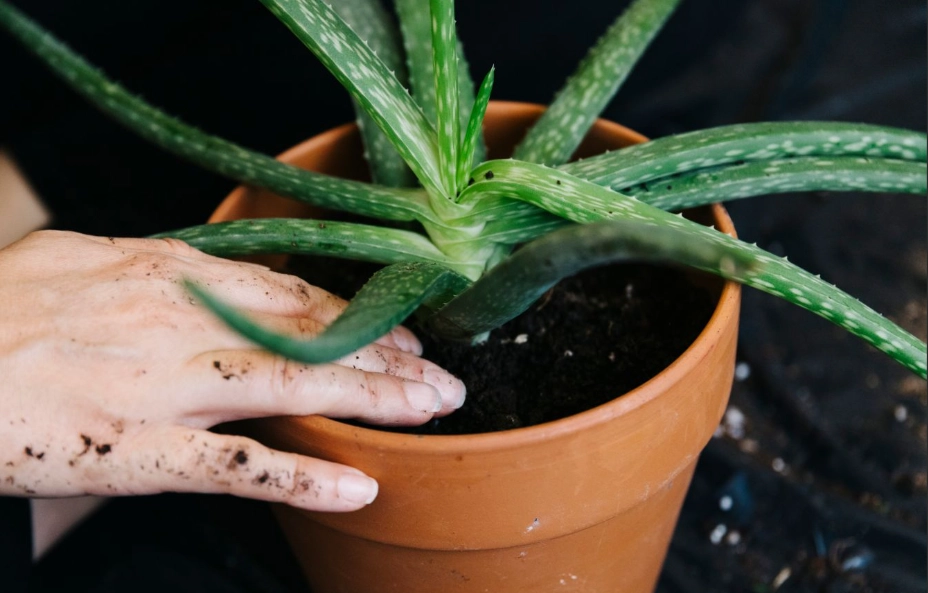
Where Your Aloe Vera Comes From: The Key to Everything
Before we talk about watering cans and pots, let's take a quick mental trip. Imagine the arid, rocky slopes of the Arabian Peninsula, where Aloe vera is believed to have originated. The sun is intense. The soil is gritty, drains instantly, and isn't rich. Rain is a rare, heavy event followed by long dry spells.
Your potted aloe is a direct descendant of those desert survivors. Every part of it is designed to store water and endure drought. Those plump leaves are its water reservoirs. When you grasp this, the whole care routine clicks into place. You're not being cruel by underwatering; you're giving it a taste of home. Overwatering, on the other hand, is like forcing it to live in a swamp—its roots literally suffocate and rot.
The Non-Negotiables: Light, Water, and Soil
These three factors form the holy trinity of aloe vera care. Mess up one, and the others suffer too. They're all connected.
Sunlight: The Energy Source
Aloe vera loves bright light. I'm talking about several hours of direct sunlight daily. A south or west-facing window is ideal. You'll know it's getting enough light when it grows compact and upright, with a rich green or slightly blue-green color.
Here's what happens when the light is wrong:
- Not Enough Light (Low Light): This is a common issue. The plant starts to "stretch" or become "leggy." The leaves elongate, grow thinner, and bend downwards, losing their plumpness. The color fades to a pale green. It's desperately reaching for more sun. It weakens the plant and makes it more susceptible to other problems.
- Too Much, Too Soon (Sunburn): Yes, even sun-lovers can burn. If you move a plant from a dark corner directly into blazing afternoon sun, the leaves can develop brown, crispy spots or turn an orangey-red. It's a shock to their system. The red color can sometimes be a sign of "stress coloration" from strong light, which isn't always bad, but crispy tips are a definite sunburn.
Watering: The Biggest Killer (Usually from Kindness)
This is the part where most people, myself included, fail. The golden rule for how to care for aloe vera plant when it comes to water is: When in doubt, wait it out.
Forget watering on a schedule ("every Tuesday"). Your plant doesn't drink on a calendar. It drinks based on heat, light, and humidity.
The Foolproof Watering Method:
- Check the Soil: Stick your finger about 2-3 inches into the soil. Is it completely dry? Not just surface dry, but dry all the way down where your finger is?
- If Dry, Soak It: If yes, take the plant to the sink. Water it thoroughly until water runs freely out of the drainage holes. This ensures the entire root ball gets moistened.
- Let It Drain COMPLETELY: This is critical. Never let the pot sit in a saucer full of water. Empty the saucer after 15-20 minutes. The goal is to mimic a desert downpour followed by rapid drying.
- Wait for Drought Again: Walk away. Don't water again until the soil is completely dry again. This could be 2-3 weeks in winter, or 1-2 weeks in a hot, sunny summer.
- Overwatering (Wet, Mushy Leaves): Leaves feel soft, mushy, and translucent, often starting at the base. They may turn yellow or brown. The plant feels unstable. This is an emergency—often root rot.
- Underwatering (Thin, Curled Leaves): Leaves become thin, curled inwards, and feel dry and crispy. The plant uses up its internal water reserves. This is much easier to fix than overwatering—just give it a good soak.
Soil and Pot: The Foundation
You can perfect your light and water, but if your aloe is sitting in the wrong soil in the wrong pot, you're fighting a losing battle.
Soil Mix: Regular potting soil holds too much moisture. You need a fast-draining mix. A cactus & succulent potting mix is perfect and widely available. For even better drainage, you can make your own by mixing 2 parts cactus mix with 1 part perlite or coarse sand. This creates the gritty, airy environment the roots crave.
The Pot: Two words: Drainage. Holes. Non-negotiable. Terracotta pots are fantastic for aloe because they are porous, allowing the soil to dry out from the sides as well as the top. Plastic pots retain moisture longer, so you need to be even more careful with watering.
Here’s a quick comparison to help you choose:
| Pot Material | Pros for Aloe | Cons for Aloe | Best For |
|---|---|---|---|
| Terracotta/Clay | Excellent breathability, promotes drying, stable, classic look. | Dries out very fast in hot weather, can be heavy. | Beginners prone to overwatering; hot, humid climates. |
| Plastic/Ceramic (glazed) | Lightweight, retains moisture longer, many style choices. | High risk of overwatering, less breathable. | Experienced waterers who can gauge dryness; dry climates. |
The Practical Stuff: Repotting, Feeding, and Making More Plants
Once you've got the basics down, your aloe will likely start to thrive. Then come the "good problems"—it outgrows its pot or starts having babies.
When and How to Repot
You don't need to repot often. Aloe likes to be slightly root-bound. Repot every 2-3 years, or when you see one of these signs:
- Roots are growing out of the drainage holes.
- The plant has become top-heavy and unstable.
- The soil has degraded and no longer drains well.
- A crowd of "pups" (offsets) are filling the pot.
Repotting Steps:
- Choose a new pot only 1-2 inches wider in diameter than the old one. Too big a pot means too much wet soil around the roots.
- Gently remove the plant. You might need to tap the pot or run a knife around the edge.
- Shake off old soil and inspect the roots. Trim any that are black, mushy, or dead (use clean scissors).
- Place a layer of fresh cactus mix in the new pot. Set the plant in, fill around with soil, and firm gently. Don't bury the leaves.
- Wait about a week before watering to let any disturbed roots heal.
Fertilizing: Less is More
Aloe vera isn't a heavy feeder. In fact, in rich soil, it might not need any fertilizer at all. If you want to give it a boost, use a balanced, water-soluble fertilizer (like a 10-10-10) diluted to half-strength. Apply it only once at the beginning of the growing season (spring) and maybe once more in mid-summer. That's it. Never fertilize in fall or winter when growth slows.
Propagation: Sharing the Wealth
This is the fun part. A healthy aloe will produce small offshoots, called pups, around its base. You can separate these to create new plants.
How to Propagate Pups:
- Wait until the pup is a decent size (about one-fifth the size of the mother plant) and has a few leaves of its own.
- Gently remove the entire plant from its pot to expose the connection between the pup and mother.
- Using a clean, sharp knife, cut the pup away, trying to keep some roots attached to it if possible. If it snaps off cleanly, that's okay too.
- Let the pup sit in a dry, airy spot out of direct sun for 1-2 days. This allows the cut end to form a callus, which prevents rot when planted.
- Plant the callused pup in a small pot with cactus mix. Water lightly once, then wait until the soil is completely dry before watering again. Treat it like a mature plant, but be patient—root growth takes time.
Solving Problems: What's Wrong With My Aloe?
Even with perfect care, things can go sideways. Here’s a diagnostic guide for common aloe vera ailments.
- Remove the plant from its pot and wash the roots.
- Cut away ALL soft, brown, or black mushy roots with sterile scissors. Only firm, white or tan roots should remain.
- Let the plant dry out of soil for a day or two.
- Repot in fresh, dry cactus mix in a clean pot.
- DO NOT WATER for at least a week. Then water very sparingly and hope it recovers.
Beyond Survival: Using Your Aloe Vera
Part of the joy of learning how to care for aloe vera plant is enjoying its benefits. The clear gel inside the leaves is famous for soothing minor burns, cuts, and skin irritations.
How to Harvest Gel Safely:
- Choose a mature, thick outer leaf.
- Cut it off cleanly at the base with a clean knife.
- Let the leaf stand upright in a glass for 10-15 minutes to let the yellow latex (aloin, a laxative) drain out. This can irritate skin.
- Rinse the leaf.
- Lay it flat and slice off the serrated edges and the top and bottom "skin."
- Scoop out the clear gel with a spoon.
- Use it fresh or store it in the refrigerator for a few days.
A quick word of caution: While topical use is common, consult a medical professional before ingesting aloe vera or using it on serious wounds. The University of Florida's IFAS Extension has a great resource on aloe vera that discusses its uses and botany from a research-based perspective.
 Harvest sparingly, and never take more than a leaf or two from a small plant. Your plant's health comes first.
Seasonal Care Quick Checklist
Your aloe's needs change with the seasons, especially if you live in a place with distinct weather.
- Spring/Summer (Growing Season): More frequent watering (when dry), can tolerate more direct sun, optional light feeding. Great time to repot or propagate.
- Fall/Winter (Dormant Season): Water much less frequently (maybe once a month or less). Ensure it still gets good light. Stop fertilizing completely. Protect from cold drafts and temperatures below 50°F (10°C).
Final Thoughts: It's a Partnership
Learning how to care for aloe vera plant successfully isn't about rigid rules. It's about observation. Look at your plant. Touch the soil. Feel the leaves. Is it firm and upright? Is the soil bone dry? That's your plant talking to you.
Start with bright light, a gritty potting mix, a pot with holes, and a "soak and dry" watering method. Nail these, and you've covered 95% of what your aloe needs to not just survive, but truly thrive. The rest—the repotting, the pups, the occasional harvest—are the rewards for getting the basics right.
Don't be afraid to make mistakes. I've made plenty. Every brown leaf was a lesson. Now, my aloe plants are some of the most low-maintenance, rewarding things in my home. Yours can be too. Just remember: when in doubt, do less. Your aloe will thank you for it.