Small Cactus Plants: Complete Guide to Types, Care & Styling
Houseplant care
Let's be honest. You're here because you've killed a plant or two. Maybe you forgot to water for a month, or perhaps you loved one a little too much with your watering can. I've been there. That's exactly why small cactus plants became my gateway into the plant world. They're tough, they're sculptural, and they won't guilt-trip you after a two-week vacation. But here's the thing most blogs won't tell you: even these desert survivors have specific needs. Ignore them, and you'll end up with a mushy, stretched-out, or just plain sad-looking cactus. This guide cuts through the generic advice and gives you the actionable details you need to not just keep them alive, but make them thrive.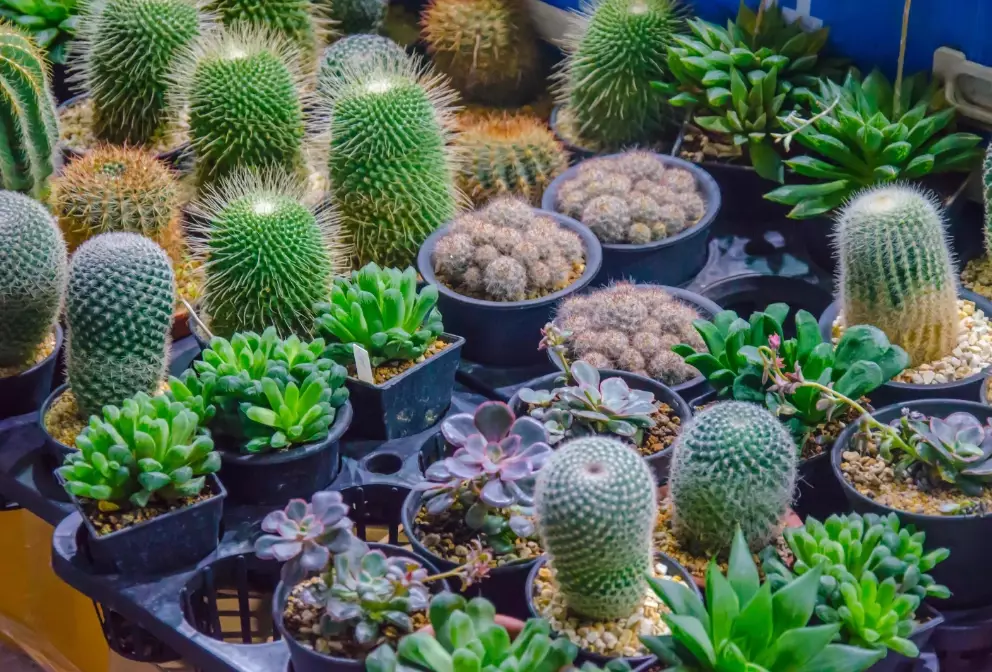
Quick Guide: What's Inside?
Popular Small Cactus Types for Beginners
Not all small cacti are created equal. Some are fuzzy, some are ribbed, some bloom like crazy. Picking the right one sets you up for success. Based on a decade of collecting (and a few tragic learning experiences), here are my top picks for reliability and character.
| Name | Key Feature | Light Needs | Why It's a Winner |
|---|---|---|---|
| Mammillaria (Pincushion Cactus) | Small, cylindrical, often covered in dense spines or white hair. | Bright, direct light. | Incredibly forgiving and prolific bloomer. Forms cute clusters. My Mammillaria hahniana has never given me a day of trouble. |
| Gymnocalycium mihanovichii (Moon Cactus) | Brightly colored ball (red, orange, yellow) grafted onto a green base. | Bright, indirect light. Avoid harsh direct sun on the colorful top. | The ultimate colorful accent. It's a conversation starter. Note: The colorful top lacks chlorophyll, so it relies on the base. Lifespan is shorter, but it's fun while it lasts. |
| Echinopsis (Sea Urchin Cactus) | Globular or short-cylindrical, with prominent ribs. | Loves full sun. | Produces spectacular, large flowers that seem to defy the size of the plant. A patient reward for good care. |
| Parodia (Ball Cactus) | Small, spherical, covered in attractive spines, often with a woolly crown. | Bright light to some direct sun. | Stays compact and neat. Less prone to etiolation (stretching) than some others. A perfect desk companion. |
The Non-Negotiable Rules of Small Cactus Care
Think of cactus care as a trilogy: Light, Water, Soil. Mess up one, and the others can't compensate.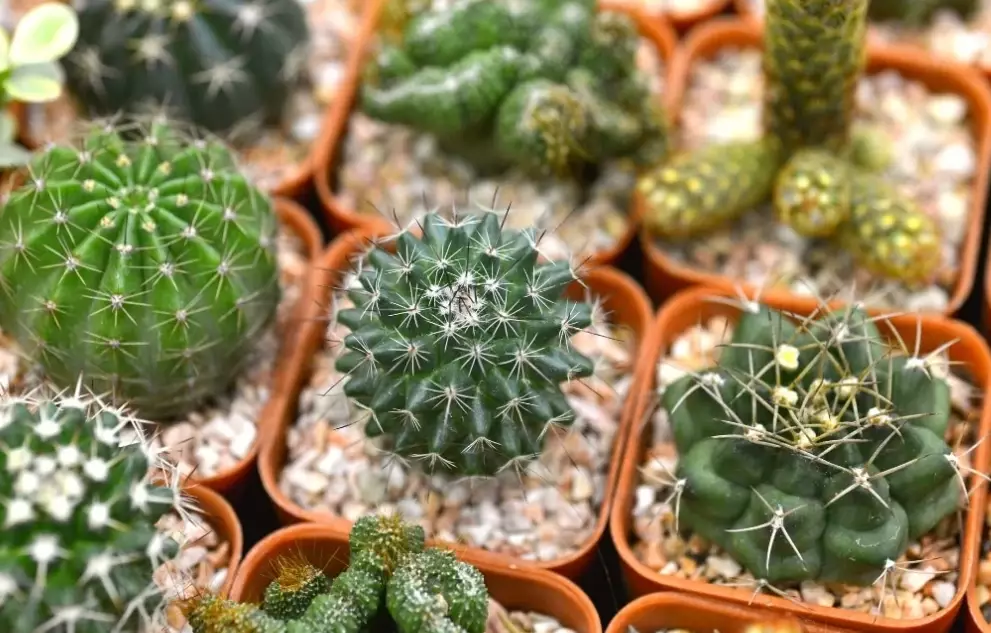
Light: The Make-or-Break Factor
"Bright light" is vague. For most small cacti, this means a south or west-facing windowsill. East can work for some. North? Forget it. If your cactus starts leaning, stretching tall and thin, or its color fades to a sickly green, it's screaming for more light. A common rookie mistake is thinking a bright room is enough. It often isn't. The light intensity drops dramatically just a foot away from a window.
Watering: The Art of Neglect
This is where most people fail. You must unlearn everything you know about watering other plants. Here's my fail-safe method:
- Forget the calendar. Do not water every Tuesday.
- Stick your finger deep into the soil—at least an inch down. Is it completely, utterly dry?
- If yes, wait another 3 to 5 days. Then, and only then, water.
- Water thoroughly until excess water runs freely out of the drainage hole. This ensures the entire root ball gets moisture.
- Empty the saucer or cache pot immediately. No soggy bottoms.
In winter, when growth slows or stops, you might water only once a month or even less. The plant will tell you by looking slightly shriveled. A thirsty cactus is firm and plump. A mushy cactus is a dead cactus.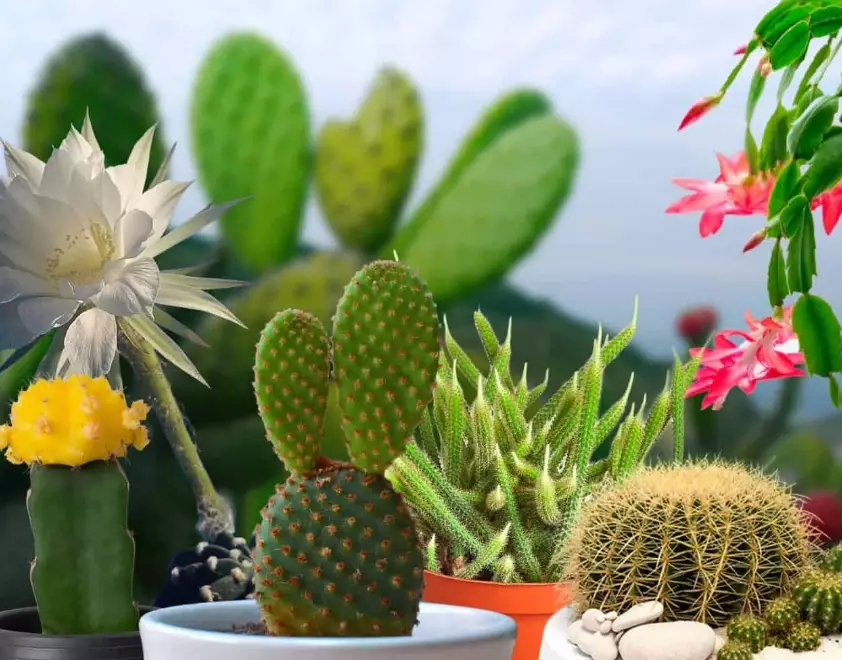
Soil & Feeding: Don't Overcomplicate It
Regular potting soil is a death sentence. It retains too much water. You need a gritty, fast-draining mix. You can buy a pre-made cactus/succulent mix, but I always amend it further with extra perlite or pumice (about a 1:1 ratio). This creates air pockets and prevents compaction.
Fertilizer? Yes, but sparingly. Use a balanced, water-soluble fertilizer diluted to half-strength. Apply it only during the active growing season (spring and summer), and only once a month at most. In fall and winter, stop feeding completely.
The #1 Potting Mistake (And How to Fix It)
The most common error I see is using a pot that's too big. A small cactus in a large pot means soil stays wet for far too long around the tiny root system, leading to rot. Always choose a pot that is only 1-2 inches wider in diameter than the cactus itself.
Repotting Steps:
- Prep: Have your new pot (with drainage hole!) and gritty soil mix ready.
- Remove: Gently tip the cactus out. Use folded paper or kitchen tongs to handle spiny ones.
- Inspect: Brush away old soil. Trim any black, mushy roots with sterile scissors.
- Pot: Place a layer of soil in the new pot. Set the cactus in, filling around it with more soil. Don't bury the stem base deeper than before.
- The Critical Step: DO NOT WATER for at least a week. This allows any damaged roots to callous over, preventing rot. Place it in bright, indirect light during this period.
Small Cactus Styling Ideas
They're not just for the sunny windowsill. Get creative:
- Desktop Terrarium (Dry): Use a wide, open glass container. Layer gravel, then your gritty cactus mix. Plant a few small cacti and succulents together. No lid! This creates a stunning, low-maintenance centerpiece.
- Living Wall Art: Plant several small cacti in a shallow, wide pot (like a bonsai tray). Add decorative stones or sand. This minimalist arrangement works beautifully on a bright shelf.
- Colorful Accent Pots: Don't be afraid of color. A vibrant, small-glazed pot can make a single green cactus pop. Just ensure it still has drainage.
Your Small Cactus Questions, Answered
Small cactus plants are more than just spiky survivors. With the right light, a disciplined watering hand, and a gritty home, they become resilient, sculptural companions that ask for little but offer unique beauty and a great sense of accomplishment. Start with one, follow these rules, and you might just find yourself with a windowsill full of these charming, unkillable friends.