The Ultimate Guide to Cultivating Jasmine: Grow Fragrant Blooms Easily
Getting started
Your Quick Guide
Let's talk about jasmine. That smell, right? It hits you on a warm evening and suddenly you're transported somewhere magical. It's the scent of summer nights, of calm, of pure garden joy. For years, I thought cultivating jasmine was some secret art only people with massive greenhouses could master. My first attempt? A sad little plant in a corner that just gave up. Turns out, I was making all the classic mistakes. But once you get a few key things right, it's honestly one of the most rewarding plants you can grow. This isn't about rigid rules; it's about understanding what this lovely plant wants from you.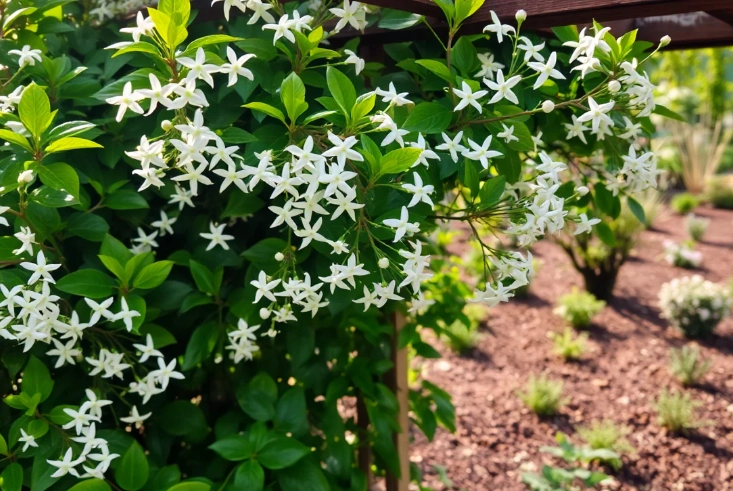
So, whether you have a sprawling backyard, a modest balcony, or just a sunny windowsill, you can have that fragrance. This guide is everything I wish I'd known when I started, packed with practical steps, fixes for common mess-ups, and answers to the questions you're probably already wondering about.
First Things First: Picking Your Jasmine Partner
This is where most guides rush ahead, but it's the most important step. Get the wrong type for your climate or space, and you're fighting an uphill battle. There are over 200 species, but only a handful are common in home gardens. Let's break down the usual suspects.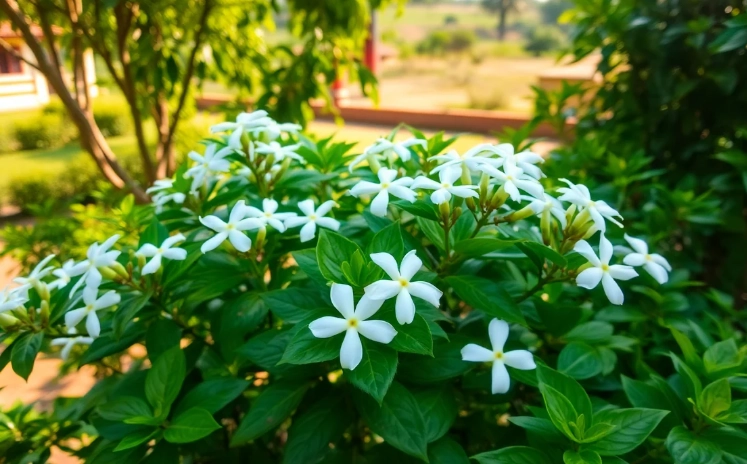
The Popular Contenders for Your Garden
I'll be honest, some are just easier and more forgiving than others.
| Common Name & (Botanical Name) | Key Features & Fragrance | Best For / Hardiness | My Personal Take |
|---|---|---|---|
| Common Jasmine (Jasminum officinale) | The classic. Vigorous deciduous climber, clusters of small white flowers. Strong, sweet, classic jasmine scent. | Cold-hardy (Zones 7-10). Great for trellises, arches, fences. Full sun. | The workhorse. Reliable, fragrant, but can get big and messy if not pruned. My go-to for outdoor walls. |
| Arabian Jasmine (Jasminum sambac) | Evergreen shrub. Waxy white flowers that can be used for tea (like in Filipino 'sampaguita'). Rich, heavy, intoxicating fragrance. | Warm climates only (Zones 9-11). Perfect for containers, hedges, indoors in cold areas. | The diva. Needs more warmth and can be fussier about humidity, but the scent is unbeatable. A favorite for indoor cultivation. |
| Winter Jasmine (Jasminum nudiflorum) | Bushy, deciduous. Bright yellow flowers in late winter/early spring on bare stems. Little to no fragrance. | Very cold-hardy (Zones 6-10). Excellent for winter color, ground cover, banks. | Don't get this one for scent! It's a cheerful, tough plant that provides color when nothing else is blooming. Good for structure. |
| Star Jasmine (Trachelospermum jasminoides) | Not a true jasmine, but acts and smells like one. Evergreen climber, glossy leaves, profuse star-shaped white flowers. Sweet perfume. | Zones 8-10. Versatile: climber, ground cover, container. Tolerates more shade. | Incredibly versatile and often easier than true jasmine. Less rampant growth, neater habit. A fantastic all-rounder, especially in milder climates. |
See? Choosing matters. If you live in a cold area and dream of fragrant winter flowers, you'll be disappointed with most true jasmines. You might need to grow Arabian Jasmine in a pot you can bring inside. That's the kind of decision that sets you up for success or frustration from day one.
The Real Work: Planting and Setting the Foundation
Okay, you've got your plant. Now, let's not kill it with kindness in the first week. Planting is about giving it a comfortable home.
Location, Location, Location
Sunlight is non-negotiable for good flowering. Most jasmines crave at least 4-6 hours of direct sun. More is usually better. A south or west-facing spot is ideal. A bit of afternoon shade in blisteringly hot climates can prevent leaf scorch, but don't tuck it into deep shade expecting a floral show.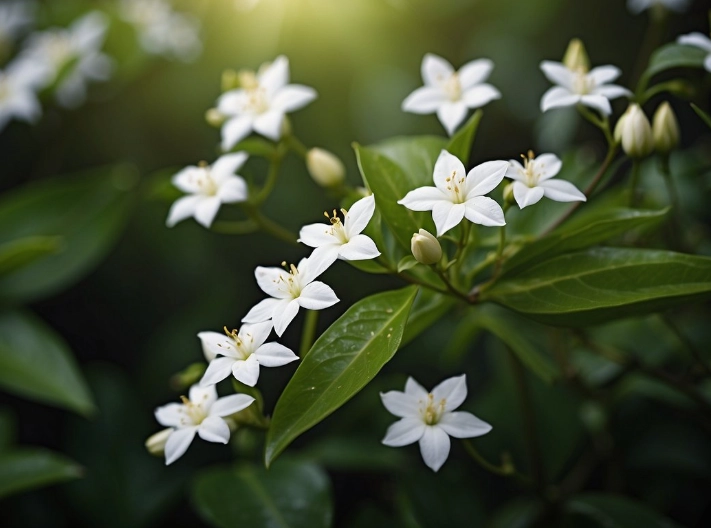
Think about air circulation too. A stuffy, closed corner is an invitation for mildew, especially on common jasmine. A spot with a gentle breeze is perfect.
Soil: It's All About the Drainage
This is the biggest killer, hands down. Jasmine hates wet feet. Its roots will rot in heavy, waterlogged clay. The ideal soil is like a wrung-out sponge: moist but airy.
- For garden beds: If you have heavy soil, dig a much wider hole than the root ball (twice as wide) and mix the native soil with plenty of compost and some coarse sand or grit to improve drainage. Don't create a "bathtub" effect where water pools in the nice soil you added.
- For containers (my preferred method for cold areas): Use a high-quality, well-draining potting mix. I often add an extra handful of perlite or orchid bark to the mix for my potted jasmines. It makes a difference. Ensure the pot has excellent drainage holes—no exceptions.
Plant at the same depth it was in its nursery pot. Burying the stem can cause rot. Water it in thoroughly after planting to settle the soil around the roots.
The Day-to-Day: Keeping Your Jasmine Happy (The Care Schedule)
Cultivating jasmine isn't about daily fussing. It's about consistent, thoughtful care. Here's what it needs through the seasons.
Watering: The Goldilocks Principle
Not too much, not too little. In the growing season (spring and summer), water when the top inch of soil feels dry. Stick your finger in. For potted plants, this might be every few days in hot weather. For in-ground plants, once a week of deep watering is often enough once established.
In winter, especially for dormant types or indoor plants, cut back significantly. Let the soil dry out more between waterings. Overwatering in winter is the fastest way to kill a jasmine.
Feeding: Less is Often More
Jasmine isn't a gross feeder. A balanced, water-soluble fertilizer (look for something like a 10-10-10 or 7-9-5) applied every 4-6 weeks during the active growing season is perfect. You can also use a slow-release granular fertilizer in early spring.
Stop fertilizing in late summer to allow the plant to harden off before winter.
Pruning: Don't Be Scared
Pruning is essential for a healthy, flowering plant. It controls size, removes dead wood, and encourages new growth where the flowers form. The best time is right after the main flowering flush ends.
- For climbers like J. officinale: Cut back the long, flowered stems by one-third to one-half. Thin out old, congested stems from the base to improve air flow.
- For shrubs like J. sambac: Shape lightly, removing straggly branches and deadheading spent flowers to encourage more blooms.
You can be quite brutal if needed. I once had to cut a neglected common jasmine back to a few main stems. It looked terrible for a month, then came back bushier and more floriferous than ever.
Solving the Inevitable Problems (Troubleshooting)
Even with perfect care, things can go sideways. Here's how to diagnose and fix the most common issues.
Yellow Leaves? Let's Play Detective.
Yellow leaves are a symptom, not a disease. The cause matters.
- Older leaves turning yellow uniformly: Often a natural aging process. Pluck them off.
- New leaves turning yellow (chlorosis): Could be overwatering (check soil!) or a nutrient deficiency, often iron. Try a chelated iron supplement.
- Yellow leaves with brown spots or webbing underneath: Likely pests. Spider mites love dry, stressed jasmine. Increase humidity and spray with a strong jet of water or use insecticidal soap.
No Flowers? The Heartbreak.
You've nurtured a green bush but no perfume. Frustrating. Common reasons:
- Not enough sun. This is reason number one.
- Too much nitrogen fertilizer. See the warning above.
- Pruned at the wrong time. If you pruned in early spring, you likely cut off the flower buds that formed the previous season.
- The plant is too young or stressed. A recently repotted or drought-stressed plant will focus on survival, not reproduction.
Pests and Diseases: The Usual Suspects
Aphids and Whiteflies: They suck sap, especially on new growth. A blast of water or insecticidal soap usually works. Encourage ladybugs!
Powdery Mildew: That white, powdery coating on leaves. It happens in humid conditions with poor air circulation. Improve airflow, avoid overhead watering, and remove affected leaves. For a bad case, a baking soda spray (1 tsp baking soda, 1 quart water, few drops of dish soap) can help.
For serious, recurring pest or disease issues, reliable information from university extensions is invaluable. The University of California Integrated Pest Management Program has fantastic, science-based guides on managing garden pests with low-impact methods.
Leveling Up: Advanced Tips for the Enthusiast
Once you've kept a jasmine alive for a year, you might want to play around.
Propagation: Making More Plants for Free
The easiest way is by taking semi-ripe cuttings in summer. It's surprisingly simple.
- Cut a 4-6 inch piece of stem that's not too soft or too woody.
- Remove the lower leaves.
- Dip the cut end in rooting hormone powder (helps a lot).
- Stick it in a small pot of moist, gritty potting mix.
- Cover with a plastic bag to create humidity, but leave it open a crack.
- Keep in bright, indirect light and wait. In a few weeks, gentle tugging should meet resistance—roots!
There's a real thrill to growing a new plant from a cutting of your favorite one.
Training and Support
Climbing jasmines need guidance. Use a trellis, wires, or an obelisk. Tie the young shoots loosely with soft plant ties, directing them where you want them to go. Don't let them scramble into gutters or over delicate plants—they can be vigorous.
Your Jasmine Questions, Answered
Q: Can I grow jasmine indoors year-round?
A: Yes, absolutely, especially Arabian Jasmine (J. sambac). It needs the sunniest spot you have (a south-facing window is best), consistent moisture, and appreciates higher humidity (a pebble tray helps). It might not flower as profusely as outdoors, but it will still bloom.
Q: How often should I repot my container jasmine?
A: Every 2-3 years, or when you see roots circling the bottom of the pot or growing out the drainage holes. Spring is the best time. Only go up one pot size (e.g., from a 10" to a 12" pot). A pot that's too big holds too much wet soil.
Q: Is jasmine toxic to pets?
A: This is important. According to the ASPCA, true jasmine (Jasminum spp.) is listed as non-toxic to cats and dogs. However, "star jasmine" (Trachelospermum jasminoides) is also generally considered safe. That said, it's always best to discourage pets from chewing on any houseplants, as individual reactions can vary.
Q: My jasmine survived winter but looks dead. Is it?
A: Be patient! Deciduous jasmine (like J. officinale) can look like a bundle of dead sticks. Scratch a small bit of bark with your fingernail in late spring. If you see green underneath, it's alive and just waiting for warmer temperatures to leaf out.
Q: What's the best companion plant for jasmine?
A: I like pairing it with plants that have contrasting foliage or bloom at different times. The dark green leaves of rosemary or lavender look great against it. For a purely visual and sensory combo, try planting a clematis with complementary-colored flowers to intertwine with it on a trellis.
Look, cultivating jasmine has its moments. You might battle spider mites on an indoor plant, or a late frost might nip the buds. It happens. But when you step outside on that first warm evening of the year and your jasmine has just opened its first blooms, filling the air with that incredible scent… every bit of effort feels worth it. You didn't just buy a candle; you grew that fragrance. That's the magic of it.
Start simple. Maybe with a potted Star Jasmine on a sunny patio. Get the watering right. Enjoy the first flower. Then, maybe you'll try propagating a cutting, or training one up an arch. The journey of cultivating jasmine is a long, sweet-smelling one. Happy growing.