Aloe Plant Propagation Made Easy: A Step-by-Step Guide
Houseplant care
Propagating aloe plants is one of those gardening tasks that sounds complicated but is actually straightforward if you know the tricks. I've been growing aloe vera for over a decade, and let me tell you, most people mess it up by overthinking or following bad advice. In this guide, I'll walk you through the foolproof methods, share my personal blunders, and give you tips you won't find in generic articles. By the end, you'll be multiplying your aloe collection with confidence.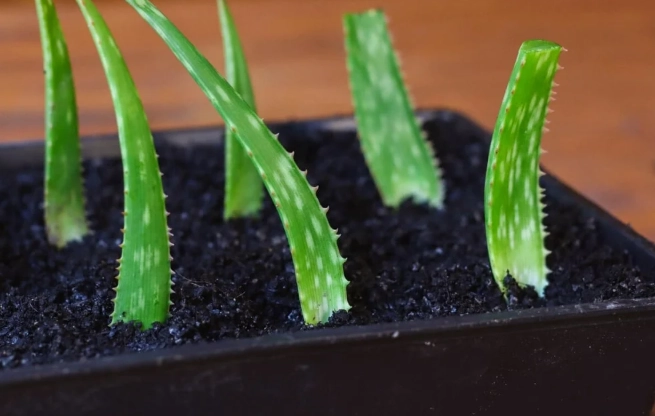
What You'll Learn in This Guide
Why Propagate Aloe Plants?
You might wonder why bother propagating when you can just buy a new aloe plant. Well, for starters, it's free. But more importantly, propagation helps rejuvenate an overgrown mother plant. Aloe vera produces pups or offshoots that crowd the pot, stealing nutrients and light. Separating them gives everyone room to thrive. I once left a plant untouched for years, and it became a tangled mess—lesson learned. Propagation also lets you share plants with friends or expand your indoor garden without spending a dime.
Think about it: if your aloe is looking leggy or the center is dying, propagation is a rescue mission. It's not just about multiplication; it's about plant health.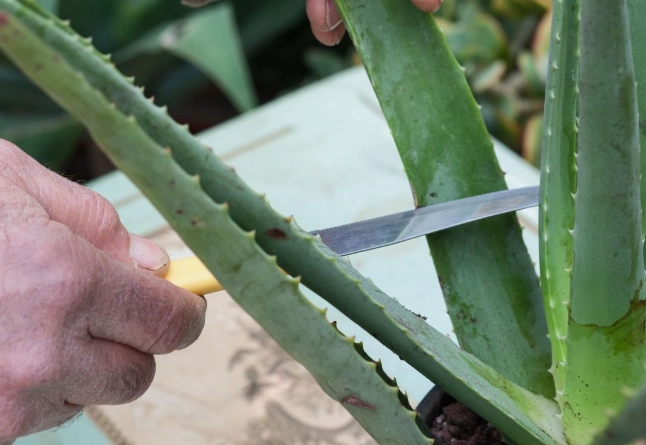
The Two Best Ways to Propagate Aloe Vera
There are two main methods for aloe plant propagation, but one is far more reliable. Let's break them down.
Method 1: Separating Pups (The Surefire Way)
This is the method I swear by. Aloe vera naturally produces pups—small clones that grow from the base of the mother plant. They're already connected via roots, so separation is low-risk. Success rates are high, often above 90%, if done correctly. I've propagated dozens this way, and it rarely fails unless I get impatient and water too soon.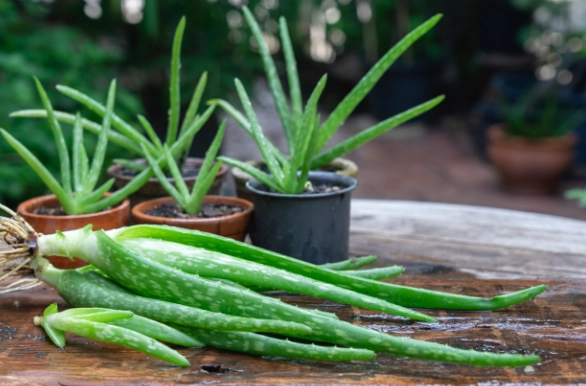
Method 2: Trying Leaf Cuttings (And Why It Often Fails)
You might have heard about propagating aloe from leaf cuttings. In theory, it works: cut a leaf, let it callus, plant it. In practice, it's a gamble. The leaves are full of gel, which makes them prone to rotting before roots form. I tried this early on and lost more leaves than I care to admit. It's not impossible, but for beginners, it's frustrating. Stick with pups for now.
Expert Tip: Many online tutorials gloss over the fact that leaf cuttings require perfect dryness and airflow. If your home is humid, skip this method altogether.
Step-by-Step: Separating Aloe Pups Like a Pro
Here's my detailed process, refined from years of trial and error. Follow these steps, and you'll avoid the common hiccups.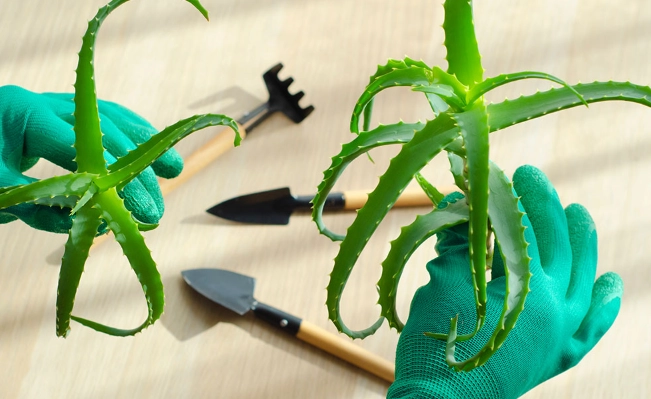
Step 1: Identify the Right Pups
Look for pups that are at least 3-4 inches tall and have a few leaves of their own. Smaller pups might not have developed enough roots to survive independently. I once separated a tiny one out of excitement, and it withered within days. Patience pays off.
Step 2: Prepare Your Tools
You'll need a clean, sharp knife or gardening shears. I sterilize mine with rubbing alcohol to prevent infection. Also, have a tray ready for the pups and some newspaper to work on. Aloe sap can stain surfaces, so I learned this the hard way after ruining a kitchen counter.
Step 3: Remove the Mother Plant from the Pot
Gently tip the pot and ease the plant out. Don't yank it—you might damage roots. Shake off excess soil to expose the pups and their connections. If the roots are tangled, use your fingers to tease them apart. I find that doing this on a dry day helps the soil crumble easily.
Step 4: Separate the Pups
Locate where the pup attaches to the mother plant. There's usually a thin stem or root cluster. Cut through this with your knife, ensuring the pup retains some roots. If it comes off cleanly with roots attached, that's ideal. If not, don't panic; it can still root later. I've had pups with minimal roots bounce back after a week in dry soil.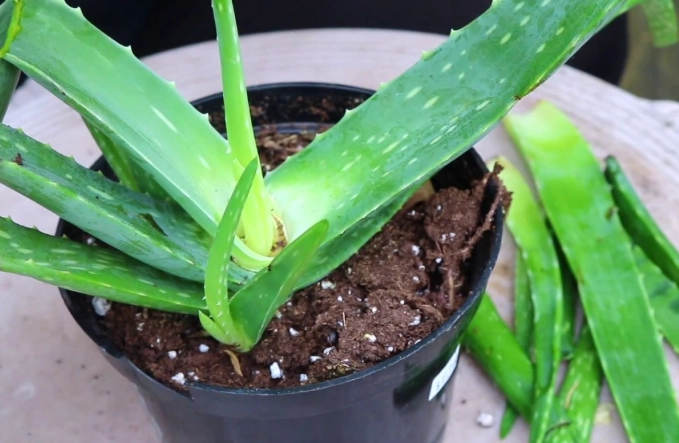
Step 5: Let the Wounds Callus
This is the step most beginners rush. Place the separated pups in a shaded, dry spot for 2-3 days. The cut ends need to form a callus—a dry, hardened layer—to prevent rot when planted. I leave mine on a windowsill out of direct sun. If you plant immediately, moisture seeps in, and that's a recipe for disaster.
Step 6: Potting the Pups
Once callused, it's time to pot. But hold on—we'll get to the soil mix in the next section. For now, just know that you'll plant them shallowly, with the base just buried.
The Soil and Pot Setup: Don't Skip This Part
Soil choice makes or breaks your propagation success. Aloe plants are succulents, meaning they hate wet feet. A poor soil mix is the number one reason propagated aloe dies.
I use a custom blend: 50% cactus or succulent soil (like Miracle-Gro's mix), 30% perlite for aeration, and 20% coarse sand or pumice for drainage. This mimics their natural arid habitat. You can buy pre-mixed succulent soil, but I always add extra perlite because store-bought versions often retain too much moisture.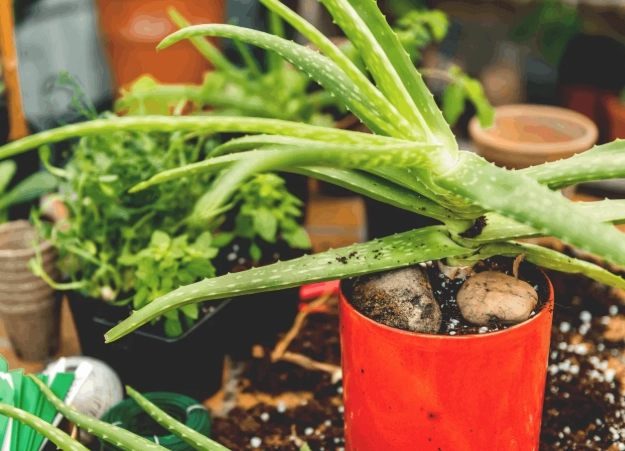
For pots, choose containers with drainage holes. Terracotta pots are excellent because they wick away excess moisture. Size matters too—a pot that's 1-2 inches wider than the pup's root ball is perfect. Too big, and the soil stays wet longer, inviting root rot.
| Soil Component | Percentage | Purpose |
|---|---|---|
| Cactus/Succulent Soil | 50% | Provides basic nutrients and structure |
| Perlite | 30% | Improves aeration and prevents compaction |
| Coarse Sand or Pumice | 20% | Enhances drainage and mimics natural grit |
When potting, fill the pot halfway with soil, place the pup in the center, and add more soil around it. Press gently to secure, but don't compact it. Leave about half an inch of space from the rim for watering. Water lightly after planting—just enough to settle the soil—then wait a week before watering again. This encourages root growth without drowning the plant.
For authority, the Royal Horticultural Society emphasizes well-draining soil for succulents to prevent root diseases. I've found that following this principle saves countless plants.
Aftercare: Keeping Your New Aloe Plants Alive
After potting, your propagated aloe needs TLC but not coddling. Here's what I do:
Light: Place the pots in bright, indirect light. Direct sun can scorch the tender leaves, especially in the first few weeks. A south-facing window with a sheer curtain works wonders. I moved a pup into full sun too early once, and it turned brown—took months to recover.
Watering: This is where most people fail. Water only when the top inch of soil is bone dry. For me, that's about every 10-14 days indoors. Stick your finger in the soil; if it feels damp, wait. Overwatering leads to mushy leaves and root rot. Underwatering is better—aloe can tolerate drought.
Temperature and Humidity: Aloe prefers temperatures between 60-80°F (15-27°C). Avoid drafts or sudden changes. Humidity isn't a big issue unless it's extremely high, which might promote fungal issues. In humid climates, I add extra perlite to the soil.
Fertilizing: Don't fertilize for the first 3-4 months. The pup needs to establish roots first. After that, use a diluted, balanced fertilizer (like 10-10-10) once in spring and summer. I've seen folks fertilize too early, and it burns the roots.
Within a month, you should see new growth—a sign of success. If not, check the roots for rot or dryness.
Common Propagation Pitfalls and How to Dodge Them
Even with careful steps, things can go wrong. Here are mistakes I've made and seen others make, with fixes.
Pitfall 1: Overwatering Immediately After Planting
This is the biggest killer. People get anxious and water too soon, causing rot. Wait at least a week after potting before the first thorough watering. Let the soil dry out between sessions.
Pitfall 2: Using the Wrong Soil
Regular potting soil holds too much moisture. Always use a gritty mix. If you're unsure, test it: water should drain through in seconds. I once used garden soil for a pup, and it turned to mud—the plant didn't survive.
Pitfall 3: Planting Too Deep
Burying the pup's stem too deep traps moisture and causes rot. Plant so the base is just covered, with leaves above soil. I've rescued plants by gently raising them in the pot.
Pitfall 4: Insufficient Light
Aloe needs light to root and grow. A dark corner stunts growth. If natural light is low, consider a grow light. I use a simple LED one during winter months, and it keeps plants happy.
Pitfall 5: Not Letting Cuttings Callus
Rushing this step invites infection. Give it time—2-3 days minimum. If the cut end looks wet, wait longer.
By avoiding these, you'll boost your success rate dramatically. It's all about mimicking the plant's natural resilience.