The Complete Guide to Growing Rosemary Bushes for Beginners
Houseplant care
Let's be honest. You've probably killed a rosemary plant before. I know I have. You bring home this fragrant, promising little herb from the garden center, stick it in a pot with some dirt, water it when you remember, and within months it's a sad, brown twig. The common wisdom says rosemary is easy. For gardeners in the right climate, it is. For the rest of us, it's a lesson in humility. But here's the secret: rosemary isn't fussy, it's just specific. Get a few non-negotiable things right, and you'll have a robust, aromatic bush that provides for years. This guide cuts through the generic advice and gives you the actionable, often-overlooked details for success.
Quick Navigation
How to Plant Rosemary Bushes: A Step-by-Step Guide
This is where most failures begin. You can't fix a bad start. Rosemary hails from the Mediterranean coast—think dry, rocky hillsides with brilliant sun and sharp drainage. Your goal is to replicate that, not plant it like a tomato.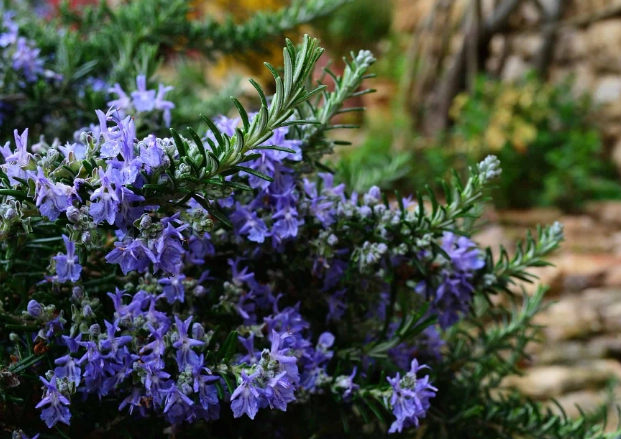
Location is Everything: Sun and Shelter
Find the sunniest spot in your garden. I mean 6 to 8 hours of direct, unfiltered sun. Morning sun is good, but afternoon sun is better. A south or west-facing wall is ideal. This sun bakes the foliage, intensifying the essential oils and creating that incredible scent. It also keeps the plant dry, preventing fungal issues.
Shelter from harsh, drying winter winds matters more than you think. A spot near a warm wall can raise the temperature by a critical few degrees in winter.
The Soil Mix: This is Non-Negotiable
Forget standard potting soil or rich garden loam. Rosemary roots despise "wet feet." They need to dry out between waterings. Here's a mix that works every time:
- For Garden Beds: Dig a hole twice as wide as the root ball. Mix the native soil with a generous amount of coarse builder's sand, poultry grit, or perlite. Aim for a 50/50 mix. If your soil is heavy clay, consider a raised bed.
- For Containers: Use a cactus/succulent potting mix as your base. Even better, make your own: 2 parts potting soil, 1 part coarse sand, 1 part perlite or pumice. This ensures water drains through, not pools.
When and How to Plant
Plant in spring after the last frost, or in early fall. This gives the roots time to establish without the stress of summer heat. Gently tease the root ball if it's pot-bound. Plant at the same depth it was in the nursery pot. Water thoroughly after planting.
Essential Rosemary Bush Care: Watering, Feeding, and Sunlight
Rosemary is drought-tolerant once established. The key is deep, infrequent watering. Let the soil dry out completely between waterings. Stick your finger into the soil; if it feels moist, wait. Overwatering is the most common killer.
Fertilize sparingly. A light feeding in spring with a balanced, slow-release fertilizer is plenty. Too much nitrogen leads to lots of soft, weak growth that's prone to pests and lacks flavor.
Pruning and Shaping Your Rosemary Bush
Regular pruning is essential for a bushy, productive plant. Don't be afraid to cut it back hard in early spring. Always prune just above a set of leaves, and never into the old, woody stems that don't have green growth.
Harvest regularly throughout the growing season. This not only provides you with fresh rosemary but also encourages the plant to become fuller.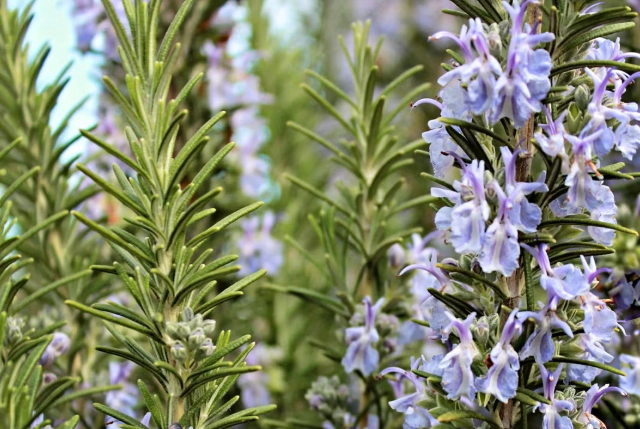
Troubleshooting Common Rosemary Bush Problems
Yellowing leaves? Likely overwatering. Powdery mildew? Improve air circulation. Leggy growth? Not enough sun. We'll cover specific solutions for each issue.
Choosing the Right Rosemary Variety for Your Garden
From upright 'Tuscan Blue' perfect for hedges to trailing 'Prostratus' ideal for walls, choose a variety that suits your space and climate. Consider cold-hardiness if you live in a cooler region.
Your Rosemary Questions, Answered