How to Grow Aloe Vera: The Ultimate Guide for Beginners
Houseplant care
What You'll Learn
If you're new to gardening or just want a low-maintenance plant that offers both beauty and utility, growing aloe vera is a fantastic choice. Known for its soothing gel and air-purifying qualities, aloe vera is surprisingly easy to cultivate, even if you don't have a green thumb. This guide will walk you through every step, ensuring your aloe vera plant not only survives but thrives.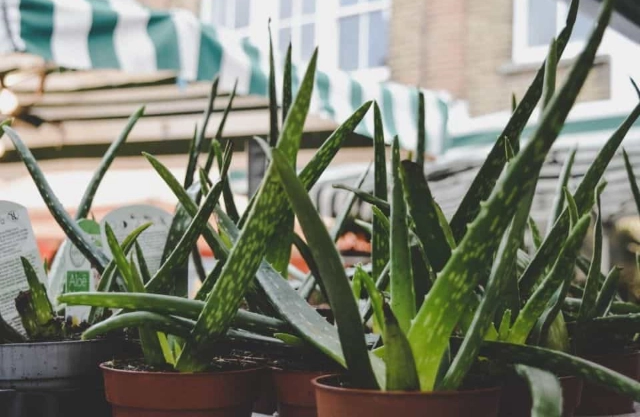
How to Plant Aloe Vera
The first step to growing aloe vera is getting the right start. You have two main options: starting from seeds or using offsets (pups).
Starting from Seeds
While possible, growing aloe vera from seeds is a slow process and not recommended for beginners. Seeds can take months to germinate, and the resulting plants may not be true to the parent plant. If you're determined, here's how:
- Source your seeds: Purchase seeds from a reputable nursery or online retailer to ensure quality.
- Prepare the soil: Use a well-draining succulent or cactus mix. You can also make your own by mixing equal parts potting soil, perlite, and sand.
- Sow the seeds: Sow seeds on the surface of the soil and lightly press them in. Do not cover them with soil, as they need light to germinate.
- Provide warmth and light: Place the pot in a warm location (70-80°F) with bright, indirect light. A heat mat can help maintain consistent temperature.
- Keep the soil moist: Mist the soil regularly to keep it moist but not soggy. Germination can take anywhere from 2 weeks to several months.
Using Offsets (Pups)
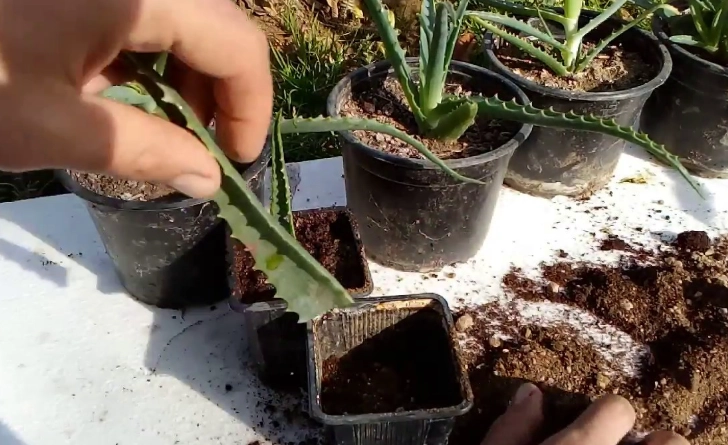
This is the easiest and most common way to propagate aloe vera. Offsets are small plants that grow around the base of the mother plant. Here's how to do it:
- Wait for the right size: Look for pups that are at least one-third the size of the mother plant.
- Gently remove the pup: Use a clean, sharp knife or your fingers to gently separate the pup from the mother plant, making sure it has some roots attached.
- Let it callous: Allow the pup to dry for a day or two in a warm, shady spot. This helps prevent rot when you plant it.
- Plant in well-draining soil: Plant the pup in a well-draining succulent mix. Water sparingly until new growth appears.
How to Care for Aloe Vera
Once your aloe vera is planted, proper care is essential for its health and growth. This section covers the key aspects of aloe vera care.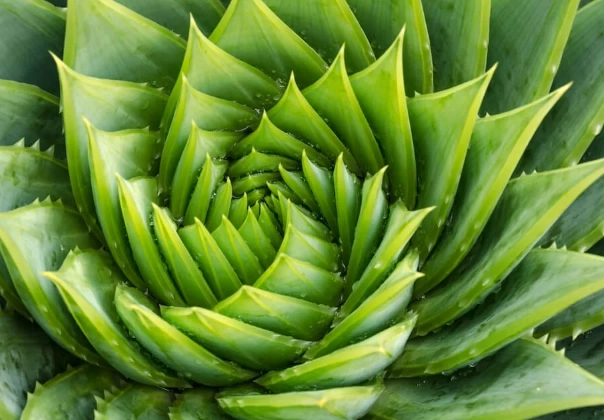
Watering
Overwatering is the number one killer of aloe vera plants. These succulents store water in their leaves, so they're drought-tolerant and prefer to be underwatered. Here's a simple rule: water deeply but infrequently, allowing the soil to dry out completely between waterings.
- Summer: Water every 2-3 weeks, or when the top 1-2 inches of soil feel dry.
- Winter: Water every 4-6 weeks, as the plant goes dormant and needs less water.
Light
Aloe vera thrives in bright, indirect sunlight. It can tolerate some direct sun, especially in the morning, but too much intense afternoon sun can scorch the leaves. A south- or west-facing window is ideal. If you don't have enough natural light, you can supplement with a grow light placed about 6-12 inches away.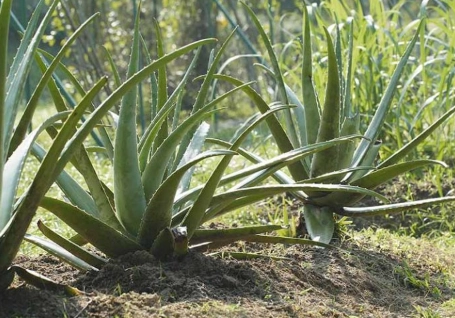
Temperature and Humidity
Aloe vera prefers warm temperatures between 60-80°F (15-27°C). It's not frost-tolerant, so bring it indoors if temperatures drop below 50°F (10°C). Average household humidity is fine; you don't need to mist the plant.
Common Problems and Solutions
Even with the best care, your aloe vera might encounter some issues. Here are some common problems and how to fix them.
Brown or Mushy Leaves
This is usually a sign of overwatering, which can lead to root rot. Check the soil moisture: if it's soggy, you're watering too much. Let the soil dry out completely before watering again. If the roots are rotting, you may need to remove the plant from the pot, trim away any rotten roots, and repot in fresh, dry soil.
Yellowing Leaves
Yellow leaves can indicate several things: overwatering, underwatering, or nutrient deficiency. Check the soil and adjust your watering schedule accordingly. If the plant is getting too much direct sun, move it to a shadier spot.
Pests and Diseases
Aloe vera is relatively pest-resistant, but it can be affected by mealybugs, scale, or fungal diseases. Inspect your plant regularly and treat any issues promptly with appropriate insecticidal soap or fungicide.
Frequently Asked Questions