Monstera Deliciosa Care Guide: How to Grow Swiss Cheese Plant
Houseplant care
What You'll Learn
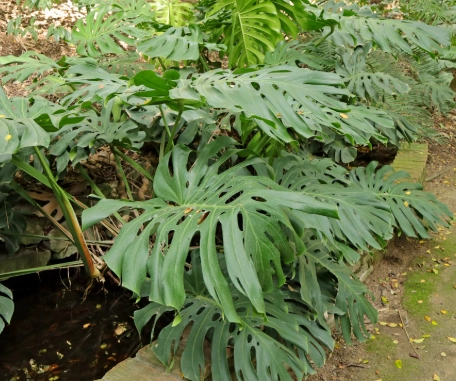
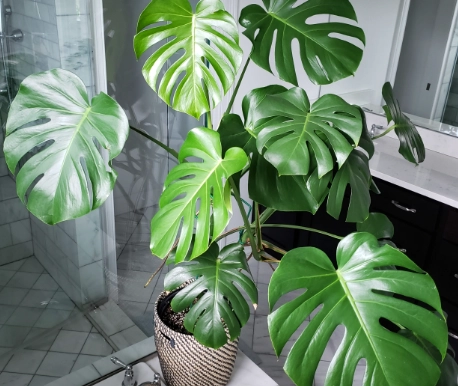
Monstera deliciosa, often called the Swiss Cheese Plant, is a statement piece. It’s not just a plant; it’s a vibe. But here’s the thing—you can’t treat it like any other leafy friend. I’ve seen too many people kill their Monsteras with kindness. Overwatering is the silent assassin. You think you’re being attentive, but you’re drowning it.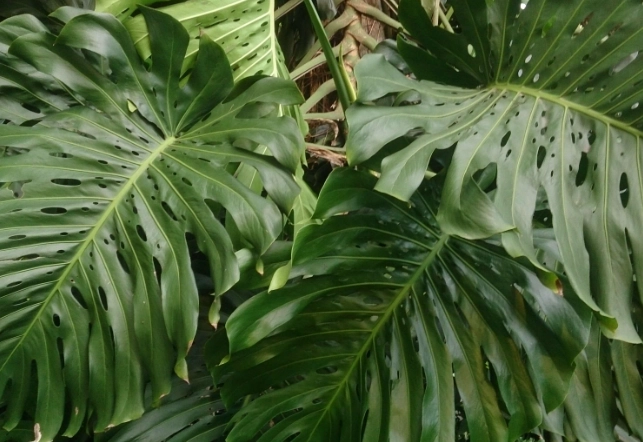
Monstera Deliciosa Care Basics: It’s Simpler Than You Think
Let’s cut to the chase. You bought this plant because of those iconic split leaves. You want those fenestrations. Everyone does. The secret isn’t some special fertilizer or talking to it (though that might help you). It’s understanding its rhythm.
This plant hails from the rainforests of Central America. It’s used to dappled light, high humidity, and climbing trees. Your apartment is not a rainforest. That’s okay. We’re going to work with what you have.
Light and Watering: The Two Biggest Mistakes
Light: Bright, indirect light. That’s the mantra. But here’s a nuance most articles miss: it’s not just about intensity, but duration. Six hours of bright indirect light is better than four hours of direct sun. A north-facing window is often ideal, but an east-facing one with sheer curtains works wonders. I’ve had a monstera thrive in a room with only a few hours of morning sun because the light was consistent. Consistency beats intensity every time. The plant will adapt its growth rate, not its leaf shape. If your leaves are staying small and not splitting, it’s likely a light issue, but it’s often a maturity issue first. Give it time.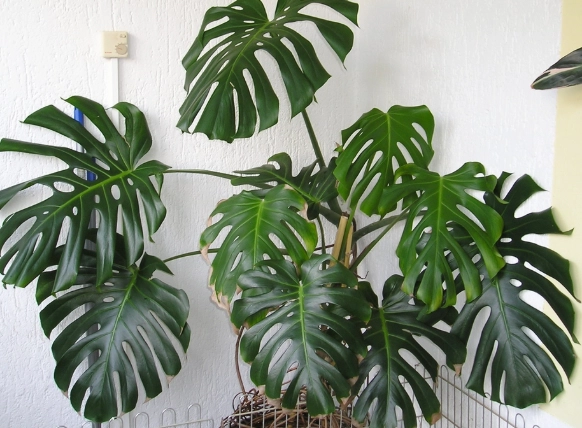
Watering: This is where I see the most confusion. People follow a weekly schedule religiously. That’s a mistake. Your monstera doesn’t care what day it is. It cares about the soil moisture. Stick your finger in the soil. If the top two inches are dry, water thoroughly. If they’re still moist, wait. In winter, that might mean watering every three weeks. In summer, maybe once a week. The plant will tell you. Watch for the leaves starting to droop slightly. That’s your cue. Not the calendar.
The Soil Mistake Almost Everyone Makes
Here’s a non-consensus opinion: Most generic potting mixes are fine. You don’t need a special “monstera mix.” What you need is drainage. I’ve repotted monstera deliciosa into cheap, big-box store soil and had it thrive because I added extra perlite. The key is air to the roots. If water sits, the roots rot. Simple. A common mistake is using a pot without drainage holes. That’s a death sentence. Always use a pot with holes, and consider adding a layer of pebbles at the bottom if you’re worried about overwatering.
Common Monstera Deliciosa Problems and How to Fix Them
Let’s talk about yellow leaves. They scream overwatering. But sometimes, they’re just old leaves dying off. A few yellow leaves at the bottom? Normal. Yellowing all over? Check your watering habits. Browning leaf tips? That’s often low humidity. Increase humidity by misting, grouping plants, or using a humidifier. But here’s a trick: don’t mist the leaves directly if you’re in a hard water area; mineral deposits can block pores. Mist the air around it instead.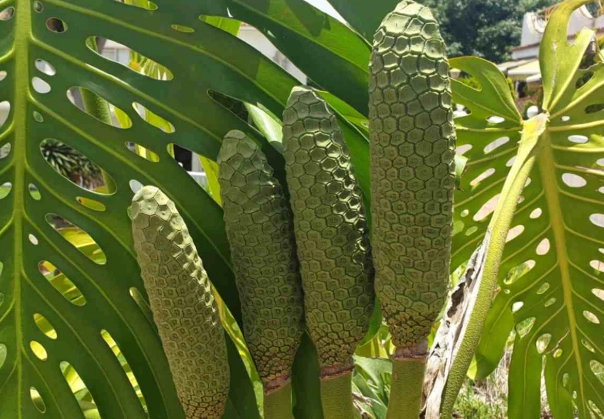
How to Propagate Your Monstera Deliciosa: A Step-by-Step Guide
Propagation is easy. Too easy. That’s why so many cuttings fail. The biggest mistake? Taking a cutting without a node. The node is where the roots and new growth come from. Always, always include one. Cut a stem with at least one node and one leaf. Let the cut end callous over for a day or two. Then, you have two main methods: water propagation or soil propagation.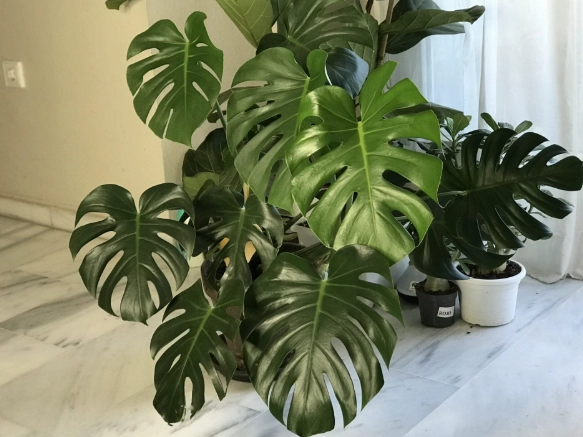
I prefer water propagation for beginners. It’s visual. You can see the roots growing. But here’s the kicker—change the water weekly. Stagnant water invites bacteria that rot the stem. Use room temperature water, not cold tap water. Once the roots are about an inch long, transfer to soil. Don’t wait until they’re three inches; that’s too long, and the plant might struggle to adapt.
Your Monstera Questions Answered