Aeonium Sunburst Care Guide: Grow Vibrant Succulents Successfully
Getting started
Explore This Guide
Let’s be honest. A lot of plant advice out there feels like it was written by someone who has never actually killed a plant. They throw around terms like “bright indirect light” and “well-draining soil” without really telling you what that means on a Tuesday when you’re staring at a droopy plant wondering what you did wrong.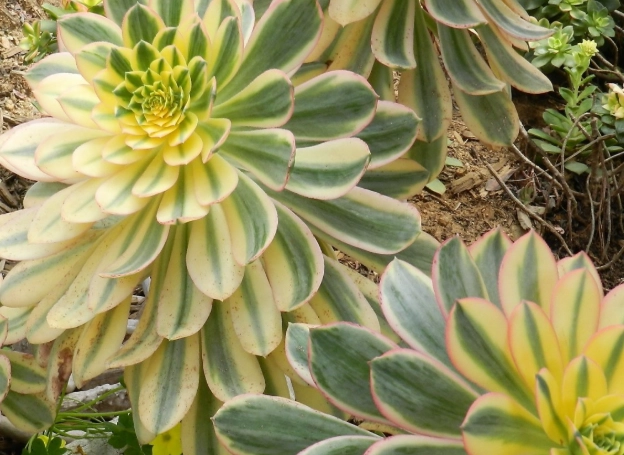
I’ve been there. I’ve murdered my share of succulents with kindness (read: overwatering). But the Aeonium Sunburst? This one’s different. It’s a stunner—a large rosette with creamy yellow and green stripes, often edged in pink. It looks like a watercolor painting decided to become a plant. And the best part? Once you crack its code, it’s surprisingly forgiving.
This isn’t just a plant profile. This is the guide I wish I had when I brought my first sunburst home, all hopeful and completely clueless. We’re going to get into the nitty-gritty of keeping it alive, making it thrive, and even making more of them.
What Exactly Is an Aeonium Sunburst?
Before we dive into care, let’s get acquainted. The Aeonium Sunburst is a cultivar, a specially bred variety, of the larger Aeonium genus. These are succulent plants native to the Canary Islands, which gives you a big clue about what they like: think coastal, sunny, and not too cold.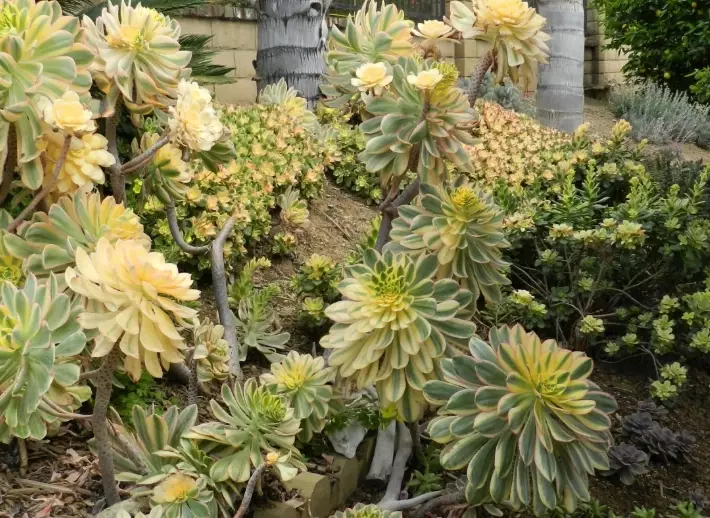
The ‘Sunburst’ variety is famous for its size and color. We’re talking rosettes that can easily span a foot across once mature. The leaves are spoon-shaped, fleshy, and display that gorgeous variegation—pale green centers, creamy yellow stripes, and often a rosy-pink blush on the edges, especially when it’s happy with its light.
It has a branching, tree-like growth habit. Unlike some succulents that stay as a single head, a mature Aeonium Sunburst will develop a woody stem and send out multiple rosettes, creating a spectacular, architectural specimen.
One crucial thing to know upfront: Aeoniums are winter growers. This flips the script on most common succulents. They actively grow during the cooler, wetter months (fall to spring) and often go semi-dormant in the heat of summer. This fact alone explains so many care mysteries.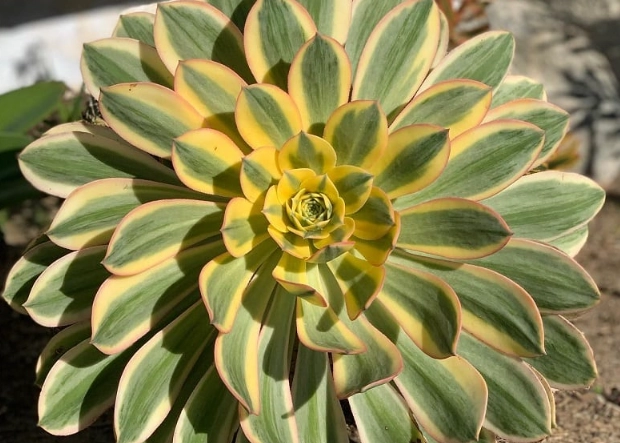
The Non-Negotiable Rules for Aeonium Sunburst Care
Okay, let’s get practical. You’ve got the plant. Now what? Forget the vague advice. Here’s exactly what you need to do, broken down into the elements that matter most.
Light: Where Most People Go Wrong
This is the big one. That beautiful variegation? It needs light to develop and maintain. A pale, stretched-out Aeonium Sunburst is a sad sight—it’s etiolated, desperately reaching for more sun.
Outdoors: If you’re in a climate that allows it (more on that later), aim for a spot with morning sun and afternoon shade, or dappled light all day. In cooler coastal areas, it can handle more direct sun. The key is to acclimate it slowly. Don’t shove a greenhouse-grown plant into full, blazing afternoon sun on day one. You’ll scorch it.
Indoors: This is the real challenge. A south-facing window is your best bet. An unobstructed east or west window might work, but you’ll need to watch for stretching. A north window? Almost certainly not enough. I tried it once. The plant survived, but it lost all its pink edges and the variegation became faint and washed out. It was just… green and leggy. Not the point.
If your indoor light is weak, especially in winter, consider a grow light. A simple LED panel a few inches above the plant for 12-14 hours a day can make a world of difference. It’s the secret to keeping that spectacular color indoors.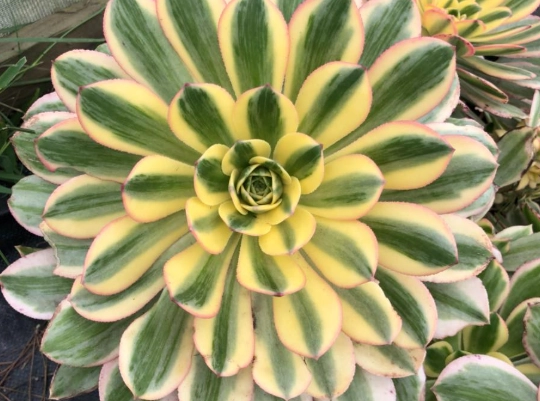
Watering: The Art of the Soak and Dry
Overwatering is the #1 killer of succulents, and aeoniums are no exception. But here’s the twist: because they grow in winter, their watering needs are seasonal.
- Fall to Spring (Active Growth): Water thoroughly when the top inch or two of soil is completely dry. Drench the soil until water runs freely out the drainage hole. Then, let it dry out again. Don’t let it sit in a saucer of water.
- Summer (Dormant/Slow Growth): Water much more sparingly. The soil can stay dry for longer. Just enough to prevent the leaves from shriveling excessively. If the leaves cup inward tightly, it’s very thirsty.
How do you tell if it’s thirsty? Don’t just follow a schedule. Feel the soil. Look at the leaves. A well-hydrated Aeonium Sunburst has firm, plump leaves. As it uses up water, the lower leaves may soften slightly. If many leaves are wrinkling or becoming papery, it’s time for a drink.
Soil and Pot: Building the Right Foundation
This is non-negotiable. Fast drainage is everything. A standard potting mix holds too much moisture.
Use a cactus & succulent mix as your base. But for an Aeonium Sunburst, I like to go a step further and amend it. I mix about 2 parts commercial cactus mix with 1 part perlite or pumice. Some people add coarse sand. The goal is a gritty, airy mix that water flows through quickly.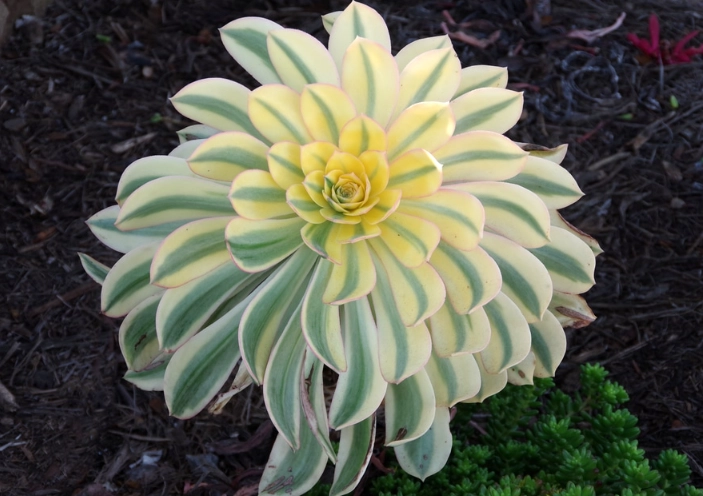
The pot must have a drainage hole. Terracotta pots are excellent for beginners because they’re porous and help wick away extra moisture, reducing the risk of overwatering. Plastic or glazed ceramic pots are fine too, just be a bit more cautious with your watering.
Temperature and Hardiness
Here’s a common point of confusion. Aeonium Sunburst is not a desert cactus. It’s from islands with mild climates. It doesn’t like extreme heat or extreme cold.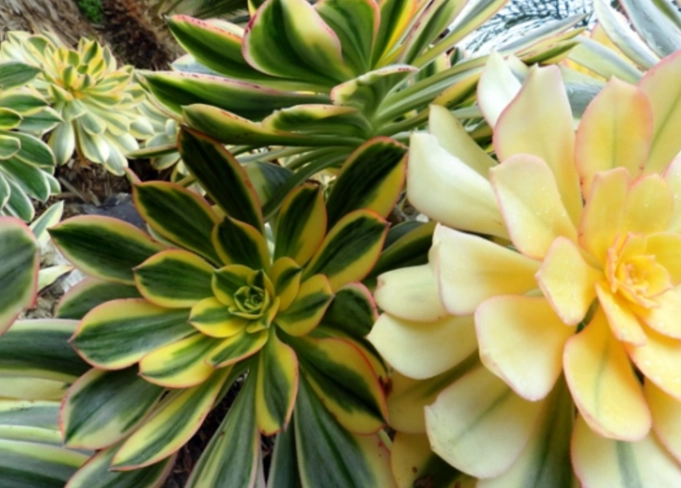
Ideal Range: 65°F to 75°F (18°C to 24°C) is perfect.
Cold Tolerance: It can handle brief dips down to around 30°F (-1°C) if the soil is dry. But frost is a real danger. Sustained freezing temperatures will kill it. If you’re in USDA zone 9b or 10, you can probably grow it outdoors year-round. In zone 9a, it’s risky. Anywhere colder, it needs to come inside for the winter.
Heat Tolerance: When temperatures soar above 85°F (29°C), it will start to slow down and may go dormant. Provide afternoon shade during heatwaves.
My own experience? I lost a beautiful outdoor specimen one unexpected late frost. I thought it would be okay. It wasn’t. The entire center of the main rosette turned to mush. It was a heartbreaking lesson. Now, I watch the forecast like a hawk.
Feeding: A Little Goes a Long Way
These aren’t heavy feeders. During their active growth period (fall to spring), you can feed them once a month with a balanced, water-soluble fertilizer diluted to half strength. A formula like 10-10-10 or one specifically for succulents works well.
Stop feeding in the summer when growth slows.
Over-fertilizing, especially with high-nitrogen formulas, can cause weak, leggy growth and dilute that beautiful variegation. Less is more.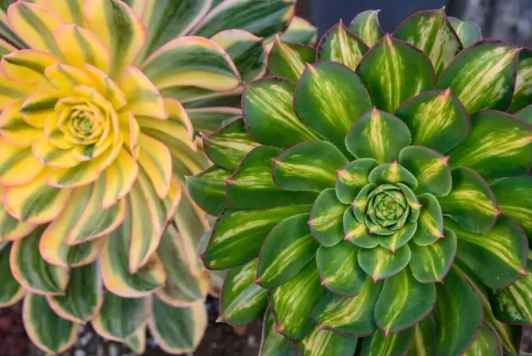
Making More: How to Propagate Aeonium Sunburst
One of the joys of this plant is how easy it is to share. Propagation is straightforward, and stem cuttings are the most reliable method. Here’s my step-by-step, tried-and-true process.
- Take the Cutting: Use a clean, sharp knife or pruners. Cut a stem with a rosette on top. A cutting 3-6 inches long is ideal. You can also use offsets (the little side rosettes) if your plant has them.
- Callus Over: This is the critical step most people rush. Place the cutting in a dry, shaded spot for at least 3-5 days, until the cut end has dried and formed a hard callus. This prevents rot when you plant it.
- Plant It: Stick the callused end into your pre-moistened, gritty succulent mix. Don’t water it yet.
- The Waiting Game: Place it in bright, indirect light. Wait about a week, then give the soil a very light watering. The goal is to encourage roots without rotting the stem.
- Rooting: In a few weeks, you should feel resistance if you give the cutting a gentle tug—roots have formed! Now you can begin a regular, but careful, watering routine.
You can also try leaf propagation, but it’s less reliable with aeoniums compared to, say, echeverias. The leaf often withers before producing a new plantlet. Stem cuttings are your best bet for a sure thing.
Common Problems and How to Fix Them (The Troubleshooting Guide)
Even with perfect care, things can go sideways. Here’s a quick-reference table for diagnosing your Aeonium Sunburst’s woes.
| Symptom | Likely Cause | What to Do |
|---|---|---|
| Leaves are pale, plant is stretched tall | Not enough light (Etiolation) | Gradually move to a brighter location. You can behead the stretched stem and re-root the rosette. |
| Brown, crispy patches on leaves | Sunburn | Move to a spot with gentler light (morning sun/afternoon shade). Acclimate slowly to sunnier spots. |
| Lower leaves turning yellow, mushy, falling off | Overwatering / Root Rot | STOP watering. Check roots. If rotten, take healthy stem cuttings to propagate. Repot in dry, gritty mix. |
| Leaves wrinkled, thin, curling inwards | Underwatering | Give the plant a thorough soak. Adjust watering frequency. |
| White, cottony masses on leaves/stems | Mealybugs | Isolate plant. Dab bugs with rubbing alcohol on a cotton swab. For severe cases, use insecticidal soap or a systemic insecticide. |
| Sticky residue on leaves, tiny flies | Aphids or Fungus Gnats | Spray aphids off with water or use insecticidal soap. For gnats, let soil dry out more between waterings; use yellow sticky traps. |
Pests love stressed plants. A healthy Aeonium Sunburst in good light and with proper watering is your first line of defense. I check my plants every time I water, just a quick glance under the leaves and in the crevices of the rosette. Catching pests early makes all the difference.
Aeonium Sunburst vs. Aeonium Kiwi: What’s the Difference?
This is a super common question. They look similar to the untrained eye—both are variegated aeoniums. But they’re distinct cultivars. Here’s how to tell them apart and decide which might be better for you.
Aeonium ‘Sunburst’ is the larger, more dramatic cousin. Rosettes can be over 12 inches across. The variegation is stripes of creamy yellow and green. It has a strong, tree-like form. It’s a statement plant.
Aeonium ‘Kiwi’ is smaller and more shrubby. Rosettes are typically 3-6 inches across. The coloration is different: the leaves are often a gradient of green in the center, yellow in the middle, and a bright pink/red on the edges. It’s more of a colorful, bushy filler.
Which is easier? In my experience, Aeonium Kiwi is often a bit more tolerant of less-than-perfect light indoors and seems to be slightly more forgiving with watering. It’s a fantastic beginner aeonium. The Sunburst is more demanding of light to look its best, but its architectural impact is unbeatable.
Your Aeonium Sunburst Questions, Answered
Let’s tackle some of the specific questions that pop up in plant forums and search bars all the time.