How to Propagate Snake Plant: A Foolproof Guide to More Sansevieria
Popular plants
Quick Guide
- Why Propagate Your Snake Plant Anyway?
- Gearing Up: What You'll Need to Get Started
- The Big Three: Your Methods to Propagate Snake Plant
- Okay, I Propagated My Snake Plant... Now What?
- Troubleshooting: Why Isn't My Propagation Working?
- Your Snake Plant Propagation Questions, Answered
- The Final Word: Keep It Simple
Let's be real for a second. You're looking at your snake plant, also known as Sansevieria or mother-in-law's tongue, and thinking it looks a bit lonely. Or maybe you've seen those gorgeous, full pots online and want that lush look without dropping another $30 at the nursery. I get it. I was there too. The good news? Learning how to propagate snake plant is one of the easiest wins in the houseplant world. It's almost foolproof. I say "almost" because, well, I've managed to mess it up before by being too impatient. But we'll get to that.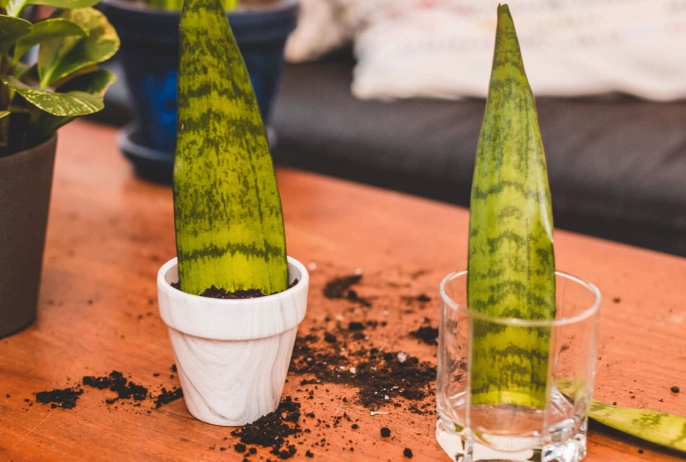
The core idea is simple: you take a piece of your existing plant and convince it to grow its own roots, creating a brand new, free plant. It feels like magic, but it's just clever plant science. Whether you're a total beginner who just kept a succulent alive for a month or a seasoned plant parent with a jungle in your living room, this guide will walk you through every single step, pitfall, and secret to successfully propagate snake plant.
Why bother? Beyond the free plants (which is a huge perk), it's a fantastic way to rejuvenate an old, leggy plant. It's also deeply satisfying. There's something special about watching a leaf you cut yourself push out its first bright white root. It never gets old.
Why Propagate Your Snake Plant Anyway?
Before we get our hands dirty, let's talk motivation. Sure, free plants are the obvious answer. But there are more reasons you might want to propagate snake plant.
First, control. Maybe your original plant is getting too tall for its spot. Propagating lets you create shorter, bushier offspring perfect for a shelf. Second, sharing. A baby snake plant makes a genuinely thoughtful, personal gift. It's way better than a store-bought one because you grew it. Third, rescue missions. If part of your plant gets damaged—say, from overwatering, a curious pet, or an unfortunate encounter with a vacuum cleaner—you can salvage the healthy parts. Cut away the rot or damage, and propagate the good bits. It's like a plant life insurance policy.
I had a gorgeous cylindrical snake plant (Sansevieria cylindrica) that my cat decided was a back-scratcher. It was leaning like the Tower of Pisa. Instead of tossing it, I chopped up the undamaged stems, propagated them, and now I have three sturdy little plants. The original? It's finally growing straight again. A win-win.
Gearing Up: What You'll Need to Get Started
You don't need a fancy gardening kit. Most of this stuff is probably in your house already. Gathering it first makes the whole process smoother.
- A Healthy Mother Plant: This is non-negotiable. Don't try to propagate a sick, stressed, or dehydrated plant. Choose a leaf that's firm, deeply colored, and free of any soft spots or scars.
- Sharp, Clean Cutting Tool: A sharp knife, pruning shears, or even a fresh box cutter blade. Clean it with rubbing alcohol first. A clean cut heals faster and prevents infection. My blunt scissors mistake? Never again.
- Containers: Small pots, cups, or jars. For water propagation, clear glass is fun so you can watch the roots grow. For soil, pots with drainage holes are king.
- The Right Medium: This is where people get tripped up.
- For Water: Just plain tap water, left out for a day to let chlorine evaporate.
- For Soil: A well-draining mix is critical. A standard cactus/succulent potting mix works. I like to make my own: two parts regular potting soil, one part perlite, one part coarse sand. It's impossible to overwater in this stuff.
- Rooting Hormone (Optional but Helpful): A powder or gel you dip the cut end into. It's not magic beans, but it can speed up root development, especially for soil propagation. I use it for thicker cuttings.
- Patience: This is the hidden tool. Snake plants are not in a hurry. We're talking weeks, sometimes months.
The Big Three: Your Methods to Propagate Snake Plant
Here's the meat of it. There are three main ways to create new snake plants. I've laid them out in a table because seeing them side-by-side really helps you choose.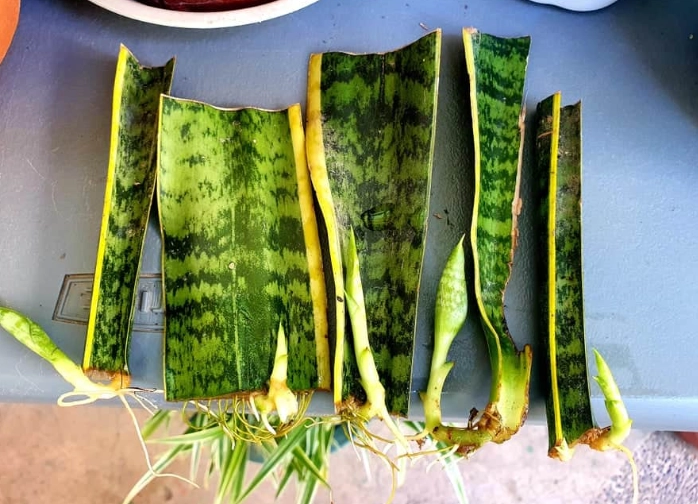
| Method | Best For... | Speed | Difficulty | Key Thing to Remember |
|---|---|---|---|---|
| Water Propagation | Beginners, visual learners, single leaf cuttings. | Roots appear faster (2-8 weeks), but planting later adds time. | Very Easy | Change the water weekly to prevent bacterial slime. |
| Soil Propagation | Those who hate the transplant step, wanting a "set and forget" approach. | Slower to see progress (1-4 months), but plant is already established in soil. | Easy | Do. Not. Overwater. Wait until bone dry between waterings. |
| Division | Mature, crowded plants, preserving exact variegation (like the yellow edges on Laurentii). | Instant new plant! It already has roots. | Moderate (requires unpotting and some muscle) | Best done during repotting in spring. Use a clean, sharp tool to separate rhizomes. |
You see? Each has its vibe. I use water propagation when I'm impatient and want to see something happening. I use soil when I have a bunch of cuttings and don't want to babysit them. And division is for when my plant is literally bursting out of its pot.
Method 1: Water Propagation (The Watch-it-Grow Method)
This is the most popular way to propagate snake plant, and for good reason. It's simple and rewarding. Here's the step-by-step I wish I had the first time.
Step 1: The Perfect Cut. Select a healthy, outer leaf. Using your clean, sharp tool, cut it off as close to the soil line as you can. You can cut this leaf into multiple sections, each 3-6 inches long. Here's the most important tip: note which end was pointing down towards the roots. You must keep track of the polarity. The bottom end (closest to the roots) goes in the water. The top end (the leaf tip) stays out. If you put it in upside down, it will not root. I mark the bottom with a tiny dot from a permanent marker.
Step 2: The Callus Wait. This is the step everyone skips and then wonders why their cutting rotted. Lay your cuttings on a paper towel in a shady spot for 1-3 days. Let the cut end dry out and form a callus—a dry, sealed layer. This callus is your main defense against rot when you put it in water.
Step 3: The Water Bath. Place your callused cuttings in a jar or glass. Only submerge the bottom inch or so. Use enough water to cover that part, but don't drown the whole thing. Place it in bright, indirect light. A north or east-facing windowsill is perfect.
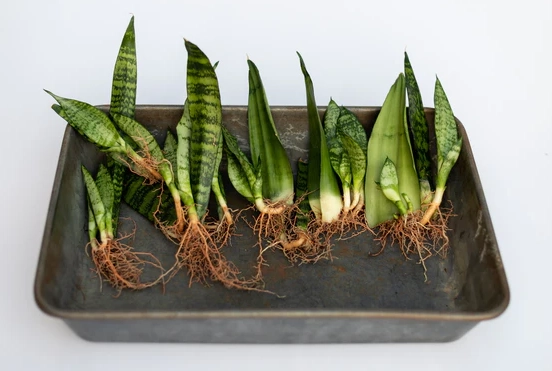
Step 4: The Waiting Game & Maintenance. Change the water every 5-7 days. This is crucial. Stagnant water gets funky and will rot your cutting. Just pour it out, rinse the cutting gently, and add fresh water. Watch for little white nubs, which are the beginnings of roots. They'll eventually grow into long, orange-ish roots.
Step 5: The Transition to Soil. Once your roots are a couple of inches long (and you have some secondary roots branching off), it's time to pot up. This is a delicate phase. The water roots are fragile. Gently plant in your well-draining soil mix. Water it lightly to settle the soil. For the first few weeks, keep the soil slightly more moist than you would for a mature snake plant to help it adjust from water to soil life. Then, revert to your normal, neglectful watering schedule.
Method 2: Soil Propagation (The Set-and-Forget Method)
If the idea of changing water weekly sounds like a chore, go straight to soil. It mimics the plant's natural process more closely.
You start exactly the same way: take your cuttings, let them callus for a few days. This callusing step is even more critical for soil propagation.
Then, instead of water, you stick the callused end directly into a small pot filled with your dry, well-draining succulent mix. Bury it about an inch deep. You can plant multiple cuttings around the edge of a pot for a fuller look later.
Here's the hard part: DO NOT WATER IT. Not yet. Place the pot in bright, indirect light and walk away for a week. Just let it sit in dry soil. This allows any minor cuts from planting to heal and further prevents rot.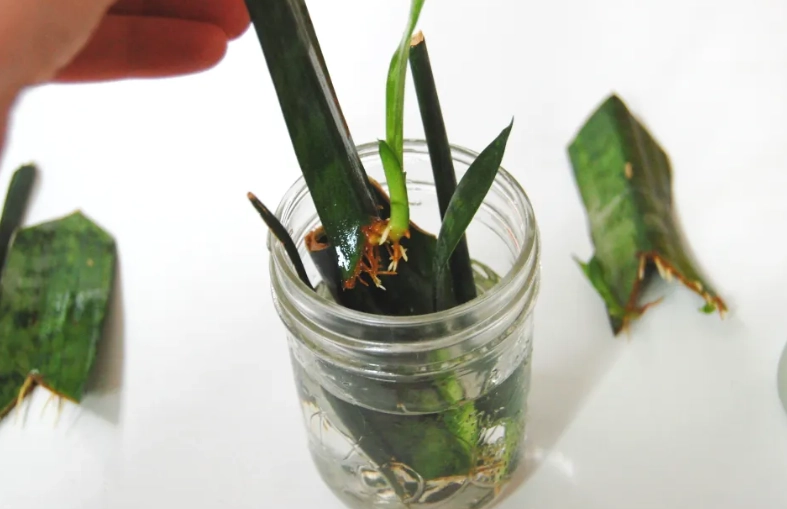
After a week, give it a very light watering—just enough to dampen the soil around the cutting. Then, wait. And wait. The soil must dry out completely before you even think about watering again. Stick your finger in it. Is it dry two inches down? Good. Wait another few days. The lack of visible progress is a test of faith. You're waiting for the cutting to put energy into pushing roots down into the soil to search for water.
How do you know it worked? Gently tug on the cutting after about a month. If you feel slight resistance, congratulations! Roots have formed. Now you can begin a very cautious watering routine, always erring on the side of dryness.
Method 3: Division (The Instant Gratification Method)
This is the best way to propagate snake plant varieties with specific color patterns, like the 'Moonshine' (silver-green) or 'Bantel's Sensation' (white stripes). Division creates a genetic clone.
You'll need a mature, multi-crowned plant. The best time to do this is when you're already planning to repot in the spring or early summer.
- Gently remove the entire plant from its pot. Shake off excess soil so you can see the root structure.
- Look for natural separation points. You'll see individual "pups" or rosettes of leaves connected by thick, horizontal stems called rhizomes under the soil.
- Using your hands, gently tease the root masses apart. If they're really tangled, you may need to use a clean, sharp knife to cut through the connecting rhizome. Make sure each division has a good chunk of roots attached to its leaves.
- Pot each division into its own container with fresh, well-draining soil. Water it lightly to settle the roots, and then care for it as you would a mature plant.
It's that simple. You've just turned one plant into two or three. The Royal Horticultural Society (RHS), a leading gardening authority, recommends division as the primary method for named cultivars to ensure they stay true to type. You can read more about plant propagation principles on their official propagation advice page.
Okay, I Propagated My Snake Plant... Now What?
Care after propagation is just as important as the process itself. Your baby plant is vulnerable.
Light: Bright, indirect light is ideal. A little morning sun is okay. Avoid harsh, direct afternoon sun which can scorch the tender new growth. A study from the University of Florida's IFAS Extension on Sansevieria production notes they tolerate low light but grow best with moderate light.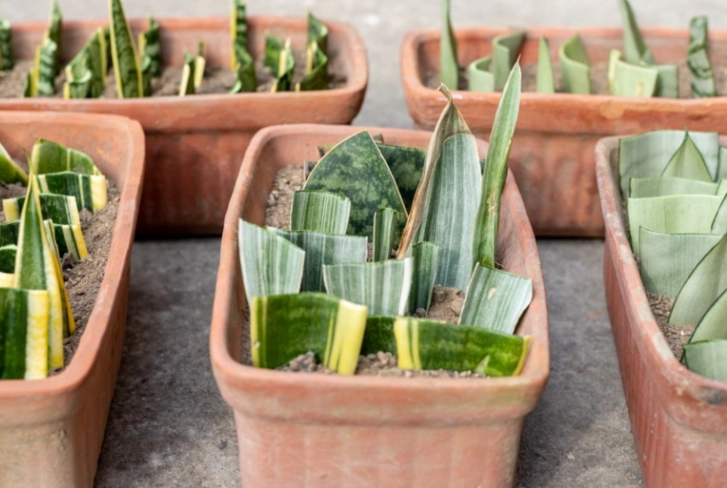
Watering: This is the make-or-break habit. For newly potted propagations (from water or soil), wait until the top 1-2 inches of soil are completely dry before giving a thorough drink. Then, let it drain completely. No soggy bottoms in the saucer. For divisions, you can treat them more like mature plants but still be cautious for the first month.
Potting Up: Don't put a tiny new cutting with two roots into a huge 10-inch pot. The excess soil holds too much moisture and can cause root rot. Use a small pot that's just slightly larger than the root ball. Snake plants actually like being a bit root-bound.
Troubleshooting: Why Isn't My Propagation Working?
Let's diagnose some common issues. I've faced most of these.
- Cutting is Mushy and Rotting: Almost always due to excess moisture before roots formed. Did you skip the callusing step? Was the soil/weter dirty? Start over with a new cutting, callus properly, and use clean supplies.
- No Roots After Months: Be patient. It can take time, especially in lower light or cooler temperatures. Ensure it's getting enough indirect light. If in water, is it changing regularly? If in soil, is it warm enough? Propagation is faster in warmer months (70-80°F / 21-27°C is ideal).
- Cutting is Shriveling and Drying Out: This is less common but can happen in soil propagation if the soil is a hydrophobic peat mix that repels water, or if it's in a very hot, dry location. The cutting used up its stored moisture before making roots. Try a different soil mix next time and ensure the initial watering after the first week actually moistened the soil around the cutting.
- New Growth is All Green (from a Variegated Leaf): This is normal for leaf cuttings of variegated types. The variegation is often a genetic mutation that isn't stable in leaf propagation. To get the stripes or edges back, you must use division.
Your Snake Plant Propagation Questions, Answered
I get asked these all the time. Let's clear them up.
The Final Word: Keep It Simple
Look, at its heart, learning how to propagate snake plant is about embracing a bit of patience and resisting the urge to over-care. These plants thrive on benign neglect. The process is a slow, quiet magic. Start with water propagation if you're a visual person who needs feedback. Try soil if you're forgetful like me and don't want another weekly chore. Use division when your plant gives you a clear sign it's ready.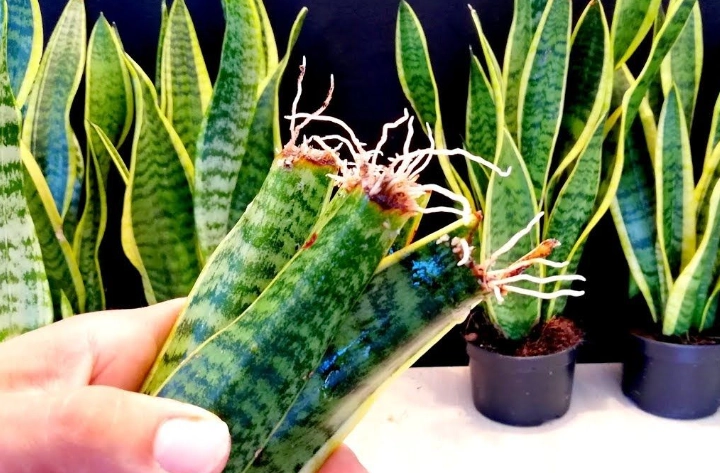
The biggest takeaway? Don't be afraid to try. Even if a cutting fails, you learn something. The mother plant will almost always grow a new leaf to replace the one you took. It's a low-risk, high-reward project. Grab a leaf, make a clean cut, let it callus, and give it a shot. Before you know it, you'll have more snake plants than you know what to do with—and that's a fantastic problem to have.