The Complete Guide to the Romero Plant: Growing, Care, and Uses
Popular plants
Quick Navigation
So you're thinking about growing a romero plant? Good choice. It's one of those herbs that feels both ancient and incredibly useful in a modern kitchen or garden. You've probably seen it in those little plastic pots at the garden center, maybe even bought one on a whim. I know I have. But then it sits on your windowsill, and you're not quite sure what to do next. Water it? How much sun does it really need? And what on earth do you do with all those spiky leaves?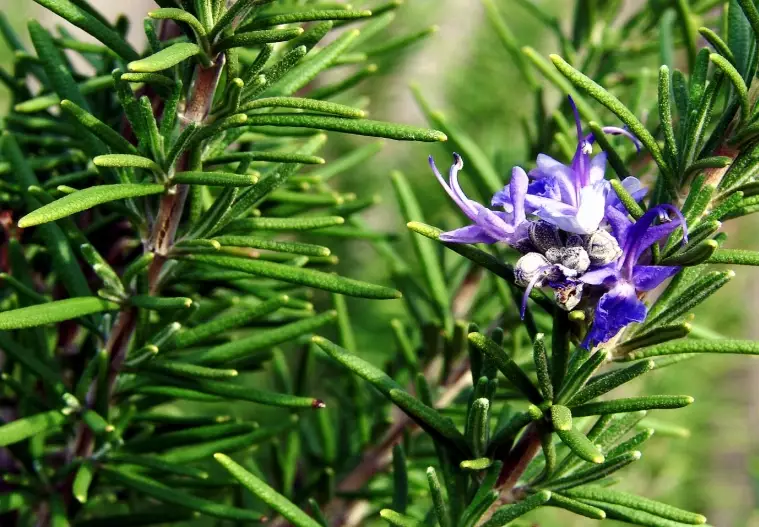
Let's clear that up. The romero plant is, of course, rosemary. (Rosmarinus officinalis, if we're being botanical). The name "romero" is widely used in Spanish-speaking communities, and it's caught on broadly because, well, it's a lovely name for a lovely plant. It's not a different species; it's the same resilient, fragrant shrub beloved from Mediterranean cliffs to backyard herb gardens.
I've killed a few rosemary plants myself by being too enthusiastic with the watering can. It's a common mistake. This guide is the one I wish I'd had back then. We're going to move beyond the basic "it likes sun" advice and get into the nitty-gritty of keeping a romero plant not just alive, but thriving. We'll also talk about why you'd want to—from flavoring a roast chicken to potentially boosting your memory (the science on that is fascinating).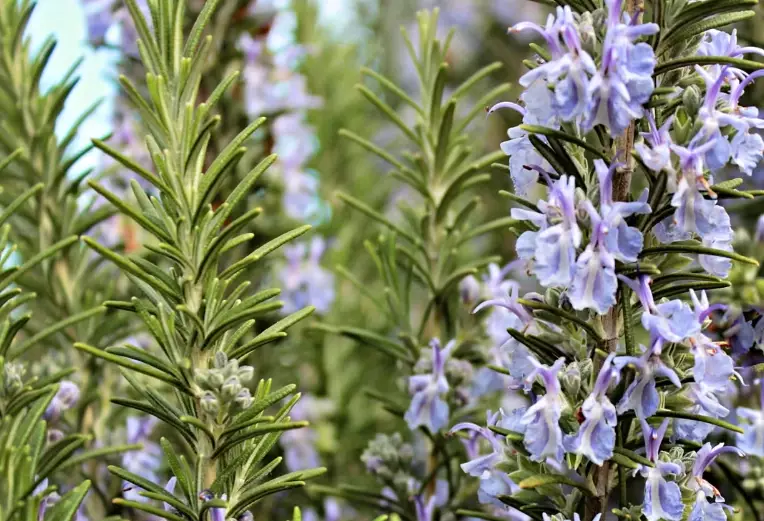
What Exactly is a Romero Plant?
Before we dig into the dirt, let's get acquainted. Rosemary isn't some delicate annual herb like basil. It's a woody-stemmed evergreen shrub. In its native Mediterranean habitat, it can grow into a massive, sprawling bush. In your garden or pot, it's more manageable, but it has that same tough character.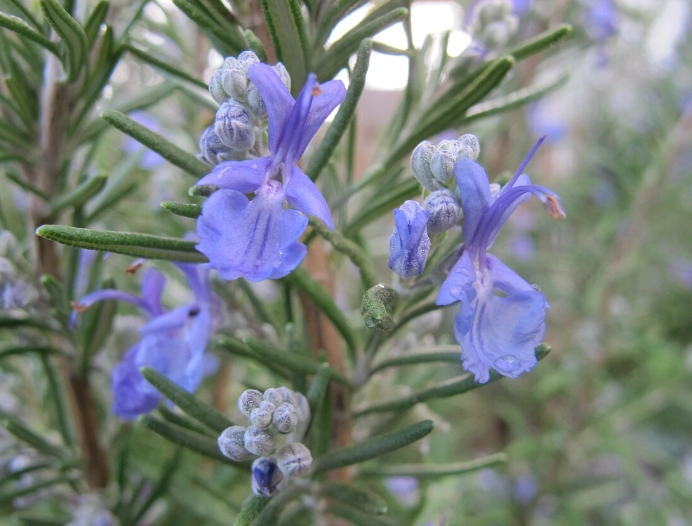
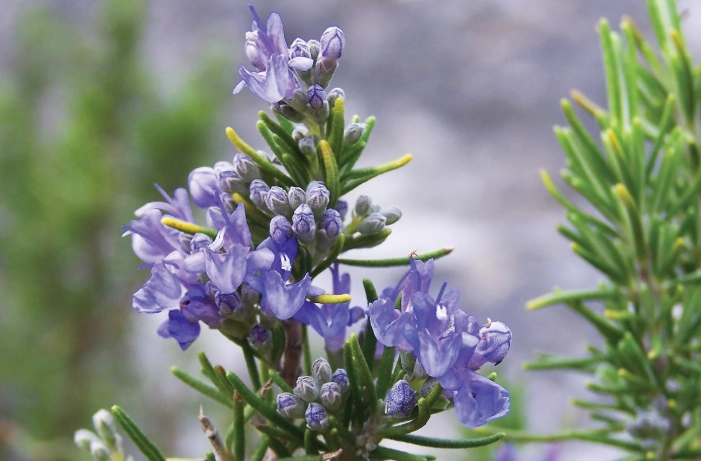
The leaves are the star. They're needle-like, dark green on top with a distinctive silvery-white underside. Run your fingers over them, and they release that iconic, piney, camphorous scent. It's crisp and clean. That aroma is a big clue to its needs—it evolved in hot, dry, windy places, so those tough leaves are built to conserve water.
You'll also find different varieties of the romero plant. They're not all the same!
| Variety Name | Growth Habit | Best For | Special Notes |
|---|---|---|---|
| 'Tuscan Blue' | Upright, tall | Cooking (thick, flavorful stems) | My personal favorite for flavor. Less woody, great for skewers. |
| 'Arp' | Upright, spreading | Cold climates | Reportedly hardy down to -10°F! A real survivor. |
| 'Prostratus' | Trailing/Creeping | Ground cover, hanging baskets | Beautiful cascading over walls. Less potent flavor for cooking. |
| 'Golden Rain' | Upright, compact | Ornamental gardens | Variegated yellow-green leaves. Slower grower, quite pretty. |
Choosing the right type of romero plant from the start sets you up for success. Want it mainly for cooking? Go for an upright culinary variety like 'Tuscan Blue'. Have a cold winter? 'Arp' might be your hero. Just want something pretty tumbling over a pot? 'Prostratus' is your guy.
How to Plant Your Romero Plant: Setting the Stage for Success
This is where most failures begin, honestly. People treat it like any other herb. It's not. Think of it more like a succulent with ambitions.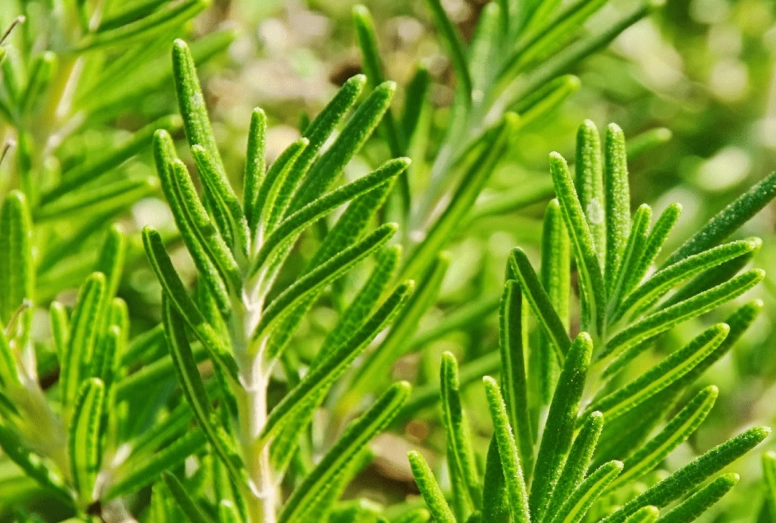
Location, Location, Sun-Location
Rosemary needs sun. Not "a few hours." I'm talking at least 6-8 hours of direct, unfiltered sunlight per day. More is better. A south-facing spot is ideal. If you're growing indoors, a sunny windowsill is the bare minimum, but even then, it might get leggy. A grow light can be a game-changer for an indoor romero plant.
Good air circulation is also crucial. It prevents fungal diseases. Don't cram it in a corner with other plants where air can't move.
The Dirt on Soil (It's Critical)
This is non-negotiable. Romero plant roots hate wet feet. The soil must be very well-draining. What does that mean?
- For Garden Beds: If you have heavy clay soil, you must amend it. Dig a hole twice as wide as the root ball. Mix the native soil with a hefty amount of coarse sand or fine gravel (like poultry grit) and some compost. The goal is to create a gritty, loose mix. The Royal Horticultural Society emphasizes the importance of sharp drainage for Mediterranean herbs to prevent root rot.
- For Containers: This is easier to control. Do NOT use standard potting soil or, heaven forbid, soil from your garden. Use a cactus/succulent mix, or make your own: 2 parts regular potting soil, 1 part coarse perlite, 1 part coarse sand or fine bark chips. Ensure the pot has large, unobstructed drainage holes.
Planting Steps
- Timing: Plant after all danger of frost has passed in spring, or in early fall in warmer climates.
- The Hole: Dig a hole just as deep as the root ball but 2-3 times wider.
- Handling: Gently tease out the roots if they're pot-bound (circling tightly).
- Placing: Set the plant in the hole so the top of the root ball is level with the soil surface. Planting too deep invites stem rot.
- Backfilling: Fill in with your prepared soil mix. Tamp down gently.
- Watering In: Give it a good, deep drink to settle the soil. Then, follow the watering rules below.
The Realistic Care Guide for a Thriving Romero Plant
Okay, it's in the ground or pot. Now the real relationship begins. Forget a rigid schedule. Your plant will tell you what it needs.
Watering: The Art of Benign Neglect
This is the hardest habit to break for many gardeners. We want to care for our plants, and watering feels like caring. With rosemary, caring often means leaving it alone.
The Finger Test is Law: Stick your finger into the soil, down to about the second knuckle. If it feels dry at that depth, it's time to water. If it feels even slightly cool or damp, walk away. In summer, this might be once a week for a potted plant, maybe even less for one in the ground. In winter, it could be once a month.
When you do water, water deeply. Soak the soil completely until water runs freely out of the drainage holes. This encourages deep root growth. Then, let it dry out completely again.
Let's be honest, sometimes plants just die.
To Feed or Not to Feed?
Rosemary is not a heavy feeder. In fact, too much fertilizer, especially high-nitrogen ones, can lead to weak, leggy growth and less fragrant leaves.
- In the Ground: If you mixed in compost at planting time, it might not need any additional feeding for a year or two.
- In Containers: A light feeding in spring with a balanced, organic fertilizer (like fish emulsion or a slow-release granular fertilizer labeled for herbs) is plenty. Half-strength is a good rule. The National Gardening Association notes that over-fertilizing herbs can diminish their essential oil content—the source of their flavor and scent.
Pruning: Keeping It Shapely and Productive
You have to prune a romero plant. If you don't, it gets woody, leggy, and opens up in the center. Pruning encourages bushier, denser growth with more tender tips for harvesting.
How to Prune: Never cut back into the old, bare, brown wood. It rarely sprouts new growth from there. Always make your cuts in the green, leafy growth. You can safely remove up to one-third of the plant at a time. The best time for a major haircut is in spring, just as new growth starts. You can do light, harvesting-style pruning all season.
Simply snip off the tips you need for cooking. This act of harvesting is pruning.
Overwintering: The Cold Truth
This depends entirely on your climate and the variety you chose.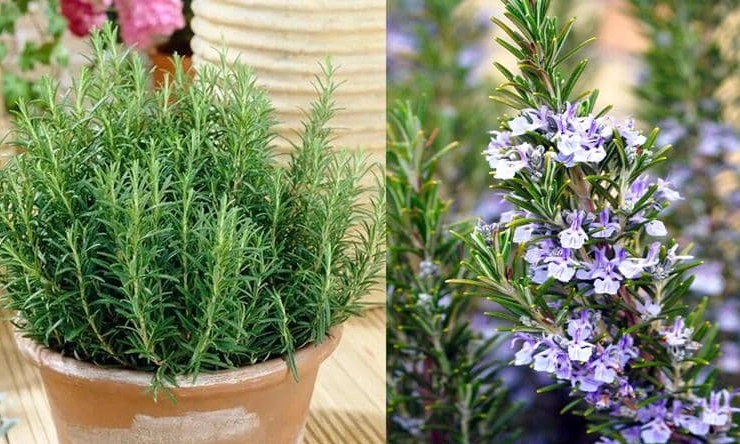
Potted Plants in Cold Climates: Bring them indoors before the first frost. Place them in the sunniest spot possible—a cool sunroom or south-facing window. Cut back on watering dramatically. The plant will likely semi-dormant. It might look a little sad. Don't panic and overwater. Just keep it alive until spring.
In-Ground Plants in Marginal Zones: A thick layer of mulch around the base can help protect the roots. Some gardeners swear by wrapping the plant in burlap or using a frost cloth on very cold nights. It's a gamble.
Harvesting and Using Your Romero Plant
This is the rewarding part! All that care turns into something you can use.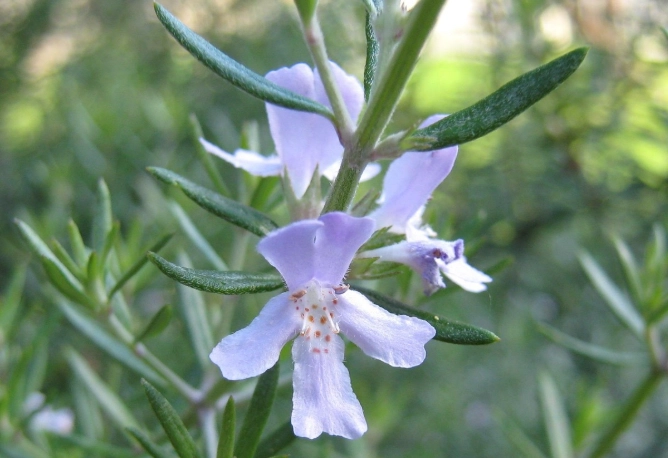
How and When to Harvest
You can harvest sprigs from your romero plant anytime once it's established. The flavor is most potent just before the plant flowers, but it's strong year-round. Always use clean, sharp scissors or pruners.
Cut stems that are 4-6 inches long, making your cut just above a set of leaves. This encourages branching. Harvest from different parts of the plant to keep its shape.
Preserving Your Bounty
- Fresh: Store sprigs in a damp paper towel in a plastic bag in the fridge for up to 2 weeks.
- Drying: Tie small bunches upside-down in a warm, dry, dark place with good air circulation (not the kitchen, where steam can affect it). Once crispy dry, strip the leaves and store in an airtight jar.
- Freezing: Strip leaves from stems, chop finely, and freeze in ice cube trays with water or olive oil. Pop out a "flavor cube" for soups and stews.
The Many Uses of Romero Plant
It's so much more than a lamb seasoning.
| Use Category | How to Use It | Personal Take/Note |
|---|---|---|
| Culinary | Roasted meats (chicken, lamb, pork), stews, soups, breads (focaccia!), infused oils/vinegars, compound butter, cocktails. | A woody stem makes a fantastic natural skewer for grilled shrimp or vegetables. Imparts a subtle flavor. |
| Medicinal & Wellness* | Herbal tea for digestion, inhaled steam for congestion, infused in carrier oils for topical use. Research suggests rosmarinic acid has anti-inflammatory properties. | *I am not a doctor. This is traditional use. For memory/cognition, the evidence is mixed but intriguing. A 2016 review in Terapevticheskii Arkhiv noted potential, but more research is needed. Always consult a healthcare professional. |
| Household & Beauty | Simmer sprigs with citrus for a natural air freshener. Use in DIY hair rinses (said to darken hair and combat dandruff). Add to a bath for a relaxing soak. | The scent is a natural deodorizer. I toss a few sprigs in the fireplace for a wonderful aroma. |
| Ornamental | Makes a beautiful, drought-tolerant hedge or topiary. The creeping varieties are excellent in rock gardens or spilling over walls. | It attracts bees when in flower! The tiny blue flowers are a lovely early spring bonus. |
Common Problems (and Real Solutions)
Even with the best care, things can go wrong. Here's a quick trouble-shooter.
Yellowing Leaves, Drooping Stems: Almost certainly overwatering/root rot. Stop watering immediately. Let the soil dry out completely. If the plant is in a pot with poor drainage, repot it into a better mix ASAP. You might lose it, but it's the only chance.
Brown, Crispy Leaves (especially at tips): Could be underwatering (check the soil!), but more commonly it's low humidity indoors, or salt/fertilizer burn. Flush the soil with plenty of water if you suspect fertilizer buildup.
Powdery White Coating on Leaves (Powdery Mildew): Caused by poor air circulation and humidity. Improve airflow, avoid wetting the foliage when watering, and prune to open up the plant. A spray of diluted milk (1 part milk to 9 parts water) can help as a fungicide.
Few Pests: Thankfully, rosemary is fairly pest-resistant due to its strong oils. Spider mites can be an issue indoors in dry air. A strong spray of water can dislodge them. Slugs might nibble on tender new growth.
Your Romero Plant Questions, Answered
Growing a romero plant is a lesson in restraint. It teaches you to observe, not just follow a schedule. It rewards a light touch. Once you get past the initial fear of under-watering, it becomes one of the most reliable and generous plants in your space. You get beauty, fragrance, and an endless supply of one of the world's great culinary herbs.
Start with the right soil and the sunniest spot you have. Water only when it's truly dry. Snip from it often. Do that, and you'll have a loyal, fragrant companion for years to come. Maybe even decades.
Now, go check if that soil is dry yet.