Pothos Propagation: The Complete Guide to Growing New Plants Easily
Houseplant care
In This Guide
Let's be real for a second. Who doesn't love the idea of free plants? I know I do. There's something incredibly satisfying about taking a single, maybe even a bit scraggly, pothos vine from your existing plant and turning it into a whole new, thriving entity. It feels like a little bit of gardening magic, and the best part? It's stupidly easy. Pothos propagation is arguably the most beginner-friendly plant project you can tackle. If you can keep a pothos alive (and let's face it, they're practically immortal), you can absolutely propagate one.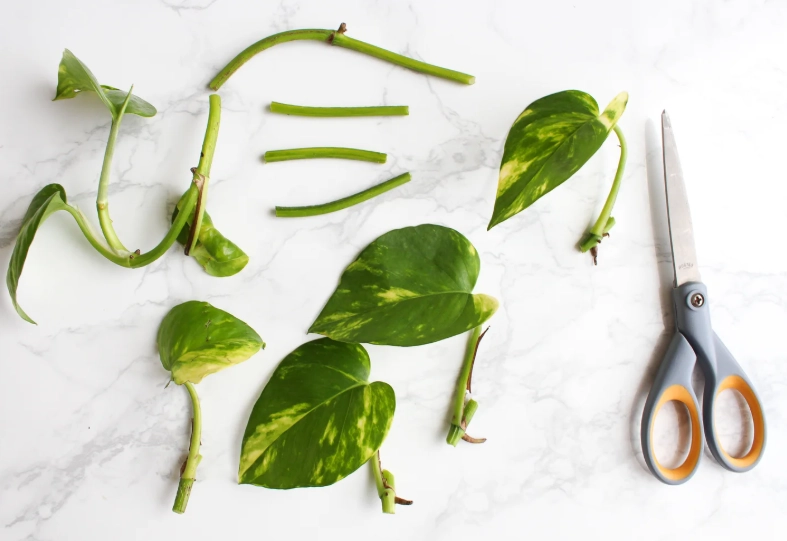
I remember my first attempt. I was nervous, snipping a piece off my beloved golden pothos with kitchen scissors. I stuck it in a murky glass of water on my windowsill and basically forgot about it for weeks. When I finally remembered, lo and behold, a tangled mess of healthy white roots had exploded in the jar. That moment of success is addictive. Now, my house has what my friends kindly call a "pothos problem," with cuttings in various stages of growth on every available surface.
This guide isn't going to just give you the basic steps. We're going deep. We'll walk through every method—water, soil, sphagnum moss—and talk about why you might choose one over the other. We'll troubleshoot the weird stuff, like why your cutting is rotting instead of rooting, and answer all those nitty-gritty questions that pop up when you're staring at a jar of water wondering if you're doing it right. By the end, you'll have the confidence to propagate pothos like a pro and finally understand what those "nodes" everyone keeps yelling about actually are.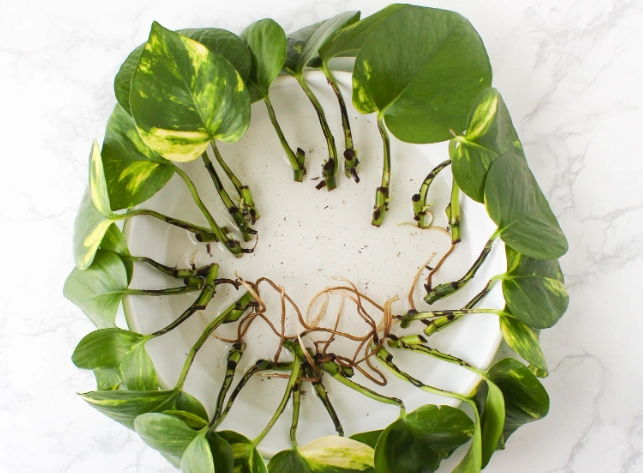
Getting Started: The Non-Negotiables for Success
Before you make the first cut, let's talk about what you absolutely need to get right. Skip this part, and you might be setting yourself up for frustration.
The Sacred Node: Your Cutting's Lifeline
This is the single most important concept in pothos propagation. If you take away one thing, let it be this: No node, no new plant. A node is that little brownish, bumpy ring on the vine. It's where leaves and aerial roots grow from. This bump contains all the cellular machinery needed to create a whole new root system. You can have the most beautiful, lush six-inch piece of stem, but if there's no node on it, it will never grow roots. It'll just sit there looking pretty until it eventually withers.
When you take your cutting, you must include at least one node. I usually go for cuttings with 2-3 nodes, just to be safe and give it more potential rooting points. The cutting can be just a node with a tiny bit of stem above and below, or it can be a longer piece with several leaves. The node is the star of the show.
Choosing the Perfect Mother Plant
Not all pothos vines are created equal when it comes to propagation. You want to take cuttings from the healthiest part of the healthiest plant you have. Here's what to look for:
- Vibrant Leaves: Avoid vines with yellowing, crispy, or heavily damaged leaves. The plant is already stressed.
- Firm, Green Stems: Steer clear of sections that are mushy, brown, or look shriveled.
- Active Growth: The tips of the vines where new leaves are unfurling are often excellent candidates, as they are in a vigorous growth phase.
I made the mistake once of trying to "save" a dying section of a pothos by propagating it. The logic seemed sound at the time, but it was a disaster. A sick cutting rarely makes a healthy plant. Start strong.
Your Propagation Method Menu: Pick Your Favorite
This is where the fun begins. There are a few main roads to successful pothos propagation, and each has its own vibe and advantages. Let's break them down.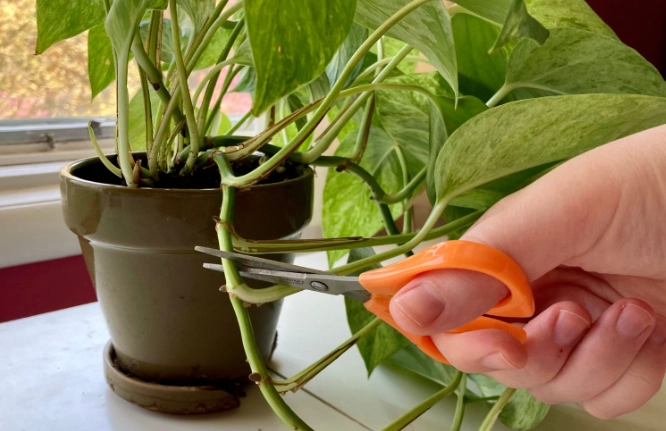
Method 1: Water Propagation (The Classic)
This is the gateway method for most people, and for good reason. It's visual, it's simple, and it's low-commitment. You get to watch the roots grow day by day, which is half the fun.
How to do it:
- Take your cutting, ensuring it has 1-3 nodes.
- Remove any leaves that would be submerged under water. Rotting leaves will foul the water.
- Place the cutting in a jar, vase, or glass of room-temperature water. Only the node(s) need to be underwater; the leaves should stay high and dry.
- Place it in a spot with bright, indirect light. A north or east-facing windowsill is perfect.
- Change the water once a week to keep it fresh and oxygenated. This is crucial to prevent slimy bacterial growth.
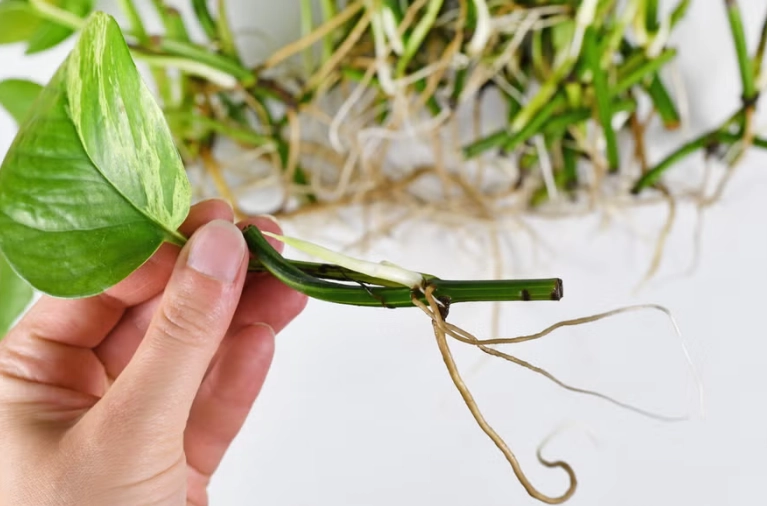
You'll usually see little white nubs (root initials) forming from the node within 1-2 weeks. Full, transplant-ready roots can take 4-6 weeks, sometimes longer in lower light or cooler temps.
The Good: It's incredibly satisfying to watch. No need to worry about soil moisture. Easy to check on progress.
The Not-So-Good: The roots that grow in water are different from soil roots (they're aquatic-adapted). When you eventually pot them in soil, the plant goes through an adjustment period called "transplant shock," where it has to grow new soil-specific roots. Sometimes a leaf or two might yellow during this transition. It's normal, but it can worry new plant parents.
Method 2: Direct Soil Propagation (The One-Step Wonder)
This method skips the water middleman. You stick the cutting directly into the pot where you want it to grow. It's a more natural process and avoids transplant shock altogether.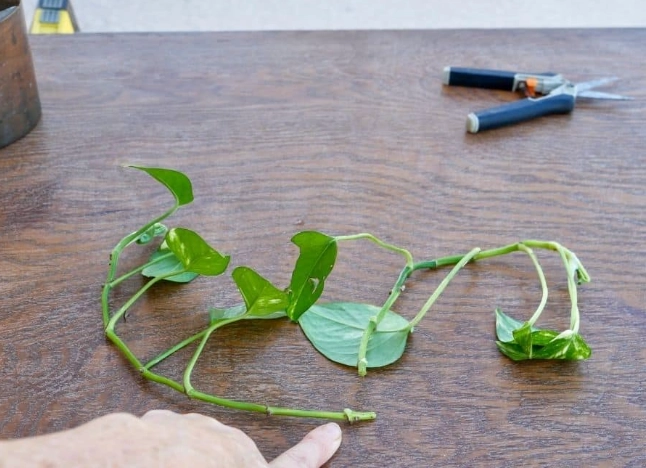
How to do it:
- Prepare a small pot with a well-draining potting mix. A standard indoor mix with some perlite added for aeration is great.
- Take your cutting. You can dip the cut end in rooting hormone powder (not necessary, but can speed things up).
- Make a small hole in the soil with a pencil or your finger and insert the cutting, burying at least one node.
- Firm the soil gently around the stem.
- Water the soil thoroughly until it drains from the bottom.
- Place the pot in bright, indirect light. To create a humid microenvironment (which cuttings love), you can cover the pot loosely with a clear plastic bag or place it inside a clear storage container. Just air it out every few days.
- Keep the soil consistently moist but not soggy. Think damp sponge, not wet mud.
The hard part here is patience. You can't see what's happening underground. The key is to resist the urge to tug on the cutting to check for roots. Give it 3-5 weeks. New leaf growth is the best sign your pothos propagation in soil has succeeded.
Method 3: The Sphagnum Moss Box (The Propagator's Secret)
This is my personal favorite for higher success rates and managing lots of cuttings. Sphagnum moss is sterile, holds moisture perfectly, and provides excellent air circulation around the nodes.
You'll need a clear plastic container with a lid (like a deli container or storage box) and some pre-moistened sphagnum moss. Squeeze the moss so it's damp, not dripping. Fill the container about halfway, lay your cuttings on top, and close the lid. Place it in bright, indirect light. The container creates a self-sustaining, humid terrarium. Open it every few days for fresh air. Roots develop quickly in this ideal environment. The University of Florida's IFAS Extension notes that a sterile, moisture-retentive medium like sphagnum moss is excellent for preventing disease during propagation, which is a huge plus.
To help you decide, here's a quick comparison of the core pothos propagation methods:
| Method | Best For | Success Rate | Rooting Speed | Effort Level |
|---|---|---|---|---|
| Water Propagation | Beginners, visual learners, small-scale projects | High | Medium (4-6 weeks) | Low (must change water) |
| Soil Propagation | Those who hate transplanting, creating full pots quickly | Medium-High | Slow-Medium (3-8 weeks) | Medium (must monitor moisture) |
| Sphagnum Moss | High-volume propagation, rare varieties, ensuring humidity | Very High | Fast (2-5 weeks) | Low (set and forget) |
Why Is My Propagation Failing? Let's Troubleshoot.
Okay, so you tried and things went... mushy. Or nothing happened at all. Don't sweat it. Here are the most common pothos propagation fails and how to fix them.
- The Rotting Stem: This is usually from the node or cut end being submerged in stagnant water or buried in soggy, non-aerated soil. The tissue suffocates and rots. Solution: For water, change it weekly. For soil, use a mix with perlite and don't overwater. Make sure your container has drainage holes.
- Yellowing Leaves: On a water cutting, it might be a nutrient deficiency (water has none). On a soil cutting, it could be overwatering or the natural sacrifice of an old leaf to fuel new root growth. Solution: Be patient. If it's just one old leaf, it's probably fine. If all leaves are yellowing, check your moisture levels.
- No Roots After Weeks: The likely culprits are too cold a location, not enough light, or (most commonly) a cutting taken from a dormant or unhealthy section of vine. Solution: Move it to a warmer, brighter spot. Next time, take cuttings from vigorous growth.
- The Limp, Lifeless Cutting: It's dehydrated. In water propagation, this can happen if the water level drops below the node. In soil, the soil may have dried out completely. Solution: Keep the node submerged or the soil consistently moist.
Leveling Up: Pro Tips and Creative Ideas
Once you've mastered the basics, you can play around. Here are some things I've learned that aren't in the basic guides.
The "Full Pot" Fast-Forward: Don't propagate single cuttings one by one. When you want a bushy new plant fast, take 5-8 cuttings and plant them all directly into one pot using the soil method. Instant fullness.
Reviving Leggy Plants: Is your old pothos all vines and no leaves at the base? Chop the long vines into multiple cuttings (each with a node), propagate them, and once rooted, plant them back into the mother plant's pot to fill it out. It's like giving your plant a full hair transplant.
Experiment with Light: I've found that my marble queen and neon pothos cuttings root just fine in lower light, but their variegation (those pretty white and yellow patches) is less stable. For highly variegated types, brighter indirect light during propagation helps maintain their color. The Missouri Botanical Garden, a fantastic resource for plant info, lists Epipremnum aureum (the scientific name for pothos) as tolerating low light but thriving in medium to bright indirect light, which applies to cuttings too.
What About Fertilizer? Don't feed cuttings. They have no roots to absorb it, and it can harm delicate new root growth. Wait until the new plant is well-established in its pot and showing active growth, then start with a diluted, balanced fertilizer.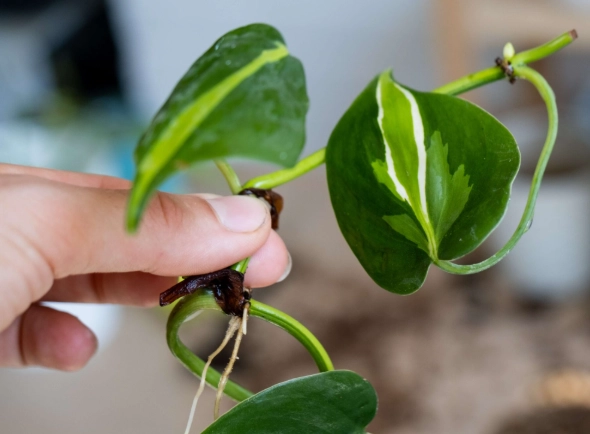
Your Pothos Propagation Questions, Answered
Beyond the Basics: Why This Skill is a Game-Changer
Learning pothos propagation does more than just give you free plants. It teaches you the fundamentals of plant growth in a low-stakes way. You learn to identify nodes, understand root development, and recognize the signs of plant health and stress. This knowledge transfers to caring for all your other houseplants.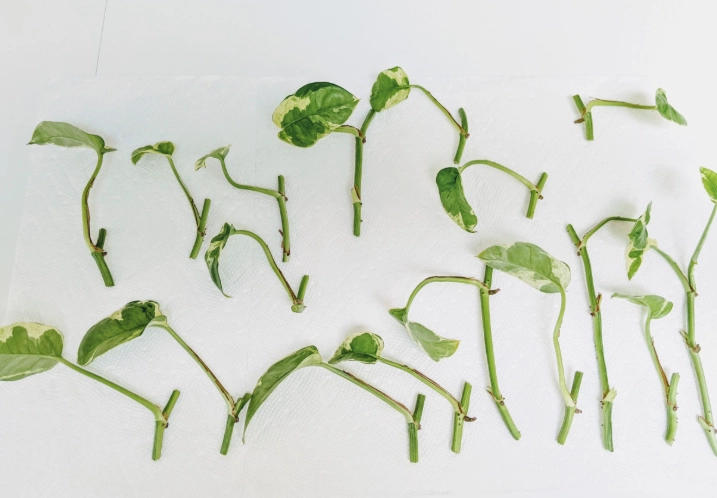
It's also deeply rewarding. In a world of instant gratification, tending to a cutting and waiting weeks for roots is a quiet, satisfying practice. You're not just buying a plant; you're creating one from a piece of another. You become an active participant in its life from the very beginning.
So grab your scissors, find a node, and give it a try. Start with water if you're nervous. Stick a few cuttings in a jar on your kitchen windowsill. Forget about it for a week. Then take a look. You might just be surprised by what you've started.