Kalanchoe Flowering Secrets: How to Make Your Plant Bloom Year-Round
Houseplant care
So you brought home a kalanchoe, all covered in those cheerful little flowers. It was gorgeous. Then, a few months later... nothing. Just green leaves. Sound familiar? You're not alone. Getting a kalanchoe to re-bloom is the single biggest frustration for owners of these otherwise tough plants. I've been there too—staring at a stubbornly green plant, wondering what magic I was missing.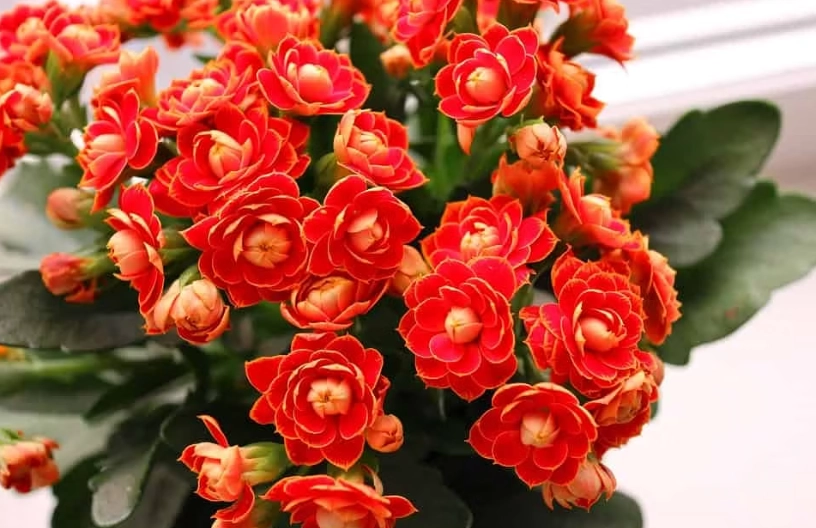
The truth is, kalanchoe flowering isn't magic, but it does require understanding a simple, non-negotiable trick of nature. It's not about fancy fertilizers or talking to your plant (though that never hurts). It's about light. But not just any light. We'll get into the nitty-gritty of that in a second.
This guide isn't just a rehash of the same old "give it light and water" advice. We're going deep. We'll cover why your plant bloomed in the first place (hint: the nursery tricked it), exactly what to do to trick it again at home, the common mistakes that block blooms dead in their tracks, and how to care for it after the flowers fade so it lives to bloom another day—year after year.
Understanding the Kalanchoe Flowering Cycle: Why It Blooms and Then Stops
First, let's clear something up. That stunning kalanchoe you bought at the grocery store or garden center? It was forced into bloom. Growers meticulously control light in greenhouses to trigger kalanchoe flowering for specific holidays (Christmas, Easter, Mother's Day). They're basically giving the plant a strict "go to bed early" schedule until flower buds form.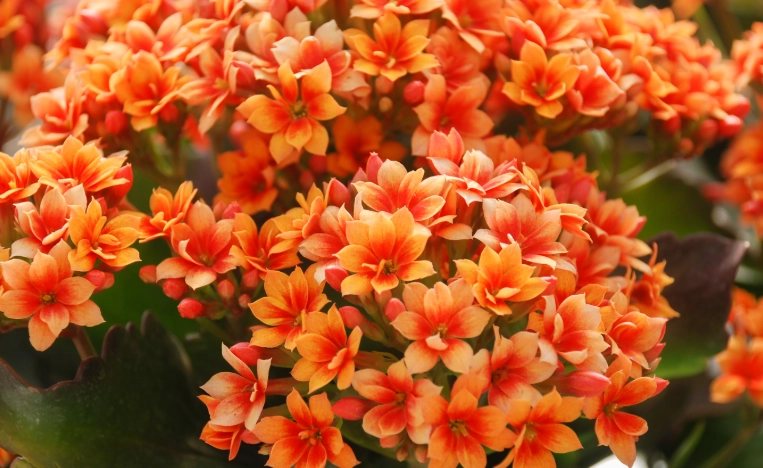
Then it comes home to you. Your living room has lights on in the evening. A streetlamp shines outside. The natural day length is all wrong. The plant reverts to its normal, vegetative growth mode—making leaves, not flowers. It's not broken; it's just confused.
Its natural blooming period, if left to its own devices under consistent conditions, is late fall through early spring. That's when natural day lengths are shorter. But who wants flowers only part of the year? Not me. Luckily, we can mimic those conditions anytime.
The Non-Negotiables: How to Make Your Kalanchoe Bloom
Forget everything else for a moment. If you want flowers, you must get these three things right. This is the holy trinity of kalanchoe flowering.
1. The Light & Darkness Dance (This is THE Key)
This is where most people fail. Kalanchoes need:
- Bright, INDIRECT Light During the Day: A south or west-facing window is great, but maybe with a sheer curtain to prevent scorching in summer. East-facing is perfect. They need this energy to grow strong and produce buds.
- Absolute, Unbroken Darkness at Night: For 14 hours straight, for 6 to 8 weeks. This is non-negotiable. Even a few minutes of light from a lamp, TV, or hallway can reset the clock. Think of it like the plant counting the hours of darkness. A flick of a light switch makes it start over at zero.
How to do it practically? Two methods:
- The Closet Method: Every day at 5 or 6 PM, put the plant in a totally dark closet or cupboard. Bring it out at 7 or 8 AM. Be religious about it. Set a phone reminder.
- The Box Method: Can't move it? Drape a large, opaque box over it in the evening. A thick fabric cover might work, but ensure no light peeks through.
After 6-8 weeks of this regiment, you should see tiny flower buds forming at the tips. Then you can stop the dark treatment and just enjoy the show.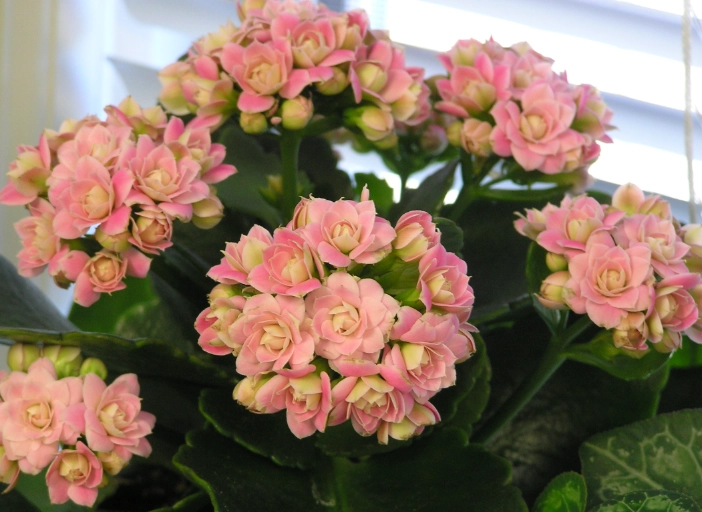
2. Watering: The Delicate Balance
Overwatering is the fastest way to kill a kalanchoe (and definitely prevent flowers). Underwatering stresses it. You need the sweet spot.
The Foolproof Method: Use the "finger test." Stick your finger into the soil up to the first knuckle. If it feels completely dry, water thoroughly. Water until it runs out the drainage hole, then let the pot drain completely. Never let it sit in a saucer of water. In winter, or during bud formation, you might only need to water every 2-3 weeks. In hot, bright summer, maybe once a week.
Why does this matter for flowering? Consistent moisture stress (too dry or too soggy) tells the plant to focus on survival, not reproduction. A happy, slightly thirsty (but not parched) plant is more likely to think about making babies (flowers).
3. Feeding: Less is More
You don't need heavy feeding for kalanchoe flowering. In fact, too much nitrogen (the first number in fertilizer, like 10-10-10) will give you a gorgeous, bushy green plant with zero flowers.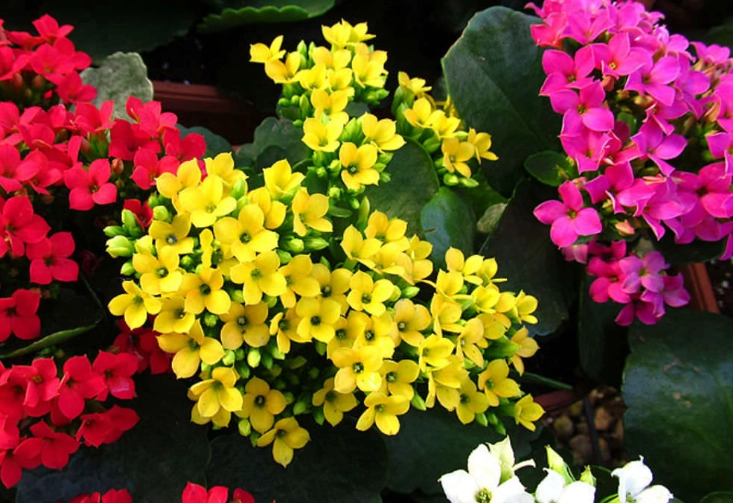
What to use: A balanced, water-soluble fertilizer diluted to half strength, or one formulated for blooming plants (higher in phosphorus, the middle number, like 5-10-5).
When to feed: Only during active growth (spring and summer). Feed maybe once a month. Stop fertilizing completely during the 6-8 week bud-forcing period and during the full bloom. Resume a light feeding schedule after the flowers fade and you've pruned it back.
Why Won't My Kalanchoe Flower? Top Problems and Fixes
Let's troubleshoot. If you're trying but not seeing buds, one of these is likely the culprit.
| Problem | Likely Cause | The Fix |
|---|---|---|
| No flower buds at all | Insufficient darkness period / too much artificial light at night. | Implement the strict 14-hour darkness routine for 6+ weeks. Be militant about it. |
| Bud drop (buds form then fall off) | Sudden change in environment, overwatering, or underwatering during bud development. | Keep the plant in a stable location once buds appear. Check soil moisture more carefully—keep it consistently lightly moist, not wet or bone dry. |
| Lots of leaves, no flowers | Too much nitrogen fertilizer or not enough bright light during the day. | Switch to a bloom-booster fertilizer (higher phosphorus) or stop fertilizing. Move to a brighter spot (with indirect light). |
| Leggy growth, weak stems | Not enough bright light during its "day" period. | Provide more bright, indirect sunlight. This weak growth won't support good flowering. |
| Plant looks healthy but just sits there | It might need a rest period. Constant growth without a break can exhaust it. | After a bloom cycle, give it a few months of normal care without trying to force buds. Let it rebuild energy. |
See a pattern? It almost always comes back to light management. It's the number one reason for kalanchoe flowering failure.
Choosing the Right Kalanchoe for Spectacular Blooms
Not all kalanchoes are created equal when it comes to floral displays. The most common is Kalanchoe blossfeldiana, but even within that, there are stars. Here's a quick comparison of popular types based on my experience and what growers say.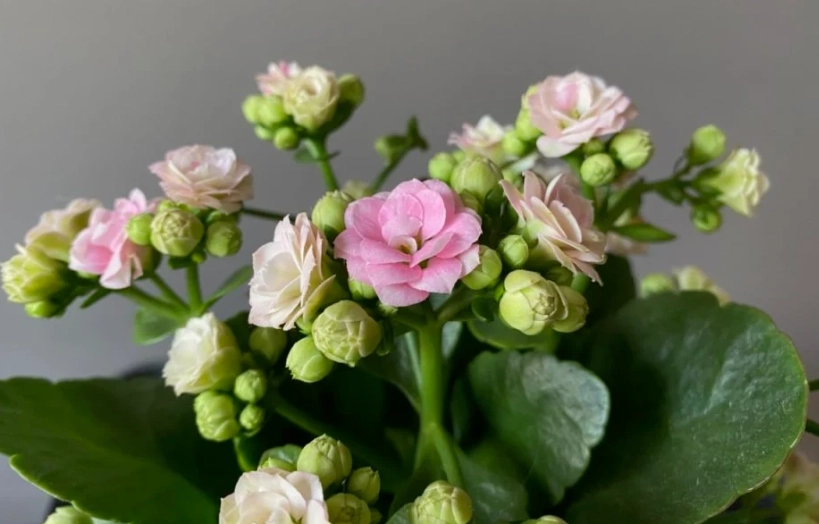
| Variety / Series | Flower Type & Color | Bloom Notes & My Take |
|---|---|---|
| Classic Blossfeldiana | Single, four-petaled flowers. Reds, yellows, pinks, oranges, white. | The original workhorse. Reliable, easy to find, and responds well to the light trick. A solid choice. |
| Calandiva Series (often labeled as such) | Double, rose-like flowers. Dense clusters in many colors. | Show-stoppers. The blooms are incredibly full and last a long time. However, I find they can be slightly more prone to bud drop if stressed. Worth the extra attention. |
| 'Queen' Series | Large, single flowers on taller stems. Vibrant colors. | More elegant, less clustered. The flowers are bigger individually. Good if you prefer a less "busy" look. |
| Kalanchoe manginii (Chandelier Plant) | Bell-shaped, pendulous orange-red flowers. | Completely different look! Trailing habit. The flowering process is the same, but it creates a stunning hanging basket. Less common, but a real conversation piece. |
Does the variety change the care for kalanchoe flowering? The core rules—long nights, careful watering—remain the same. But some fancy hybrids might be a tad more finicky. Start with a classic red or pink Blossfeldiana to get the hang of it.
What to Do After the Flowers Fade (Don't Just Throw It Out!)
This is the critical phase most guides skip. Your kalanchoe has just put all its energy into that amazing bloom. Now it's tired.
- Deadhead: Once the flower clusters are completely spent and brown, snip them off. Use clean scissors or pinch them off at the base of the flower stalk. This stops the plant from wasting energy making seeds.
- Consider a Hard Prune: If the plant is leggy, you can cut it back by up to one-third. Make cuts just above a leaf node (where leaves meet the stem). This encourages bushier growth. You can even propagate these cuttings! Let the cut end callous over for a day, then stick it in dry succulent soil.
- Give it a Rest: For 2-3 months, just give it basic care. Bright indirect light, water when dry, maybe a half-strength feed once. Let it recover and grow new leaves.
- Then, Force Again: After its rest period, you can start the 14-hour darkness routine again to trigger the next round of kalanchoe flowering. This way, you can theoretically have blooms 2-3 times a year with planned "rests" in between.
Advanced Tips for the Obsessed (Like Me)
Once you've mastered the basic cycle, you can play around.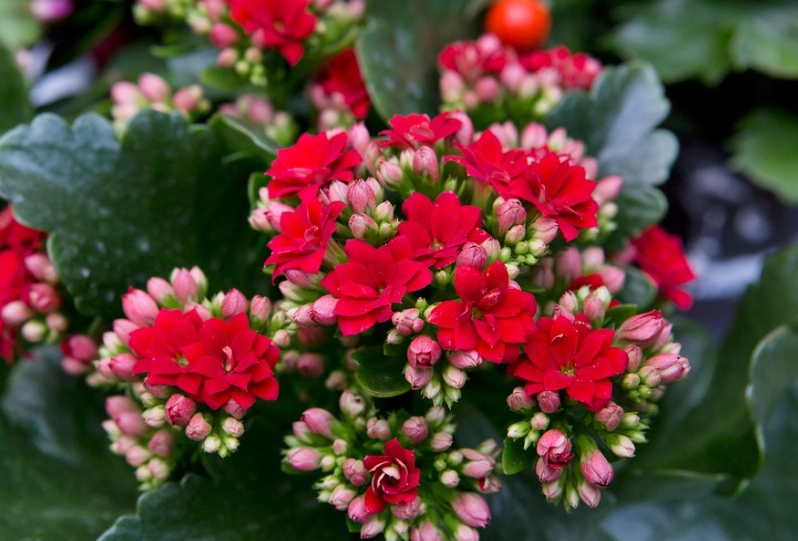
Timing Your Blooms: Want flowers for a specific date? Work backwards. Buds take about 6-8 weeks to form after the dark treatment starts, and then another 4-6 weeks to open fully. So, for Valentine's Day blooms, you'd need to start the long nights around early December.
Outdoor Summer Vacation: If you have a safe, shaded patio (no direct hot sun), giving your kalanchoe a summer outdoors can supercharge its growth. The natural light intensity helps it store energy. Just bring it in well before frost and check thoroughly for pests. The Missouri Botanical Garden, a fantastic resource for plant info, lists kalanchoe as suitable for outdoor containers in summer in their plant database.
The Temperature Factor: Cooler temperatures (around 60-65°F / 15-18°C) during the bud-forcing period can actually intensify flower colors. Avoid hot, stuffy rooms during this phase.
Your Kalanchoe Flowering Questions, Answered
Let's tackle the specific things people search for.
Q: How long do kalanchoe flowers last?
A: A single flower cluster can last for weeks, often 4-8 weeks or more if the plant is happy and not too hot. The entire blooming period can span months as new buds open.
Q: Is kalanchoe an annual or perennial?
A> It's a tender perennial. In frost-free climates, it lives for years. Indoors, with proper care (and not overwatering), it can absolutely be a long-lived perennial houseplant. Mine are proof.
Q: Can I put my kalanchoe outside?
A> Yes, but with caution. They love bright light but not scorching, full afternoon sun (which burns leaves). A shaded patio with morning sun is ideal. Always acclimate it slowly over a week. And remember, any outdoor light at night (porch lights) will prevent kalanchoe flowering.
Q: Are kalanchoes toxic to pets?
A> Yes. According to the ASPCA and other sources like the University of California's agricultural resources, kalanchoe contains compounds that can be toxic to cats and dogs if ingested, causing vomiting and diarrhea. Keep it out of reach. It's a real downside for pet owners, and worth considering seriously.
Q: My plant is getting too big. Can I cut it back drastically?
A> You can, but do it in the growth period (spring/summer), not right before forcing blooms. You can cut stems down to a few inches tall. It will look sad for a bit, then sprout new growth from the base. This is a great way to rejuvenate an old, leggy plant.
Wrapping It Up: The Simple Path to Success
It boils down to this. Stop thinking of your kalanchoe as just another succulent. Think of it as a light-sensitive bloom machine.
Forget fancy potions. Master the daily rhythm of long, unbroken darkness. Get comfortable with the "finger test" for watering. Be patient with the 6-week timeline. And give the plant a vacation between bloom cycles.
When you see those first tiny, colorful buds pushing out after weeks of what feels like doing nothing, it's incredibly satisfying. You've successfully communicated with your plant in its own language. You've cracked the code of kalanchoe flowering.
It's not a fluke or a green thumb mystery. It's a simple, repeatable process. Now go put that plant in a closet tonight. Your future blooms are waiting in the dark.