Quick Navigation
Let's be honest. You probably got a bamboo plant because someone told you it's impossible to kill. Maybe you got a cute little "lucky bamboo" stalk in water as a gift. Or perhaps you fell in love with the idea of a lush, green bamboo screen in your backyard. Then reality hit. Leaves turned yellow. Stalks got mushy. That promised privacy screen looks a bit... sparse. If you're searching for how to take care of bamboo, you've likely already hit a snag or two. I've been there. I've killed my share of bamboo plants learning what actually works versus the fluffy advice you find everywhere.
This isn't a list of generic tips. This is a down-to-earth, from-experience guide on how to take care of bamboo, whether it's the dracaena masquerading as "lucky bamboo" on your desk or the towering timber bamboo threatening to take over your garden. We're going to cover the basics, sure, but we're also diving into the nitty-gritty problems that make you want to pull your hair out. Because knowing how to take care of bamboo properly means understanding it's not one plant with one rulebook—it's a whole family with different personalities.
First, What Kind of Bamboo Do You Actually Have?
This is the biggest mistake people make. They treat all bamboo the same. Spoiler: they're not. The most common mix-up? The popular "Lucky Bamboo" you see in shops isn't even true bamboo. It's Dracaena sanderiana, a totally different plant from Africa that just looks like bamboo. The care for that guy is wildly different from the Phyllostachys or Fargesia growing in your yard. So before we go any further, let's sort this out.
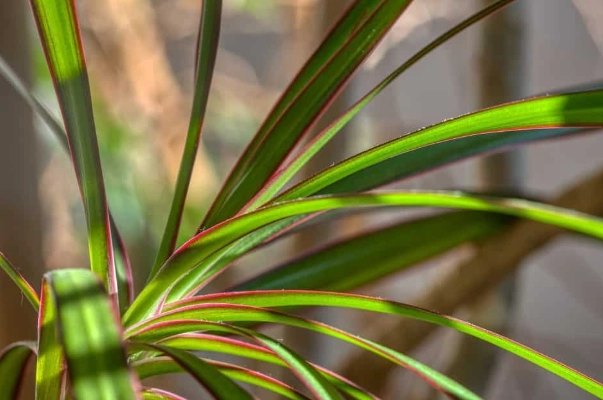
Indoor "Lucky" Bamboo (Dracaena): Lives in water or soil, low light is okay, sensitive to chemicals in tap water. Grows slowly. This is what most beginner guides on how to take care of bamboo focus on, but it's just one slice of the pie.
True Running Bamboo (e.g., Phyllostachys): The classic, fast-spreading, potentially invasive type for outdoors. Needs space (or a serious barrier), lots of sun, and is super hardy. This is where most garden panic comes from.
True Clumping Bamboo (e.g., Fargesia, Bambusa): Grows in a tight, non-invasive clump. Better for contained spaces, pots, or smaller gardens. Some tolerate more shade.
See? Already things are more complicated. The core principles of how to take care of bamboo change based on which one you've got. I made the mistake of treating a clumping bamboo like a runner once. Let's just say I spent a weekend digging a trench. Not fun.
The Absolute Fundamentals: Light, Water, Food
Okay, let's get to the core of how to take care of bamboo. Forget the frills for a second. If you get these three things even half-right, your plant will probably survive.
Light Needs: It's Not All Low-Light
Here's the myth: "Bamboo thrives in dark corners." Nope. Most true bamboos (the outdoor ones) are sun-worshippers. They need several hours of direct sunlight to grow dense and strong. Put them in deep shade, and you'll get a leggy, weak plant that flops over. Indoor lucky bamboo is more forgiving—bright, indirect light is its sweet spot. Direct hot sun through a window can scorch its leaves, giving them ugly brown tips. I learned this the hard way with a bamboo placed on a south-facing windowsill. The leaves looked like they'd been through a desert.
So, a quick rule of thumb:
- Outdoor Running/Clumping Bamboo: Full sun to partial shade (at least 4-6 hours of direct sun).
- Indoor Lucky Bamboo: Bright, filtered light. A few feet from an east or north-facing window is perfect.
Watering: The Number One Killer
More bamboo plants die from overwatering than anything else. People hear "tropical plant" and think "water constantly." Big mistake. Bamboo likes consistent moisture but hates soggy, waterlogged roots. It's a drought-tolerant plant once established.
For potted bamboo (indoors or out), water thoroughly when the top inch or two of soil feels dry. Let the water run out the drainage holes, then don't water again until it needs it. Stick your finger in the soil. It's the oldest trick in the book because it works.
For lucky bamboo in water, keep the water level consistent, covering the roots by an inch or two. Change the water completely every week to prevent bacterial slime (it's as gross as it sounds). Use filtered, distilled, or rainwater if you can.
For in-ground bamboo, deep watering once or twice a week is better than daily sprinkles. You want to encourage deep roots. During a heatwave, they'll need more. In winter, they'll need almost none.
Feeding (Fertilizing): Less is More
Bamboo isn't a heavy feeder. Think of fertilizer like vitamins, not a main course. A balanced, slow-release fertilizer applied in the growing season (spring/summer) is plenty. For lucky bamboo in water, a single drop of liquid fertilizer every other month is sufficient—any more and you risk burning the roots. I've seen people kill a healthy plant with kindness by over-fertilizing. It's a sad sight.
Organic options like well-rotted compost or manure spread around the base of outdoor bamboos in spring work wonders. It feeds the plant and improves the soil. Honestly, for established in-ground bamboo, this is often all you need.
Advanced Care: Potting, Pruning, and Problem-Solving
Once you've got the basics down, here's how to take care of bamboo like a pro and tackle those specific issues that keep popping up.
Soil and Potting Mix
Good drainage is non-negotiable. Bamboo roots will rot in heavy, clay-like soil. For pots, use a high-quality, well-draining potting mix. Some people add perlite or coarse sand to improve drainage. For lucky bamboo in water, the "soil" is just the pebbles or marbles holding it upright—they're for support, not nutrition.
When should you repot? When you see roots circling the bottom of the pot or growing out the drainage holes. For a fast-growing bamboo, this could be every year or two. Choose a pot only slightly larger; too much extra soil stays wet and causes problems.
The Art of Pruning and Shaping
You prune bamboo for three reasons: looks, health, and control.
- Thinning: Remove older, thinner, or damaged canes (culms) at ground level to let light and air into the center of the clump. This encourages new, thicker growth.
- Topping: You can cut the top off a cane to control height. It will stop growing taller but may develop new side branches (leaves) just below the cut.
- Leaf Pruning: You can trim the leafy side branches to create a cleaner, more "tree-like" look, exposing the beautiful culms.
The best time to do major pruning is late winter or early spring, before the new shoots emerge. Use clean, sharp tools. For lucky bamboo, you can simply cut off any yellowing stalks or trim leggy stems—they often sprout new branches from just below the cut.
Common Problems and Their Fixes
Let's troubleshoot. This table covers the main headaches you'll encounter while learning how to take care of bamboo.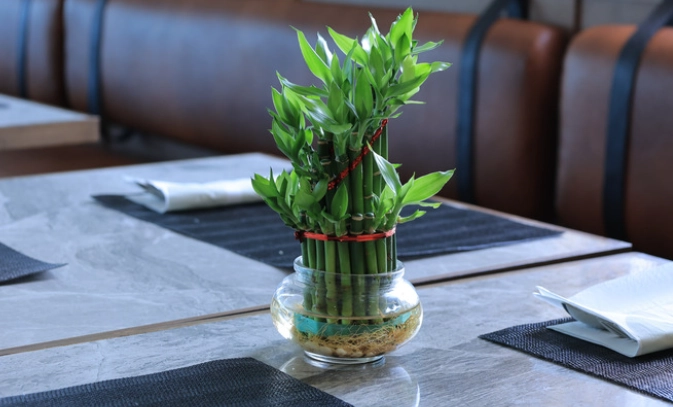
| Problem | Likely Cause | How to Fix It |
|---|---|---|
| Yellow Leaves | Overwatering, poor water quality (for lucky bamboo), natural aging of older leaves. | Check soil moisture. Switch to filtered/rain water for lucky bamboo. Remove old yellow leaves. |
| Brown Leaf Tips/Crispy Edges | Low humidity, chemical burn from tap water, over-fertilizing, too much direct sun. | Increase humidity (mist leaves, use a pebble tray). Use purified water. Flush soil if over-fertilized. |
| Drooping or Curling Leaves | Underwatering, extreme heat, or sometimes a root-bound plant. | Water deeply. Provide temporary shade in a heatwave. Check if it needs repotting. |
| No New Growth | Dormancy (winter), insufficient light, lack of nutrients, or the plant is root-bound. | Be patient if it's winter. Move to a brighter spot. Apply a gentle fertilizer in growing season. |
| Pests (Spider Mites, Mealybugs) | Dry indoor air, stress, or introduced from another plant. | Wipe leaves with soapy water or neem oil solution. Increase humidity. Isolate the plant. |
| Soft, Mushy Stalks (Lucky Bamboo) | Stem or root rot from bacteria/fungus in stagnant water. | Immediately remove the mushy stalk. Change water weekly. Clean the container and pebbles. |
Special Situations: Winter Care, Propagation, and More
How to Take Care of Bamboo in Winter
This depends entirely on your climate and bamboo type.
Cold-Hardy Clumping Bamboos (Fargesia): Many can handle temperatures down to -20°F (-29°C). In cold zones, they may lose their leaves but will re-leaf in spring. Just mulch heavily around the base to protect the roots.
Running Bamboos (Phyllostachys): Also quite hardy, but evergreen leaves may curl and look tired in deep freezes or drying winds. This is normal protection. Again, mulch is your friend.
Lucky Bamboo & Tropical Types: Keep them indoors away from cold drafts and heating vents. Humidity drops drastically in winter, so misting or a humidifier helps prevent brown tips.
My Phyllostachys aureosulcata (Yellow Groove Bamboo) looks absolutely miserable every February—leaves curled tight, a bit brown. But come April, it bounces back with incredible energy. Don't panic at winter ugliness.
Can You Propagate Bamboo?
Yes, and it's surprisingly easy, which is part of why it spreads so well! The most reliable method for true bamboo is division. In early spring, you can dig up a section of a healthy clump, making sure it has several canes and a good root mass (rhizomes), and replant it. For lucky bamboo, you can take stem cuttings. Just cut a healthy green stalk, let the cut end dry for a few hours, and place it in fresh water. Roots should appear in a few weeks.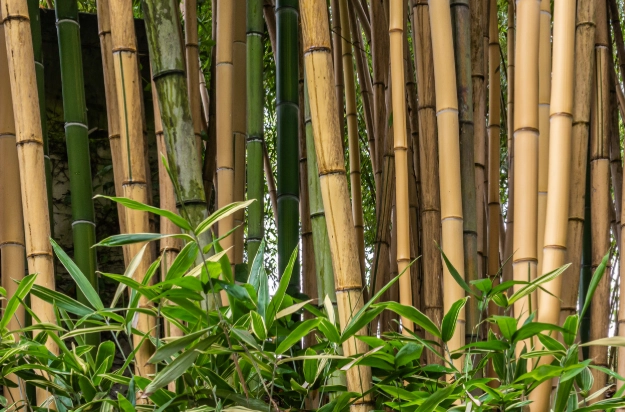
Answers to Your Bamboo Care Questions
How often should I really water my indoor lucky bamboo?
If it's in water, top it up to maintain the level and change the water completely every 7-10 days. If it's in soil, water only when the top inch feels dry—this could be once a week or every 10 days, depending on your home's warmth and light. The "set schedule" is the enemy; always check the soil first.
Why is my bamboo turning yellow even though I'm using filtered water?
If the water isn't the issue, consider light (too much direct sun can scorch), fertilizer (too much or too little), or temperature (cold drafts from a window or AC vent). Also, remember that individual older stalks on lucky bamboo will naturally yellow and die over time. You can just cut them out.
What's the best fertilizer for bamboo in the ground?
A balanced, slow-release granular fertilizer (like a 10-10-10 or 16-16-16) applied in early spring is great. Alternatively, a high-nitrogen lawn fertilizer (without herbicide!) can promote lush leaf growth. But honestly, a thick layer of compost or well-rotted manure each spring is often the simplest and best approach for long-term soil health.
How do I stop my running bamboo from spreading?
Install a proper rhizome barrier (as mentioned above) if you haven't already. For existing plantings, you can perform an annual "rhizome prune" in late summer. Dig down around the perimeter and cut any running rhizomes that are heading out of bounds. It's some work, but it's effective. The Royal Horticultural Society (RHS) has detailed guidance on managing running bamboos responsibly.
Can bamboo grow in full shade?
Most bamboos will struggle and become thin and leggy. Some clumping varieties, like certain Fargesia (Fountain Bamboo), tolerate partial shade better than others. But for dense, healthy growth, some direct sun is almost always necessary. "Full shade" usually means no bamboo, or a very unhappy one.
Final Thoughts: It's a Plant, Not a Plastic Decoration
The real secret to how to take care of bamboo is observation. It will tell you what it needs. Drooping leaves? Probably thirsty. Yellowing from the base in wet soil? Ease up on the water. No new shoots all summer? Maybe it needs more light or food.
Don't get overwhelmed by the rules. Start with the basics—get the light and water right for your specific type—and go from there. Bamboo is resilient. It's survived for millions of years. Even if you make a mistake, it often gives you a chance to correct it.
I still remember the first time I saw a new, bright green shoot emerge from my potted bamboo in spring. It grew inches in a day. That's the magic of it. When you learn how to take care of bamboo properly, you're rewarded with one of the most vigorous, architectural, and beautiful plants on earth. Just keep an eye on where you plant the running kinds. Trust me on that one.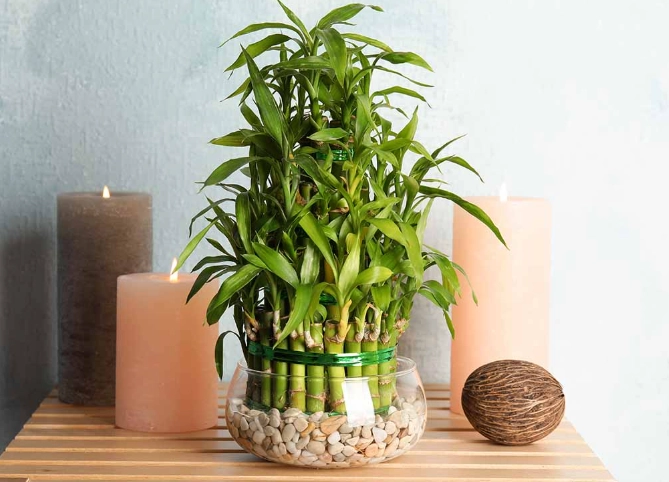
Comments