Dracaena Marginata Care Guide: How to Keep Your Dragon Tree Thriving
Houseplant care
Quick Guide
Let's talk about the Dracaena marginata. You've probably seen it – that spiky, architectural plant with thin trunks and a punk-rock mohawk of green and red-tipped leaves. It's in dentist offices, hotel lobbies, and maybe looking a bit sad in the corner of your living room right now. I get it. I've killed one. Well, I nearly killed one. It dropped so many leaves I thought I'd bought a deciduous indoor plant. But here's the thing: once you figure out what this plant actually wants, it's one of the toughest, most forgiving houseplants you can own. This isn't just another generic care sheet. We're going deep on the marginata, from why its leaves might be turning yellow to how to make it look full and lush again, based on a lot of trial and error (mostly error on my part, to be honest).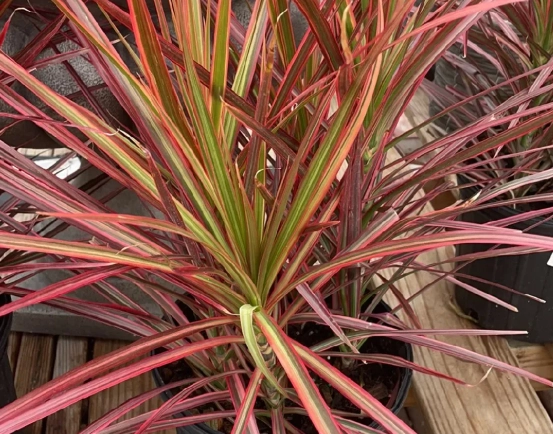
Getting to Know Your Marginata
First off, the name. Dracaena marginata. It sounds fancy, but it's just the scientific tag for the Madagascar dragon tree. "Marginata" refers to the margins or edges of the leaves, which often have that distinctive reddish-purple tinge. It's native to Madagascar, which gives you huge clues about the care it needs: think bright, indirect light, warmth, and well-drained soil. It's not a true tree, but a woody-stemmed shrub, and its slow growth is a blessing for indoor gardeners. You won't need to repot it every year.
What I find fascinating is how it grows. New leaves sprout from the top in a dense cluster, while the older leaves at the bottom naturally yellow and fall off over time. This process is how it forms that characteristic, clean trunk. So if you see a few bottom leaves turning yellow and dropping, don't panic immediately – it might just be the plant's natural habit. The panic should start if it's the *top* leaves or if it's shedding en masse.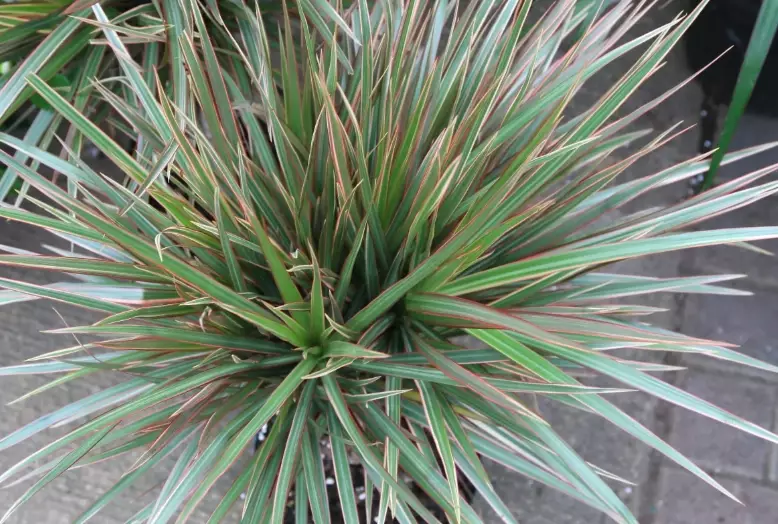
Essential Care Requirements (Where Most People Go Wrong)
This is the core of it. Get these few things right, and your marginata will be a low-drama companion for decades. Seriously, these plants can live for a very long time indoors.
Light: The Bright Indirect Sweet Spot
Here's a common misconception: Dracaena marginata is a "low light" plant. That's only half true. It *tolerates* low light, but it won't *thrive* in it. In deep shade, growth will completely stall, the vibrant red margins on the leaves will fade to green, and the new leaves will be further apart, making the plant look sparse and leggy.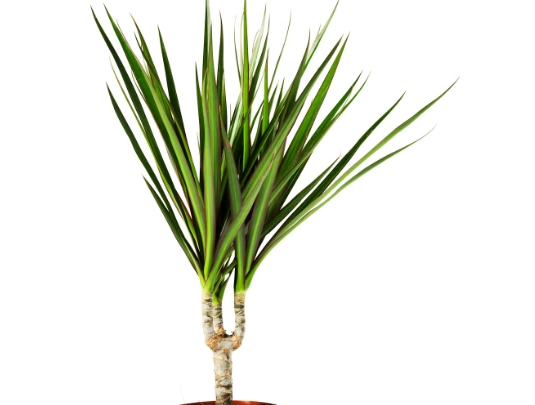
The sweet spot is bright, indirect light. A spot near an east or west-facing window is perfect. A south-facing window is great too, but pull it back a few feet or use a sheer curtain to filter the harshest midday rays. Direct, scorching sun can bleach and burn the leaves, leaving ugly tan or white spots. My current plant sits about five feet back from a large south-west window, and it pushes out new leaves constantly.
Watering: The Number One Killer
This is, without a doubt, the easiest way to send your dragon tree to an early grave. Dracaena marginata is extremely drought-tolerant. Its roots are prone to rot in soggy soil. The mantra is: When in doubt, wait it out.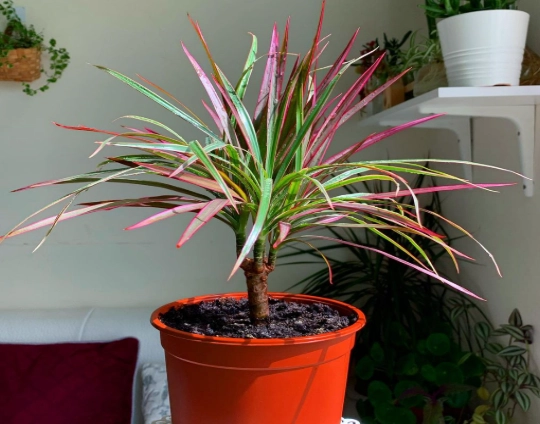
Forget watering on a schedule. Stick your finger into the soil – I mean, really get in there, up to your first knuckle or even the second. If the soil feels dry at that depth, it's time to water. If it feels even slightly damp, walk away. In most indoor settings, this might mean watering every 2-3 weeks in summer and maybe once a month or even less in winter when growth slows and light levels drop.
When you do water, do it thoroughly. Take the plant to the sink, water it until you see a good amount running out of the drainage holes, and let it drain completely before putting it back in its decorative pot. Never let it sit in a saucer of water. That's just a root rot bath.
Soil and Potting: Drainage is Everything
You can't talk about proper watering without talking about the soil it's happening in. A heavy, moisture-retentive potting mix is a death sentence. Your Dracaena marginata needs a loose, chunky, and fast-draining mix.
A great basic recipe is a standard all-purpose potting mix, cut with 30-40% perlite or pumice and a handful of orchid bark for extra aeration. This creates air pockets and lets water flow through quickly. The pot matters too. Always, always use a pot with drainage holes. Ceramic, plastic, terracotta – terracotta is actually fantastic because it's porous and helps wick away moisture from the soil, reducing the risk of overwatering.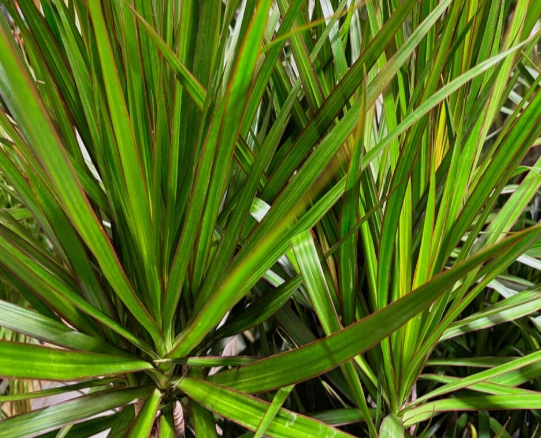
Repotting is only needed every 2-3 years, or when you see roots circling the bottom of the pot or growing out of the drainage holes. When you do repot, only go up one pot size (about 2 inches larger in diameter). A pot that's too big holds too much wet soil for the roots to handle.
Troubleshooting Common Dracaena Marginata Problems
This is where the rubber meets the road. Let's decode what your plant is trying to tell you.
| Symptom | Likely Cause | How to Fix It |
|---|---|---|
| Brown, crispy leaf tips | Low humidity, fluoride/chemicals in water, or inconsistent watering (letting it get too dry for too long). | Switch to filtered/rain water. Trim brown tips with clean scissors. Increase humidity with a pebble tray or humidifier (though they tolerate average home humidity fairly well). |
| Yellowing leaves, especially lower leaves | Natural aging (if occasional) OR chronic overwatering (if widespread). | Check soil moisture immediately. If wet, stop watering and let soil dry out completely. Ensure pot has drainage. In severe cases, repot into fresh, dry, well-draining mix. |
| Leaves drooping, losing rigidity | Usually underwatering. The plant is dehydrated. | Give it a thorough, deep drink. The leaves should perk up within a day. Re-evaluate your watering check routine. |
| Leaf loss (many leaves falling) | Sudden change in environment (draft, temperature shock), severe overwatering, or extreme lack of light. | Identify and remove the stressor. If overwatered, follow steps above. Move to a brighter location if light is poor. |
| Pale, washed-out leaves or no red margin | Not enough light. | Gradually move the plant to a brighter location. The color should intensify with more light. |
| Soft, mushy stems or black spots on leaves | Advanced root rot from overwatering. | This is an emergency. Unpot, wash roots, cut away all black/mushy roots with sterile tools. Repot in fresh, dry mix and a clean pot. Water very sparingly and hope for the best. |
See? Most issues lead back to water and light. It's not complicated, but it requires paying attention.
Yes, it is. The plant contains saponins which can cause vomiting, drooling, and lethargy in cats and dogs if ingested. The ASPCA lists Dracaena species as toxic. It's not typically fatal, but it will cause an upset stomach. If you have a pet that likes to chew on plants, it's best to place your marginata well out of reach. I'm a dog owner, and mine sits on a high plant stand – problem solved.
Pruning, Shaping, and Propagation
One of the coolest things about the Madagascar dragon tree is that you can actually shape it. It gets tall and leggy? No problem. You can literally chop its head off. Well, technically, you're beheading it, but in a good, plant-propagating way.
If your plant is just a single, tall cane that's lost its lower leaves, you can cut the top off. Use a clean, sharp knife or pruners. Cut the stem to whatever height you want. Don't be scared – the plant will respond by sprouting two or three new growth points (called "buds") just below the cut line, creating a bushier top. It might take a few weeks, so be patient.
Now, what about that top you just cut off? That's your new plant! Let the cut end callous over for a day or two, then stick it in a glass of water or directly into moist potting mix. Roots will develop, and you'll have a brand new Dracaena marginata. You can also propagate from the leftover stem by cutting it into sections (each about 6-8 inches long) and planting them horizontally or vertically in soil. This is called cane propagation.
Varieties of Dracaena Marginata
It's not just one look. There are a few popular cultivars that add some flair:
- Dracaena marginata (the original): Dark green leaves with thin, red edges.
- Dracaena marginata 'Tricolor' or 'Colorama': This is a stunner. Leaves have stripes of green, cream, and pink/red. It generally needs a bit more light to maintain its vibrant colors.
- Dracaena marginata 'Bicolor': Similar to 'Tricolor' but with just two main colors – green and a creamy white.
- Dracaena marginata 'Tarzan': A thicker-stemmed variety with a spikier leaf cluster at the top.
The care for all these variants is essentially the same. The colored ones might show stress (like fading) a bit more obviously if their light isn't quite right.
Buying Your Dracaena Marginata: What to Look For
You can find these plants everywhere – from big box stores to specialty nurseries. A healthy plant is a good investment. Here's what to check:
Leaves: They should be firm, mostly upright, and have good color. Avoid plants with lots of brown tips, yellowing leaves (more than just a couple at the bottom), or any signs of pests (like tiny webs for spider mites or sticky residue for scale). Run your finger along a leaf. It should feel clean and sturdy.
Stems/Trunks: They should be firm, not mushy or wrinkled. A little wiggle in the soil is okay, but if the whole plant feels loose, the root system might be compromised (often from overwatering at the store).
Soil: Peek at the soil surface. Is it soggy? Is there mold? Is it bone dry and pulling away from the pot edges? Any extreme is a red flag that the plant hasn't been cared for well in the shop.
A smaller, healthier plant from a reputable nursery is always better than a large, struggling one from a discount rack.
Slowly. Especially indoors. You might get a few new leaves and an inch or two of height in a growing season (spring/summer). This is actually a positive for an indoor plant – you won't be constantly repotting or having it outgrow its space. The Missouri Botanical Garden's plant database notes its slow growth habit, making it ideal for long-term container use.
The Long-Term Relationship
Caring for a Dracaena marginata is less about daily fussing and more about setting up the right conditions and then mostly leaving it alone. It's the perfect plant for busy people or those who tend to forget their plants exist for weeks at a time (guilty as charged).
Every few months, wipe the leaves down with a damp cloth. This removes dust, allows the plant to breathe and photosynthesize more efficiently, and gives you a chance to inspect for pests. A gentle shower in the bathtub works wonders too. During the growing season (spring and summer), you can feed it with a balanced, water-soluble fertilizer diluted to half strength, but only once a month at most. In fall and winter, don't fertilize at all.
The biggest secret to success with this plant is understanding its language. Yellow leaves? Check the water. Brown tips? Look at your water source and humidity. Leggy growth? It wants more light. It's a communicative plant if you know what to look for.