The Ultimate Guide to Bougainvillea Bushes: Grow, Care & Bloom!
Popular plants
In This Guide
- Why Even Bother with a Bougainvillea?
- Getting to Know Your Bougainvillea Bush
- Planting Your Bougainvillea Bush for Success
- The Real Care Routine: It's Simpler Than You Think
- Troubleshooting: Why Is My Bougainvillea Bush Unhappy?
- Choosing the Right Bougainvillea Variety for You
- Bougainvillea Bush FAQs: Your Questions, Answered
- Wrapping It Up: The Bougainvillea Mindset
Let's be honest. You've probably seen those incredible walls of fiery color in photos from Mediterranean villas or tropical getaways and thought, "I want that." A lush, sprawling bougainvillea bush, absolutely smothered in vibrant papery bracts, seems like the ultimate gardening trophy. But then you bring one home, plant it with high hopes, and... it just sits there. Maybe it grows some green leaves, but the flowers are a no-show. Or worse, it starts dropping leaves and looks downright sad.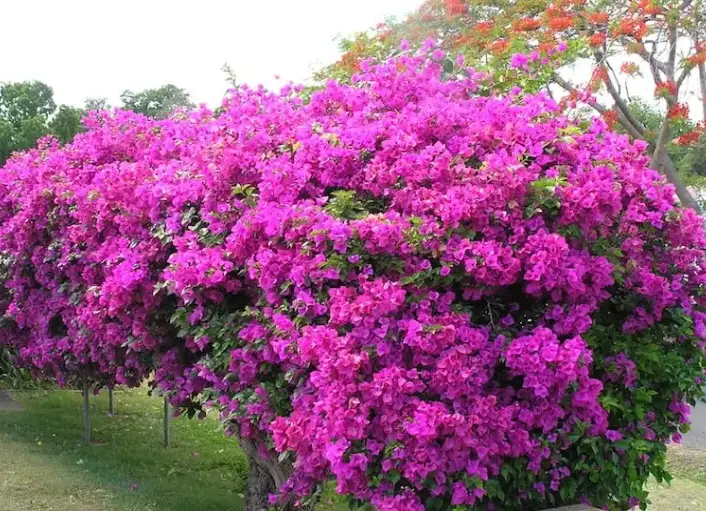
I've been there. My first bougainvillea was a gift, a beautiful 'Barbara Karst' with deep magenta bracts. I planted it in what I thought was a nice, rich, moist spot in my garden. Big mistake. It sulked for a year before finally giving up. That experience taught me more than any book could: bougainvilleas play by their own rules. They're not your average shrub.
This guide is everything I wish I'd known back then. We're going to move past the basic, generic advice and dig into the real secrets of making a bougainvillea bush not just survive, but thrive and put on a spectacular, jaw-dropping show. Forget struggling with a stubborn plant. Let's unlock its true potential.
Why Even Bother with a Bougainvillea?
Before we get our hands dirty, let's talk about the payoff. Why is this plant worth the slightly finicky reputation?
First, the color. It's unreal. The brilliant pinks, purples, oranges, reds, and whites aren't actually flowers. Those are modified leaves called bracts. The tiny true flower is the little white center. This clever trick means the "bloom" display lasts for weeks, even months, not days. A well-tended bougainvillea bush can be in near-constant color in the right climate.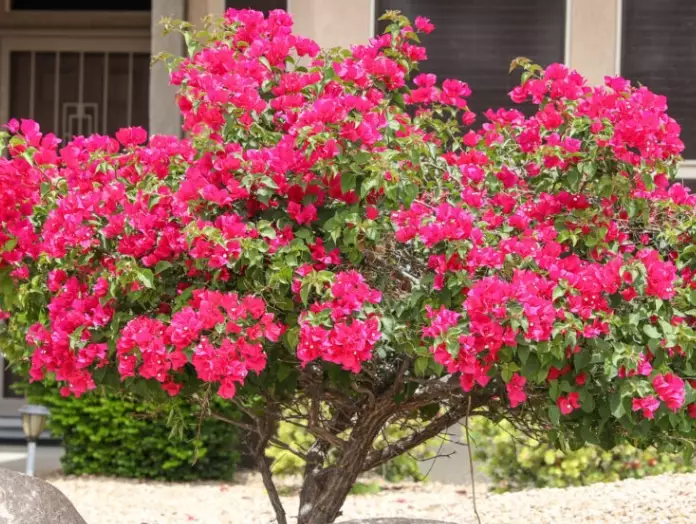
Second, they're tough as nails. Once established, they are incredibly drought-tolerant. In fact, they prefer it on the dry side. They laugh at heat, breeze through salty coastal air, and don't demand rich, fertile soil. They're perfect for busy gardeners or those in challenging, dry climates.
Third, versatility. You want a sprawling ground cover on a slope? Check. A massive, flowering privacy screen or wall cover? Absolutely. An elegant standard (tree-form) in a pot? You bet. A spilling-over-the-railings balcony spectacle? Their most famous role. A single, well-placed bougainvillea bush can define an entire garden space.
Getting to Know Your Bougainvillea Bush
You can't care for something you don't understand. Bougainvilleas are native to South America, from Brazil west to Peru and south to Argentina. That tells you a lot: they love sun, heat, and well-drained conditions. They are woody, vigorous vines in their natural habitat. In our gardens, we prune and train them into bushy shapes.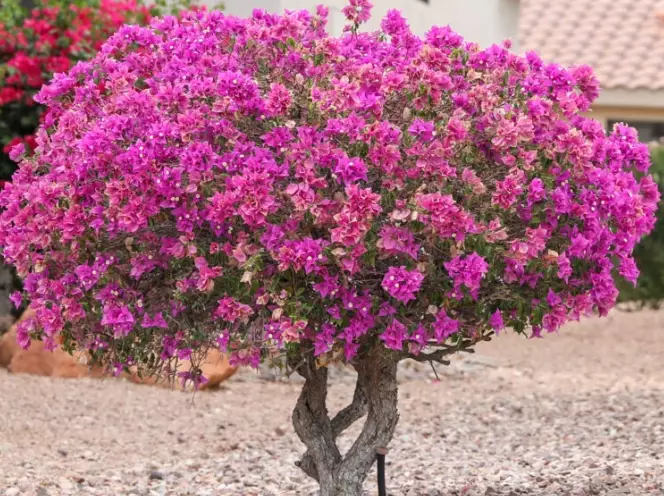
Here's a critical thing most people miss: Bougainvilleas bloom on new growth. This single fact is the key to solving the "no blooms" mystery. If you're constantly feeding it nitrogen-rich fertilizer or keeping the soil soggy, you're encouraging lots of soft, green, leafy growth at the expense of those hard, spiny flowering stems it needs to set bracts.
They also have a bit of an attitude. They like to be slightly root-bound, especially in containers. Repotting into a huge pot often leads to more leaves, fewer flowers. And those thorns? They mean business. Always wear good gloves when handling a bougainvillea bush.
The Non-Negotiables: What a Bougainvillea Must Have
If you take away only three things from this guide, let them be these. Fail on these, and nothing else will work.
Sunlight. This is non-negotiable. We're talking at least 6 hours of direct, unfiltered, blazing sun. More is better. Full, all-day sun is ideal. A bougainvillea bush in partial shade will become leggy, produce sparse foliage, and may never flower. If your spot gets less than 6 hours of direct sun, consider a different plant.
Drainage. This is the silent killer. Bougainvilleas hate "wet feet." Their roots rot quickly in heavy, waterlogged soil. They thrive in gritty, almost poor soil that lets water run straight through. If you have clay soil, you must amend it heavily or plant in a raised mound.
Warmth. They are tropical to subtropical plants. They thrive in heat and go dormant or can be damaged by frost. Knowing your USDA Hardiness Zone is crucial (most bougainvilleas are best in zones 9-11, though some hardier varieties can handle zone 8 with protection).
The Biggest Mistake: Overwatering. It's the most common cause of failure. We see a plant, we want to nurture it, we water it. With bougainvillea, that love can be fatal. When in doubt, let it dry out.
Planting Your Bougainvillea Bush for Success
Getting the start right saves endless headaches later. Here's a step-by-step breakdown.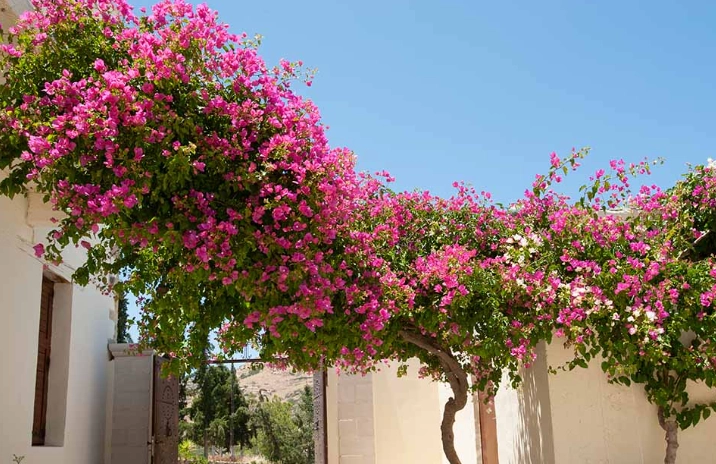
Choosing the Right Spot
Walk your garden at different times of the day. Where does the sun linger longest? Against a south or west-facing wall is perfect—the wall radiates heat at night, which they love. Ensure there's enough space for its mature size; some varieties can spread 20 feet or more. Think about future growth.
In the Ground vs. In a Pot
This is a major decision.
In the Ground: Best for warm climates where it can grow year-round. It allows for massive, spectacular displays. You have less control over soil and water, so the initial site prep is critical. Ensure excellent drainage by mixing native soil with plenty of coarse sand, perlite, or fine gravel. I often dig a hole twice as wide as the root ball but no deeper, and fill around it with a 50/50 mix of native soil and gritty amendment.
In a Pot: Fantastic for cooler climates (you can bring it indoors in winter), small spaces, patios, and balconies. It also helps control the plant's vigorous growth. The key is pot selection. Choose a container with excellent drainage holes. Use a lightweight, very well-draining potting mix. Cactus/succulent mix is a great base; you can add extra perlite. Remember the "like to be root-bound" tip? Start with a pot that seems just a little too small. You can always pot up later.
Pro Tip: When transplanting a bougainvillea from its nursery pot, be extremely gentle with the roots. They are sensitive to disturbance. If the roots are tightly wound (root-bound), you can lightly score the sides of the root ball with a knife to encourage outward growth, but avoid breaking it apart.
The Real Care Routine: It's Simpler Than You Think
Okay, it's planted. Now what? The care is surprisingly simple if you've nailed the fundamentals.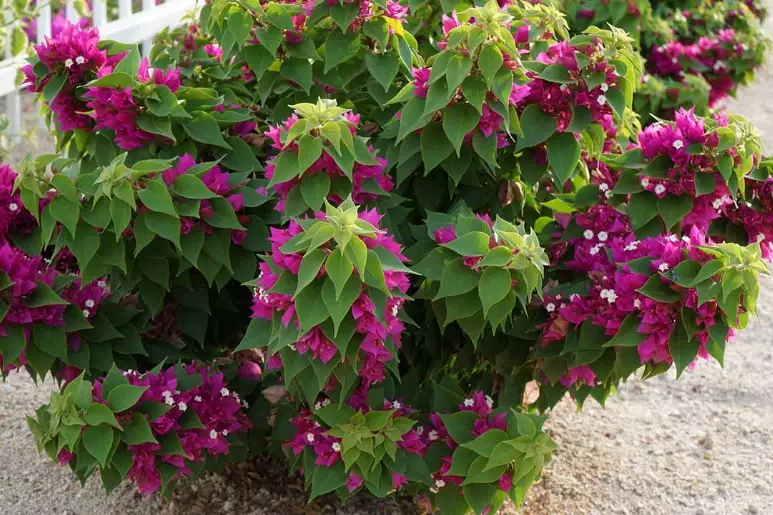
Watering: The Art of Neglect
For an established in-ground bougainvillea bush, deep but infrequent watering is the mantra. Soak the root zone thoroughly, then let the soil dry out completely before watering again. In the heat of summer, that might be once a week. In spring and fall, it could be every two or three weeks. In winter, maybe not at all.
Potted plants will need water more often, as pots dry out faster. Stick your finger into the soil up to the second knuckle. If it's dry, water deeply until it runs out the bottom. If it's still moist, wait.
A tell-tale sign of a happy, slightly thirsty bougainvillea? The leaves look perky, and the plant is flowering. A sign of overwatering? Yellowing leaves dropping off, and no flowers.
Feeding: Less is More
They are not heavy feeders. In fact, feeding too much, especially with high-nitrogen fertilizers (the first number in the N-P-K ratio), will give you a giant green bush with zero color.
Use a balanced, slow-release fertilizer (like an 8-8-8 or 10-10-10) in early spring as new growth begins. Alternatively, use a fertilizer higher in phosphate (the middle number) to promote blooming, such as a "bloom booster" formula. Apply according to label directions, but often at half-strength is plenty. A second light feeding in mid-summer can be beneficial. Stop feeding in late summer/fall to allow the plant to harden off before cooler weather.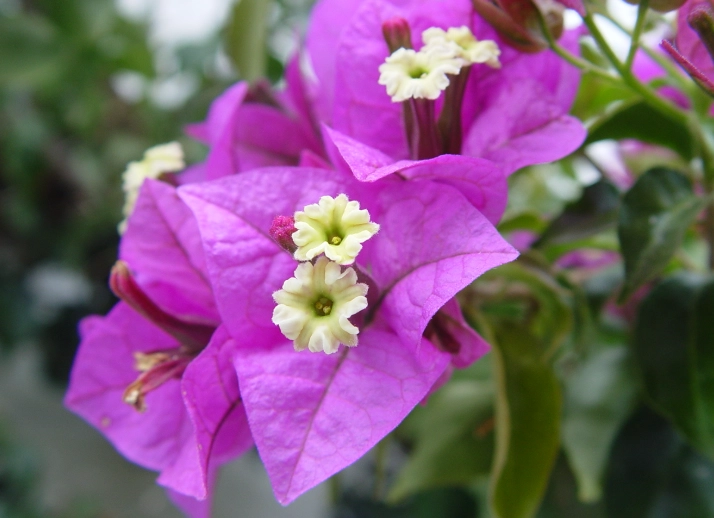
The Magic of Pruning: Your Key to More Blooms
This is where you take control. Remember: blooms on new growth.
- When to Prune: The best time is late winter or very early spring, just before the new growth flush. You can also do light tip-pruning throughout the growing season to shape the plant and encourage more branching (which means more flowering tips).
- How to Prune: Don't be shy. For a major spring prune, you can cut back long, leggy shoots by one-third to one-half. Always prune just above a leaf node or a junction with another branch. Remove any dead, diseased, or weak growth. To encourage a bushier plant, pinch out the soft tips of new shoots.
- For Size Control: If your bougainvillea bush is getting too big for its space, you can cut it back hard. It might look drastic, but it will bounce back with vigorous new growth that will flower.
Troubleshooting: Why Is My Bougainvillea Bush Unhappy?
Let's diagnose the most common problems. I've made a little table because it's easier to see what's wrong and why.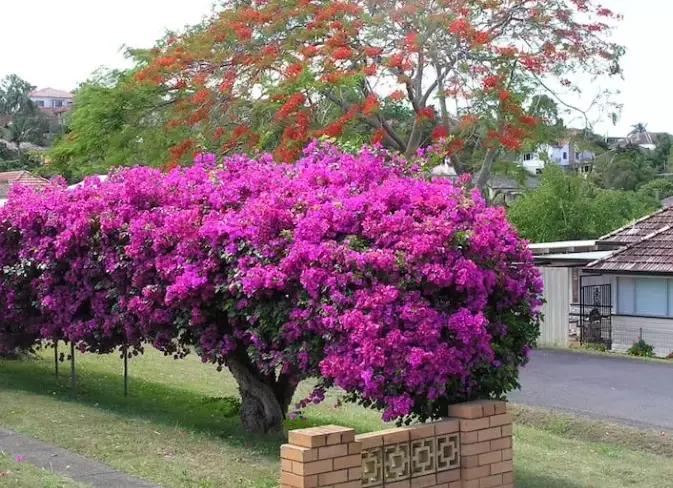
| Problem | Likely Cause | The Fix |
|---|---|---|
| Not Blooming / Few Blooms | 1. Not enough sun. 2. Overwatering. 3. Over-fertilizing (too much nitrogen). 4. Pot too large (plant putting energy into roots, not blooms). 5. Pruned at the wrong time. |
Move to full sun. Let soil dry out between waterings. Switch to a low-nitrogen or "bloom" fertilizer. Avoid repotting unless severely root-bound. Prune in late winter. |
| Yellowing Leaves | 1. Overwatering (most common). 2. Poor drainage. 3. Nutrient deficiency (often iron in alkaline soils). |
Check soil moisture and drainage first. Improve soil structure. If water isn't the issue, apply a chelated iron supplement. |
| Leaf Drop | 1. Sudden change in environment (brought indoors, temperature swing). 2. Underwatering (severe drought stress). 3. Overwatering (root rot setting in). 4. Cold draft or frost damage. |
Identify the stressor. For environmental change, it's often temporary. Adjust watering practices. Protect from cold. |
| Leggy, Sparse Growth | Insufficient sunlight. | This is almost always a light issue. Relocate to a sunnier spot if possible, or consider replacing the plant. |
| Pests (Aphids, Caterpillars) | Usually attracted to tender new growth, often due to over-fertilizing. | Blast with a strong jet of water. Use insecticidal soap or neem oil for severe infestations. Encourage beneficial insects. |
See a pattern? Most issues circle back to sun, water, and food. Get those right, and your bougainvillea bush will be remarkably trouble-free.
Choosing the Right Bougainvillea Variety for You
Not all bougainvilleas are created equal. Some are monsters, some are more compact. Some have different colored bracts on the same plant! Here's a rundown of some popular and reliable varieties to consider.
- 'Barbara Karst': The classic. Vigorous, with deep magenta-red bracts. Almost bulletproof and a fast grower. Great for covering large walls or fences.
- 'California Gold': My personal favorite. Vibrant golden-orange bracts that hold their color well in intense sun. Slightly less aggressive than some.
- 'Miss Alice' (aka 'White Madonna'): A semi-dwarf, thornless variety with stunning white bracts. Much more manageable in size, perfect for smaller spaces or containers. Blooms almost constantly.
- 'Raspberry Ice': Beautiful variegated foliage with creamy edges and pink centers. The bracts are a bright magenta. The leaves are a show even when not in bloom.
- 'Torch Glow': A unique, upright, non-vining variety. It grows more like a shrub or small tree, reaching about 5-6 feet tall. Excellent for a formal look or where you don't want a sprawling vine.
- 'Vera Deep Purple': One of the richest purple varieties. The color is intense and holds well. A strong performer.
When you're at the nursery, don't just pick the one in bloom. Check the tag for mature size and growth habit. That cute little pot can become a 30-foot beast in a few years if it's 'Barbara Karst' in the ground!
Bougainvillea Bush FAQs: Your Questions, Answered
Wrapping It Up: The Bougainvillea Mindset
So, what's the final takeaway? Success with a bougainvillea bush requires a slight shift in gardening mindset. You're not nurturing a delicate rose. You're partnering with a resilient, sun-loving, drought-adapted performer. Your job is to provide the harsh conditions it craves: blazing sun, lean soil, and a tough-love watering regimen.
Ignore it a little. Let it get thirsty. Don't coddle it with rich food. Then, when the season is right, give it a good, hard haircut. Do these things, and you won't be asking "why won't my bougainvillea bloom?" You'll be asking your friends to come over and see the incredible spectacle you've created.
Start with the right variety for your space, plant it smart, and then step back. Let that bougainvillea bush do what it does best. You might just find it's the most rewarding, low-fuss plant in your entire garden.
It took me killing one to understand them. Now, I wouldn't be without my splash of relentless color. Give these tips a try, and be patient. Sometimes they need a season to settle in. When it clicks, you'll know.