Is Rosemary Perennial? The Complete Grower's Guide
Getting started
Explore the Guide
- What "Perennial" Really Means for Rosemary (It's Not That Simple)
- The Zone-by-Zone Reality Check: Is Rosemary Perennial Near You?
- How to Actually Get Rosemary to Behave Like a Perennial (Even in Trickier Zones)
- Beyond Winter: Other Reasons Your Rosemary Might Not Act Perennial
- Choosing the Right Rosemary Variety Matters
- Your Action Plan: Making the Perennial Decision
- Frequently Asked Questions (The Stuff You're Actually Searching For)
- Wrapping It Up: The Final Verdict
If you've ever found yourself staring at a lush rosemary plant and wondering, "is rosemary perennial?", you're asking the right question. It's one of those things that seems simple but gets complicated fast depending on where you live. I remember buying my first rosemary plant from a garden center, the tag just said "herb." No mention of life cycle, no hardiness info. I stuck it in the ground and hoped for the best. That was years ago, and let me tell you, the journey to understanding this plant has been... educational.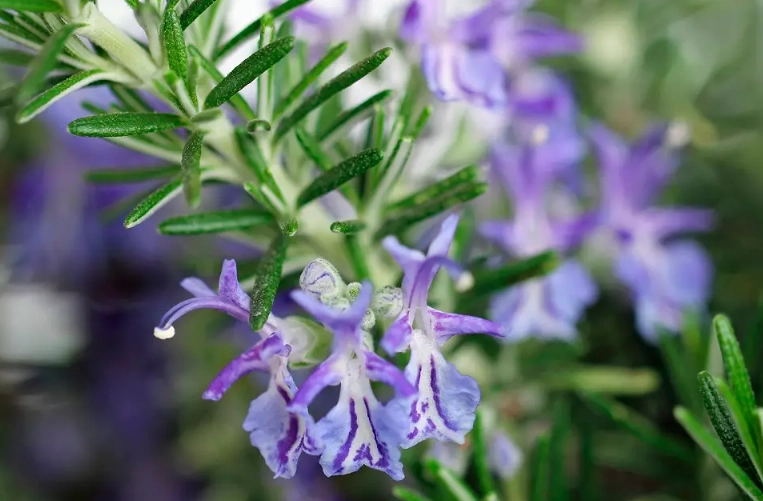
This isn't just academic. Knowing whether rosemary is perennial in your specific location determines how you plant it, care for it, and whether you'll be buying a new one every spring or enjoying the same bush for decades. We're going to break this down without the jargon, just practical stuff you can use.
What "Perennial" Really Means for Rosemary (It's Not That Simple)
When we say a plant is perennial, we mean it lives for more than two years. Unlike annuals (one season) or biennials (two seasons), perennials have strategies to survive off-seasons and regrow. For rosemary, that strategy involves its woody stems. It doesn't die back to the ground like a mint or a hosta. It's an evergreen shrub, holding onto its needle-like leaves all year where winters are mild.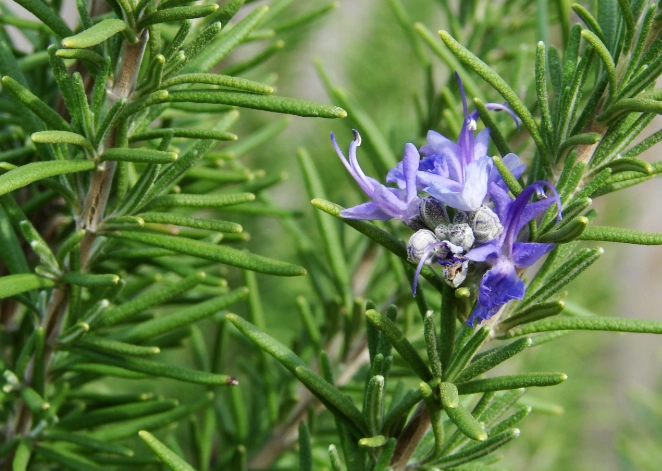
But here's the catch. Rosemary is native to the Mediterranean region. Think dry, sunny hillsides with mild, frost-free winters. It's built for that. It didn't evolve to handle the deep freeze of a Minnesota winter or the soggy, cold soil of a Pacific Northwest winter. So, when we ask "is rosemary perennial," we're really asking: "Can it survive *my* winters?"
The key factor is cold hardiness. Most common rosemary varieties are reliably perennial in USDA Plant Hardiness Zones 8 through 10. In Zone 7, it becomes a gamble—some winters it's fine, others it's not. In Zones 6 and below, expecting rosemary to survive outdoors year-round is usually an exercise in disappointment unless you get very clever with protection (more on that later).
Rosemary's Achilles' Heel: Cold + Wet Feet
It's not just the cold air that kills rosemary. Often, it's the combination of cold and wet soil. Those fine roots absolutely hate sitting in cold, soggy earth. Root rot sets in, and the plant succumbs even if the temperatures aren't catastrophically low. This is why perfect drainage isn't just a suggestion for rosemary; it's a life-or-death requirement in cooler climates. If you have heavy clay soil, raised beds or containers are your best friends.
The Zone-by-Zone Reality Check: Is Rosemary Perennial Near You?
Let's get practical. This table breaks down what you can realistically expect based on your USDA Zone. It's a clearer picture than a simple yes or no.
| USDA Hardiness Zone | Is Rosemary Perennial Outdoors? | Key Considerations & Survival Strategy |
|---|---|---|
| Zones 8-10 | Yes, reliably. | You're in the sweet spot. Plant it in well-drained soil, give it sun, and it can grow into a large, shrubby perennial for years. Frost is rare or mild. Little to no winter protection needed. |
| Zone 7 | It's a toss-up (Tender Perennial). | It may survive milder winters but can be killed in harsh ones. Microclimates matter (against a warm south-facing wall helps). Heavy mulch after ground freezes and planting in a sheltered spot are wise. Consider it a "maybe" perennial. |
| Zones 6 & Below | Not reliably, usually no. | Outdoor survival is unlikely without significant intervention. Best treated as an annual or a potted plant that you bring indoors for winter. Some gardeners have luck with elaborate protective structures. |
Don't know your zone? A quick search on the USDA's official Plant Hardiness Zone Map will tell you. It's the gardener's bible for questions like this.
See, the question "is rosemary perennial" isn't universal. In Arizona or coastal California, gardeners might laugh at the question—of course it is! It's a giant bush by the driveway. In Michigan or New York, a gardener might say, "Mine died over winter," and conclude it's not. Both are right for their location.
How to Actually Get Rosemary to Behave Like a Perennial (Even in Trickier Zones)
If you're not in zones 8-10, don't despair. You have options. The goal is to trick rosemary into thinking it's still on a sunny Mediterranean slope.
Winter Protection Tactics That Can Help
For in-ground plants in zones 6 or 7, you can try to swing the odds in your favor. It's not foolproof, but it's worth a shot if you're attached to your plant.
- Location, Location, Location: Plant it in the absolute sunniest, most sheltered spot you have. A south-facing wall absorbs heat during the day and radiates it at night, creating a microclimate that can be several degrees warmer.
- Don't Fertilize in Late Summer/Fall: Tender new growth is far more susceptible to frost damage. Let the plant harden off naturally.
- Mulch Like You Mean It: After the ground has frozen, pile up a thick layer (4-6 inches) of dry mulch like straw, shredded leaves, or pine boughs around the base. This isn't to keep it warm, but to keep the soil temperature consistently cold and prevent damaging freeze-thaw cycles.
- The Blanket Fort Method: For smaller plants, some gardeners build a simple frame (like tomato cages) and wrap them with burlap or floating row cover (like Reemay). Never use plastic directly on the plant, as it can cook it on sunny days. The goal is to break the wind and trap a bit of ground heat.
I tried the burlap method once. It was a lot of work, and the plant still looked pretty miserable by spring, though it did eventually leaf out again. It felt like a partial victory.
Beyond Winter: Other Reasons Your Rosemary Might Not Act Perennial
Sometimes, a rosemary plant dies even in a warm zone. If you're in zone 9 and your rosemary suddenly gave up, winter wasn't the culprit. Let's look at other perennial-life shorteners.
- Overwatering: This goes hand-in-hand with drainage. Rosemary is drought-tolerant. Established plants often thrive on neglect. Water deeply but infrequently, letting the soil dry out between waterings.
- Lack of Sun: It needs full sun—at least 6-8 hours of direct, unfiltered light per day. Less than that, and it becomes leggy, weak, and more prone to disease.
- Fungal Diseases: In humid climates, powdery mildew or root fungi can weaken and eventually kill the plant. Good air circulation (don't crowd it) and avoiding overhead watering help a ton.
So, when asking "is rosemary perennial," we also have to ask if we're giving it the right conditions to express that perennial nature. A plant struggling with wet feet is on borrowed time, regardless of the temperature.
Choosing the Right Rosemary Variety Matters
Not all rosemary is created equal. Some cultivars have been bred or selected to be slightly more cold-tolerant, which can make the difference between a perennial and an annual in marginal zones.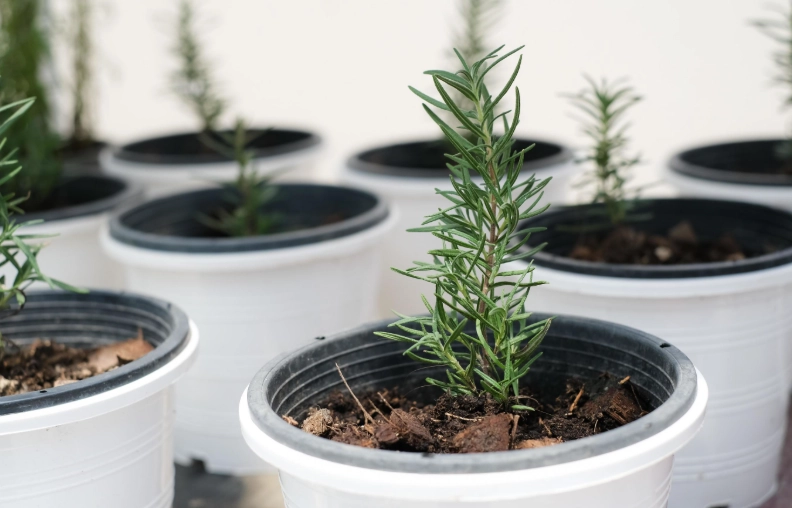
If you're pushing the limits in zone 6 or 7, seek out these varieties:
- 'Arp': This is the most famous cold-hardy variety, often cited as surviving down to Zone 6. It has a more upright growth habit and lighter green leaves. It's named for the town of Arp, Texas, where it was discovered.
- 'Hill Hardy': Another good candidate for colder areas, known for its resilience.
- 'Salem': A prostrate (trailing) type that also shows decent cold tolerance.
For most people in zones 8+, you can choose based on flavor and habit—upright for hedging and bigger harvests, trailing for spilling over walls and containers. 'Tuscan Blue' is a favorite for its strong flavor and beautiful blue flowers.
Your Action Plan: Making the Perennial Decision
Let's translate all this into a simple decision tree for you.
- Find Your Zone: Use the USDA map.
- Zone 8-10? Plant in the ground in full sun with excellent drainage. Enjoy your perennial shrub.
- Zone 7? You can try in-ground. Pick a sheltered, sunny spot, use a hardy variety like 'Arp', and be prepared to provide winter protection. Have a backup plan.
- Zone 6 or Colder? Grow in a container. This is the most reliable path. Use a gritty, well-draining potting mix. Enjoy it outdoors from spring to fall, then move it to a cool, bright, frost-free place for winter (a garage window, unheated sunroom). Water it very sparingly during this dormant period.
The container method is honestly a game-changer. It removes the guesswork and heartbreak. My rosemary now lives in a large terra cotta pot. It spends summers on the patio and winters in my barely-heated greenhouse. It's been the same plant for five years.
Frequently Asked Questions (The Stuff You're Actually Searching For)
How long does a rosemary plant actually live?
In ideal conditions (its preferred climate), a rosemary plant can live for 10, 20, even 30 years, growing into a sizable woody shrub. There are famous ancient rosemary plants in Mediterranean gardens. In less-than-ideal climates, its lifespan is dictated by the severity of each winter.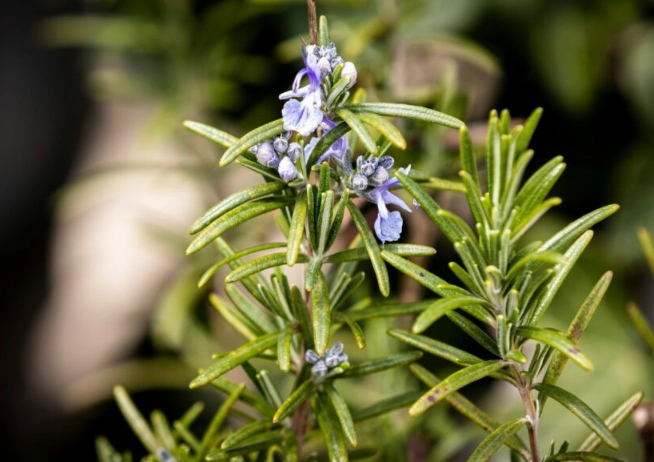
My rosemary looks dead after winter. Is it?
Don't be too quick to pull it! Scrape a tiny bit of bark from a stem with your fingernail. If you see green underneath, it's still alive. Be patient. It may be very slow to put out new growth in spring, especially if the tips were burned back. Prune away any obviously dead, brittle brown wood.
Can I grow rosemary indoors year-round as a perennial houseplant?
You can try, but it's tricky. Indoor air is often too dry and light levels too low. It will likely become leggy and stressed. It's better treated as an outdoor plant that vacations indoors for the worst winter months. If you must keep it inside, give it the sunniest window possible (south-facing) and consider a grow light.
Is rosemary perennial enough to use as a landscape shrub?
In zones 8-10, absolutely. Upright varieties make excellent, aromatic, drought-tolerant low hedges or foundation plantings. They respond well to pruning. In cooler zones, you'd be replanting too often for it to be a reliable landscape staple.
Does rosemary spread or become invasive?
No, that's one of its great qualities. It grows from a central woody crown and does not send out runners or sucker. It stays where you put it. The only way it "spreads" is if lower branches layer themselves (touch the ground and root), which you can actually use to your advantage to make new plants.
Wrapping It Up: The Final Verdict
So, is rosemary perennial? Biologically, yes. In practice, it's a conditional perennial. Its perennial status is a privilege granted by a mild winter.
The core takeaway isn't just a yes or no.
It's that you have the power to influence the answer based on how you grow it. By understanding your climate, choosing the right variety, and most importantly, controlling its environment (especially soil drainage and winter shelter), you can absolutely enjoy rosemary as a long-lived, perennial plant. For many of us, that means giving up the dream of a giant, in-ground rosemary bush and embracing the practicality of a container. And you know what? There's no shame in that. A potted rosemary that you've kept alive for years feels like more of an accomplishment anyway.
It's a resilient, wonderful herb. With a little savvy, you can have it in your life for many seasons, not just one.