How to Water a Succulent: The Ultimate Guide to Avoiding Overwatering
Popular plants
Quick Navigation
- Why Succulents Are So Different (And Why That Matters for Watering)
- The Golden Rule: The Soak and Dry Method
- How Do You Know When It's Time to Water? (Forget the Schedule)
- Factors That Change Everything: Your Watering "Variables"
- The Soil and Pot Combo: Setting Yourself Up for Success
- Seasonal Shifts: Adjusting Your Approach Through the Year
- Spotting Trouble: The Signs of Overwatering vs. Underwatering
- Your Top Questions on How to Water a Succulent, Answered
- The Succulent Watering Hall of Fame (and Shame)
Let's be honest. If you're here, you've probably already killed a succulent or two by being a little too... enthusiastic with your watering can. I know I have. There was a beautiful Echeveria 'Perle von Nurnberg' that I loved to death—literally. I thought I was being a good plant parent, giving it a little drink every few days. Turns out, I was slowly drowning it. The leaves turned to mush, and it was a sad, soggy end.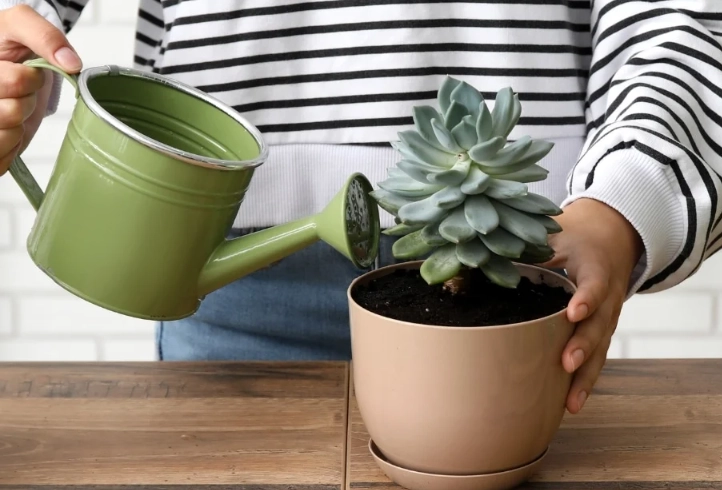
That experience, frustrating as it was, taught me more than any generic care tag ever could. It sent me down a rabbit hole of research, talking to nursery experts, and experimenting (sometimes failing) with my own collection. The truth about how to water a succulent is simple in theory but nuanced in practice. It's not about sticking to a rigid schedule like "every Tuesday." It's about understanding where these plants come from and learning to read their unique language.
This guide is the one I wish I had when I started. We're going to move past the vague advice and get into the gritty details—the why, the how, the when, and the "oh no, what did I do?"
Why Succulents Are So Different (And Why That Matters for Watering)
You can't really learn how to water a succulent properly without understanding what makes them tick. These aren't your average ferns or peace lilies. Succulents are the survivalists of the plant world. They've evolved in some of the harshest environments on Earth—think arid deserts, rocky cliffs, and sun-baked plains. Water is a rare and precious commodity there.
To cope, they developed incredible adaptations. Their thick, fleshy leaves, stems, or roots are essentially built-in water storage tanks. When rain finally comes, they drink up as much as they can, storing it for the long dry spells ahead. Their roots are often shallow and widespread, designed to capture every drop of a brief desert shower before it evaporates.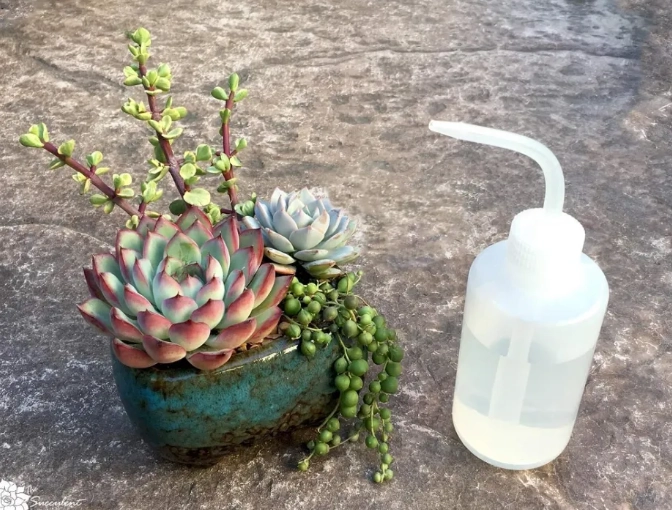
Here's the critical part for us as caretakers: their entire physiology is geared towards drought tolerance, not constant moisture. A perpetually damp environment is completely foreign and frankly, dangerous, to them. It shuts down their ability to breathe through their roots and creates the perfect conditions for root rot, a fast-moving fungal infection that's often a death sentence.
Key Insight: When you're figuring out how to water a succulent, you're not trying to keep the soil moist. You're trying to replicate a desert downpour followed by a long period of drought. That's the cycle they're programmed to thrive on.
I made the classic mistake of treating my succulents like my other houseplants. A little water here and there to keep things happy. Big mistake. Their roots need to dry out completely and have a chance to "breathe" between waterings. Constant sips of water keep the roots in a state of stress and eventually lead to rot.
The Golden Rule: The Soak and Dry Method
This is the single most important concept in succulent care, and the cornerstone of learning how to water a succulent correctly. Forget misting. Forget giving it a tablespoon of water. The Soak and Dry Method is what works.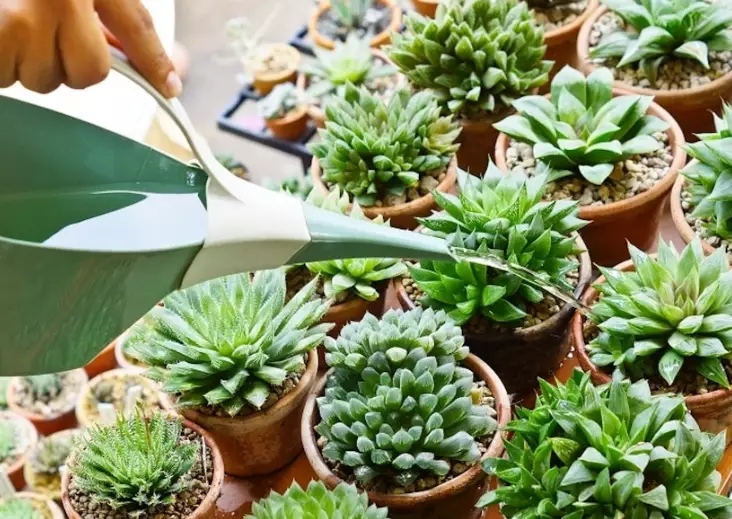
What Does "Soak and Dry" Actually Mean?
It's exactly what it sounds like.
- SOAK: When it's time to water, you water thoroughly. You pour water evenly over the soil until it is completely saturated and water is freely running out of the drainage hole at the bottom of the pot. You want to ensure the entire root ball gets wet.
- DRY: Then, you walk away. You let the pot and soil dry out completely. All the way through. Not just the top inch, but the entire depth of the soil. This drying period is non-negotiable.
When I first heard this, I was skeptical. "Drench a desert plant? That seems wrong." But then I thought about a real desert storm. It doesn't drizzle; it pours. The ground gets absolutely flooded, and then the sun comes out and bakes it dry. Mimicking that cycle was a game-changer for my plants' health.
How to Execute the Perfect Soak
- Use the right tool: A watering can with a long, narrow spout is your best friend. It lets you direct water to the soil, not the leaves. Water sitting in the rosette of an Echeveria can cause rot.
- Water at the base: Aim for the soil line. Avoid splashing the leaves as much as possible.
- Keep going until it runs through: Don't stop when the surface looks wet. Keep pouring slowly until you see a steady stream of water exit the drainage hole. This guarantees the roots at the very bottom have gotten their share.
- Let it drain completely: Never let your succulent sit in a saucer full of water. After watering, tip the pot to the side to get any excess water out of the saucer or cache pot. This is crucial!
How Do You Know When It's Time to Water? (Forget the Schedule)
This is where most people get tripped up. "Water every two weeks" is terrible advice. The right time to water depends on a dozen factors. Instead of a calendar, use these physical signs.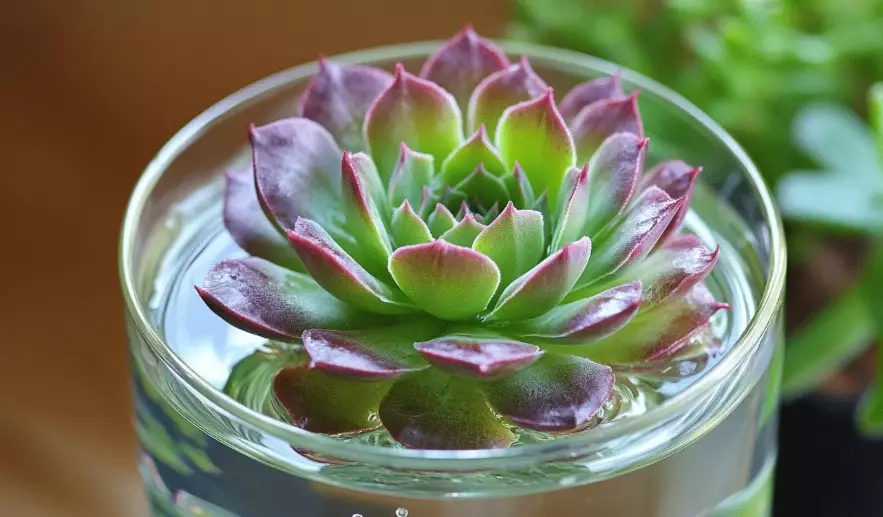
The Top Signs Your Succulent is Thirsty
- Soil is bone-dry: Stick your finger or a wooden chopstick all the way into the soil. If it comes out completely clean and dry, that's your first clue.
- Leaves feel less firm: Gently squeeze a few lower leaves. A well-hydrated succulent's leaf will feel very firm and plump, like a grape. A thirsty one will feel softer, with more give, like a slightly deflated balloon. Don't wait for wrinkles! Wrinkles mean it's very thirsty.
- The pot feels light: Lift the pot. With practice, you'll learn what it feels like when saturated versus when dry. A dry pot is surprisingly light.
Warning: If the leaves are turning yellow, translucent, and mushy, you've gone too far the other way—that's overwatering! Thirsty leaves wrinkle and feel thin; overwatered leaves swell and rot.
I killed my first few plants because I watered on a schedule. In the humid summer, the soil stayed wet for ages. In the dry, heated winter air, it dried out in a week. The schedule failed me. Learning to read the leaves and soil was the real breakthrough.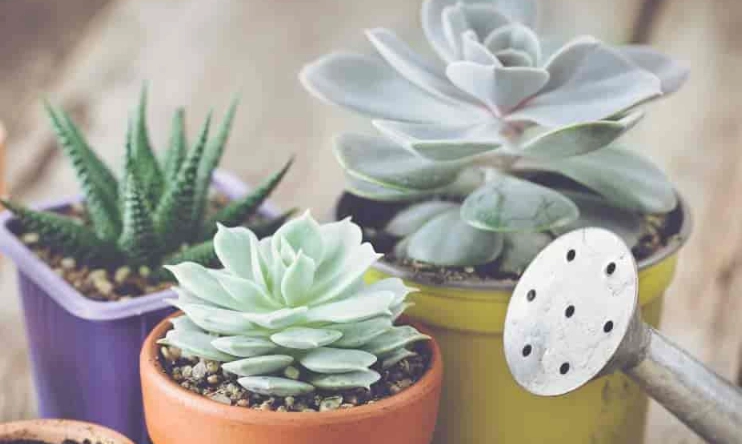
Factors That Change Everything: Your Watering "Variables"
Understanding how to water a succulent means knowing that the "perfect" frequency doesn't exist. It's a moving target. Here’s what changes the equation:
| Factor | Effect on Watering Frequency | Why & What to Do |
|---|---|---|
| Season (Light & Growth) | Varies Dramatically | In spring/summer (active growth, more light), they drink more. Water more frequently. In fall/winter (dormancy, less light), they need far less water. Stretch the drying period significantly. |
| Climate & Indoor Environment | Major Impact | Hot, dry, sunny rooms dry soil fast. Cool, humid, or low-light rooms keep soil moist for longer. A succulent in a Arizona sunroom vs. a Seattle basement will have wildly different needs. |
| Pot Type & Size | Critical Factor | Terracotta/clay pots are porous and wick moisture away, drying soil faster. Glazed ceramic or plastic pots retain moisture much longer. Small pots dry out faster than large ones. |
| Soil Mix | The Foundation | This is arguably the most important factor. Regular potting soil holds too much water. You must use a fast-draining, gritty mix. A good start is 50% potting soil + 50% perlite/pumice. Better yet, use a specialized succulent/cactus mix. |
| Plant Type & Size | Subtle Differences | Large, established plants with big root systems can handle more water than tiny propagations. Some genera, like Lithops (living stones), have extremely specific and infrequent watering needs. |
See? No simple answer. It's all about context.
The Soil and Pot Combo: Setting Yourself Up for Success
You can be perfect at knowing how to water a succulent, but if it's planted in mud in a pot with no hole, you'll lose. Your setup does 50% of the work for you.
The Non-Negotiables for Pots
- Drainage Hole: This is not optional. It is mandatory. If your cute pot doesn't have a hole, use it as a decorative cache pot and keep your plant in a plain plastic nursery pot inside it.
- Size Matters: Don't put a tiny plant in a huge pot. Excess soil holds excess water that the roots can't reach, staying wet and causing rot. The pot should be just slightly larger than the root ball.
- Material Preference: For beginners, I honestly recommend terracotta. Its breathability is a built-in safety net against overwatering. It helps the soil dry more evenly.
Crafting the Perfect Fast-Draining Soil
Store-bought "cactus mix" is okay, but it's often not gritty enough. I like to amend it. Here's a simple, effective DIY mix:
- 2 parts potting soil (a good quality, peat-free one if possible)
- 2 parts coarse sand (horticultural sand, not beach sand!) or poultry grit
- 1 part perlite or pumice
This creates a chunky, airy mix where water flows through quickly, and roots get plenty of oxygen. The Royal Horticultural Society, a leading gardening authority, emphasizes the importance of free-draining compost for succulents to prevent stem and root rot. You can find more on their detailed care advice here.
Pro Tip: When you repot, make sure the soil is completely dry. Gently loosen the old soil from the roots. This is a great time to check for any signs of rot (black, mushy roots) and trim them off with sterile scissors.
Seasonal Shifts: Adjusting Your Approach Through the Year
Your watering strategy should change with the seasons. A one-size-fits-all approach is a recipe for disaster.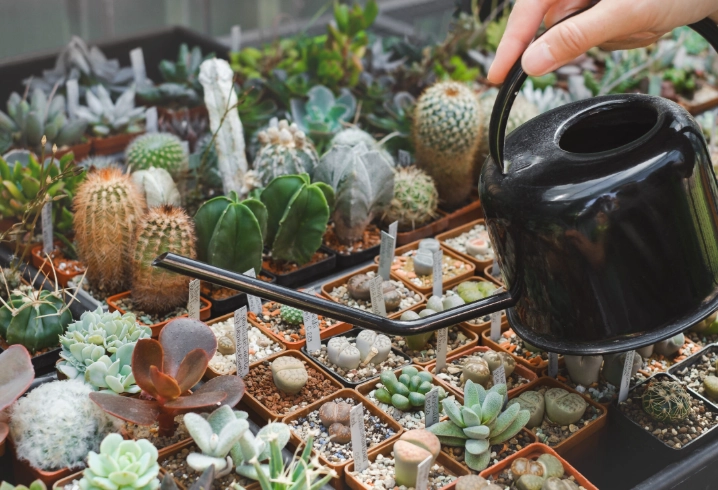
Spring & Summer (The Growing Season)
This is when your plants are most active, pushing out new growth and often flowering. They'll use water more quickly. You'll likely be using the "soak and dry" method most frequently here. But still, always check the soil first! A hot, sunny spell might mean watering every 10 days. A cloudy, humid week might mean 3 weeks.
Fall & Winter (The Resting Season)
As daylight decreases and temperatures drop, most succulents slow down or go dormant. Their water needs plummet. This is when overwatering is most deadly. You might go 4, 6, even 8 weeks between waterings. The goal is to give them just enough water to prevent the roots from completely desiccating. Water very sparingly, and only when the plant shows clear signs of thirst (significant leaf wrinkling).
I've found winter to be the true test of patience. You look at them, they look a bit wrinkled, and everything in you wants to water. But if they're cool and not growing, they often just need to be left alone. It's tough.
Spotting Trouble: The Signs of Overwatering vs. Underwatering
Even with the best intentions, things can go wrong. Here's how to diagnose the problem.
| Symptom | Overwatering (Root Rot) | Underwatering |
|---|---|---|
| Leaf Texture & Color | Leaves become soft, mushy, and translucent. They may turn yellow or black. They often fall off at the slightest touch. | Leaves become thin, wrinkled, and flat. They feel dry and leathery, not mushy. Color may become duller. |
| Plant Stability | The stem may turn black or brown and become mushy. The plant may feel loose in the soil as the roots rot away. | The plant is stable in the pot but looks deflated and shriveled. |
| Soil Condition | Soil stays wet or damp for many days after watering. May have a musty smell. | Soil is extremely dry, hard, and may have pulled away from the edges of the pot. |
| Recovery Action | STOP WATERING. Unpot immediately. Remove all wet soil. Cut away any black/mushy roots and stem with a sterile knife. Let the plant callous over for several days, then repot in dry, fresh gritty mix. Don't water for a week or more. | Give the plant a thorough, deep soak using the soak and dry method. It should plump up within a few days. If the soil is hydrophobic (repels water), soak the entire pot in a basin of water for 30 minutes. |
Mushy = too much water. Wrinkly = needs water.
Your Top Questions on How to Water a Succulent, Answered
No. Misting is practically useless for succulents. It only wets the surface and can encourage fungal growth on the leaves. It does not provide the deep root hydration they need. The only exception is for certain propagation methods, like leaf props, before they have roots.
Morning is ideal. This allows any accidental water on the leaves to evaporate during the day, reducing the risk of sunburn (water droplets can act as magnifying glasses) or rot. Avoid watering in the evening when temperatures drop and moisture sits for longer.
You can, but it's not ideal. Tap water often contains minerals (like calcium and fluoride) and salts that can build up in the soil over time, causing white crusts on the pot or soil surface and potentially harming the roots. If you see buildup, flush the soil thoroughly with rainwater or distilled water every few months. Rainwater or filtered water is best if available.
Don't. Seriously, just don't plant it directly in there. It's a ticking time bomb. Use it as a decorative outer pot (cache pot) and keep your succulent in a plastic nursery pot with holes that you can take out to water and drain thoroughly.
Often, yes! This is a natural part of growth. As the plant grows taller, it will reabsorb nutrients and water from its oldest (lowest) leaves. They will dry up into a crisp, papery shell and fall off. This is different from overwatering, where leaves turn mushy and fall off while still plump and often discolored.
Your plant will tell you. Look for firm, plump leaves, consistent growth (in season), and a general appearance of vigor. There's no better feeling than seeing a new, tight rosette form or a burst of fresh, colorful leaves. That's your reward for getting the cycle right.
The Succulent Watering Hall of Fame (and Shame)
Let's break down some common methods.
- Champion (The Soak & Dry Method): The undisputed winner. Promotes deep, strong root growth and perfectly mimics natural conditions.
- Runner-Up (Bottom Watering): Placing the pot in a tray of water and letting the soil soak it up from the bottom. Great for ensuring even saturation and avoiding topsoil disturbance. Just be sure to remove it once the topsoil is moist.
- Disqualified (The Schedule Waterer): "Every Sunday, come rain or shine." This method ignores all environmental factors and is the leading cause of overwatering.
- Biggest Fail (The Mister): Provides false hope and promotes leaf problems. Does nothing for root health.
- Honorable Mention (The "Forgetful" Gardener): Often yields better results than the over-attentive one. Underwatering is almost always easier to fix than overwatering.
Learning how to water a succulent isn't about memorizing a rule. It's about developing a feel for it. It's about observation. Start with the soak and dry method as your foundation. Use a gritty mix in a pot with a hole. Then, put the calendar away and start paying attention. Poke the soil. Gently feel the leaves. Lift the pot.
Your plants will talk to you. It might take a killed plant or two to learn the language—I know it did for me—but once you get it, it becomes second nature. You'll stop worrying about "how to water a succulent" and start just... understanding what it needs. And that's when the real fun begins.
The biggest shift for me was changing my mindset from "caretaker on a schedule" to "observer of a natural cycle." It made plant care less of a chore and more of a partnership. Now, go check your soil. Is it dry? Then maybe it's time for a good, deep drink.