Jade Plant Care Guide: Watering, Light, Soil & Common Mistakes
Houseplant care
You see them everywhere—in offices, living rooms, even trendy cafes. The jade plant, with its plump, glossy leaves and sturdy trunk, looks indestructible. That's the lie. I've killed my share of Crassula ovata before I figured them out. Most care advice is too generic. "Water when dry." What does that even mean? This guide is different. We're going deep, past the basics, into the specifics that turn a surviving jade into a spectacular, decades-old heirloom.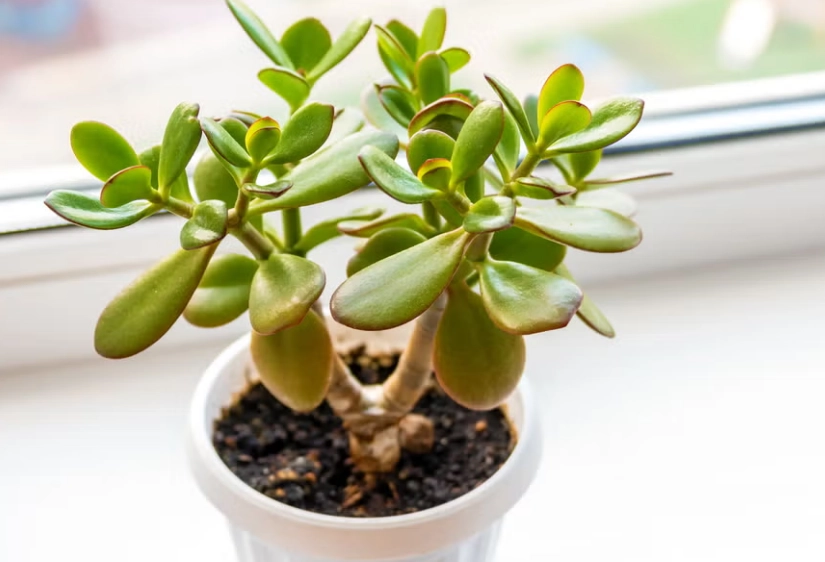
What's Inside This Guide
The Golden Rule of Jade Plant Care: Forget the Schedule
This is the number one mistake. People hear "succulent" and think "drought-loving," then forget it for a month. Or they water weekly because their other plants need it. Both are wrong.
Jade plants store water in their leaves, stems, and trunk. They need a thorough soak followed by a complete dry-out. The cycle length isn't fixed. It changes with seasons, light, and humidity.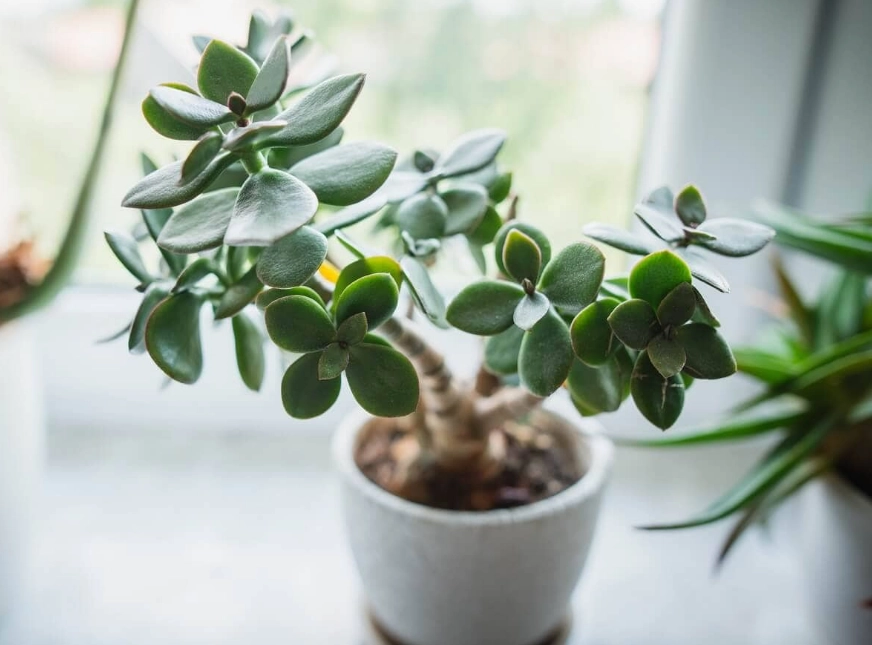
In summer, with bright light and warmth, this might be every 2-3 weeks. In a cool, low-light winter room, it could stretch to 5-6 weeks or more. The plant tells you when it's thirsty: the leaves will lose their rigid plumpness and give slightly when gently squeezed. They shouldn't shrivel.
How to Water Correctly
Take the plant to the sink. Water slowly and evenly over the soil until water runs freely out of the drainage hole. Let it drain completely. Never let it sit in a saucer of water. That's it. No misting. Jade plants aren't tropical; they don't need humid air.
Light: The Make-or-Break Factor for Shape
Light determines everything about your jade plant's structure. Want a compact, tree-like form with thick stems and closely spaced leaves? It needs bright, direct light.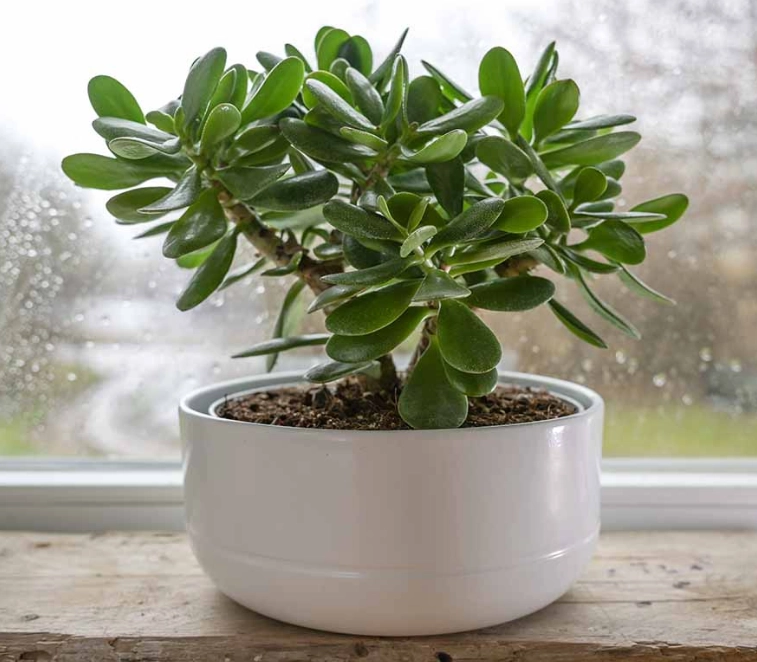
A south-facing window is ideal in the Northern Hemisphere. East or west-facing works, but growth might be slightly slower. North-facing windows usually don't provide enough intensity.
| Light Condition | What Happens to Your Jade Plant | What to Do |
|---|---|---|
| Bright, Direct Sun (4-6+ hrs) | Ideal. Compact growth, sturdy stems, reddish leaf edges (a sign of happiness). | Keep it there. Rotate occasionally for even growth. |
| Bright, Indirect Light | Good for growth, but stems may stretch slightly. Leaves remain deep green. | Perfect for most homes. Monitor for legginess. |
| Low Light (Far from window) | Leggy growth: long, weak stems with large gaps between leaves. Slow growth, higher risk of overwatering. | Move it closer to light immediately. Consider a grow light. |
I made the leggy mistake with my first jade. It was in a "bright room" but 8 feet from the window. It grew, but it looked spindly and sad. Moving it right onto the windowsill transformed it within months.
Soil and Pot: Your Best Defense Against Rot
This is your insurance policy against overwatering. Regular potting soil is a death sentence—it's like a sponge.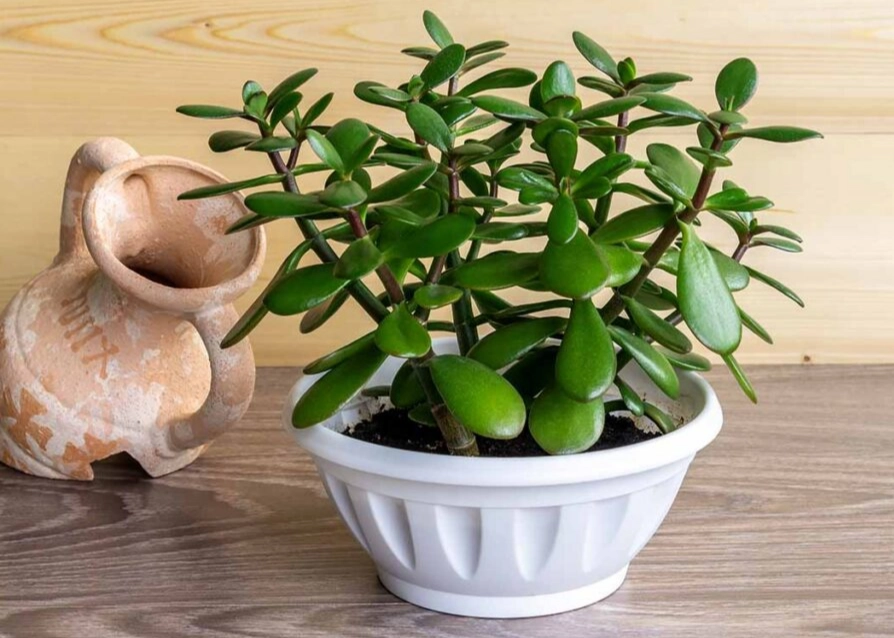
Soil Mix: You need a gritty, fast-draining mix. A good quality cactus & succulent potting mix is the bare minimum. To make it excellent, mix it 1:1 with perlite or pumice. This creates air pockets and ensures water flows through instantly.
The Pot: Non-negotiable: drainage holes. Terracotta pots are fantastic for jade plants because they're porous, allowing the soil to dry from the sides as well as the top. Plastic or ceramic pots are fine, but you must be more vigilant with watering.
Repotting is rarely urgent. Do it every 2-4 years in spring, sizing up only 1-2 inches in diameter. A slightly root-bound jade is often a happy, stable jade.
Feeding, Pruning, and Propagation
Jade plants aren't heavy feeders. During the active growing season (spring and summer), feed once a month with a balanced, water-soluble fertilizer diluted to half-strength. A 10-10-10 or 20-20-20 works. Stop feeding completely in fall and winter.
Pruning for Beauty
Don't be afraid to cut. Pruning encourages branching, creating a fuller, bushier plant. Use clean, sharp scissors or pruners.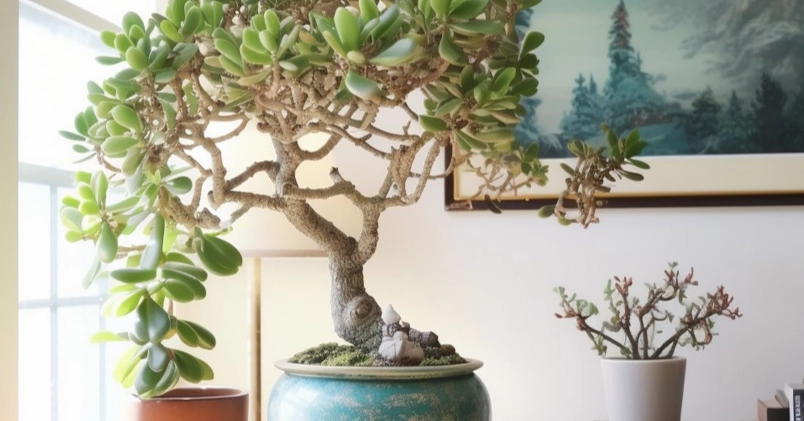
- To encourage branching: Snip off the growing tip of a stem.
- To remove leggy growth: Cut back a long stem to a desirable length, just above a pair of leaves.
- Always remove dead or yellowing leaves at the base.
Propagation: Making Free Plants
This is the fun part. Every piece you prune off can become a new plant. The easiest method is stem cuttings.
Let the cutting callous over for a few days (this prevents rot). Then, stick it in dry succulent soil. Don't water it for a week. After that, water lightly. Roots will form. It's that simple. You can also propagate from single leaves laid on soil.
Troubleshooting: Reading Your Plant's Signals
Your jade plant talks. You just need to learn its language.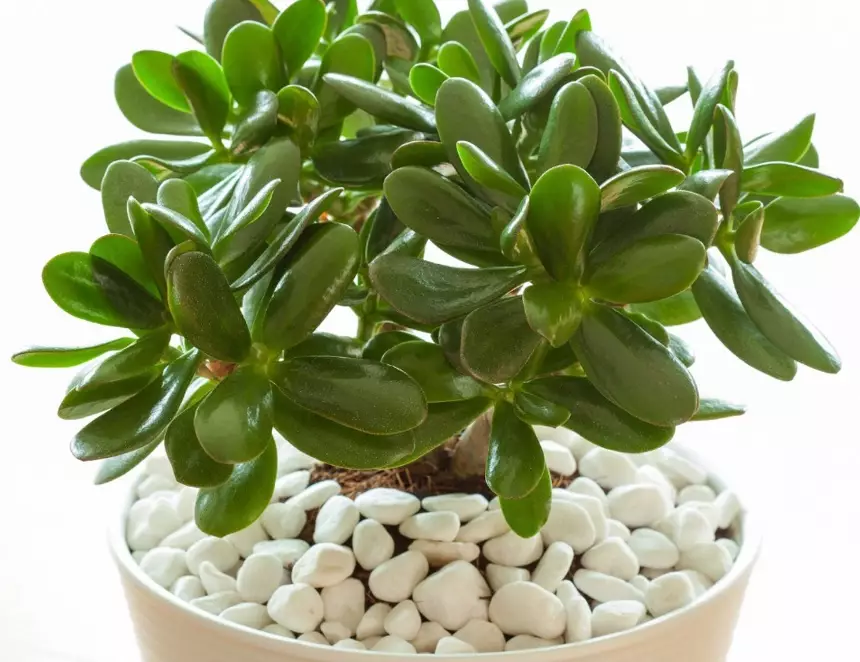
- Soft, Squishy Leaves Falling Off: Overwatering. Stop. Check roots for rot. Let soil dry completely.
- Thin, Wrinkled Leaves: Underwatering. Give it a good soak.
- Leggy, Stretched Growth: Not enough light. Move it closer to the sun.
- Brown, Crispy Spots on Leaves: Sunburn. It was moved into direct sun too quickly. Acclimate it gradually.
- White, Cottony Masses: Mealybugs. Isolate the plant. Dab bugs with a cotton swab dipped in rubbing alcohol.
Your Jade Plant Questions, Answered
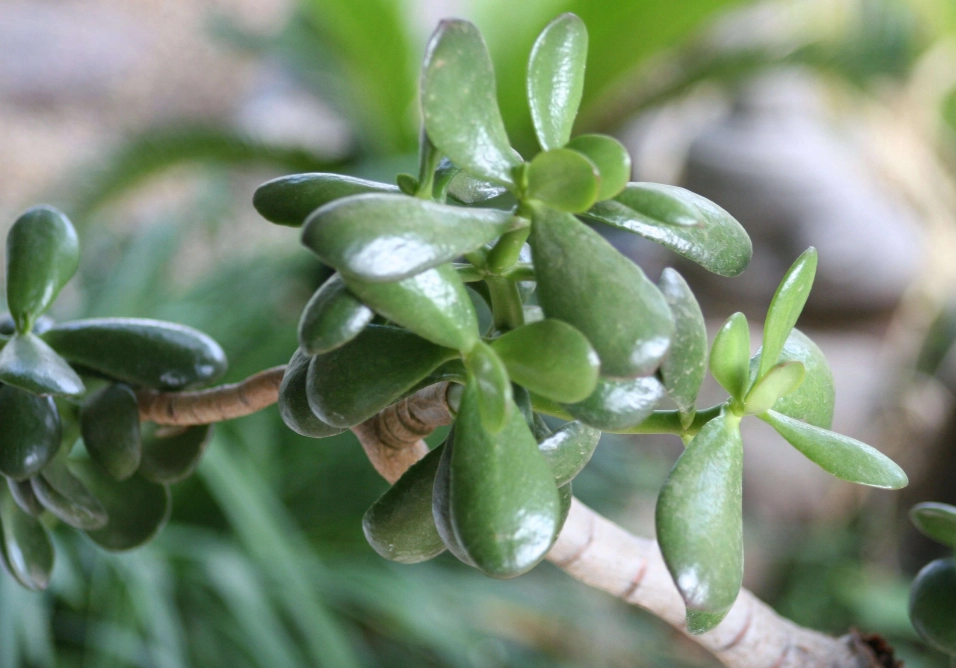 Jade plant care boils down to mimicking its native, arid environment: lots of sun, infrequent but deep watering, and soil that doesn't hold onto moisture. Get those three things right—light, water, soil—and your Crassula ovata will reward you with decades of sturdy, serene growth. It might even outlive you. Now go check if your plant's soil is actually dry.