Calandiva Plant Care: Expert Tips for Year-Round Blooms
Houseplant care
I remember buying my first Calandiva plant—vibrant pink flowers, lush leaves—and within a month, it was a drooping mess. Sound familiar? After a decade of growing these succulents, I've learned that most care advice misses the mark. This guide cuts through the noise with practical, tested steps to keep your Calandiva thriving, not just surviving.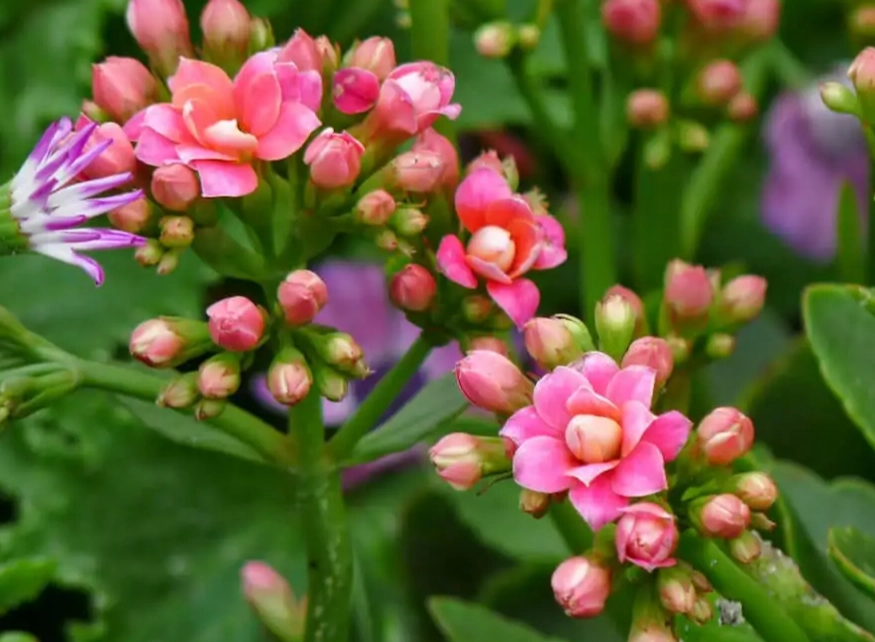
Jump Straight to What Matters
What Exactly is a Calandiva Plant?
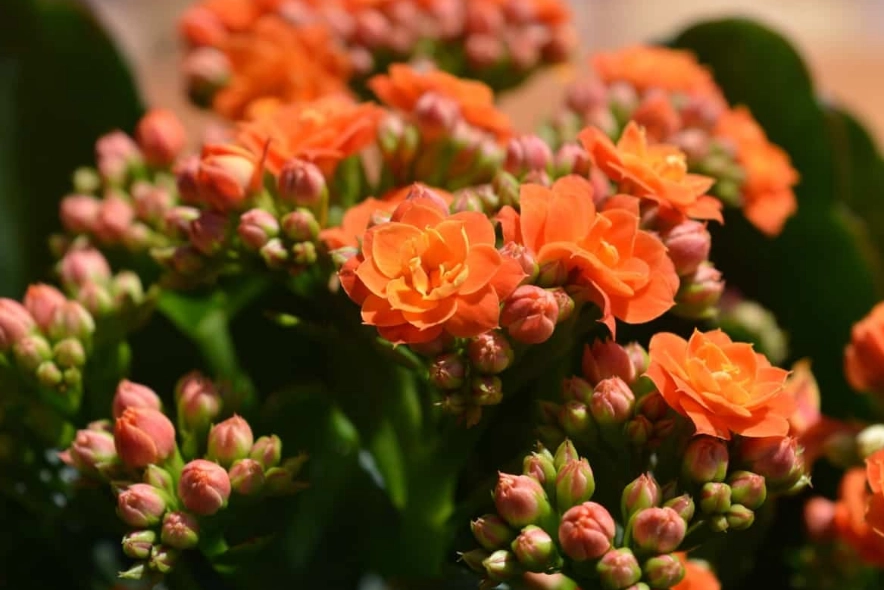
Calandiva isn't just another pretty face—it's a cultivated variety of Kalanchoe blossfeldiana, bred for those double, rose-like flowers that last weeks. Native to Madagascar, it's a succulent, meaning it stores water in its thick leaves. But here's the kicker: many treat it like a tropical plant, and that's where things go wrong.
I've seen folks confuse it with African violets or geraniums. Nope. Calandiva has a dormant period after blooming where it needs less water and cooler temps. Ignore that, and you'll get leggy growth or root rot.
The Non-Negotiable Care Steps
Let's break it down. Calandiva care isn't complicated, but it requires consistency. Skip the fluff—here's what actually works.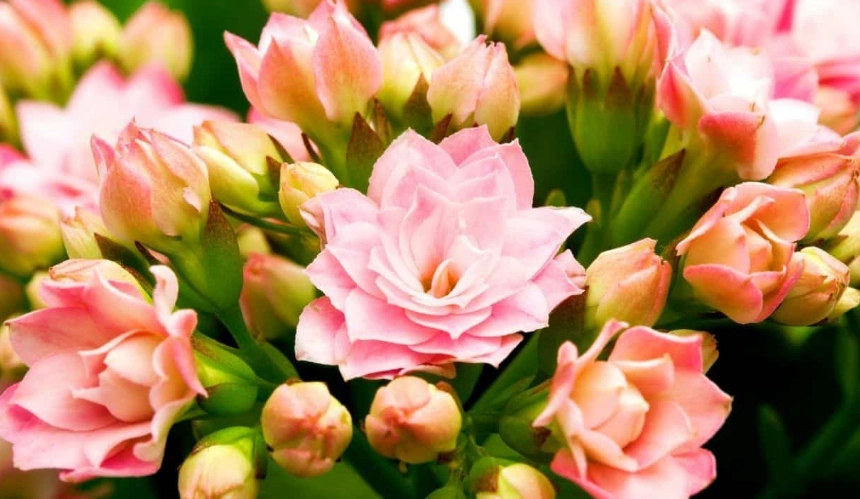
Light and Watering: The Make-or-Break Factors
Light first. Calandiva loves bright, indirect light. Think near an east-facing window where it gets morning sun but avoids harsh afternoon rays. I once placed mine in a south window; the leaves got scorched within days. If you only have low light, consider a grow light—LED ones work wonders without heating up.
Now, watering. This is the biggest pitfall. Most guides say "water when dry," but that's vague. Here's my rule: stick your finger into the soil up to the first knuckle. If it's dry, water thoroughly until it drains out the bottom. Then, wait until it's dry again. In summer, that might be every 10-14 days; in winter, stretch it to 3-4 weeks. Overwatering leads to mushy stems—a death sentence.
Soil and Potting: Avoid These Common Mistakes
Soil matters more than you think. Regular potting soil holds too much moisture. Go for a cactus or succulent mix—I blend mine with extra perlite for drainage. Repot every 2-3 years in spring, but don't overpot; a slightly snug pot encourages blooming.
Drainage holes are non-negotiable. No holes? Drill them or use a liner. I've rescued plants by repotting into gritty mix after root rot set in.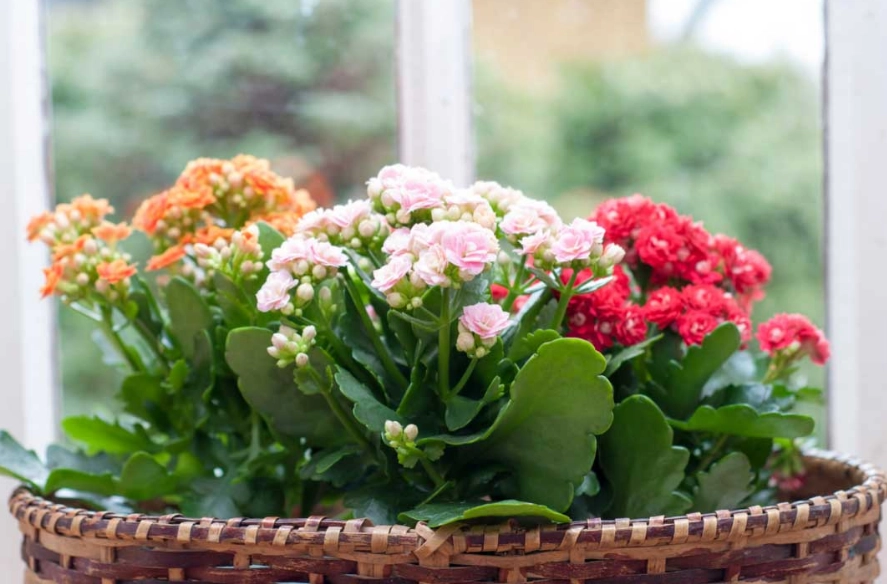
Secrets to Getting More Blooms
Calandiva can bloom multiple times a year, but it needs a trigger. After the flowers fade, reduce light to 8-10 hours daily for 6 weeks. I do this in fall by moving plants to a closet at night. Combine with cooler temps (around 60°F/15°C) and minimal watering. This mimics their natural cycle.
Fertilize sparingly. Use a balanced, water-soluble fertilizer diluted to half strength every 4-6 weeks during active growth (spring to early fall). Over-fertilizing causes salt buildup—I've seen leaves burn from this.
Troubleshooting Guide: Fix Issues Fast
Problems happen. Here's a quick reference table based on my experience:
| Symptom | Likely Cause | Immediate Action |
|---|---|---|
| Yellow leaves | Overwatering or poor drainage | Stop watering; let soil dry completely; repot if roots are mushy. |
| No blooms | Insufficient light or no dormancy period | Increase indirect light; implement short-day treatment in fall. |
| Leggy growth | Too little light | Move to brighter spot; prune back stems to encourage bushiness. |
| Brown leaf tips | Low humidity or fertilizer burn | Mist lightly or use a humidity tray; flush soil with water to remove excess salts. |
| Pests (mealybugs) | Overwatering or poor air circulation | Isolate plant; dab pests with alcohol-soaked cotton swab; improve airflow. |
Pests are rare if you avoid overwatering. Mealybugs love damp conditions. I once had an infestation from grouping plants too closely—lesson learned.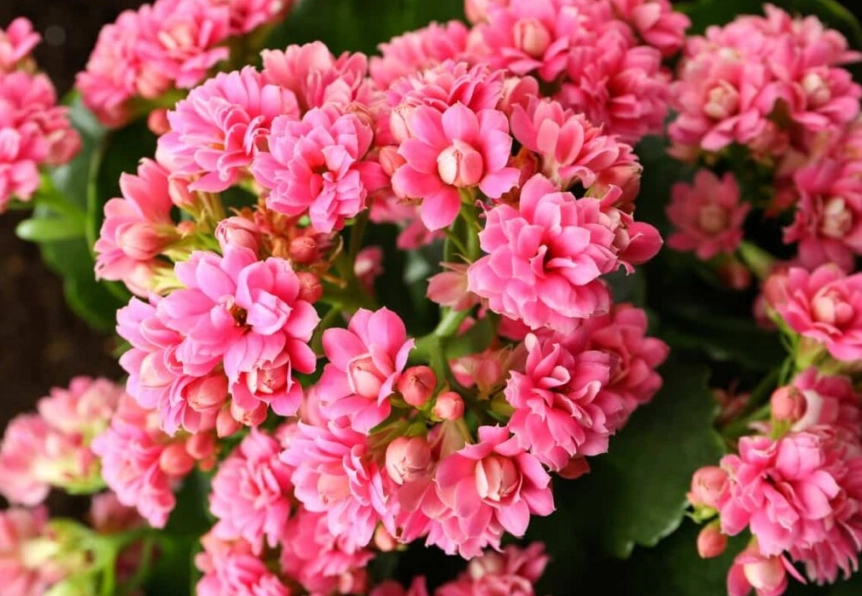
Propagation Made Simple: A Case Study
Want more plants? Propagate from stem cuttings. Last year, I took cuttings from a healthy Calandiva after blooming. Here's my step-by-step:
- Cut a 3-4 inch stem with at least two leaves.
- Let it callous over for a day—this prevents rot. Many skip this and wonder why cuttings fail.
- Plant in moist cactus mix. Don't water for a week; then water lightly.
- Place in bright indirect light. Roots form in 3-4 weeks.
I propagated five cuttings; four succeeded. The one that failed was from an overwatered mother plant—health matters.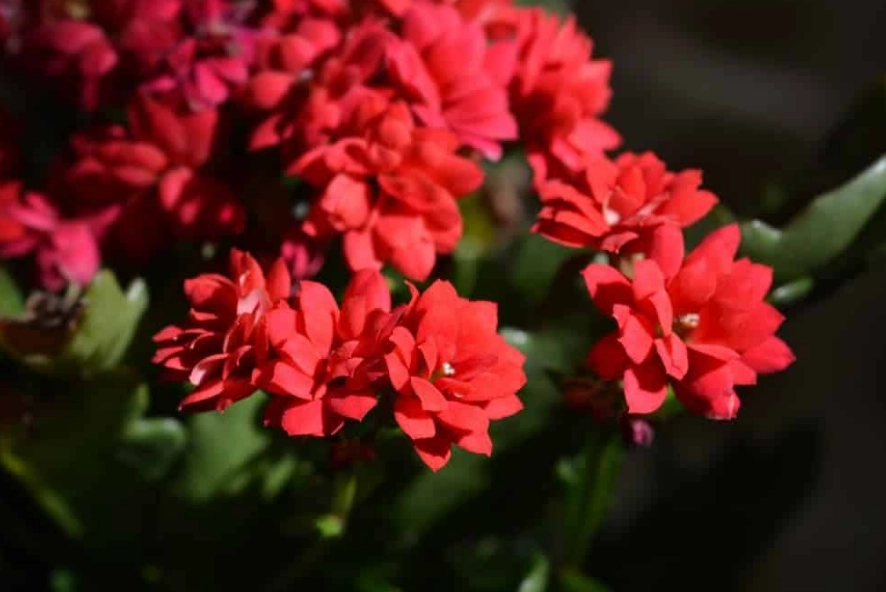
Your Questions Answered
 Calandiva plants aren't fussy if you understand their succulent nature. Start with bright light, go easy on water, and don't fear a little neglect. I've seen more plants die from love than neglect. For further reading, check resources like the Royal Horticultural Society on succulent care—they offer solid basics. Now, go give your Calandiva the tough love it needs!