Jade Succulents: The Complete Care Guide for a Thriving Plant
Houseplant care
The jade plant, Crassula ovata, sits on countless windowsills. It's the plant you get as a housewarming gift, the one your grandma propagated for you. We call it easy, a beginner plant. But that label does it a disservice. I've seen more jade plants killed with kindness—drowned in love and water—than any other succulent. After a decade of growing them from tiny cuttings into miniature trees, I've learned their quiet language. They're not fussy, but they are specific. Get the basics wrong, and you get a leggy, drooping mess. Get them right, and you have a sculptural, lifelong companion.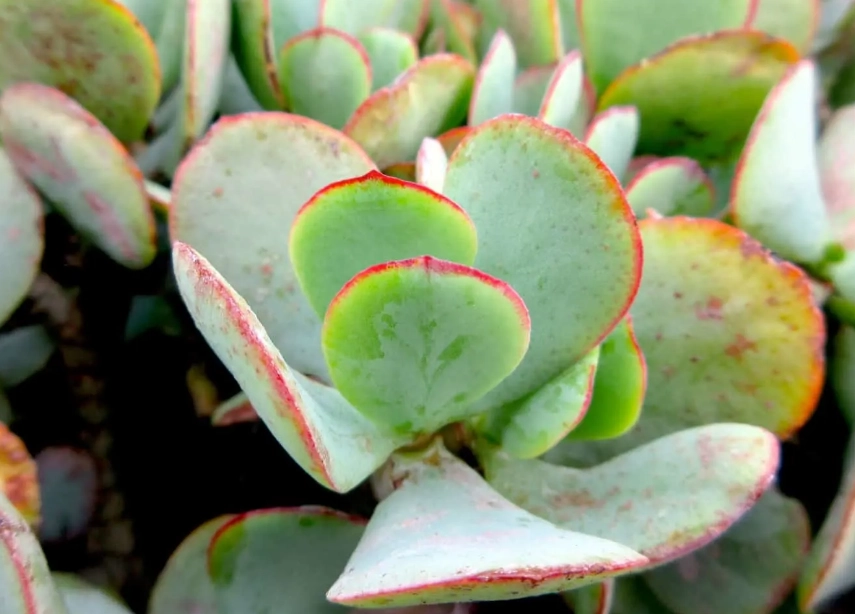
What You'll Learn
Let's move past the generic advice. You know it needs "bright light" and "little water." Let's talk about what that actually looks like in your living room, through all four seasons.
Light and Temperature: The Non-Negotiables
This is where most failures begin. "Bright, indirect light" is the standard line. For a jade, that's the minimum for survival, not for thriving.
To keep its compact, tree-like form and encourage those gorgeous red-tipped leaves, it craves direct sunlight. A south-facing or west-facing window is prime real estate. Aim for at least 4-6 hours of direct sun daily. Less than that, and you'll witness etiolation: the stems stretch out, the leaves space themselves further apart, and the whole plant gets weak and floppy.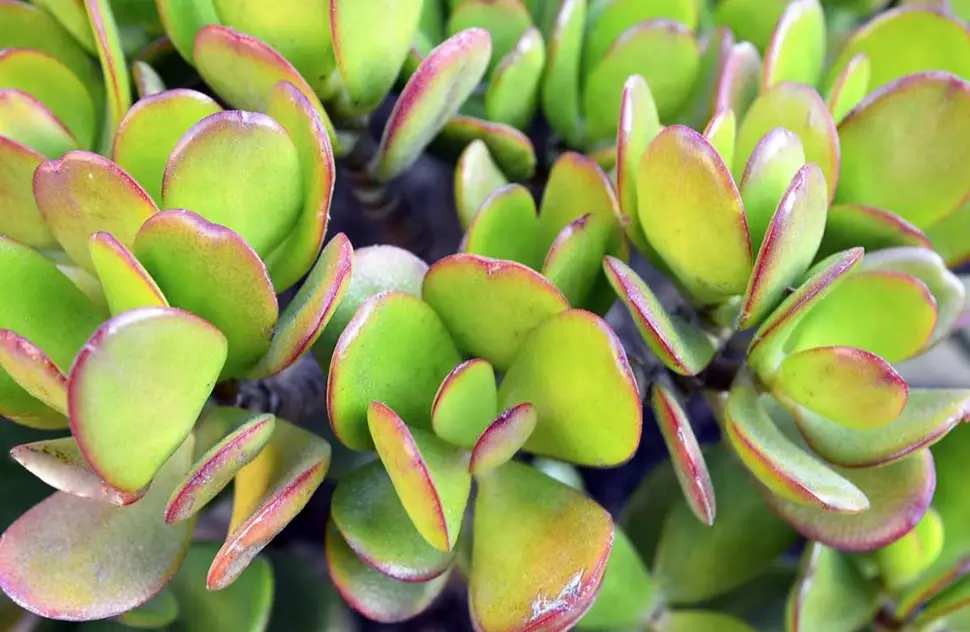
A crucial tip: If your jade has been in lower light, don't shove it into a blazing southern window immediately. Sunburn on succulents is real—it shows as bleached, brown, or scorched patches on the leaves. Acclimate it over a week or two, increasing exposure by an hour every few days.
Temperature is straightforward. They like room temperature (65-75°F or 18-24°C) and appreciate a cooler period in winter (down to 50°F or 10°C) to encourage blooming in mature plants. Just keep them away from drafty windows and heating vents.
Watering Your Jade Plant: The Biggest Pitfall
Here's the expert opinion you won't see everywhere: Forget the schedule. Watering every Tuesday because you always do is a recipe for root rot. I killed my first beautiful jade this way. The soil was still damp from the previous week, but I watered anyway. Two weeks later, leaves were dropping like flies.
Jade plants store water in their thick leaves and stems. They need to dry out almost completely between waterings.
How to Check for Watering
Stick your finger into the soil, up to the first knuckle. Is it dry? Wait a few more days. Seriously. When it's finally dry, give it a thorough soak. Water until it runs freely out of the drainage holes. This encourages deep root growth. Then, let it drain completely—no sitting in a saucer of water.
Signs you're getting it wrong:
Overwatered: Leaves are soft, mushy, and translucent. They fall off easily. Stems may be soft and blackened at the base.
Underwatered: Leaves become thin, wrinkled, and may shrivel. They feel limp, not mushy. The plant looks deflated.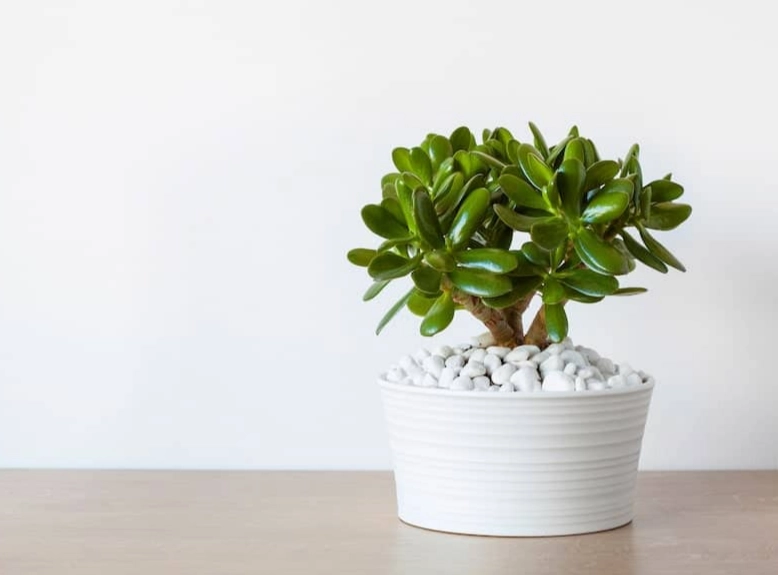
In winter, when growth slows and light is lower, your jade might only need water once a month or even less. Let the plant, not the calendar, guide you.
Soil and Potting: Building the Right Foundation
Even perfect watering fails if the soil is wrong. Regular potting mix holds moisture for too long. Jade roots need to breathe.
You have two good options:
Option 1: Use a high-quality commercial succulent and cactus mix. This is a great start.
Option 2 (My Preference): Take that succulent mix and amend it with extra inorganic material for drainage. I mix 1 part succulent soil with 1 part perlite or pumice. The result is a gritty, fast-draining mix that mimics their natural habitat.
The pot matters too. Always use a pot with a drainage hole. Terracotta pots are excellent because they're porous and help wick away moisture from the soil. When repotting (every 2-3 years), only go up one pot size. A pot that's too large holds excess soil that stays wet for too long.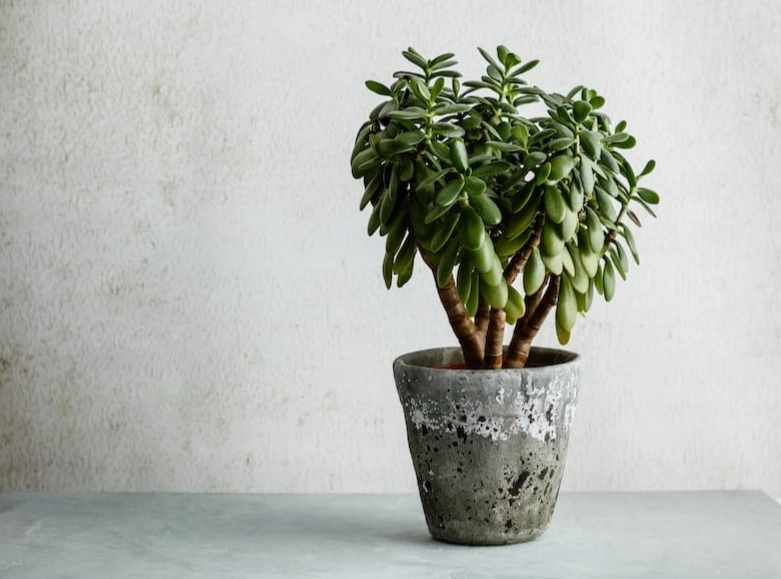
Feeding, Pruning, and Shaping Your Tree
Jade plants are light feeders. During the active growing season (spring and summer), you can feed them with a balanced, water-soluble fertilizer diluted to half-strength, once a month. Skip fertilizing in fall and winter.
Pruning is where the fun starts. This is how you turn a lanky succulent into a miniature tree. Don't be afraid to cut.
Use clean, sharp scissors or pruners. You can pinch off new growth at the tips to encourage bushiness. To shape, cut a stem just above a pair of leaves. New branches will sprout from that point. You can prune for size, balance, or to remove any weak or dead growth.
The cuttings? Don't throw them away. That leads us to the next section.
Propagation: Making More Jades
This is arguably the most satisfying part of jade plant care. You can create new plants from stem cuttings or even single leaves.
Stem Cuttings (Fastest Method)
Take a healthy stem cutting, 3-4 inches long. Let the cut end dry and callous over for 2-3 days. This step is critical to prevent rot. Then, stick the calloused end into dry succulent soil. Don't water it yet. Wait a week, then give the soil a slight sprinkle of water. Only water normally once you see new growth, indicating roots have formed.
Leaf Propagation (Requires Patience)
Gently twist a healthy, plump leaf from the stem. Ensure you get the whole base. Let it callous for a few days. Then, simply lay it on top of dry soil. Don't bury it. Roots and a tiny new plant will eventually emerge from the base. Mist the soil very lightly only after you see roots. It's a slow process, but magical to watch.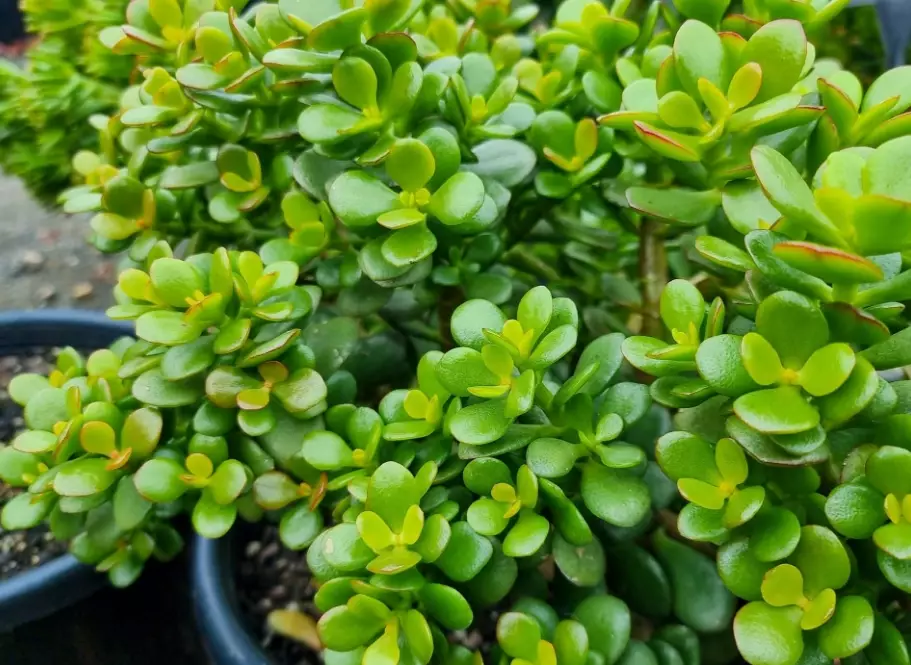
Popular Jade Plant Varieties to Collect
The standard green jade is a classic, but there's a whole world of Crassula ovata cultivars.
'Hobbit' or 'Gollum': With tubular, finger-like leaves that have red tips, this one is a conversation starter. Care is identical to the standard jade.
'Tricolor' or 'Variegata': This beauty has creamy white and pink stripes on green leaves. It grows a bit slower and can be slightly more sensitive to intense sun, but it's stunning.
'Blue Bird': A newer hybrid with a more compact form and powdery blue-green leaves that get vibrant pink edges in full sun.
Treat them all with the same core principles: tons of light, cautious watering, and gritty soil.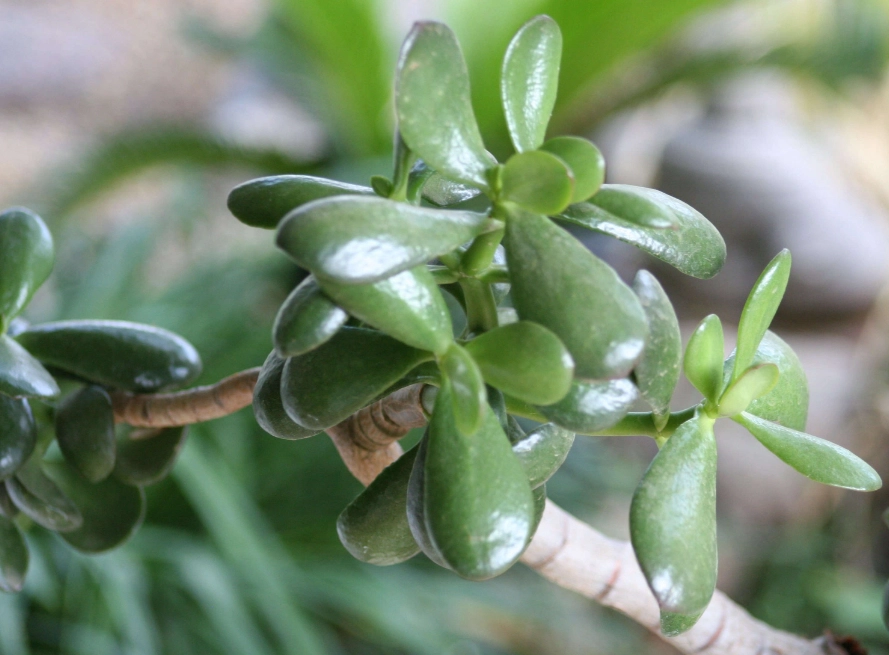
So there you have it. The jade plant isn't just a set-it-and-forget-it decor piece. It's a dynamic living thing that responds beautifully to correct care. Pay attention to the light, resist the urge to overwater, give it the right soil, and don't be shy with the pruners. Do that, and you won't just have a plant—you'll have a thriving, sculptural heirloom.