Let's cut to the chase. You're here because you've heard snake plants are indestructible, yet yours looks sad, or you're terrified of killing it with kindness (read: water). I've been there. I've also killed a beautiful Sansevieria trifasciata 'Laurentii' by following a rigid "once a week" rule. That was my lesson: snake plant watering isn't about a schedule; it's about understanding a mindset.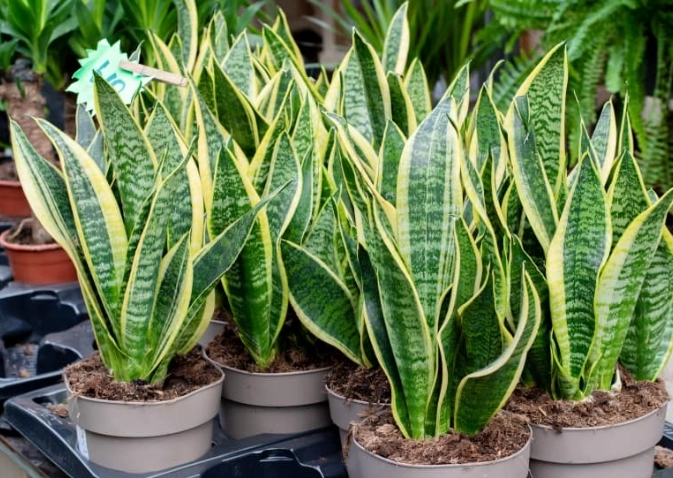
The golden rule? When in doubt, don't. But let's move beyond the cliché and into the specifics that actually keep your plant alive.
What You'll Learn
How Often to Water Snake Plant: The Simple Answer
For a standard snake plant in a typical home environment (average light, room temperature), you're looking at watering every 2 to 6 weeks.
See that range? It's huge. That's the point. A plant in a bright, warm south-facing window in a terra cotta pot might need water every 2-3 weeks. The same plant in a low-light corner, in a plastic pot, during winter, might be perfectly happy for 6-8 weeks.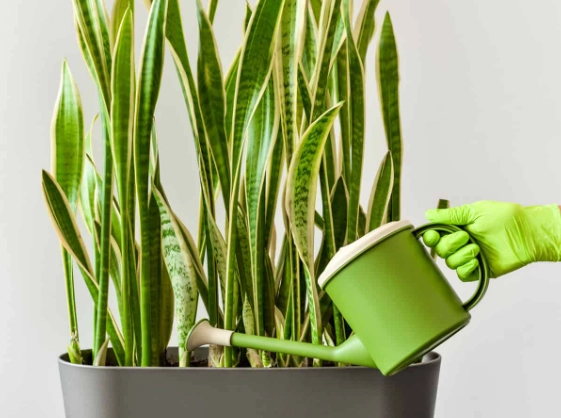
My Personal Baseline: In my centrally heated home with east-facing windows, I check my snake plants every 3 weeks in spring and summer. In fall and winter, I stretch that to every 5-6 weeks. I almost never water on the first check.
Seasonal Watering Adjustments: Summer vs. Winter
This is where most generic advice falls short. Your plant's "year" has two seasons: Growth Season (Spring/Summer) and Dormant Season (Fall/Winter).
| Season | Light & Growth | Watering Frequency | What to Do |
|---|---|---|---|
| Spring/Summer | More light, active growth | More frequent (e.g., every 2-4 weeks) | Water thoroughly when soil is completely dry. This is the time for potential fertilizer (diluted!). |
| Fall/Winter | Less light, growth slows/stops | Much less frequent (e.g., every 5-8 weeks) | Let the soil stay dry for much longer. No fertilizer. Beware of cold drafts near windows. |
Winter is the danger zone. Lower light means the soil takes forever to dry out, and the plant isn't drinking much. This is a perfect storm for root rot. I once lost a pup (a baby plant) because I didn't adjust my watering for the dark, cloudy weeks of January. The main plant survived, but that small section turned to mush.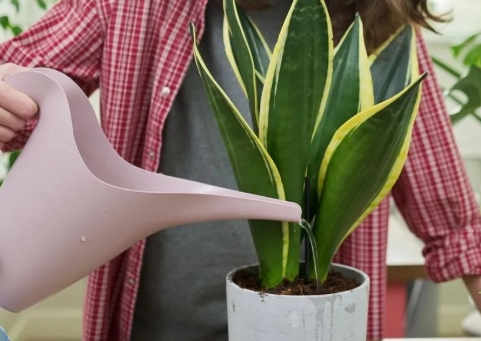
How Do You Know When a Snake Plant Needs Water?
Forget the calendar. Use these signals instead.
The Finger Test (The Gold Standard)
Stick your index finger into the soil, up to the second knuckle (about 2 inches). If you feel any moisture, coolness, or soil sticking to your finger, walk away. If it feels completely, utterly dry and your finger comes out clean, it's time to consider watering.
The Pot Lift Test
This takes practice but is brilliant. After you water, lift the pot and feel its weight. Make a mental note. A week or two later, lift it again. It will feel significantly lighter as the water is used up or evaporates. When it feels almost like lifting an empty pot, you're in the watering zone.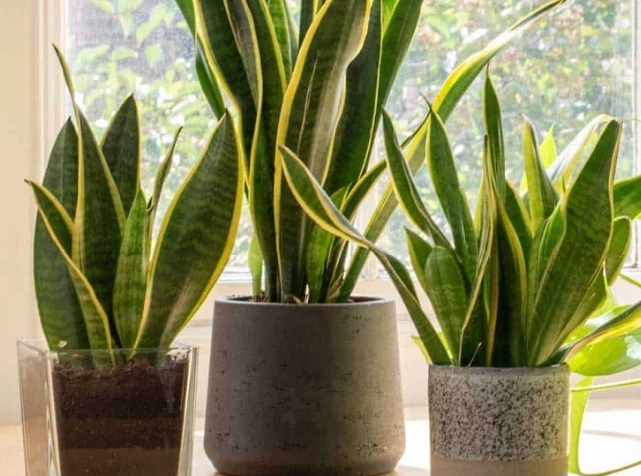
Visual & Tactile Leaf Clues (Last Resort)
A well-hydrated snake plant leaf is firm and rigid. When severely thirsty, the leaves may start to look slightly wrinkled, less plump, or lose some of their firmness. Don't wait for this sign—it means the plant is already stressed. Use the soil tests first.
The Biggest Mistake I See: People see a slightly drooping leaf or a brown tip and immediately water. Brown tips are more often caused by low humidity, fluoride in water, or physical damage. Overwatering in response will make the problem worse. Always diagnose with a soil check first.
The Ultimate Snake Plant Watering Checklist
When your plant passes the dry soil test, follow these steps for a perfect drink:
1. Use the Right Water: Tap water is okay in a pinch, but fluoride and chlorine can cause brown tips. If you can, use filtered, distilled, or rainwater. Let tap water sit out overnight to dissipate some chemicals. Always use room temperature water. Cold water shocks the roots.
2. Water Thoroughly, Not Lightly: This is critical. Take the plant to the sink or use a watering can with a long spout. Water evenly over the soil surface until you see water flowing freely out of the drainage holes. This ensures the entire root ball gets moistened.
3. The Non-Negotiable Drainage Step: Let the pot sit in the sink or bathtub for 15-20 minutes to drain completely. Never let the plant sit in a saucer full of water. Empty the saucer after draining. Soggy bottoms are the root of all evil (rot).
4. Return to Its Spot: Only put it back in its decorative cover or saucer once it's fully drained.
Common Mistakes & The "10-Year Expert" Perspective
Here’s what most blogs don’t tell you, the subtle stuff that makes a difference.
Mistake 1: Choosing the Wrong Potting Mix. Standard potting soil holds too much moisture. Repot your snake plant in a cactus or succulent mix. Even better, make your own by mixing 2 parts regular potting soil with 1 part perlite and 1 part coarse sand. The goal is fast drainage. The University of Florida IFAS Extension notes the importance of well-drained media for succulent-type plants to prevent rot.
Mistake 2: Pot Size and Material. A pot that's too large holds wet soil for far too long. Only size up 1-2 inches in diameter when repotting. Terracotta pots are fantastic—they're porous and wick away moisture. Plastic or ceramic pots retain water longer, so you must water less frequently in them.
Mistake 3: Ignoring Light. Watering frequency is directly tied to light. A snake plant in bright, indirect light will use water faster than one in a dark hallway. You can't have one watering rule for both. Assess light first, then adjust your checking schedule.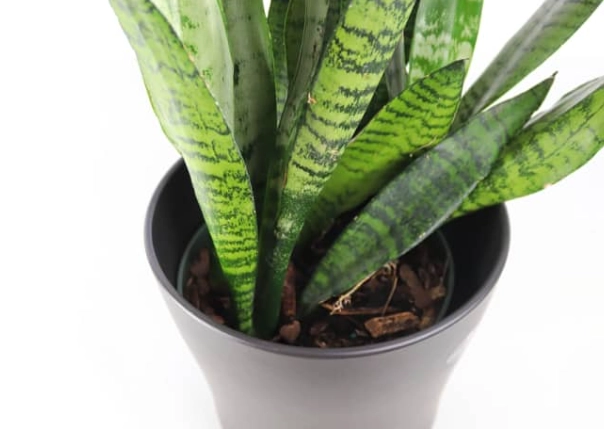
Your Snake Plant Watering Questions, Answered
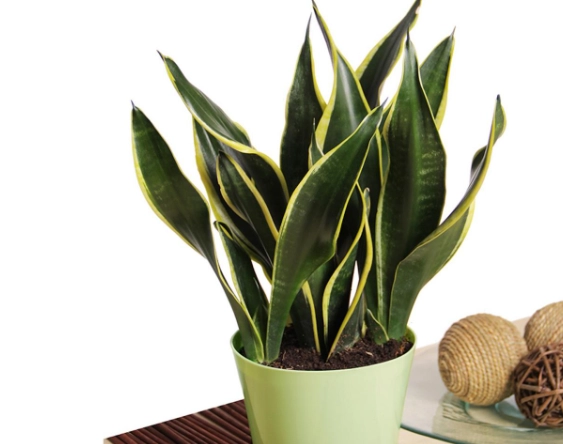
So, there you have it. Watering a snake plant isn't about memorizing a number of days. It's about becoming a detective for your plant's specific conditions—the light, the pot, the season, the soil. Start with the 2-6 week range as a checking schedule, not a watering schedule. Use the finger test as your final judge. When you get it right, you'll be rewarded with a tough, architectural plant that quietly cleans your air and asks for almost nothing in return. That's the real beauty of it.


Comments