How to Propagate Pothos: Step-by-Step Guide for Lush Growth
Houseplant care
Let's cut to the chase. Propagating pothos is almost stupidly easy. That's why it's the gateway plant for so many new indoor gardeners. But "almost" is the key word. I've seen people—myself included years ago—take a beautiful cutting, stick it in water, and watch it slowly turn into a slimy mess. The basics are simple, but the devil's in the details nobody talks about. After a decade of turning my home into a pothos jungle, I'll show you not just the steps, but the subtle tweaks that move your success rate from 70% to near 100%.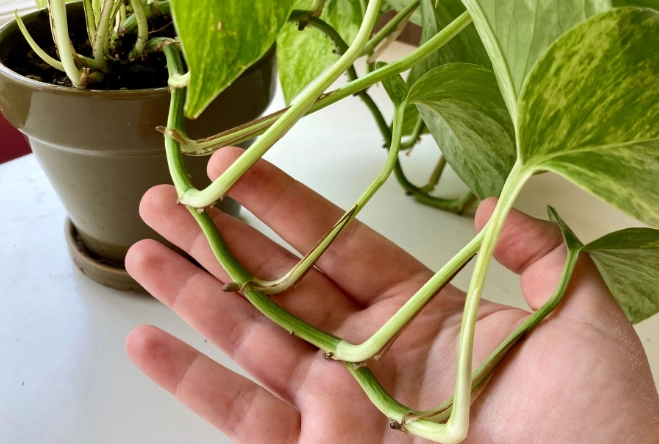
Jump Straight to What You Need
Why Bother Propagating Your Pothos?
It's free plants. That's the obvious answer. But it's more than that. When your main pothos gets leggy—long vines with few leaves—propagation is how you fix it. You prune the long stems, propagate the cuttings, and suddenly you have a fuller mother plant and several new babies. It's therapeutic. There's a real satisfaction in seeing roots grow from a piece of stem you cut yourself. You can gift them, trade with friends, or just create a dense, lush look in your space without spending another dime at the nursery.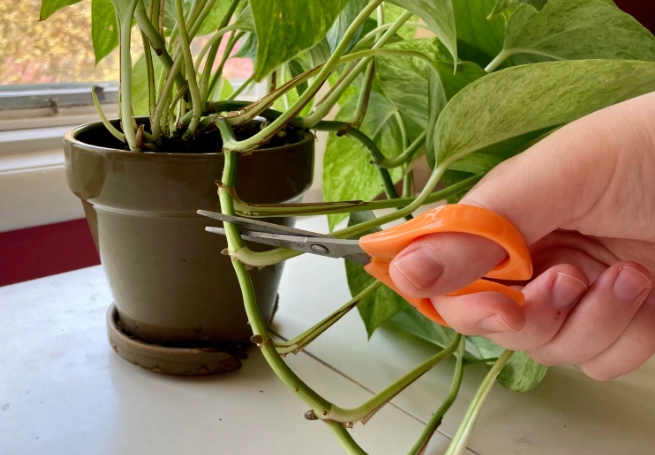
I started because I wanted a pothos on every bookshelf but couldn't justify the cost. Now, I have a Golden Pothos that started as a 4-inch cutting from a friend's office plant five years ago. It's the parent to at least a dozen other pots in my house.
Gearing Up: The 5 Non-Negotiable Tools
You don't need fancy equipment. In fact, overcomplicating this is a mistake. Here's the shortlist:
- Sharp Scissors or Pruners: Not kitchen scissors you use for packaging. A clean, sharp blade makes a clean cut that heals fast. Blunt tools crush the stem, inviting rot. I use simple bypass pruners or even a new box cutter.
- A Clear Glass or Jar: For water propagation. Clear lets you monitor root growth and algae. A narrow neck (like a mason jar) can help support the cutting, but it's not essential.
- Well-Draining Potting Mix: If going the soil route. Don't use garden soil or dense, moisture-retentive mixes. A standard indoor plant mix with some perlite is perfect. The University of Florida IFAS Extension highlights the importance of a well-aerated medium for root development in cuttings.
- Small Pots or Containers: With drainage holes. Always drainage holes.
- Optional but Helpful: Rooting Hormone. It's not magic, but for soil propagation, a dip in rooting hormone powder can speed things up and increase odds, especially if your home is on the cooler side.
The Foolproof Water Propagation Method (My Recommended Start)
This is where 90% of beginners should begin. It's visual, forgiving, and lets you correct course if something looks off.
Step 1: Choosing and Cutting the Right Stem
Look for a healthy vine with vibrant leaves. The secret isn't in the leaf, but in the node. Nodes are those brownish, slightly raised bumps on the stem, usually where a leaf attaches. This is where roots will emerge.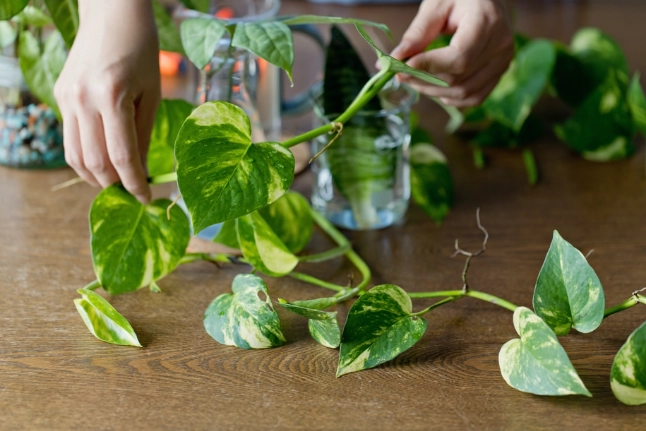
Cut a section of stem that includes at least 2-3 nodes and 1-2 leaves. Make your cut about a quarter-inch below a node. You can have a longer stem, but I find 4-6 inch cuttings easiest to manage. Remove any leaves that would be submerged in water—they'll rot and foul the water.
Step 2: The Water Setup
Place your cutting in a jar of room-temperature water. Only the nodes need to be submerged. The leaves should stay high and dry. Use tap water that's been sitting out for a day to let chlorine evaporate, or use filtered water. Don't use soft water if you have a salt-based softener—the sodium can harm the cutting.
Put the jar in a spot with bright, indirect light. A north or east-facing windowsill is ideal. Avoid direct, hot south or west sun—it can cook the cutting and promote algae.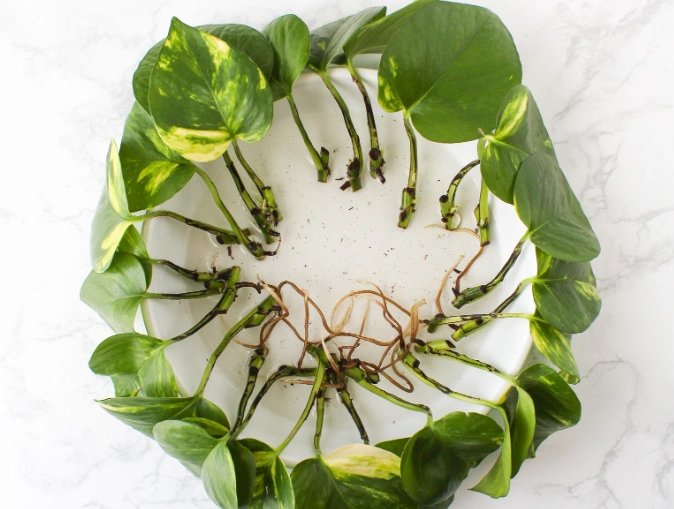
Step 3: The Waiting Game & Maintenance
Change the water completely once a week. This is non-negotiable. Stagnant water loses oxygen and builds up bacteria. I set a weekly reminder on my phone. Rinse the jar and the stem gently when you do this.
You'll see tiny white bumps on the node within 7-14 days. Those are root initials. In another week or two, they'll grow into proper roots.
Going Direct: Soil Propagation
This method skips the water stage and plants the cutting directly into its final home. It's a bit more of a gamble, but it avoids transplant shock later.
Take your cutting as described above. Let the cut end callous over for an hour or two—this helps prevent rot when it hits moist soil. If using rooting hormone, dip the cut end and the node area into the powder, tapping off the excess.
Moisten your potting mix so it's damp like a wrung-out sponge, not soggy. Poke a hole in the mix with a pencil, insert the cutting so at least one node is buried, and gently firm the soil around it. You can plant multiple cuttings in one pot for instant fullness.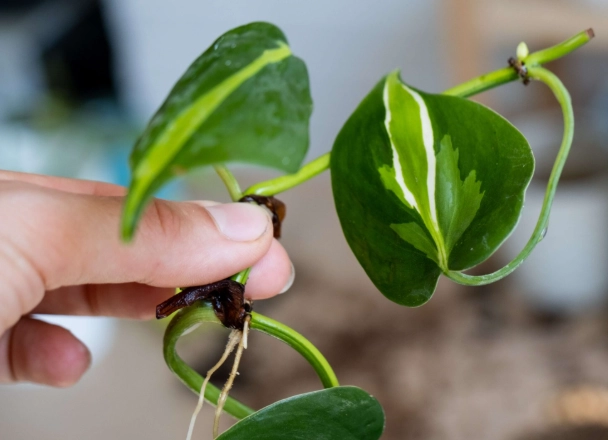
Here, humidity is your friend. To create a mini-greenhouse, you can cover the pot with a clear plastic bag (prop it up with sticks so it doesn't touch the leaves) or use a dome. Place it in bright, indirect light. Keep the soil lightly moist, not wet. Roots typically form in 3-5 weeks, but you won't see them. A gentle tug that meets resistance is a good sign roots have formed.
The 3 Mistakes That Kill Most Cuttings (And How to Dodge Them)
Based on forums, plant clinic questions, and my own graveyard of failed props.
| Mistake | What Happens | The Simple Fix |
|---|---|---|
| 1. No Node Included | The leaf sits in water, stays green for weeks, then rots. No roots ever form. | Always, always include a section of stem with at least one node. The leaf is optional; the node is not. |
| 2. Infrequent Water Changes (Water Prop) | Water gets cloudy, slimy film develops on stems, roots turn brown and mushy. | Change the water every 7 days without fail. It takes 2 minutes. |
| 3. Potting Too Early | You move water roots to soil when they're just 1 cm long. The cutting wilts and dies from transplant shock. | Wait for roots to be 2-3 inches long with side branches. This builds a system robust enough to handle the transition to soil. |
There's a fourth, less obvious one: propagating in low light. Cuttings need energy to make roots, and that comes from light. A dark corner slows everything down and increases rot risk.
What to Do After Roots Appear: The Transition
For water-propagated cuttings, the move to soil is critical. Prepare a small pot (4-inch is great) with drainage and moist potting mix. Gently plant the rooted cutting, burying all the roots. Water it lightly to settle the soil.
Now, here's the counterintuitive part: for the first 1-2 weeks, keep the soil slightly more moist than you would for an established pothos. This helps the water roots adapt to their new soil environment. After that, switch to the standard "let the top inch dry out" rule. Keep it in bright, indirect light and resist the urge to fertilize for at least two months—new roots are tender.
If you propagated in soil, once you see new leaf growth, you can start treating it like a normal, young pothos plant.
Your Pothos Propagation Questions, Answered
Can you propagate pothos from just a leaf without a node?
No, you absolutely cannot. This is the single most common mistake I see. A pothos leaf alone, no matter how healthy, will never grow roots or a new vine. It might stay alive in water for months, deceiving you, but it will eventually rot. You must include a node—that little brown bump on the stem—in your cutting. The node contains the meristematic tissue needed to produce new roots and shoots. Always cut a section of stem with at least one node and one or two leaves attached.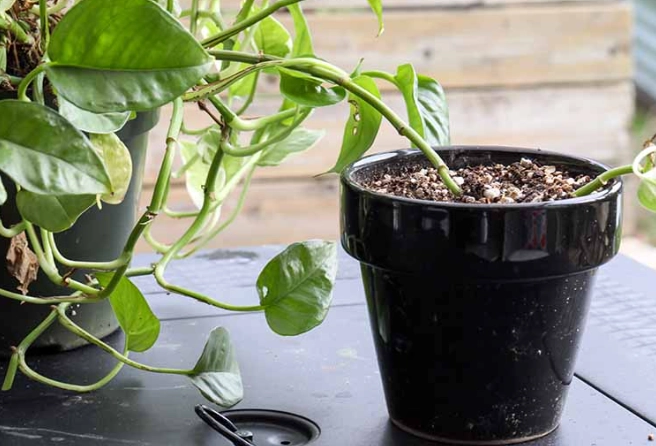
How long does it take for pothos cuttings to root in water, and when should I pot them?
In warm conditions (70-80°F), you'll usually see the first white, fuzzy root nubs emerge from the node in 1-2 weeks. However, don't be too eager to pot them. I wait until the roots are at least 2-3 inches long and have developed secondary roots (smaller roots branching off the main ones). This typically takes 4-6 weeks. Transferring cuttings with only tiny, fragile roots is a major cause of transplant shock. Let them establish a robust root system in water first—it's more forgiving than soil.
Why are the leaves on my newly propagated pothos turning yellow?
Yellowing leaves post-propagation usually point to one of three issues, ranked by likelihood: overwatering in soil, nutrient shock, or light stress. If potted in soil, the most common culprit is keeping the soil soggy. New roots need oxygen more than constant moisture. Let the top inch of soil dry out between waterings. If you just transferred from water to soil, the plant might yellow as it adjusts to taking up nutrients differently; this often resolves. Finally, ensure it's not in direct, hot sun. Bright, indirect light is ideal.
Is it better to propagate pothos in water or directly in soil?
There's no universal 'better,' but each has a best-use case. Water propagation is superior for beginners and for monitoring progress. You see the roots grow, which is rewarding, and it's less prone to rot if you change the water weekly. It's my recommended starting method. Soil propagation is a one-step process that avoids transplant shock later. It works best for experienced gardeners who can judge moisture perfectly, or for longer vine cuttings with multiple nodes. Soil propagation often produces slightly hardier roots adapted to soil from the start. For your first time, start with water.
Propagating pothos isn't a science project. It's a hands-on, slightly messy, incredibly rewarding practice. Start with a healthy cutting, respect the node, be patient, and you'll have more pothos than you know what to do with. The best time to start is spring or summer, but with indoor plants, you can really try any time. Just give it a go—your future free plants are waiting.