Star Jasmine Plant Care: The Complete Guide to Growing and Pruning
Houseplant care
I remember the first time I planted star jasmine. I stuck it in a shady corner, watered it like my other ferns, and waited for a cascade of fragrant white blooms. A year later, I had a sad, leggy vine with about three flowers. I'd followed the basic "plant it and forget it" advice, and it failed. Why? Because the devil with star jasmine—or Trachelospermum jasminoides, if you want to be formal—is in the subtle details. It's not hard to grow, but to get that magazine-cover explosion of scent and greenery, you need to know what it really wants, not just what the generic plant tags say.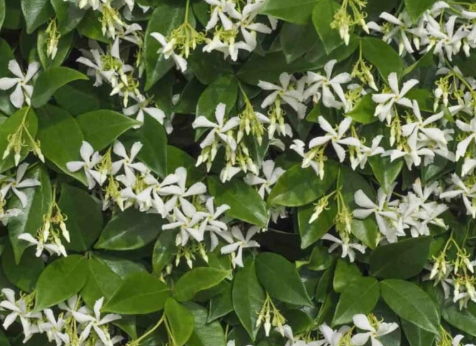
This guide is what I wish I'd had. We're going beyond the basics. We'll talk about why your leaves are yellowing (it's rarely just water), how to force more blooms, and the pruning mistake that sets you back a whole season.
What You'll Find in This Guide
- What Exactly Is a Star Jasmine Plant?
- Why You Should (or Shouldn't) Choose Star Jasmine
- How to Plant Star Jasmine: Location Is Everything
- The Care Breakdown: Water, Food, and the Art of Pruning
- Solving Star Jasmine Problems: Yellow Leaves, No Flowers, Pests
- Growing Star Jasmine Indoors vs. Outdoors
- Pro Tips and Final Thoughts
What Exactly Is a Star Jasmine Plant?
Let's clear this up first: it's not a true jasmine. True jasmines belong to the Jasminum genus. Star jasmine is in the Trachelospermum genus and is part of the dogbane family (Apocynaceae), which explains its milky sap. This sap can irritate skin, so wear gloves when pruning.
It's an evergreen woody vine or ground cover native to East Asia. The magic is in its pinwheel-shaped, white flowers that bloom in late spring to early summer. On a warm evening, the fragrance is incredible—sweet, intense, and nostalgic. The leaves are glossy, dark green, and often develop a gorgeous bronze-red tint in cooler weather.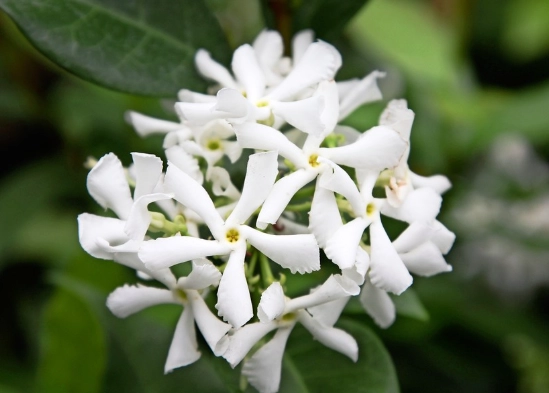
Quick Facts at a Glance
Botanical Name: Trachelospermum jasminoides
Common Names: Star Jasmine, Confederate Jasmine, Trader's Jasmine
Plant Type: Evergreen perennial vine / ground cover
Mature Size: 10-20 ft. long as a vine, 1-2 ft. tall as ground cover
Sun Exposure: Full sun to partial shade (more sun = more flowers)
Soil Type: Moist, well-drained, loamy. Tolerates various pH.
Hardiness Zones: USDA 8-10. Can survive in Zone 7 with protection.
Bloom Time: Late spring to early summer, with sporadic blooms thereafter.
Why You Should (or Shouldn't) Choose Star Jasmine
It's a versatile plant. You can train it on a trellis, fence, or arbor. Let it sprawl as a ground cover to suppress weeds on a slope. Grow it in a container on a patio. The fragrance is its main selling point.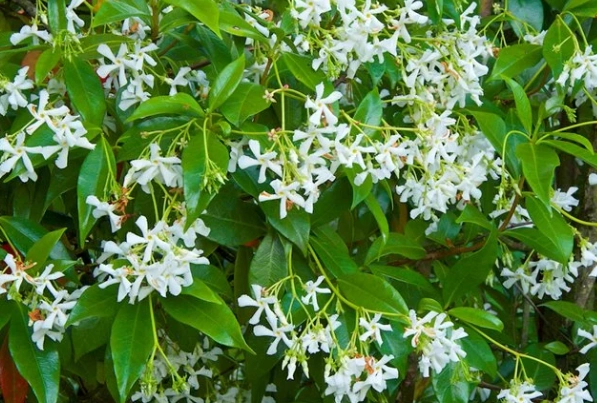
But here's the honest take: it's not the fastest climber. Don't expect English ivy speed. It's moderate. And while it's drought-tolerant once established, getting it there requires consistent watering for the first year or two. If you need instant, dense coverage, you might be frustrated. It's a plant for patient gardeners who appreciate steady, lush growth.
How to Plant Star Jasmine: Location Is Everything
This is where most failures start. That "partial shade" tag is misleading.
Sunlight: The Non-Negotiable for Flowers
For the best flowering, give it at least 4-6 hours of direct sunlight. Morning sun with afternoon shade is ideal in hot climates (Zones 9-10). In cooler zones, full sun all day is perfect. Deep shade equals green leaves, zero scent. It's that simple.
Soil and Planting Steps
It's not picky about soil pH but despises wet feet. Good drainage is critical to avoid root rot.
- Dig a Hole: Twice as wide as the root ball, same depth.
- Amend the Soil: Mix in compost or aged manure with the native soil. If drainage is poor, add perlite or coarse sand. For pots, use a high-quality potting mix, not garden soil.
- Plant: Place the plant so the top of the root ball is level with the soil surface. Backfill and firm gently.
- Water Deeply: Soak the area to settle the soil.
- Mulch: Apply 2-3 inches of organic mulch (bark, wood chips) around the base, keeping it away from the stem. This retains moisture and keeps roots cool.
The Care Breakdown: Water, Food, and the Art of Pruning
Here's the year-round maintenance schedule I follow.
| Season | Watering | Fertilizing | Pruning / Key Tasks |
|---|---|---|---|
| Spring | Increase as temps rise. Keep soil consistently moist (not soggy) as buds form. | Apply a balanced, slow-release fertilizer (e.g., 10-10-10) or one higher in phosphorus as growth starts. | Light shaping if needed. Train new shoots. Major pruning AFTER flowering. |
| Summer | Water deeply 1-2 times per week, depending on heat. Established plants are drought-tolerant but bloom better with consistent moisture. | Optional: Light feed with liquid fertilizer mid-summer if growth seems slow. | Deadhead spent blooms. Watch for pests (aphids, scale). Provide ample water. |
| Fall | Reduce frequency as growth slows. Let soil dry slightly between waterings. | Stop fertilizing 6-8 weeks before first frost. | Minimal pruning. Good time to take cuttings for propagation. Prepare for frost if in marginal zone. |
| Winter | Water sparingly, only when soil is dry several inches down. Protect from freezing winds. | None. | Dormant season. Only remove dead or damaged wood. Plan spring projects. |
The Pruning Mistake Everyone Makes
Star jasmine sets its flower buds on old wood. If you give it a heavy haircut in late winter or early spring, you're cutting off your blooms for the year. The best time for major pruning is right after the main spring bloom finishes. You can then shape it, control size, and encourage bushier growth for next season. Light, cosmetic snips are fine anytime.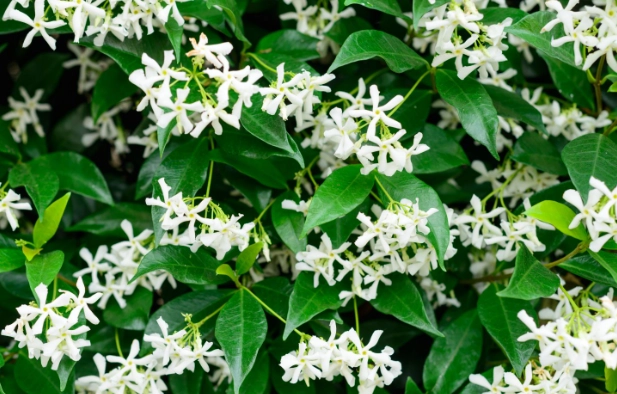
Solving Star Jasmine Problems: Yellow Leaves, No Flowers, Pests
Let's diagnose the common issues.
Yellow Leaves
The universal sign of distress. Run down this checklist: 1. Overwatering: The #1 cause, especially in containers. Soggy soil suffocates roots. Let it dry out, improve drainage. 2. Nutrient Deficiency: Older leaves turning yellow could mean lack of nitrogen. New leaves yellow with green veins suggests iron deficiency. A spring feeding usually prevents this. 3. Poor Drainage: Heavy clay soil that stays wet. Amend with organic matter. 4. Natural Aging: A few older leaves yellowing and dropping is normal.
No Flowers or Sparse Blooms
If your plant is healthy but not blooming: Insufficient Sunlight: This is almost always the reason. Can you move it or trim surrounding plants? Too Much Nitrogen: You're feeding leafy growth at the expense of flowers. Use a bloom-booster fertilizer (higher middle number) next spring. Improper Pruning: You pruned at the wrong time (see above).
Pests and Diseases
Generally pest-resistant. Watch for: Aphids/Scale: Treat with insecticidal soap or horticultural oil. Sooty Mold: A black fungus that grows on honeydew from pests. Control the pests, and the mold will fade. Root Rot: From chronically wet soil. Prevention (good drainage) is the only cure.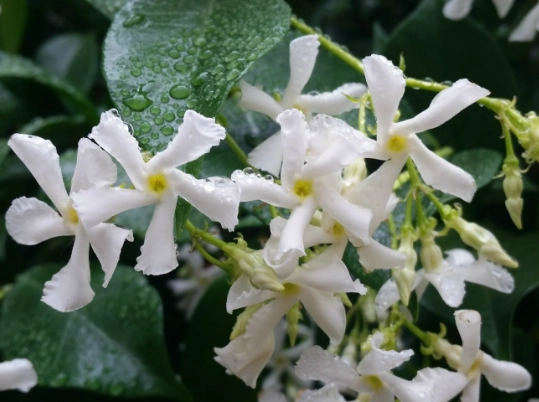
Growing Star Jasmine Indoors vs. Outdoors
It can be a fantastic houseplant, but with caveats.
Outdoors: Its natural habitat. Less fuss, more vigorous growth, better flowering. Ideal for covering walls, fences, or as ground cover.
Indoors: Possible, but challenging. It needs very bright light—a South or West-facing window is a must. It will likely flower less indoors. Humidity is another issue; homes are dry. Mist regularly or use a pebble tray. It's more prone to spider mites indoors. Keep it well-watered but never sitting in water. I find it does best in a sunroom or very bright conservatory.
Pro Tips and Final Thoughts
Here are a few things you won't read on most plant tags:
- Propagation is Easy: Take 4-6 inch semi-ripe cuttings in summer, dip in rooting hormone, and plant in a pot with moist potting mix. Keep humid (a plastic bag over the pot works).
- Winter Color: Don't worry if leaves get a reddish-bronze hue in cold weather. It's normal and quite attractive. They'll green up in spring.
- Support Matters: As a vine, it needs something to cling to. It twines, so provide a trellis, wires, or a fence with narrow gaps. It won't stick to walls like ivy.
- The Patience Payoff: The first two years are about establishment. In year three, you'll see what this plant is truly capable of—thick, fragrant, glorious growth.
Star jasmine isn't a diva, but it's not a cactus you can ignore. Give it sun, decent soil, and prune it at the right time, and it will reward you for decades with one of the best scents in the gardening world.
Answers to Common Star Jasmine Questions
My star jasmine leaves are turning yellow. What's wrong and how do I fix it?
Yellow leaves are a distress signal. The most common culprit is overwatering, especially in pots without good drainage. Check the soil first. If it's soggy, hold off on water and consider repotting into a fast-draining mix. In the ground, poor drainage or a fungal issue like root rot could be the cause. Less commonly, it's a nutrient deficiency, often nitrogen or iron. A balanced, slow-release fertilizer in spring usually prevents this. A rarer but serious issue is a soil-borne nematode infestation, which causes stunted growth with yellowing. If you suspect this, a soil test is your best bet.
Why isn't my star jasmine flowering? I've had it for years.
This frustrates many gardeners. The prime suspect is light. Star jasmine needs at least 4-6 hours of direct sun to set buds. A spot that's too shady will give you lush green leaves but no flowers. The second villain is over-fertilizing, especially with a high-nitrogen formula. You're feeding the leaves at the expense of blooms. Switch to a fertilizer with a higher phosphorus number (the middle number in NPK ratios) in early spring. Finally, improper pruning can cut off the flowering wood. If you sheared it back hard in late summer or fall, you likely removed the buds. Prune right after the main spring bloom finishes.
Will star jasmine survive a freeze?
It depends on the severity and duration. Mature, established star jasmine is surprisingly tough and can handle brief dips down to 20°F (-7°C) with some leaf damage. A hard freeze below 15°F (-9°C) can kill it back to the roots. In colder zones (USDA 7 and below), treat it like a perennial. If it dies back, don't panic. Cut it to the ground in spring; it often vigorously resprouts from the roots. For potted plants, always bring them indoors or to a sheltered spot if temperatures are forecast to drop below 25°F (-4°C). A heavy layer of mulch around the base of in-ground plants provides crucial root insulation.
What's the biggest challenge with growing star jasmine indoors?
Light and humidity. It's a sun-loving plant, and the light intensity inside a home, even by a bright window, is often a fraction of outdoor light. Without enough direct sun, it becomes leggy and refuses to bloom. Supplementing with a strong grow light can help. Secondly, indoor air is dry, especially in winter with heating. This stresses the plant and makes it a target for spider mites. You'll need to be diligent about misting, using a humidifier, or placing it on a pebble tray. It's a high-maintenance houseplant, but doable with the right setup.