Big Plants: The Ultimate Guide to Choosing, Growing, and Caring for Large Indoor Plants
Getting started
Quick Guide
- Why Go Big? It's More Than Just Looks
- How to Choose Your Perfect Big Plant (The Matchmaking Guide)
- The Top Contenders: A No-Nonsense Look at the Best Big Plants
- The Real Deal on Care: Keeping Your Big Plant Alive & Thriving
- Big Plant Troubleshooting: Solving the Common Headaches
- Your Big Plant Questions, Answered (The FAQ)
- Wrapping It Up: Living Happily With Your Leafy Giant
Let's be real. There's something about walking into a room and being greeted by a towering, leafy friend that just feels different. A small succulent on the windowsill is cute, but a massive Monstera or a sprawling Fiddle Leaf Fig? That's a statement. It changes the air, the light, the whole vibe of your place. I remember dragging my first big plant—a slightly sad-looking Rubber Plant—up three flights of stairs, and even in its sorry state, it instantly made my bland rental feel more like a home.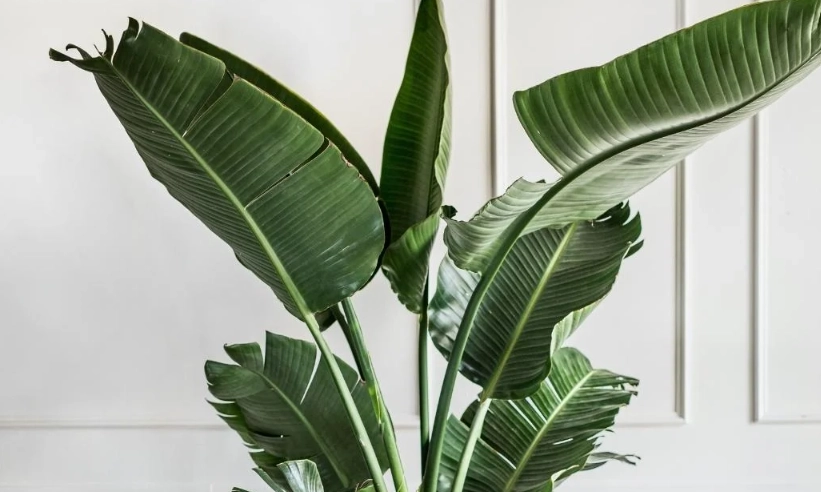
But here's the thing everyone is quietly wondering: are big plants actually harder to keep alive? Is it worth the investment? And which one won't die on me in two months? If you've been scrolling through "big indoor plants" galleries with a mix of awe and anxiety, you're in the right spot. This isn't a scientific journal; it's the chat I wish I'd had before I killed my first (and second) Dracaena.
The Big Idea: Big plants aren't just decor; they're low-maintenance roommates that purify your air, boost your mood, and make your space feel alive. The trick is picking the right giant for your specific life.
We're going to ditch the confusing Latin names for a minute and talk about what it's really like to live with these green giants. From the surprisingly chill ones that thrive on neglect to the divas that need a specific kind of light, we'll cover it all. I'll even share some of my own mess-ups (yes, there have been a few) so you can avoid the same fate.
Why Go Big? It's More Than Just Looks
Sure, aesthetics are a huge part of the appeal. A large floor plant fills vertical space beautifully, drawing the eye up and making ceilings feel higher. But the benefits of integrating big plants into your home go way deeper than an Instagram shot.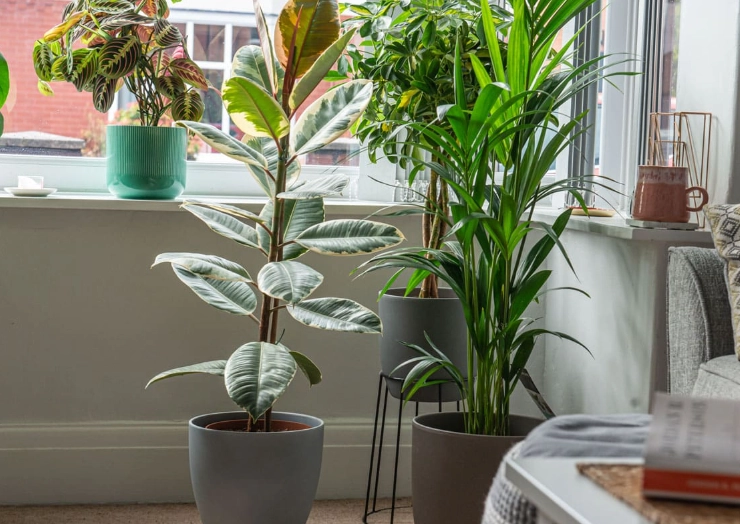
First, the science-backed stuff. A famous NASA study (you know, the space people) looked at how plants clean indoor air. While you'd need a veritable jungle to fully replicate their experiment, the principle stands: big plants, with their larger leaf surface area, are more efficient at absorbing common volatile organic compounds (VOCs) like formaldehyde and benzene, which can come from furniture, paints, and cleaning products. Think of them as your silent, leafy air filters.
Then there's the mental health angle. It's not just a feeling—research consistently links being around greenery to reduced stress levels and improved concentration. A big, healthy plant is a living piece of nature you interact with daily. Watering it, checking for new growth, wiping its leaves... it's a simple, mindful ritual in a chaotic world.
I work from home, and my desk faces a giant Bird of Paradise. When I'm stuck on a problem, I just stare at its huge, paddle-shaped leaves. It sounds silly, but it genuinely helps reset my brain. More effective than staring at another browser tab, that's for sure.
Finally, big plants are incredible space definers. Got a huge, awkward living room? A pair of big plants can create a natural "wall" to separate a seating area. Have a boring, empty corner? That's prime real estate for a tall, architectural plant like a Snake Plant or a Yucca. They add structure and personality in a way that a piece of furniture often can't.
But let's address the elephant in the room: cost and commitment. A mature big plant is an investment. You can't just shove it in a closet if you go on vacation for two weeks. This brings us to the most critical step—choosing the right one.
How to Choose Your Perfect Big Plant (The Matchmaking Guide)
This is where most people go wrong. They fall in love with the look of a plant online without considering its personality. It's like adopting a high-energy dog when you live in a tiny apartment. Setting yourself up for stress.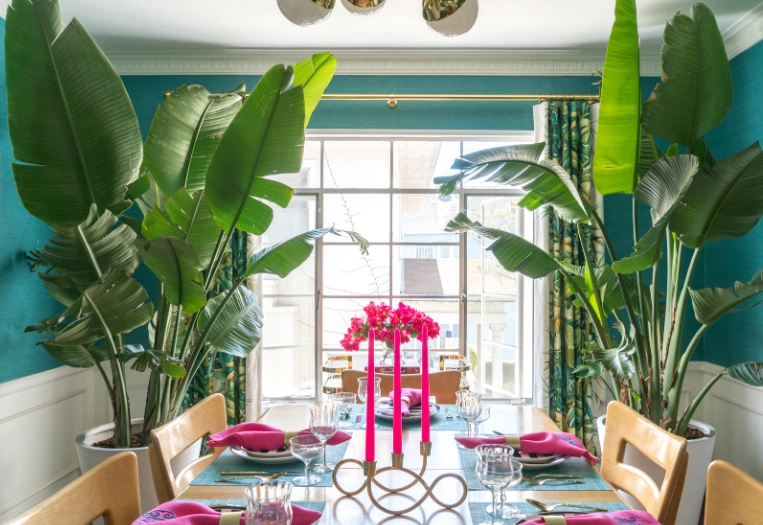
Ask yourself these questions before you hit "add to cart":
1. Light, Light, Light: This is the #1 deal-breaker. Be brutally honest.
• Bright, Direct Light: A sunny south or west-facing window where the sun beams in for several hours a day. Think: Cacti, some Palms, Bird of Paradise.
• Bright, Indirect Light: The gold standard for most big plants. Near a sunny window but not in the direct firing line of the sun's rays. East-facing windows are often perfect. Think: Monstera, Fiddle Leaf Fig, Rubber Plant.
• Medium to Low Light: Further back in a room, north-facing windows, or rooms with small windows. Fewer big plants thrive here, but some champions do. Think: ZZ Plant, Snake Plant, certain Dracaenas.
2. Your Plant Parent Personality:
Are you an attentive waterer or a chronic forgetter? Some big plants will forgive you if you miss a week (or three). Others will dramatically drop leaves the moment the soil gets slightly dry.
3. Pet Safety:
Non-negotiable if you have curious cats or dogs. Many popular big plants, like Peace Lilies and certain Dracaenas, are toxic. Always check the ASPCA's toxic and non-toxic plant list.
4. Space & Scale:
Measure! Not just the floor space, but the height and width the plant will eventually occupy. That cute little tree can become a 7-foot beast.
A Quick Reality Check on the "Big Plant" Label
When we talk about big plants, we're usually talking about plants sold in pots that are 10 inches in diameter or larger, often standing 3 to 6 feet tall or more from the base of the pot. They're the ones that command attention. But remember, "big" is relative. A plant that's big for a studio apartment might be medium-sized in a loft.
Okay, with the groundwork laid, let's meet the contenders.
The Top Contenders: A No-Nonsense Look at the Best Big Plants
Based on looks, resilience, and overall vibe, here's my breakdown. I've killed or nearly killed a few of these, so you'll get the honest truth.
| Plant Name | The Look & Vibe | Light Needs | Watering Style | Pet Friendly? | My Personal Take |
|---|---|---|---|---|---|
| Monstera Deliciosa (Swiss Cheese Plant) | Tropical, iconic split leaves. Jungle-chic. | Bright, indirect. Can tolerate medium. | Let top inch dry out. Hates soggy feet. | No. Toxic to cats/dogs. | The "it" plant for a reason. Fast grower, very forgiving. My top pick for beginners wanting a big statement. |
| Fiddle Leaf Fig (Ficus Lyrata) | Big, glossy, violin-shaped leaves. Architectural and modern. | LOTS of bright, indirect light. It's a diva for light. | Consistent! Let top soil dry, then soak. Hates change. | No. Mildly toxic. | The ultimate drama queen. Will drop leaves if you look at it wrong. Rewarding if you nail its spot. Not for the faint of heart. |
| Snake Plant (Sansevieria/Dracaena) | Tall, upright sword-like leaves. Ultra-modern or desert vibe. | Thrives in low light to bright indirect. The ultimate adaptable plant. | Forgetful waterer's dream. Water every 3-6 weeks. Seriously. | No. Toxic if ingested. | The indestructible champion. Perfect for dark corners. Grows slowly. You almost have to try to kill it. |
| ZZ Plant (Zamioculcas zamiifolia) | Glossy, dark green oval leaflets on arching stems. Sleek and sturdy. | Low light champion. Can handle bright indirect. | Even more forgiving than Snake Plant. Water monthly or less. | No. Toxic. | The other indestructible option. If you have a black thumb, start here. Boring to some, but a lifesaver for others. |
| Rubber Plant (Ficus Elastica) | Large, thick, glossy leaves in deep green or burgundy. Classic and bold. | Bright, indirect light. | Let soil dry out between waterings. Pretty forgiving. | No. Toxic. | My first big plant love. Grows tall and tree-like. Less fussy than its cousin, the Fiddle Leaf. A solid, reliable choice. |
| Bird of Paradise (Strelitzia Nicolai) | Massive, banana-like leaves on long stems. Pure tropical paradise. | Loves bright light, even some direct sun. | Keep soil consistently moist in growing season. Likes humidity. | Mildly toxic. | A fast grower that makes you feel like you're on vacation. Needs space. Can be a bit thirsty and loves a good misting. |
| Areca Palm (Dypsis lutescens) | Feathery, arching fronds. Soft, friendly, and breezy. | Bright, indirect light. Can handle some morning sun. | Likes consistently moist soil (not wet). Dries out faster than others. | Yes! Non-toxic. | A classic for a reason. Great pet-safe option. Can be prone to spider mites if the air is too dry. Needs a bit more attention to watering. |
See? It's not just about picking the prettiest one. That Fiddle Leaf Fig might be your dream, but if your room only gets low light, it's a slow, sad death sentence. Be a matchmaker, not a dreamer.
Watch Out: The "Majestic Palm" or "Kentia Palm" you often see in big box stores? They're often mislabeled and can be incredibly difficult to keep alive indoors due to low humidity and pest susceptibility. Do your research on the exact species before bringing a palm home.
The Real Deal on Care: Keeping Your Big Plant Alive & Thriving
You've chosen your giant. It's sitting proudly in your living room. Now what? Forget complex schedules. Big plant care boils down to a few key habits.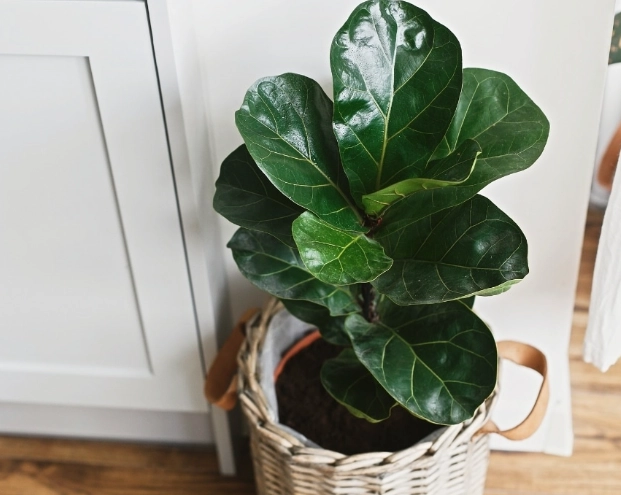
Watering: The Art of Not Drowning Your Friend
This is the #1 killer of big plants. Overwatering. Their roots are in a deep pot, and the bottom can stay soggy long after the top feels dry.
Pro Tip: Get your hands dirty. Stick your finger about 2 inches into the soil. Is it dry? Time to water. Is it still damp? Wait. For bigger pots, a wooden chopstick works like a cake tester—stick it in, pull it out. If soil sticks, it's still wet.
When you do water, do it thoroughly. Take it to the sink, shower, or bathtub and water slowly until you see it running freely out of the drainage holes. This ensures the entire root ball gets hydrated. Let it drain completely before putting it back in its decorative pot. Never let it sit in a saucer of water.
How often? There is no "once a week" rule. It depends on the plant, pot size, light, season, and your home's humidity. In winter, most big plants need water half as often as in summer.
Light & Location: Finding the Sweet Spot
You've already matched the plant to your light. Now, optimize it. Rotate your plant a quarter turn every time you water. This prevents it from leaning dramatically toward the light source and encourages even growth.
If your light is less than ideal, don't despair. You can supplement with a grow light. A simple, full-spectrum LED bulb in a nearby lamp for a few extra hours a day can make a world of difference for light-hungry big plants.
Soil & Feeding: The Foundation
Most big plants come in decent soil, but they'll eventually need repotting. A general, well-draining potting mix is fine for most. You can add perlite or orchid bark for extra drainage, especially for plants like Monsteras that hate wet roots.
Fertilizer? Think of it as vitamins, not food. During the active growing season (spring and summer), a balanced liquid fertilizer diluted to half-strength once a month is plenty. In fall and winter, stop. The plant is resting.
I made the mistake of over-fertilizing a Peace Lily once, thinking "more is better." The salt buildup burned the leaf tips. It looked awful for months. Lesson learned.
Dusting & Pest Patrol
Big leaves are dust magnets. Dust blocks light. Every month or so, give the leaves a gentle wipe with a damp cloth. It's therapeutic for you, and it lets your plant breathe and photosynthesize better.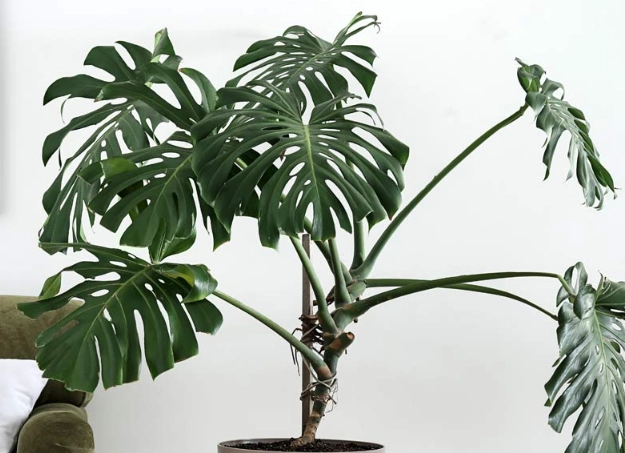
While you're wiping, check the undersides of leaves and where leaves meet stems. That's where pests like spider mites or mealybugs like to hide. Catching them early is everything. A spray of insecticidal soap or neem oil usually does the trick.
Big Plant Troubleshooting: Solving the Common Headaches
Even with perfect care, things happen. Here's how to decode what your big plant is trying to tell you.
Yellow Leaves: The classic cry for help. Could be overwatering (usually older leaves turning yellow and soggy), underwatering (often crispy), or a nutrient deficiency. Check the soil first!
Brown Leaf Tips or Edges: Very common. Usually low humidity or fluoride/chlorine in tap water. Try using filtered or distilled water, and mist the plant occasionally (though misting is a temporary fix).
Dropping Leaves: Sudden leaf drop is often a reaction to a change—a move to a new spot, a draft, or a big temperature swing. Fiddle Leaf Figs are notorious for this. Be patient, keep conditions stable, and it should stabilize.
Leggy Growth or Small Leaves: Your plant is stretching for more light. It needs to be closer to a window.
Nothing Happening (No Growth): This is normal in fall and winter. If it's spring/summer and there's no growth, it might need more light, a slight increase in fertilizer, or could be root-bound and need repotting.
"The biggest mistake is treating all big plants the same. A cactus and a fern have about as much in common as a camel and a goldfish. Observe your specific plant—it will tell you what it needs."
Your Big Plant Questions, Answered (The FAQ)
Let's tackle the stuff you're actually typing into Google.
Q: How often should I really water my big plant?
A: I'll say it again: when the top few inches of soil are dry. For a big Snake Plant in low light, that could be 6 weeks. For a Bird of Paradise in a bright sunroom in summer, it might be weekly. Ditch the calendar, use the finger test.
Q: Are big plants safe for cats and dogs?
A: Some are, many aren't. Top pet-safe big plants include: Areca Palm, Parlor Palm, Banana Plant, certain Calatheas, and Spider Plants (though these aren't typically "big"). Always, always double-check with the ASPCA or a reliable database like the one from the Royal Horticultural Society.
Q: What's the best big plant for a dark room?
A: Your options are limited, but you have champions. The ZZ Plant and the Snake Plant (Sansevieria) are your best bets. They will survive in low light, though growth will be very slow. A Cast Iron Plant (Aspidistra) is another tough, old-school option.
Q: Why are the leaves on my big plant turning brown?
A: We covered tips, but whole leaves turning brown and crispy usually means severe underwatering or root damage from overwatering. If they're mushy and brown, it's overwatering. If they're dry and brittle, it's likely thirst.
Q: How do I know when to repot my big plant?
A: Two signs: 1) Roots are growing out of the drainage holes, or 2) When you water, it runs straight through without being absorbed (meaning the pot is mostly roots). Only go up 1-2 inches in pot diameter. Repotting a huge plant is a two-person job—I've learned this the hard way, with soil everywhere.
Q: Can I put my big plant outside in the summer?
A: Often, yes! Many tropical big plants love a summer vacation in a shaded, sheltered spot outdoors (no direct hot sun!). It can boost their growth. Just acclimate them slowly over a week, bring them back in before nighttime temps drop below 55°F (13°C), and check thoroughly for pests before bringing them back inside.
Wrapping It Up: Living Happily With Your Leafy Giant
Bringing a big plant into your home is a commitment, but it's one of the most rewarding ones you can make. It's not about achieving perfection. It's about learning, observing, and growing alongside another living thing. Some of my big plants have scars—a brown tip here, a torn leaf there—from my learning curve. They tell a story. And they're still here, thriving.
Start with one. Pick the right one for your space and lifestyle from our list above. Master its care. Enjoy the way it changes your room. Then, maybe, consider a friend for it.
Final Thought: The goal isn't a flawless, museum-like specimen (unless that's your thing). The goal is a living, breathing piece of joy in your daily life. Don't stress over every little spot. Water when needed, give it light, and enjoy the green. Your big plant is more resilient than you think.
Now go forth and find your green giant. Your space is about to get a whole lot livelier.