Christmas Cactus Flower Care: Your Complete Guide to Blooms
Houseplant care
In This Guide
- First Things First: Is It Even a Christmas Cactus?
- The Non-Negotiables for Christmas Cactus Flower Power
- Choosing a Healthy Plant and Year-Round Care
- Solving the Big Problem: Why Won't My Christmas Cactus Flower?
- Propagation and Common Pests & Diseases
- Your Christmas Cactus Flower Questions, Answered
- Wrapping It Up: The Simple Path to Success
Let's be honest. You probably got this plant as a gift, or saw it all decked out in brilliant blooms at the store and thought, "I need that color in my life." I did the same thing. Mine sat on a windowsill for a year, looking perfectly green and... well, that's it. Just green. Not a single flower in sight. It was frustrating. Everyone talks about how easy they are, but when your Christmas cactus flower display is a no-show, it feels personal.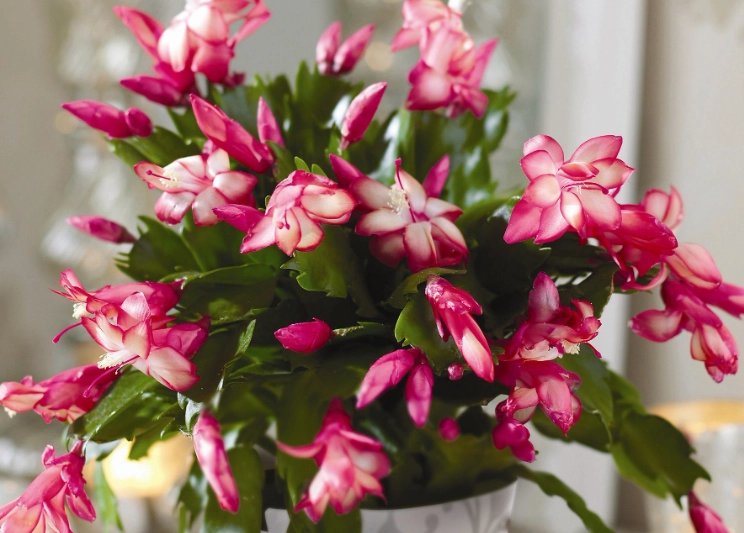
It's not just you. The thing is, these plants are sneaky. They're not like a regular cactus that just needs sun and neglect. They have specific, almost finicky needs to trigger those stunning holiday flowers. But once you crack the code? It's incredibly satisfying. This guide is what I wish I'd had when I started. We're going to move past the basic "water it sometimes" advice and dig into the real, actionable steps that make a difference. We'll talk about light tricks, the watering sweet spot, and why that plant you bought might not even be a true Christmas cactus. By the end, you'll have a clear plan for not just keeping it alive, but making it the star of your holiday season, year after year.
First Things First: Is It Even a Christmas Cactus?
This is where a lot of confusion starts. The plants sold as "Christmas cactus" are frequently Schlumbergera truncata, or the Thanksgiving cactus. The true Christmas cactus is Schlumbergera x buckleyi. They look similar but have key differences. Why does this matter? Because their natural bloom time is influenced by their specific response to day length and temperature. A Thanksgiving cactus wants to flower in late fall, while a true Christmas cactus is programmed for a few weeks later.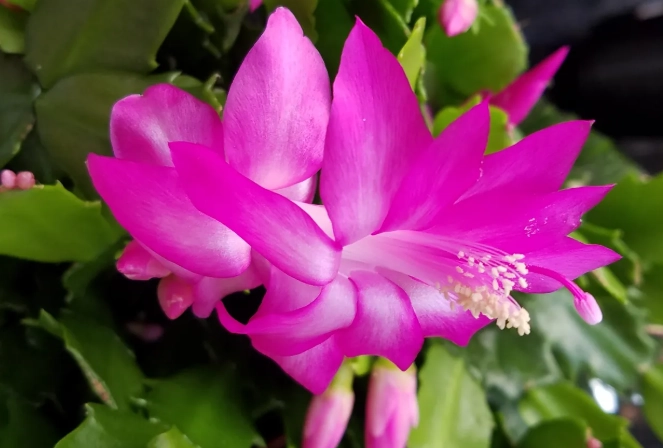
Here’s a quick way to tell them apart. Look at the leaf segments (the flattened, fleshy "links" in the chain).
| Feature | Thanksgiving Cactus (S. truncata) | True Christmas Cactus (S. x buckleyi) |
|---|---|---|
| Leaf Segments | Pointed, claw-shaped projections on the edges. | Rounded, scalloped edges with gentle curves. |
| Pollen Color | Bright yellow pollen. | Pinkish or purplish pollen. |
| Most Common in Stores | Extremely common. This is the one you likely have. | Less common, often found from specialty growers or passed down as cuttings. |
Honestly, for care purposes, the distinction isn't a deal-breaker. The core principles are the same. But knowing what you have helps manage expectations for bloom time. My first plant was definitely a Thanksgiving cactus masquerading as a Christmas cactus. I spent weeks in December wondering what I'd done wrong, only to realize it had already done its show in November!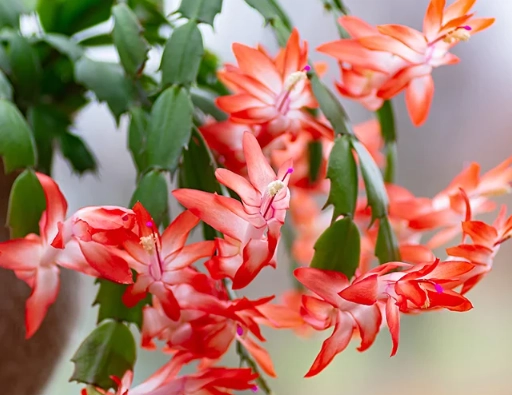
The Non-Negotiables for Christmas Cactus Flower Power
Getting a Christmas cactus flower to appear isn't about one magic trick. It's about getting four key factors right, especially in the fall. Mess up one, and the plant might just decide to stay green.
Light: It's All About the Dark
This is the biggest trigger. These are short-day plants. That means they need long, uninterrupted periods of darkness (like 12-14 hours) for several weeks to set buds. This mimics the shorter days of fall.
Here’s the mistake I made: my plant was in a room with a streetlight outside and the occasional lamp turned on at night. That tiny bit of light was enough to confuse it. From late September or early October, your plant needs absolute darkness at night. A closet, a cupboard, or even a cardboard box placed over it works. Just remember to take it out in the morning for its daily dose of bright, indirect light.
Once the buds are formed and starting to show color (usually small pink tips), you can relax the strict dark routine. But keep it in bright, indirect light to support the blooming process.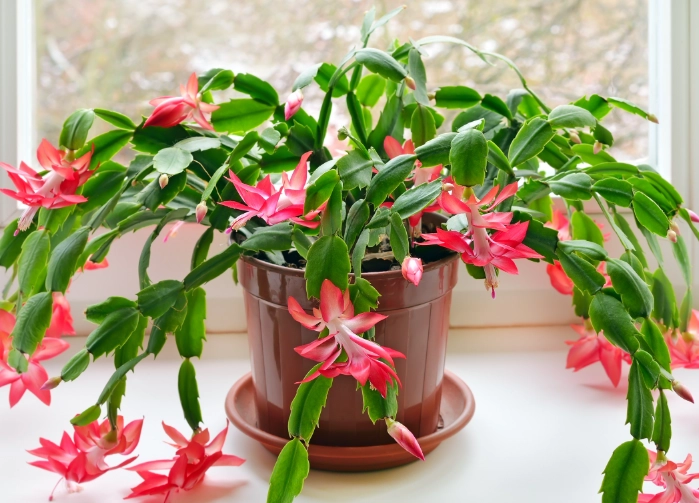
Temperature: Cool Nights Are the Secret Signal
Hand in hand with darkness comes temperature. A drop in night temperature is the second critical signal. Aim for nights around 50-55°F (10-13°C) and days no higher than 60-70°F (15-21°C). This cool period tells the plant winter is coming, and it's time to reproduce (i.e., flower) before conditions get tougher.
This is why a cooler room, a porch, or even a spot near a drafty (but not freezing) window in autumn can be perfect. If your home is constantly at a cozy 72°F (22°C), the plant might not get the message. I finally got my first good bloom set when I moved my plant to a seldom-used guest room that was much cooler in the fall.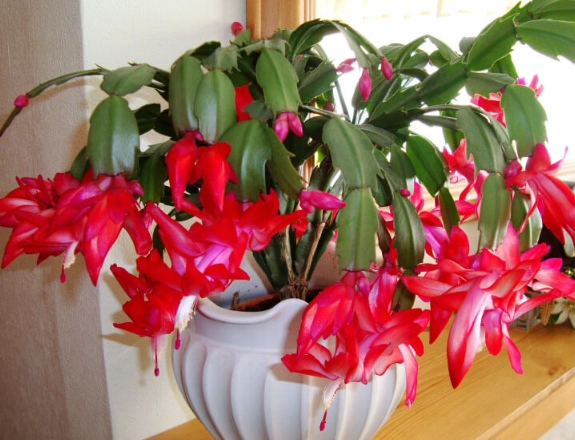
Watering: The Delicate Balance
Overwatering is the #1 killer of these plants. They store water in their leaves, so they're more tolerant of dry soil than wet. But during bud formation and blooming, consistent moisture is key. The goal is to let the top inch of soil dry out between waterings, then water thoroughly until it runs out the bottom. Never let it sit in a saucer of water.
In the fall, as you're managing light and temperature, be a bit more attentive to watering. Letting it get bone dry can cause it to drop the tiny buds it's working so hard to produce. I check mine by sticking my finger in the soil. If it feels dry at my first knuckle, it's time.
Feeding: Less Is More
You don't need to overfeed. During spring and summer (the growing season), a balanced, half-strength liquid fertilizer once a month is plenty. I use a simple 10-10-10. Stop fertilizing completely by late summer. Fertilizing in the fall encourages leafy growth instead of flower buds. Resume feeding only after the blooming cycle is completely finished.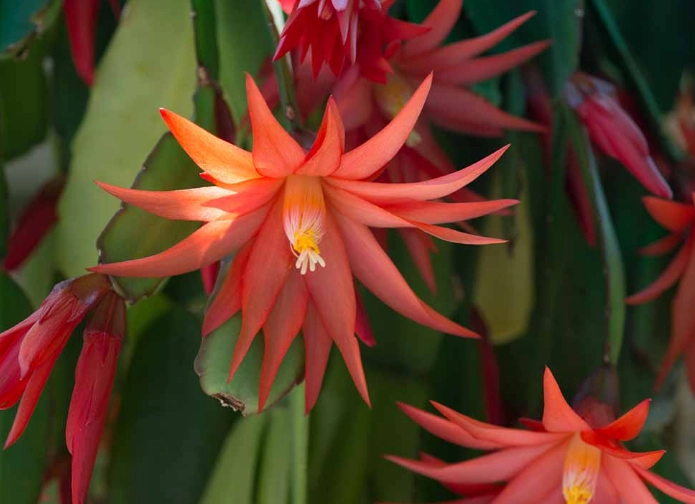
Choosing a Healthy Plant and Year-Round Care
Starting with a good plant makes everything easier. When you're at the store, avoid plants with:
- Wet, soggy soil in the pot.
- Yellowing or mushy segments.
- No signs of new growth (tiny, bright green segments at the tips).
- Visible pests (like tiny white mealybugs in the joints).
Look for one with rich green color and firm segments. If it has buds, choose one with lots of tight, unopened buds rather than one in full bloom, so you can enjoy the show longer at home.
For year-round care, think of it in phases:
- Spring/Summer: This is growing time. Bright, indirect light (morning sun is okay). Water when the top soil is dry. Fertilize monthly. You can put it outside in a shady, sheltered spot once night temps are above 50°F.
- Late Summer/Early Fall: The crucial pre-bloom period. Begin the long-night/short-day treatment (12-14 hours of darkness). Introduce cooler temperatures if possible. Reduce watering slightly and stop fertilizing.
- Late Fall/Winter (Bloom Time): Enjoy the flowers! Keep soil evenly moist (not soggy). Provide bright, indirect light. Avoid moving the plant, as it can cause buds to drop.
- Post-Bloom: After flowering, give it a rest period. Reduce watering for a few weeks. Then, resume normal spring/summer care.
Solving the Big Problem: Why Won't My Christmas Cactus Flower?
Let's troubleshoot. If you're doing everything "right" and still no Christmas cactus flower, run down this list.
This is suspect number one. Any light from a TV, lamp, or streetlamp during its 12-14 hour dark period can reset its clock. Be militant about darkness for 6-8 weeks.
A constantly warm, centrally heated house doesn't provide the necessary cool signal. Try a cooler room or a spot near a window at night (but away from heat vents).
Christmas cacti bloom best when slightly pot-bound. If it's swimming in a huge pot, it will focus energy on filling the pot with roots, not on making flowers. Repot only every 2-3 years, and only go up one pot size.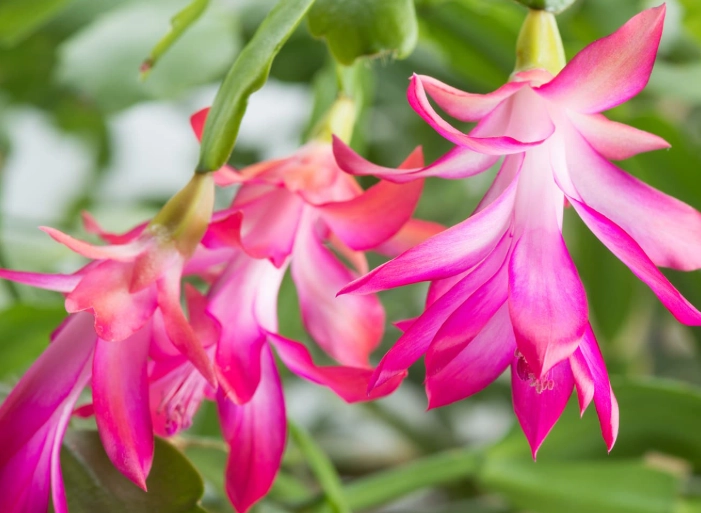
Repotting in fall or winter can shock the plant and cause bud drop. Always repot in spring or early summer.
Sometimes, a mature plant just needs a more dramatic signal. Some growers swear by the "cool, dark closet" method for 4-6 weeks with minimal water. It's a last resort, but it often works to force a stubborn plant into bloom.
Propagation and Common Pests & Diseases
The great thing about these plants is how easy they are to share. To propagate, simply twist off a healthy segment (3-4 links is good). Let the broken end callus over for a day or two. Then, stick it about an inch deep in a pot with moist, well-draining potting mix. A mix for cacti/succulents with some extra perlite is perfect. Keep it lightly moist and in bright, indirect light. In a few weeks, it will root. It's that simple. I've given away dozens of plants from my original one.
For pests, watch out for:
- Mealybugs: Look like tiny bits of white cotton in the joints. Dab with a cotton swab dipped in rubbing alcohol.
- Fungus Gnats: Tiny black flies that love moist soil. Let the soil surface dry out more between waterings. Yellow sticky traps help.
The main disease is root rot from overwatering. If the plant is mushy at the base, it might be too late. Your best bet is to take healthy cuttings from the top and start over.
Your Christmas Cactus Flower Questions, Answered
Wrapping It Up: The Simple Path to Success
It seems like a lot, but it boils down to a simple annual routine. Treat it like a normal houseplant most of the year. Then, in early fall, give it what it really wants: cooler nights, longer darkness, and a slight reduction in care (less water, no food). That's the secret handshake. That's how you tell your plant it's time to put on its spectacular Christmas cactus flower display.
The best part? These plants can live for decades. They become family heirlooms. My main plant is now over ten years old, and every November, when those first pink buds appear, it feels like a personal victory. It's not a fussy diva; it just has a specific language. Now you know how to speak it.
For incredibly detailed botanical information and to verify the science behind the care, the University of California's Division of Agriculture and Natural Resources has excellent, research-based publications on houseplant care that align with these principles. It's always good to know the advice you're getting is rooted in real horticulture, not just internet myths.
So go check on your plant. Feel the soil. Look at the shape of its leaves. Find it a cool, dark spot for the night. You've got this.