The Ultimate Guide to Mix Succulent Soil: Recipes for Healthy, Happy Plants
Getting started
In This Guide
- Why Regular Potting Soil is a Death Sentence for Succulents
- The Three Core Ingredients in Every Great Succulent Soil Mix
- Proven Succulent Soil Mix Recipes You Can Trust
- Step-by-Step: How to Actually Mix and Pot
- Common Mistakes (I've Made Most of These)
- DIY Mix vs. Buying a Premium Bag: What's Better?
- When to Repot and Refresh Your Mix
- Your Succulent Soil Questions, Answered
Let's be honest. That bag of "cactus and succulent mix" from the big-box store? It's often a letdown. You bring it home, pot your precious echeveria or haworthia, and a few months later you're left wondering why the leaves are mushy, the growth is stunted, or the whole plant just seems… sad. I've been there. I've killed my share of succulents with bad soil before I figured it out.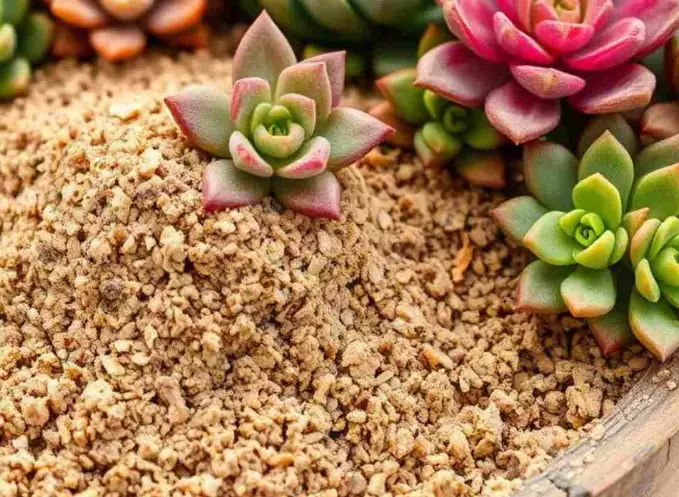
The secret, almost without exception, isn't a magic fertilizer or a special pot. It's what's underneath. Getting the succulent soil mix right is the single most important thing you can do. It's the foundation. Get it wrong, and you're fighting an uphill battle against root rot. Get it right, and everything else—watering, feeding, growth—becomes almost effortless.
So, how do you mix succulent soil that doesn't just work, but *thrives*?
This isn't about one perfect recipe. It's about understanding the why behind the ingredients so you can become your own plant soil alchemist. We're going to ditch the guesswork and build a mix from the ground up.
Why Regular Potting Soil is a Death Sentence for Succulents
You wouldn't put a cactus in a swamp. Yet, that's essentially what happens when you use dense, moisture-retentive potting soil. Succulents have evolved in harsh, arid environments with infrequent rain and superb drainage. Their roots are adapted to drink quickly when water is available and then dry out completely. They need to breathe.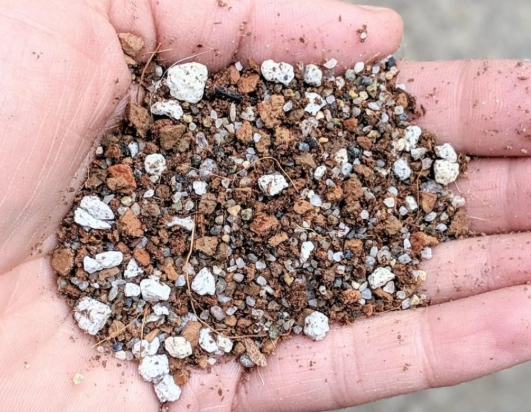
Standard potting mix is designed to hold moisture for longer periods to support plants like ferns or annuals. For a succulent, that constant dampness suffocates the roots, creating the perfect environment for anaerobic bacteria and fungi to party—and by party, I mean cause root rot. It's the number one killer.
Mixing your own succulent soil isn't just a gardening task; it's a fundamental shift towards understanding what your plants truly need to survive and flourish.
When you control the blend, you control the environment. You can tailor it to your local humidity, your watering habits, and the specific type of succulent you're growing. A lithops ("living stone") has wildly different needs from a jade plant. A one-size-fits-all commercial mix can't account for that.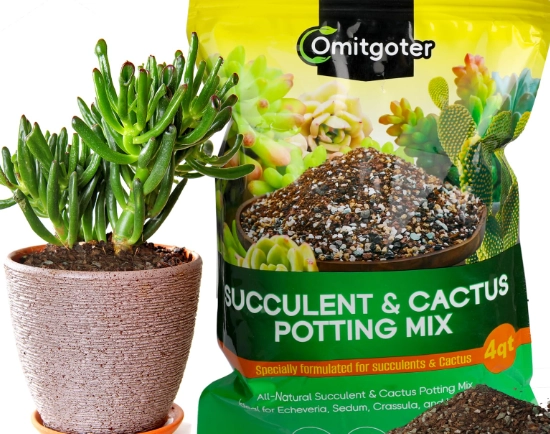
The Three Core Ingredients in Every Great Succulent Soil Mix
Think of your DIY succulent soil mix as having two jobs: provide some nutrients and structure, but mostly, drain rapidly and dry out quickly. To achieve this, we combine two broad categories of materials.
1. The Organic Component: The "Food" (But Not Too Much)
This is the part that holds a tiny bit of moisture and provides nutrients. It's usually some form of compost or peat. But here's the first common mistake: using too much.
- Potting Soil or Coconut Coir: A good, sterile potting mix (not garden soil!) or coconut coir acts as the base. It should be light and fluffy. I prefer coconut coir these days because it's more sustainable and has a neutral pH, but a quality potting mix works fine. This is your minor moisture holder.
- Compost or Worm Castings: A handful of sifted compost or worm castings is like a slow-release vitamin shot. It adds beneficial microbes and a gentle nutrient boost. The key word is handful. We're talking maybe 10% of your total mix. More is not better here.
2. The Inorganic Component: The "Drainage" Heroes
This is the star of the show. These gritty materials create the air pockets that allow water to flow through and roots to get oxygen. They don't break down quickly, so your soil structure stays intact for years.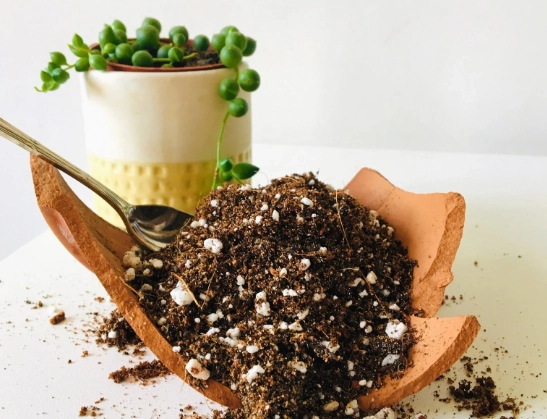
Here’s a breakdown of the most popular options. You don't need all of them—pick one or two that are easy for you to find.
| Material | What It Is | Pros | Cons & My Take |
|---|---|---|---|
| Perlite | Volcanic glass popped like popcorn. Those white little balls. | Super light, cheap, widely available. Excellent for aeration. | Can float to the top over time. Very dusty (wear a mask when handling). Feels a bit cheap to me, but it works. |
| Coarse Sand (Horticultural/Gritty) | Big, chunky sand particles, not beach or play sand. | Heavy, provides great weight and drainage. Inexpensive. | Play sand is terrible—it's fine and creates concrete. You must get coarse builder's sand or horticultural grit. Can be heavy for large pots. |
| Pumice | A porous volcanic rock. | My personal favorite. Lightweight, porous, holds a minuscule amount of water without staying wet. Doesn't float or break down. | Can be harder to find and more expensive than perlite. Worth hunting for online if your local nursery doesn't carry it. |
| Chicken Grit (Granite) | Crushed granite sold for poultry digestion. | Extremely durable, provides permanent drainage and weight. Inexpensive at farm stores. | Very heavy. Has sharp edges (which roots don't seem to mind). Adds zero water retention. |
| Aquarium Gravel or Lava Rock | Small, inert stones. | Great for adding weight and large drainage channels. Decorative. | Can be expensive for large volumes. Doesn't hold any moisture. |
See? It's not magic. It's just physics. You're creating a loose, chunky environment. When you water, it should rush through the pot and out the drainage hole almost immediately. If you see water pooling on the surface for more than a second, your mix isn't gritty enough.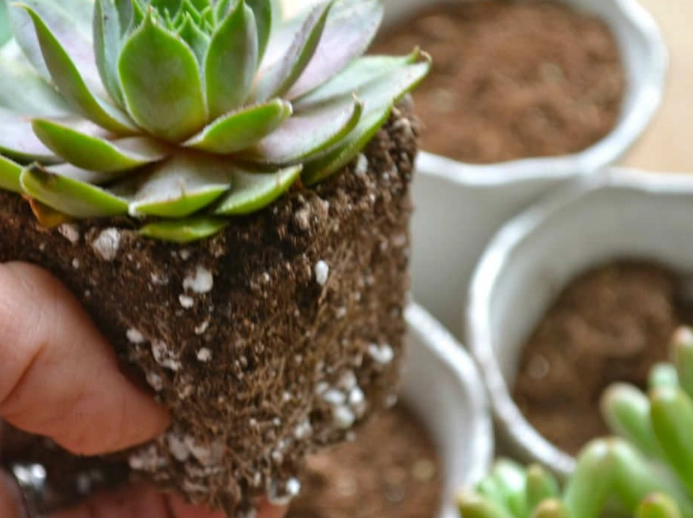
Proven Succulent Soil Mix Recipes You Can Trust
Alright, let's get mixing. These are starting points. Your local climate is your co-pilot. In humid Florida, you'll want more grit. In arid Arizona, you can get away with a bit more organic matter.
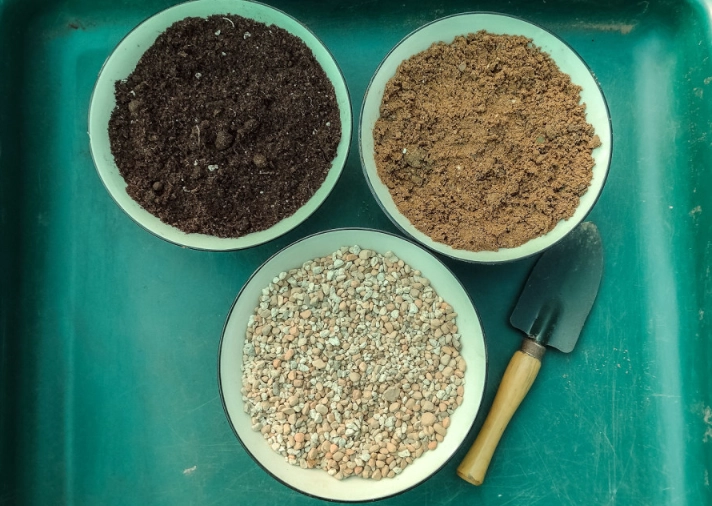
The All-Purpose, Foolproof Starter Mix
This is my go-to for probably 80% of my succulents (Echeverias, Sedums, Graptopetalums, Crassulas). It's simple and uses easy-to-find ingredients.
- 1 Part Potting Soil or Coconut Coir
- 1 Part Coarse Perlite or Pumice
- 1 Part Coarse Horticultural Sand or Chicken Grit
Mix it all together in a big tub. That's it. The "part" can be a cup, a shovel, or a bucket—just keep the ratio consistent. This creates a fast-draining mix for succulent soil that's hard to overwater.
My Experience: I used to follow a 2:1:1 ratio (soil:perlite:sand) and still had issues with some plants in glazed ceramic pots. Switching to this even 1:1:1 ratio was a game-changer, especially for my finicky moonstones (Pachyphytum oviferum). They finally plumped up without any rot.
The "I Live in a Rainforest" (High Humidity) Mix
For those in muggy climates or if you're a chronic over-waterer, lean hard into the inorganic stuff.
- 1 Part Potting Soil/Coir
- 2 Parts Pumice or Perlite
- 1 Part Crushed Lava Rock or Aquarium Gravel
This mix is seriously chunky. It dries out in a couple of days even in humidity. Perfect for Lithops, Split Rocks, and other mesembs that rot if you look at them wrong.
The Seedling & Propagation Mix
Baby succulents need more consistent moisture to establish tiny roots, but still need good drainage.
- 2 Parts Potting Soil/Coir
- 1 Part Perlite or Fine Pumice
- 1 Part Coarse Sand (sifted to remove the finest dust)
A bit more holding power for the little guys. Once they're established, you can pot them up into a grittier mix.
Feel free to substitute based on what's in your garage. The goal is the texture—a loose, crumbly blend that won't pack down.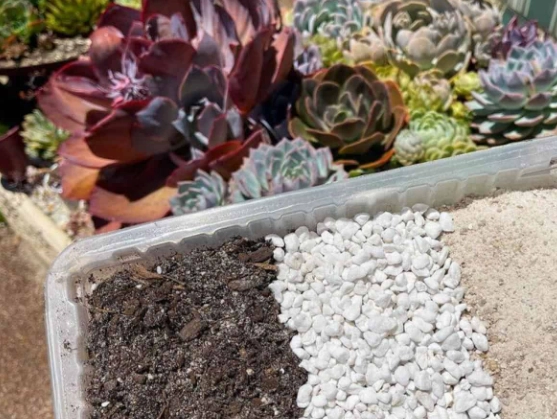
Step-by-Step: How to Actually Mix and Pot
It's not just about the recipe; it's about the process.
- Gather & Prep: Get all your ingredients, a large container (a storage tote works great), a trowel, and your pots. Make sure pots have drainage holes. No compromises.
- Dry Mix First: Combine all your dry ingredients in the container. Mix thoroughly with your hands or a trowel until the color and texture are uniform. No clumps of pure soil.
- The Squeeze Test: Grab a handful of your mixed succulent soil and squeeze it tightly in your fist. When you open your hand, it should immediately crumble apart. If it holds the shape of your fist like a mud ball, add more grit.
- Potting Up: Place a piece of mesh or a coffee filter over the drainage hole to keep soil in. Add your mix. Plant your succulent, backfill, and give it a very gentle tap to settle. Do not compact it down.
- The First Water: Wait a few days before the first watering if the plant had dry roots. This allows any minor root damage to callous. Then, water thoroughly until it runs freely from the bottom.
Common Mistakes (I've Made Most of These)
Let's learn from my errors so you don't have to.
- Using the Wrong Sand: This bears repeating. Fine sand is a soil condiment. It fills all the air pockets and creates a dense, hardpan. Only use coarse, gritty sand.
- Skimping on the Grit: Being stingy with perlite or pumice to "save money." This is false economy. A $5 bag of perlite can save $50 worth of plants.
- Forgetting the Top Dressing: A layer of decorative gravel or crushed rock on the soil surface isn't just pretty. It keeps the base of the plant dry (preventing stem rot), stops soil from splashing out, and slows surface evaporation.
- Reusing Old Soil Without Refreshing: Over time, the organic components break down and the mix collapses, becoming denser. When you repot, either refresh the old mix with 50% new grit or start fresh. Don't just dump the old root ball into a new pot.
- Ignoring Your Water: If you have very hard tap water, minerals can build up in your soil over years, altering the pH. Occasionally flushing the pot with distilled or rainwater can help, or just plan to repot every few years.
DIY Mix vs. Buying a Premium Bag: What's Better?
Sometimes you don't have the time or space to mix your own. Are any store-bought mixes worth it?
The cheap, mass-produced bags are usually just peat moss and a little perlite. They're often too fine. However, some specialty brands make excellent gritty mixes. Look for bags that feel light and you can see and feel the chunks—Bonsai Jack's gritty mix (a favorite online), or brands like Superfly Succulents or Dr. Earth's Succulence mix are good examples. They're more expensive per quart than DIY, but for a few plants, they're fantastic.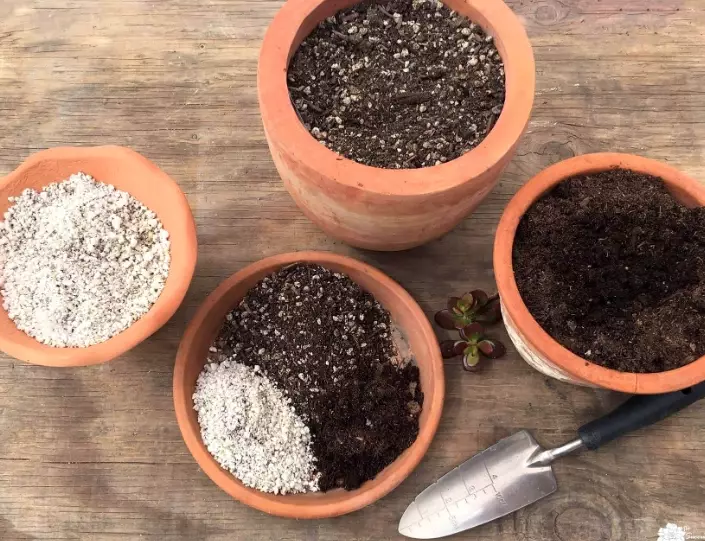
For me, DIY wins on cost, control, and scale. If you have more than a handful of plants, mixing your own succulent potting soil is a no-brainer. For a beginner with one or two plants, a quality pre-mixed bag is a great start.
Control or convenience? The choice is yours.
When to Repot and Refresh Your Mix
Your perfect succulent soil mix won't last forever. The organic matter decomposes. Fertilizer salts accumulate. The mix settles. A good rule of thumb is to repot every 2-3 years for mature plants. For fast-growing plants, you might do it annually when they outgrow their pot.
Signs it's time:
- The plant has filled the pot with roots ("root-bound").
- Water runs straight through without being absorbed at all (hydrophobic soil).
- The soil has sunk significantly and become compacted.
- You see a white crusty buildup on the soil surface (mineral deposits).
- The plant just hasn't grown in a year or more.
Your Succulent Soil Questions, Answered
Do I need to add fertilizer to my mix?
Not initially. The small amount of compost or worm castings provides a gentle start. Succulents are light feeders. You're better off using a diluted, balanced liquid fertilizer (like a 10-10-10) during the active growing season (spring/summer) once the plant is established in its new mix. Adding strong granular fertilizer to the mix can burn delicate new roots.
Should I sterilize my homemade mix?
If you're using fresh, bagged components, they're typically sterile. If you're using compost from your pile or found materials, pasteurizing it can kill weed seeds and pathogens. You can moisten the mix slightly and bake it in a shallow tray at 200°F (93°C) for 30 minutes. It'll smell like a wet forest, so maybe do this when your housemates are out.
Can I use just perlite and coir, no soil?
Absolutely. This is a popular "soilless" mix, especially for hydroponic-leaning growers. A 1:1 ratio of coconut coir and perlite/pumice works very well. It holds almost no nutrients, so you'll need to fertilize more regularly. It's very clean and great for avoiding soil-borne pests.
My mix dries out too fast! Is that bad?
For succulents, fast-drying is a feature, not a bug. It means you can water more frequently in the summer growing season without risk of rot, which can actually promote faster growth. The fear of underwatering succulents is vastly overblown; the fear of overwatering is dead-on. If you feel it dries excessively fast (in hours), your pot might be too small or your environment too windy/hot. Or you can add just a touch more coir to the next batch.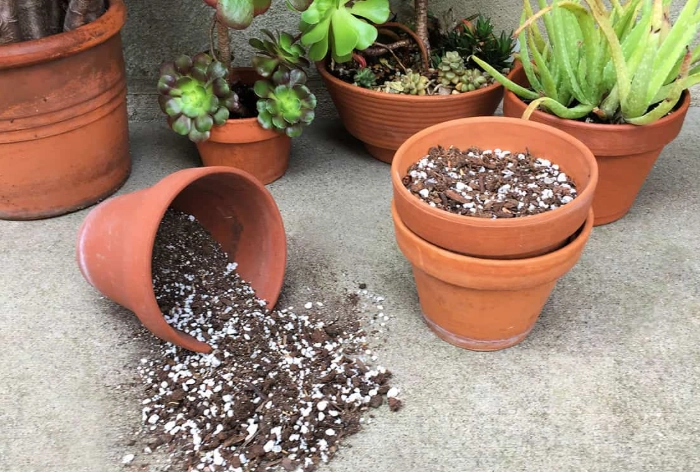
Where can I learn more about soil science for plants?
For those who want to dive deep into the science of potting media, resources from university extension services are gold. The University of Minnesota Extension has an excellent, detailed guide on potting mix components and functions. It's not succulent-specific, but the principles of aeration and water retention are universal. Another fantastic resource is the Cornell University Cooperative Extension program, which often publishes research-based home gardening guides.
Mixing your own succulent soil might seem like a small step, but it changes everything. You stop being a passive plant owner and start being an active grower. You understand the "why" behind the rot, the stunted growth, the lack of vibrancy.
Start with the basic 1:1:1 mix. See how your plants respond. Tweak it for your next batch. Before long, you'll glance at a commercial mix and know exactly why it will or won't work. That's real gardening knowledge. And your plants—plump, rooted, and thriving—will be the living proof.
Got a specific succulent you're struggling with? Your mix might just be the key. Go on, get your hands dirty.