Kalanchoe Plant Care: The Complete Guide to Growing Happy Succulents
Popular plants
Quick Navigation
- The Absolute Basics: What a Kalanchoe Actually Needs
- Beyond Survival: Advanced Kalanchoe Plant Care for Thriving
- Diagnosing Problems: A Kalanchoe Plant Care Troubleshooting Table
- My Top Kalanchoe Varieties and Their Quirks
- Kalanchoe Plant Care: Your Questions, Answered
- Wrapping It Up: The Simple Philosophy of Kalanchoe Care
Let's be real. You probably picked up that cute little kalanchoe plant because it was covered in cheerful flowers and looked impossible to kill. It sat happily on the store shelf, right? Then you brought it home, and now you're staring at it wondering why it's getting leggy, or the leaves are turning soft, or—the ultimate betrayal—it just won't flower again.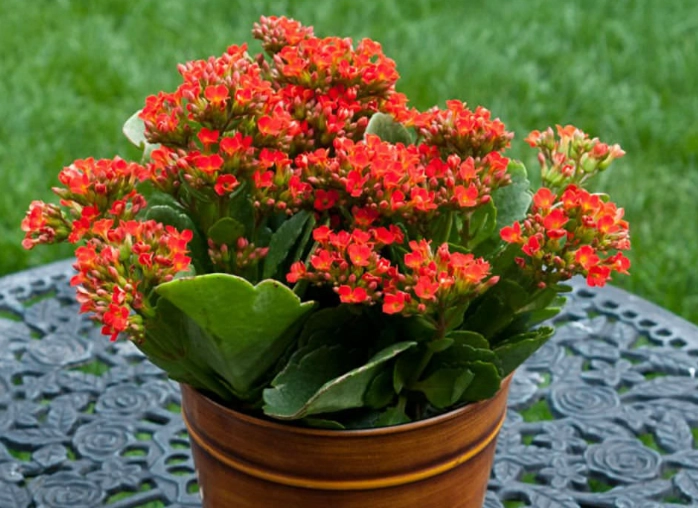
Sound familiar? You're not alone. Kalanchoe plant care is famously simple... until it isn't. The basics are easy, but the devil's in the details if you want a plant that thrives for years, not just survives for months. I've killed my fair share by being too enthusiastic with the watering can, and I've also nursed a few scraggly discount-rack rescues back to glorious, blooming health.
This guide is everything I wish I'd known when I started. We'll ditch the vague advice and get into the specifics of light, water, soil, and that tricky business of getting it to rebloom. Consider this your one-stop manual for turning your kalanchoe from a temporary decoration into a long-term, low-drama companion.
The Absolute Basics: What a Kalanchoe Actually Needs
Think of your kalanchoe as that friend who is pretty low-maintenance but has a few non-negotiable needs. Get these right, and 90% of your problems vanish.
Sunlight: The Make-or-Break Factor
This is the biggest mistake people make. That bright spot in your living room? It's probably not bright enough. Kalanchoes are succulents that crave bright, direct light. We're talking a south-facing or west-facing window where the sun pours in for most of the day.
An east-facing window can work, but the growth might be a bit slower and less compact. A north-facing window is pretty much a death sentence for long-term health—it'll become etiolated (that's the fancy term for stretched-out and weak). If you only have lower light, you'll need to supplement with a grow light. I've used simple LED bulbs in a desk lamp with good results during gloomy winters.
Watering: The Art of Neglect
Overwatering is the #1 killer of kalanchoe plants. Their thick, fleshy leaves store water. They are built for drought. Your watering schedule should be less of a schedule and more of a reaction to the plant's condition.
Here’s the only rule you need to memorize: Soak it thoroughly, then let it dry out completely. I mean completely. Stick your finger into the soil up to the first knuckle. If it feels even slightly damp, walk away. Wait. When it's bone-dry, then you water.
In the summer, this might be every 7-10 days. In the winter, it could be every 3-4 weeks. It depends entirely on your home's temperature, humidity, and light. The pot matters too—terracotta pots dry out faster than plastic or ceramic.
Soil and Potting: Giving the Roots Room to Breathe
You can't practice good kalanchoe plant care with bad soil. Regular potting soil holds too much moisture and will suffocate the roots. You need a mix that drains incredibly fast.
A premium cactus & succulent mix is a good start straight from the bag. But to be honest, I find even those can be a bit moisture-retentive. My personal mix, which has never failed me, is:
- 50% regular cactus/succulent potting mix
- 30% perlite or pumice (for aeration and drainage)
- 20% coarse sand or fine gravel
This creates a gritty, fast-draining environment that mimics their natural habitat. As for the pot, drainage holes are non-negotiable. No holes, no kalanchoe. It's that simple.
Beyond Survival: Advanced Kalanchoe Plant Care for Thriving
Okay, so your plant isn't dying. Great! Now let's make it spectacular. This is where we cover the stuff that separates a mediocre plant from a showstopper.
The Secret to Getting Your Kalanchoe to Flower Again (And Again)
This is the question I get asked the most. "My kalanchoe was full of blooms when I bought it, now it's just green. What gives?" Kalanchoes are photoperiodic plants, meaning they flower in response to day length. They need a period of long nights (short days) to set buds.
In nature, this happens as fall and winter approach. In our homes, with constant artificial light, the signal gets confused. Here's how to trick it:
- Simulate Winter Days: For about 6 weeks, give your plant 14-16 hours of complete and uninterrupted darkness every day. This means putting it in a closet, or covering it with a box from 6 PM to 8 AM. During the day, give it its normal bright light.
- Keep it Coolish: Slightly cooler temperatures (around 60-65°F / 15-18°C) during this period help stimulate flowering.
- Go Easy on Water: Water even less frequently during this bud-setting period, only when the soil is very dry.
After 6-8 weeks of this routine, you should start to see tiny flower buds forming. Then you can return it to its normal spot and care, and watch the bloom show begin. It takes some planning, but the reward is totally worth it.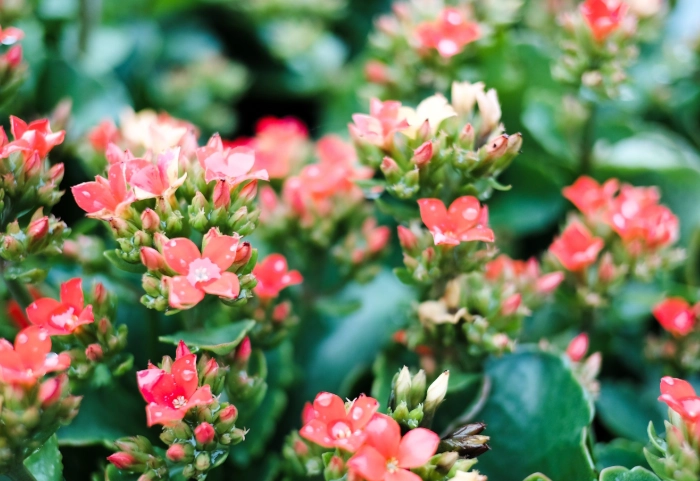
Feeding: Less is More
Kalanchoes aren't heavy feeders. In fact, over-fertilizing can cause weak, leggy growth and even burn the roots. During the active growing season (spring and summer), a light feeding once a month is plenty.
Use a balanced, water-soluble fertilizer diluted to half-strength. Something like a 10-10-10 or 20-20-20 works fine. A fertilizer higher in phosphorus (the middle number) can promote better blooming, but it's not critical if your light and photoperiod are right. Stop fertilizing completely in fall and winter when the plant's growth slows down.
Pruning and Propagation: Keeping it Bushy and Making More
Kalanchoes can get leggy after blooming. Don't be afraid to give them a haircut! Pruning encourages a bushier, more compact shape. Simply use clean, sharp scissors or pruning shears to pinch back the stems. You can cut quite a bit off—they're tough.
And here's the best part: every piece you cut off is a potential new plant. Kalanchoe propagation is almost laughably easy.
- Stem Cuttings: Let the cut end of a stem callous over for a day or two (this prevents rot). Then, stick it in dry succulent soil. Don't water for a week, then water lightly. Roots will form.
- Leaf Cuttings: Gently twist off a healthy leaf, let it callous, and lay it on top of dry soil. Tiny plantlets will sprout from the edge of the leaf. It's like magic.
Diagnosing Problems: A Kalanchoe Plant Care Troubleshooting Table
Let's get practical. Here’s a quick-reference table for the most common issues you'll encounter. I've dealt with most of these, so the fixes are from the school of hard knocks.
| Symptom | Likely Cause | How to Fix It |
|---|---|---|
| Leggy, stretched stems with wide gaps between leaves | Not enough light. The plant is reaching for the sun. | Move to a much brighter location, ideally with direct sun. You can prune back the leggy growth to encourage bushiness. |
| Soft, mushy, translucent leaves | Overwatering / Root Rot. The roots are drowning and decaying. | Stop watering immediately. Remove plant from pot, cut away any black/brown mushy roots, repot in fresh dry succulent mix. Water only after it's fully dry. |
| Dry, crispy brown spots or edges on leaves | Sunburn (if spots are in direct sun patch) or underwatering (if edges are crispy). | For sunburn, move to a spot with bright indirect light. For underwatering, soak the pot thoroughly when you do water. |
| Leaves are wrinkled and limp | Underwatering. The plant has used up its stored water. | Give the plant a deep, thorough soak. It should plump up within a day or two. |
| No flowers | Insufficient dark period. It's not getting the right light cues. | Initiate the 6-week long night/short day routine described above. |
| Powdery white residue on leaves | Powdery Mildew. Often due to poor air circulation and humidity. | Improve airflow. You can wipe leaves with a damp cloth or use a fungicide. Avoid getting leaves wet when watering. |
My Top Kalanchoe Varieties and Their Quirks
Not all kalanchoes are the same. The classic florist's kalanchoe (Kalanchoe blossfeldiana) is just the tip of the iceberg. Branching out can be fun, and the care is largely similar.
- Kalanchoe blossfeldiana (Flaming Katy): The classic. Comes in red, pink, orange, yellow, white. Standard care applies. The most likely to rebloom with the right cues.
- Kalanchoe tomentosa (Panda Plant): Fuzzy, silver leaves with brown spots. Adorable. Even more drought-tolerant. Needs bright light to keep its compact shape.
- Kalanchoe daigremontiana (Mother of Thousands): This one is wild. It grows tiny plantlets along the edges of its leaves that drop and root everywhere. It's almost invasive—keep it in its own pot! Care is the same, but it's less about flowers and more about the fascinating propagation.
- Kalanchoe luciae (Flapjack/Paddle Plant): Large, flat, round leaves that blush bright red at the edges with enough sun. A stunning architectural plant. Water very sparingly.
I have a soft spot for the Panda Plant. It's so tactile and seems almost indestructible. The Mother of Thousands, while fascinating, is a bit of a messy roommate—I'm constantly picking its babies out of nearby pots.
Kalanchoe Plant Care: Your Questions, Answered
This is crucial. No, kalanchoe plants are toxic to cats and dogs. According to the ASPCA Animal Poison Control Center, kalanchoe contains cardiac glycosides, which can cause vomiting, diarrhea, and in severe cases, abnormal heart rhythm if ingested. If you have curious pets, it's best to place these plants well out of reach or choose a different, non-toxic succulent.
Absolutely, and they often love it! Acclimate it slowly to avoid sunburn—start in dappled shade for a week, then move to a spot with morning sun and afternoon shade. The increased light and airflow can supercharge growth. Just remember to bring it back inside well before the first frost in fall. Also, watch out for pests more closely when it's outdoors.
They like being slightly root-bound, so don't rush to repot. Every 2-3 years is usually sufficient, or when you see roots growing out of the drainage holes. When you do repot, only go up one pot size (e.g., from a 4" to a 6" pot). A pot that's too large holds more wet soil, which increases the risk of root rot—a key principle of good kalanchoe plant care.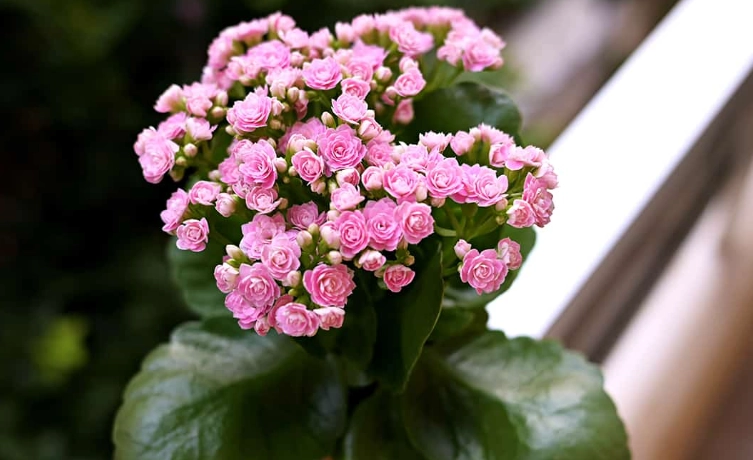
Likely mealybugs. They look like little bits of cotton in the leaf axils and undersides. They're a common pest for succulents. Isolate the plant immediately. You can dab them with a cotton swab dipped in rubbing alcohol (isopropyl alcohol). For larger infestations, insecticidal soap or neem oil sprays are effective. Be persistent and check the plant weekly.
Wrapping It Up: The Simple Philosophy of Kalanchoe Care
At its core, successful kalanchoe plant care isn't about following a rigid calendar. It's about observation. It's about touching the soil, looking at the color of the leaves, and noticing how the stems are growing.
Think of yourself as providing a habitat, not micromanaging a task list. Give it tons of sun, water only when it's truly thirsty, plant it in gritty soil, and don't be afraid to prune it or put it in the dark when it's time to bloom.
They're resilient plants. I've seen them bounce back from near-death experiences with proper care. So if yours is looking a bit sad, don't give up. Go back to the basics—light and water—and adjust from there. With a little understanding of what makes them tick, you can enjoy these colorful, architectural succulents for many years. They might just become one of the easiest and most rewarding plants on your windowsill.
Honestly, after years of keeping all sorts of fussy plants, the humble kalanchoe remains a favorite for its straightforward needs and spectacular payoff. Just don't love it to death with water.