Ultimate Guide: How Often to Water a Jade Plant (Watering Secrets)
Houseplant care
What You’ll Find Here
- Why Getting the Water Right is a Big Deal (It's Not Just About Thirst)
- The Foolproof Method: How to Know When It's Time to Water
- The Big Factors That Change Your Watering Schedule
- What Does an Overwatered vs. Underwatered Jade Look Like?
- The Right Way to Water: It's a Soak, Not a Sip
- Your Personal Watering Checklist (Save This!)
- Answering Your “Yeah, But What About...” Questions
- My Personal Seasonal Watering Rhythm (A Real-Life Example)
- What If You've Already Overwatered? (Damage Control)
- Final Thoughts: Trust the Plant, Not the Calendar
I killed my first jade plant. There, I said it. It was a gorgeous, chunky little thing, and I loved it to death—literally, by watering it every single week because I thought that's what all plants needed. Turns out, jade plants play by a different set of rules. They're the stoic, low-maintenance friends of the plant world, and figuring out how often to water a jade plant is the single most important skill you can learn to keep them happy. It's not about a rigid calendar schedule. It's about listening. This guide is everything I wish I'd known back then, boiled down from years of trial, error, and finally, success.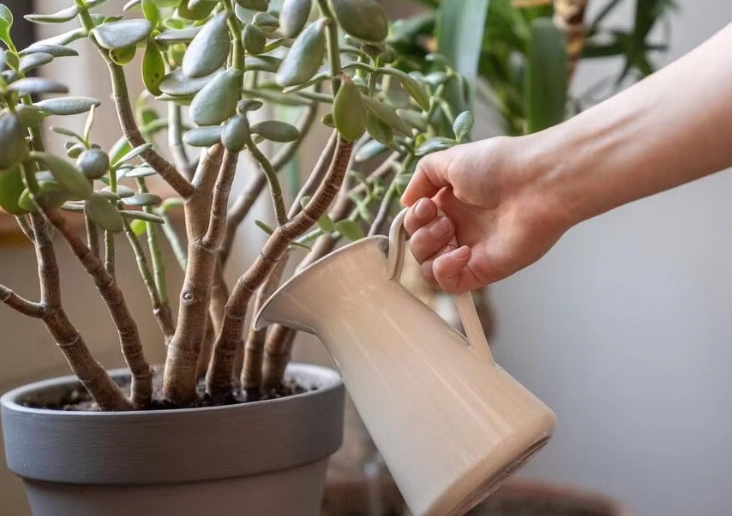
The Short Answer (Before We Dive Deep): For a typical jade plant in a pot with drainage holes, in a room with decent light, you water it thoroughly only when the soil is completely dry all the way through. This usually translates to every 2-4 weeks, but it could be longer in winter. The “when” depends on a bunch of factors we're about to unpack.
Why Getting the Water Right is a Big Deal (It's Not Just About Thirst)
Jade plants (Crassula ovata) are succulents. They store water in their thick, fleshy leaves and stems. Think of those leaves as little water balloons. When you water, they fill up. Between waterings, the plant slowly uses that stored water. Watering again while those “balloons” are still full is the fastest ticket to root rot, a nasty condition where the roots suffocate and die in soggy soil. It's the #1 killer of jade plants. On the flip side, letting them get too dry for too long can cause the leaves to shrivel and drop. The goal is the sweet spot in between.
The Foolproof Method: How to Know When It's Time to Water
Forget marking your calendar. Here’s the only method you need to internalize. I call it the “Finger Test & Pot Lift” Combo.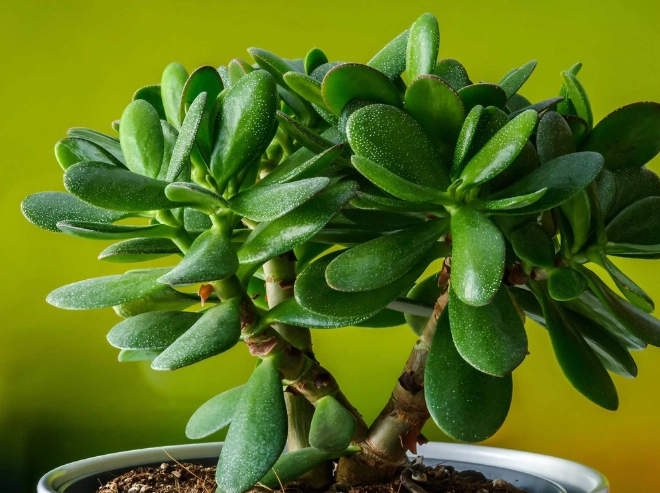
Step 1: The Finger Test (Go Deep)
Stick your finger into the soil, right up to your second knuckle (about 2 inches down). Is the soil at the tip of your finger completely dry, with no coolness or dampness? Not just dry on the surface, but dry deep down? If yes, proceed to step 2. If it feels even slightly cool or damp, walk away from the watering can. Come back and check again in 3-4 days.
Step 2: The Pot Lift Test (Feel the Weight)
This is the pro move. Pick up your plant pot. Get a sense of its weight right after you water it—memorize that “heavy” feel. Now, when your finger test says the soil is dry, lift the pot again. If it feels surprisingly light, like there's barely anything in it, that's your plant screaming (quietly) for a drink. A pot that still has some heft to it still has moisture in the bottom third of the soil. Wait.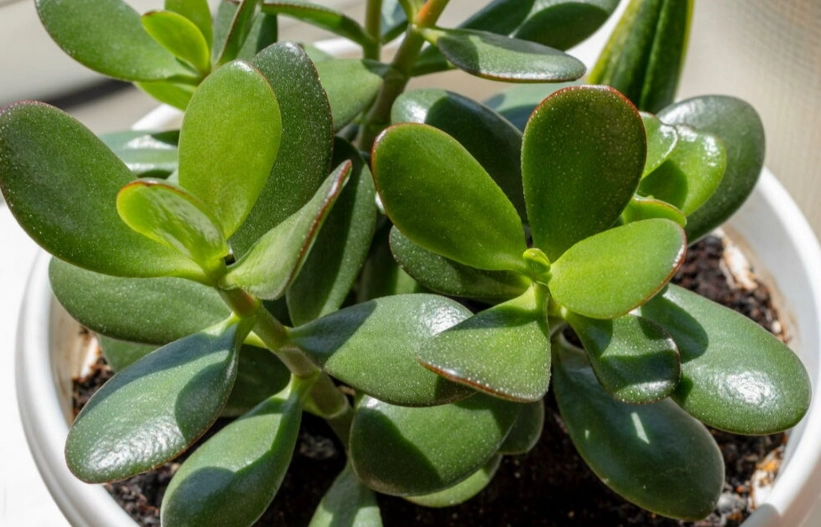
Seriously, it's that simple. Mastering this combo removes all the guesswork from how often to water jade plant concerns.
“The most common cause of death in Crassula ovata is overzealous watering. These plants are adapted to periods of drought.” – This aligns with guidance from the Missouri Botanical Garden, one of the world's leading botanical centers, which stresses allowing the soil to dry between waterings.
The Big Factors That Change Your Watering Schedule
Okay, so the “when” isn't fixed. Here’s what pushes your watering frequency from every two weeks to maybe every six.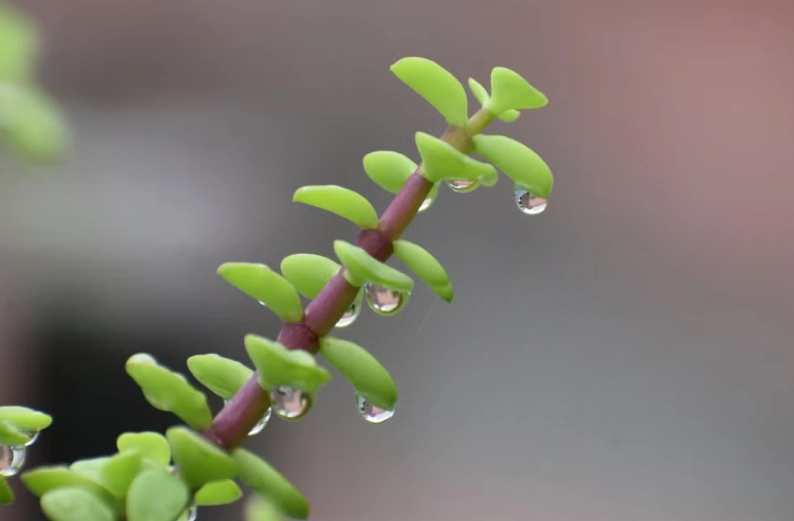
Light: The Biggest Driver
More light = more photosynthesis = the plant uses water faster. A jade in a blazing south-facing window will need water more often than one in a dim north-facing room. It might be the difference between watering every 10 days in summer versus every 30 days.
Season: Your Plant is Hibernating (Kind Of)
This is HUGE and where most people slip up.
- Spring & Summer (Growth Season): This is when your plant is actively growing. It will drink more. Stick to the finger/pot-lift method, but expect to water more frequently.
- Fall & Winter (Dormant Season): Growth slows way down. The plant needs much less water. You might only need to water every 4-6 weeks, or even longer. Let the soil stay dry for a more extended period. I've gone nearly two months in winter without watering a large, cool-climate jade.
Pot and Soil: The Foundation Matters
A terracotta (clay) pot breathes and allows moisture to evaporate through its walls, drying the soil faster than a plastic or glazed ceramic pot. A pot that's too big holds more wet soil around the roots for longer—a major risk. Always use a pot with a drainage hole. No exceptions. The soil should be a gritty, well-draining mix specifically for cacti and succulents. Regular potting soil holds too much water.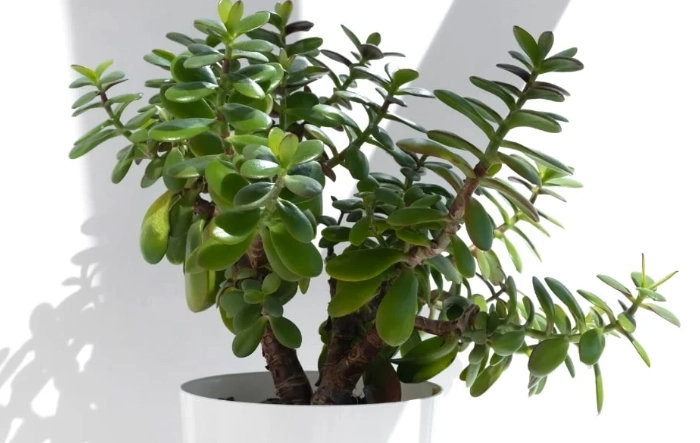
Humidity and Temperature
Hot, dry air pulls moisture from the soil and leaves faster. Cool, humid air slows everything down. A plant by a heater in winter will dry out faster than one in a cool bedroom.
What Does an Overwatered vs. Underwatered Jade Look Like?
Your plant talks to you through its leaves. Here’s how to translate.
| Symptom | Overwatered Jade Plant | Underwatered Jade Plant |
|---|---|---|
| Leaf Feel | Soft, mushy, squishy. They may feel bloated and fall off easily. | Thin, wrinkled, shriveled. They feel limp and leathery. |
| Leaf Color | Yellowing leaves, often starting at the bottom. Can turn almost translucent. | Dull, may have brown crispy edges. Loss of plump, glossy look. |
| Soil & Stems | Soil constantly damp. Stems may become soft, blackened, or rotten. | Soil is bone-dry and may pull away from pot edges. Stems are woody/dry. |
| The Fix | STOP WATERING. Let soil dry completely. Check for root rot. If stems are mushy, you may need to propagate from healthy cuttings. | Give it a thorough, deep soak. The plant should plump up within a day or two. |
See the difference? One is a waterlogged disaster, the other is just really, really thirsty. Underwatering is almost always easier to fix than overwatering.
The Right Way to Water: It's a Soak, Not a Sip
When your tests confirm it's time, don't just give it a little splash. That encourages shallow roots.
- Take your plant to the sink or outside.
- Water slowly and evenly over the soil surface until you see water flowing freely out of the drainage hole at the bottom. Keep pouring for a few more seconds to ensure the entire root ball is saturated.
- Let all the excess water drain out completely. Don't let the pot sit in a saucer full of water. Empty it after 15 minutes.
- Return the plant to its spot.
This “soak and dry” method mimics the natural desert downpours these plants are adapted to.
Your Personal Watering Checklist (Save This!)
- ✅ Soil is dry 2+ inches down (Finger Test).
- ✅ Pot feels light (Pot Lift Test).
- ✅ Leaves are firm, not wrinkled or mushy.
- ✅ It's not the middle of winter (or if it is, I've waited extra long).
- ✅ I have time to water it at the sink and let it drain.
If you can check all these, go for it. If not, wait.
Answering Your “Yeah, But What About...” Questions
My Personal Seasonal Watering Rhythm (A Real-Life Example)
I live in a temperate climate. Here’s what my medium-sized jade in a south-east window looks like:
- Late Spring to Early Fall: I check every 10-14 days. It usually needs water about every 12-18 days.
- Late Fall to Winter: I check monthly. It often goes 5-7 weeks between waterings. The light is lower, the house is cooler, and it's just sitting there, chilling.
- Early Spring: I start checking more frequently as the days lengthen.
This isn't a schedule for you to copy—it's an example of how much things can slow down. Your home is different.
The One Thing Almost Everyone Gets Wrong
They water on a schedule (e.g., “every Sunday”) instead of by condition. They also tend to repot into a pot that's way too big, thinking they're giving the plant “room to grow.” That big pot of wet soil is a death sentence. Only go up one pot size (1-2 inches wider in diameter) when repotting.
What If You've Already Overwatered? (Damage Control)
If the stems are still firm, stop watering and let the soil dry out completely. Move it to a brighter, warmer spot to help evaporation. If the stems are soft or the plant is wobbly, you likely have root rot. You'll need to unpot it, remove all the black/mushy roots with a sterile tool, and repot into fresh, dry succulent mix. Don't water for at least a week after this surgery. The Royal Horticultural Society (RHS) advises similar caution, noting that succulents are far more tolerant of drought than flood.
Final Thoughts: Trust the Plant, Not the Calendar
Learning how often to water a jade plant is less about memorizing a number and more about developing a feel for it. It's a relationship. You check in, you observe, you respond. The beauty of jade plants is their resilience and their clear communication. Once you get the watering down, everything else (light, occasional fertilizer) falls into place easily. You'll be rewarded with a sturdy, sculptural plant that can live for decades, maybe even passing it on to someone else. And you'll never have to say you killed your first one.
Start with the finger test. Get used to the weight of the pot. Watch the leaves. You've got this.