How to Use an Aloe Vera Plant: 11 Practical Ways for Skin, Hair & Health
Popular plants
Your Quick Guide to Aloe Vera Uses
So you've got this spiky green friend sitting on your windowsill. It's hardy, it looks cool, and everyone says it's good for... something. But beyond the occasional sunburn, you're kinda stuck. What do you actually do with it? I was in the same boat for years. My aloe plant was more of a decorative commitment than a practical one. That changed after a nasty kitchen burn sent me scrambling for relief and that thick, clear gel became my hero. It got me thinking – if it's this good for burns, how else can I use an aloe vera plant?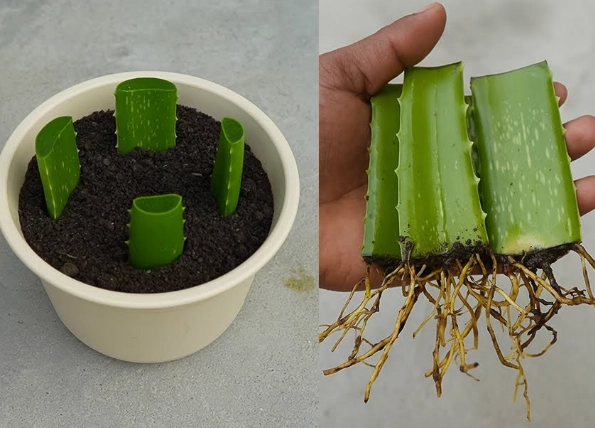
Turns out, the answer is: in a ton of ways. This isn't just some old wives' tale. There's a reason it's been a staple in medicine cabinets and beauty routines for millennia, from ancient Egypt to your grandma's kitchen. The real magic is in the leaf's inner gel, a cocktail of vitamins, enzymes, minerals, and amino acids that's both soothing and potentially healing. But here's the thing most guides don't tell you: not all uses are created equal, and the way you harvest it makes a huge difference.
Let's cut through the hype and get practical. This is your no-nonsense, dirt-under-the-fingernails guide to actually using that plant. We'll cover everything from the absolute basics (how do you even get the gel out without making a mess?) to some surprisingly effective recipes for your skin, hair, and even your gut. I'll also share what I've found works, what's maybe a bit overrated, and the one thing you should never do.
First Things First: Getting the Good Stuff Out
Before you dream of smooth skin and shiny hair, you need to harvest the gel properly. Doing it wrong can ruin the leaf, waste gel, or even introduce bacteria. It's simpler than you think, but there's a right way.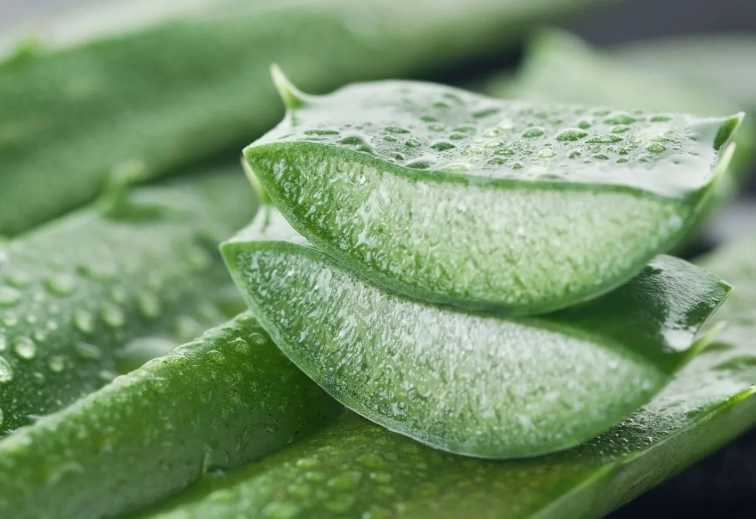
Pick a mature, outer leaf. The ones on the outside are older, thicker, and packed with more gel. Using a sharp, clean knife, cut the leaf as close to the base as you can. You'll see a yellowish sap (called aloin or latex) ooze out. Some people are sensitive to this, so you might want to rinse the leaf. Now, place the leaf flat on a cutting board, and carefully slice off the spiky edges on both sides. Then, use the knife to separate the top green layer (the rind) from the clear inner fillet. You can either slide the knife underneath it or simply peel it back with your fingers. What you're left with is a translucent, slippery slab of pure aloe vera gel.
You can cube it, blend it into a smooth liquid, or apply the fillet directly. My personal favorite method for a small amount is the "fillet and smear" – just peel back one side of the leaf and rub the exposed gel right onto your skin. Zero waste, maximum freshness.
Important Safety Note: Always do a patch test first. Apply a small amount of gel to the inside of your wrist or elbow and wait 24 hours to check for any redness or itching. While rare, some people can have an allergic reaction. Also, that yellow latex I mentioned? If ingested in large amounts, it can have a strong laxative effect. For internal use, it's crucial to use only the thoroughly washed and processed inner gel, and even then, consult a doctor first if you have any conditions.
Quick Harvesting Guide: Which Leaf for What Job?
Not every use needs a whole leaf. Here’s a cheat sheet.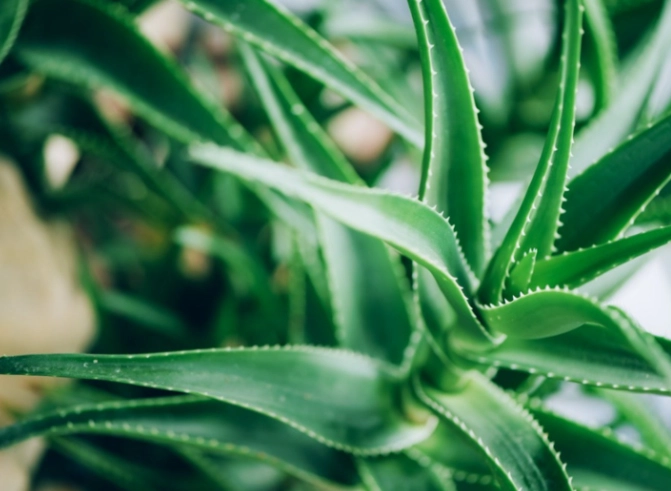
| Use Case | Best Leaf to Pick | Why |
|---|---|---|
| Spot Treatment (a pimple, small cut) | A small, younger inner leaf | Minimal waste, easier to handle for precise application. |
| Face Mask or Hair Treatment | One large, plump outer leaf | Yields plenty of gel for mixing with other ingredients. |
| Major Sunburn or Large Rash | 2-3 large outer leaves | You'll need a significant volume of gel to cover a large area effectively. |
| Juicing/Internal Use* | Several mature outer leaves | Requires more gel after careful processing to remove all traces of aloin. |
*Consult a healthcare professional before consuming aloe vera gel. The National Center for Complementary and Integrative Health (NCCIH) notes that while topical use is generally safe, oral use can have side effects and interact with medications. You can read more about their findings on the NCCIH website.
The Practical Uses: Your Skin Will Thank You
This is where the aloe vera plant truly shines. Forget the expensive, fragrance-filled bottles at the store. Fresh gel is in a league of its own.
Sunburn and Thermal Burn Soother (The Classic)
This is the gateway use. Why does it work so well? The gel is about 99% water, making it incredibly hydrating, and it contains compounds like glycoproteins that reduce inflammation and pain. After a day in the sun, I keep a harvested leaf in the fridge. Applying that chilled gel is pure bliss. It doesn't necessarily "heal" the burn faster in a medical sense, but it dramatically soothes the sensation. The Mayo Clinic acknowledges its moisturizing and cooling properties for minor burns, which you can reference in their self-care tips for sunburn relief.
Just smear it on thick and let it dry. Reapply every few hours. It's sticky, but it works.
A Surprisingly Good Lightweight Moisturizer
If you have oily or combination skin, heavy creams can feel like a punishment. Aloe gel absorbs quickly, doesn't clog pores (it's non-comedogenic), and provides a hit of hydration without the grease. After cleansing, I sometimes just smooth a thin layer of fresh gel on my face and neck. It leaves my skin feeling refreshed and plump. Is it enough for very dry skin in winter? Probably not alone, but it's a fantastic base layer.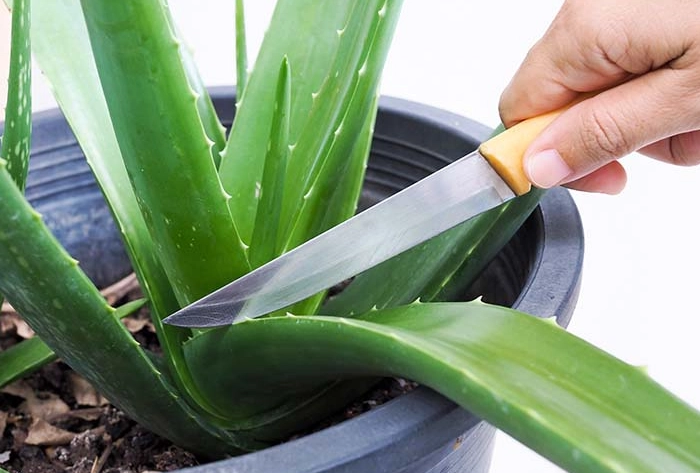
DIY Face Mask Base
This is where you can get creative. The gel is a perfect, neutral carrier for other skin-loving ingredients.
My Go-To "Glow" Mask: Mix two tablespoons of fresh aloe gel with one teaspoon of raw honey (a natural humectant and antibacterial) and a half teaspoon of turmeric (anti-inflammatory). Apply, leave on for 15-20 minutes, rinse. My skin looks calm and bright afterward. The aloe gel binds everything together into a spreadable paste.
For acne-prone skin, try aloe gel mixed with a few drops of tea tree oil. For extra exfoliation, mix it with a bit of finely ground oatmeal.
Razor Burn and Ingrown Hair Rescue
Shaving can leave your skin angry. The anti-inflammatory properties of aloe can calm that redness and bumps faster than you'd think. Apply the gel right after shaving. It also creates a protective barrier that can help prevent ingrown hairs by keeping the skin soft and reducing inflammation around the hair follicle.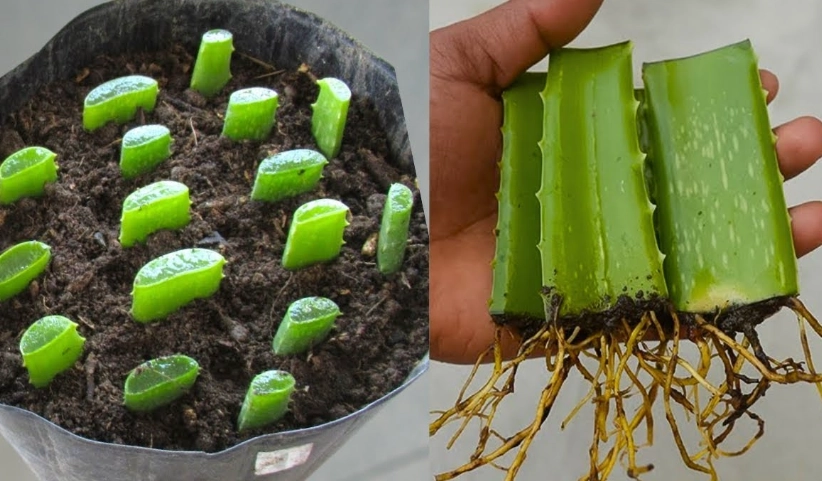
Minor Cut and Scrape Care
For small, clean abrasions, aloe can create a moist environment that may support healing. Its gentle antimicrobial properties (thanks to compounds like salicylic acid and lupeol) can help keep the area clean. I've used it on paper cuts and small gardening nicks. It stings less than alcohol and feels more soothing. Remember, for serious wounds, proper medical care is essential.
See? Learning how to use an aloe vera plant for skin issues is mostly about harnessing its soothing, hydrating, and anti-inflammatory traits.
Beyond Skin: Hair, Health, and Home
If you stop at skincare, you're missing half the fun. The versatility of this plant is honestly wild.
Hair and Scalp Treatment
Frizzy, dry hair? A flaky, itchy scalp? Aloe might help. The enzymes in the gel can gently remove dead skin cells on the scalp, while the vitamins and minerals can nourish hair follicles.
As a Pre-Shampoo Treatment: Massage a generous amount of pure gel or a mix of aloe and a few drops of coconut oil into your scalp and work it through the lengths of your hair. Wrap it up in a shower cap and leave it for 30 minutes before washing as usual. It adds incredible slip and moisture.
As a Leave-In Conditioner: After washing, take a pea-sized amount of gel, rub it between your palms with a drop of water to dilute it slightly, and smooth it over the ends of damp hair. It tames frizz without weighing hair down. I find it works better than many silicone-based serums for a natural look.
Soothing Digestive Aid (The Controversial One)
This is the big, debated use. The clear inner gel (NOT the yellow latex) has been traditionally used to soothe heartburn and irritable bowel symptoms. Some studies, like those referenced by the NCCIH, have looked at its potential benefits for conditions like ulcerative colitis, but the evidence is mixed. Personally, I've tried a small shot of pure, well-processed aloe juice (from a reputable brand, not my plant) during occasional heartburn, and it felt coating and soothing. However, I cannot stress this enough: Do not try this without talking to your doctor. Aloe can interact with diabetes and heart medications, and improper preparation can be harmful.
Household First Aid Kit Staple
Keep a potted aloe in the kitchen. A small burn from the oven? Snap off a tip. Got a bit of DIY eczema or dermatitis from a new detergent? A layer of gel can calm the itch while you figure out the culprit. It's nature's multi-purpose gel, always on tap and free.
Bonus: Plant Propagator and Soothe for Other Plants
This one blew my mind. The rooting hormones in aloe vera gel can help other plant cuttings root faster. Dip the cut end of your clipping in fresh gel before planting it in soil. Some gardeners also use a diluted aloe water spray as a gentle foliar feed and to help seedlings with transplant shock. Your aloe can help grow your entire plant family.
Making It Last: Storage and DIY Recipes
Fresh gel is best, but a leaf can give you more than you need at once. Here’s how to not waste it.
Refrigeration: The whole, uncut leaf can last 1-2 weeks in the fridge wrapped in paper towel. Harvested gel in an airtight container lasts about a week. It will likely oxidize and turn pinkish-brown – it’s less pretty but still usable for a few more days if it smells fine.
Freezing: This is my preferred method for larger harvests. Blend the gel into a smooth liquid and pour it into an ice cube tray. Once frozen, pop the cubes into a freezer bag. You have perfectly portioned aloe cubes ready to drop into smoothies (again, consult your doc first) or thaw for a skin treatment. They keep for months.
Pro-Tip for Purity: When blending gel for storage, add a few drops of vitamin E oil or grapefruit seed extract. These are natural preservatives that can slow down oxidation and bacterial growth, giving your stored gel a slightly longer shelf life.
A Simple, All-Purpose Aloe Vera Gel Recipe
If you want a smooth, bottled product ready to go, try this:
- Harvest gel from 2-3 large leaves, ensuring all yellow latex is rinsed away.
- Blend the gel fillets with 1/4 cup of distilled water until completely smooth.
- Add 5 drops of tea tree oil and 3-4 drops of vitamin E oil. Blend again.
- Pour through a fine-mesh sieve or cheesecloth into a sterilized, dark glass bottle.
- Store in the fridge and use within 2-3 weeks.
This gives you a versatile, preservative-free gel for skin and hair. The texture is perfect.
Answers to Your Burning Questions
Can I use aloe vera gel on my face every day?
Yes, many people do, especially as a light moisturizer. Just listen to your skin. If it starts feeling tight or you notice any irritation, scale back. For me, daily use works in the summer, but in drier months, I need something heavier on top.
Is store-bought aloe gel as good as fresh?
Not usually. Check the label. Many commercial gels have aloe as the last ingredient, packed with thickeners, preservatives, and colorants. They can still be soothing, but you're missing the full spectrum of fresh, active compounds. For serious use, fresh is best. For convenience, seek out brands with very high aloe content (98% or more).
How can I use an aloe vera plant for acne?
Its anti-inflammatory and mild antibacterial properties can help calm red, angry pimples. Apply a dab of pure gel directly to spots after cleansing. It won't be as potent as prescription treatments for severe acne, but for occasional breakouts, it's a great, natural spot treatment that reduces redness overnight.
Can it remove dark spots?
Aloe contains aloin, which is a natural depigmenting agent. Consistent application may help lighten post-inflammatory hyperpigmentation (like marks left from old pimples) over time. However, it's a very mild effect. Don't expect miracles for deep-set age spots or melasma. Sunscreen is still your best weapon against dark spots.
What's the deal with drinking aloe vera juice?
This is a major trend. Proponents claim benefits for digestion, detox, and immunity. As mentioned, the science is not definitive, and safety is key. If you want to explore this, absolutely buy a product intended for internal consumption from a trusted brand that has processed out the aloin. Do not just blend up your garden gel and drink it. The potential side effects (cramping, diarrhea, drug interactions) aren't worth the risk. The U.S. Food and Drug Administration (FDA) has not approved aloe vera for oral use as a drug, so those products are sold as supplements, which are regulated differently.
My gel turned pink/brown. Is it bad?
Not necessarily. It's oxidizing, like an apple turning brown. It's less potent but usually safe for topical use if it's been refrigerated and doesn't smell foul (sour or rotten). To slow this, use airtight containers and store it in the back of the fridge, not the door.
The Bottom Line: Is It Worth the Hype?
After years of using it, my verdict is a qualified yes. The aloe vera plant is an incredibly useful, low-maintenance houseguest. For topical, external use – soothing burns, hydrating skin, calming irritation – it's a fantastic, cost-effective, and natural tool. The experience of using gel straight from the plant is different from any bottled product; it feels more potent and authentic.
Where I'm skeptical is regarding the internal, cure-all claims. The evidence just isn't strong enough for me to recommend it over established medical advice for serious conditions. As a occasional, cautious digestive soothe? Maybe, with a doctor's okay. As a cancer cure or major detox agent? No. That's where the hype loses me.
Ultimately, learning how to use an aloe vera plant is about embracing a simple, multi-purpose remedy.
It won't replace your entire medicine cabinet or skincare routine, but it will complement them beautifully. It connects you to a very old, very simple tradition of plant-based care. And there's something deeply satisfying about walking over to your plant, snapping off a piece, and knowing exactly what you're putting on your skin – no mystery chemicals, just a cool, clear gel from a resilient green friend. Start with a sunburn. Then try a hair mask. See what it does for you. You might find, like I did, that it becomes one of the most reached-for things in your home.