Haworthia Fasciata Care Guide: How to Grow the Zebra Plant Successfully
Popular plants
Quick Navigation
Let's be real for a second. You probably brought home that cute little Haworthia fasciata with its perfect white stripes because it looked impossible to kill. "It's a succulent," they said. "It thrives on neglect," they said. Then, a few months later, you're staring at a plant that's either turning to mush or looks like a raisin, and you're googling "what did I do wrong?"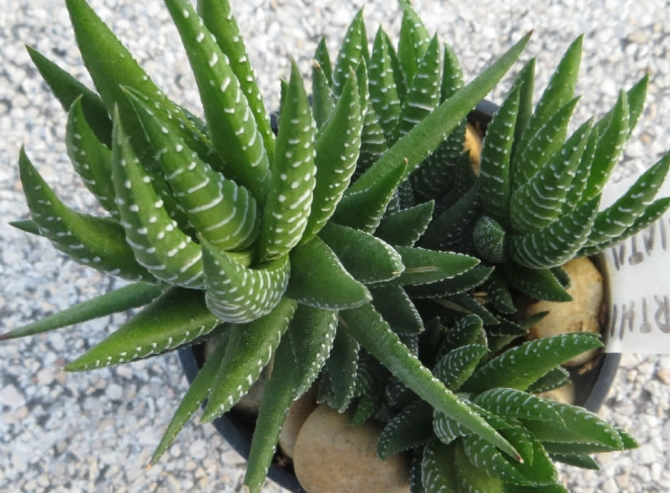
I've been there. My first zebra plant met a soggy end because I treated it like my other houseplants. That was my lesson. The Haworthia fasciata isn't difficult, but it has its own rulebook. Once you crack it, this plant becomes one of the most reliable, sculptural friends on your windowsill.
This guide is that rulebook. We're going to move past the basic "water it sometimes" advice and get into the nitty-gritty of what makes this specific plant tick. We'll also clear up the single biggest point of confusion that trips up almost every new owner.
What Exactly Is a Haworthia Fasciata?
First things first, let's get acquainted. The Haworthia fasciata, commonly called the zebra plant or zebra haworthia, is a small, stemless succulent native to South Africa. It's part of the Asphodelaceae family, hanging out with aloes and gasterias. It grows in tight rosettes, and the thing everyone loves is those pronounced, raised white tubercles that form horizontal bands on the outside of its leaves. It looks meticulously painted.
I love how tactile they are. Running your finger along the leaf, feeling those bumpy stripes, is part of the charm. It doesn't feel like a normal plant.
It's a slow grower, which is actually a blessing for indoor gardeners. You won't need to repot it every year. An established Haworthia fasciata might eventually produce offsets, or "pups," around its base, letting you propagate new plants. It sometimes sends up a long, slender flower spike with small, tubular white flowers, though flowering indoors isn't super common and the flowers are admittedly not the main attraction.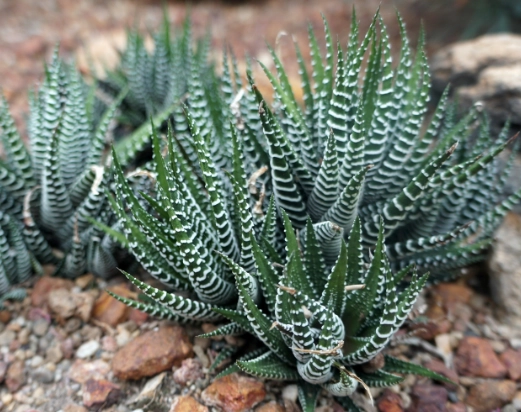
The Great Debate: Fasciata vs. Attenuata
Here's where things get messy, and honestly, where a lot of online information gets it wrong. You will often see plants labeled as Haworthia fasciata that are actually Haworthia attenuata. Even nurseries mix them up constantly. So, how can you tell what you actually have? Knowing this matters because their care is identical, but for your own peace of mind and correct identification, let's break it down.
The key difference is on the inside of the leaves.
| Feature | Haworthia Fasciata (The True Zebra) | Haworthia Attenuata (The Common Imposter) |
|---|---|---|
| Leaf Inner Surface | Smooth and green. The white bumps are only on the outer side. | Covered in white tubercles on both the inner and outer surfaces. |
| Leaf Shape | Leaves tend to be slightly more slender and incurved. | Leaves are often a bit wider and can be more prolific in offsetting. |
| Availability | Less common in mass-market stores. True fasciata is rarer in cultivation. | Extremely common. This is what you most likely have if you bought it from a big-box store. |
| The "Stripes" | Bands are usually more pronounced and raised. | Bands can be more numerous and sometimes slightly less raised. |
Flip a leaf and look at the inside (the side facing the center of the rosette). Smooth? You might have the true Haworthia fasciata. Bumpy? It's an attenuata.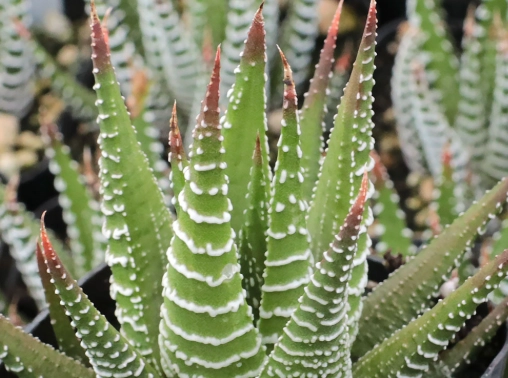
Does it change how you care for it? Not one bit. Both need the same treatment. But it's a fun bit of plant trivia that makes you feel like an insider. I recall arguing with a friend about this, only to check my own "fasciata" and discover it was an attenuata all along! The Royal Horticultural Society, a great resource for plant info, lists them as distinct species, which adds to the legitimacy of the distinction.
Your Haworthia Fasciata Care Bible
This is the core of it. Forget complicated schedules. Think about its natural habitat: rocky outcrops in South Africa, with bright but filtered light, excellent drainage, and periods of drought.
Light: The Golden Rule for Stripes
This is the most important factor for a healthy, good-looking plant. Haworthia fasciata loves bright, indirect light. A spot near an east-facing window is perfect. A south or west window is okay, but you must diffuse the harsh afternoon sun with a sheer curtain. Why?
Too much direct sun, especially the hot midday kind, will scorch the leaves. They turn a reddish, brownish, or pale color, and the tips can dry out and die back. It's ugly and stressful for the plant.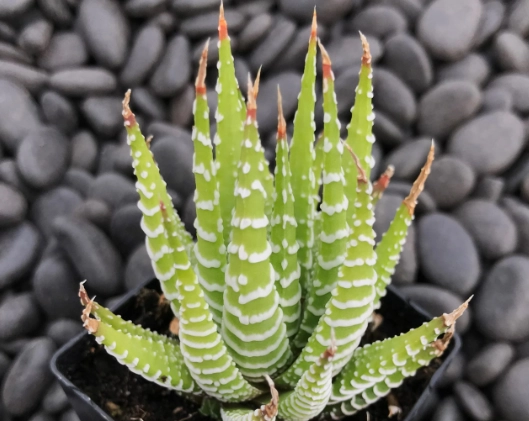
Not enough light? The plant will start to "stretch" or etiolate. The rosette becomes loose, the leaves elongate and space out, reaching for any light source. The beautiful compact form is lost, and the white stripes may fade. It also weakens the plant.
Pro Tip: If your only option is a south-facing window, pull the plant back a few feet from the glass or use a curtain. Watch the leaf color. A deep, rich green with strong white bands is the goal. A yellowish or reddish tint means it's getting too much direct sun.
Watering: The Skill You Need to Master
This is where most people fail. Overwatering is the #1 killer of Haworthia fasciata. They store water in their thick leaves. They are built for drought.
Forget watering on a schedule. Don't water every Tuesday. Don't water just because the soil surface looks dry.
The best method is the "soak and dry" method. Here's how it works:
- Wait until the soil is completely dry all the way through the pot. You can check by sticking a wooden chopstick or your finger deep into the soil. If it comes out clean and dry, it's time.
- Take the plant to the sink and water it thoroughly. Pour water evenly over the soil until you see a good amount of water running freely out of the drainage holes. This ensures the entire root ball gets moisture.
- Let it drain completely. Never let the pot sit in a saucer of water. Empty the saucer after 15 minutes.
- Now, walk away. Do not water again until the soil is bone dry again.
How long between waterings? It depends. In hot, bright summer months, it might be every 10-14 days. In cool, dark winter months, it could be once a month or even longer. The plant will tell you. The leaves will feel slightly less plump when it's thirsty.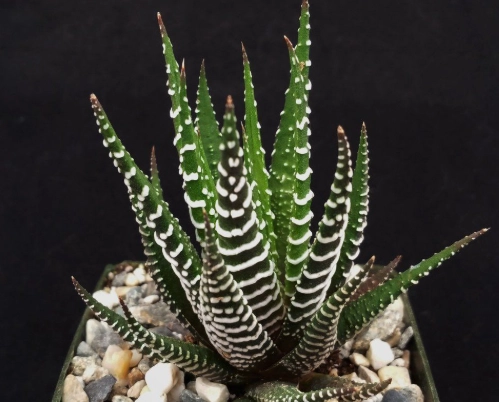
Warning Signs: Mushy, translucent leaves at the base? That's overwatering and likely root rot. Wrinkled, puckered leaves that are thin and crispy? That's severe underwatering. The former is a much bigger emergency.
Soil and Potting: Building the Right Foundation
Regular potting soil is a death sentence. It holds too much moisture for too long. You need a fast-draining, gritty mix.
You can buy a pre-mixed cactus & succulent soil, but I find even those can be too moisture-retentive. I prefer to make my own:
- 50% standard cactus potting mix
- 50% inorganic material (like perlite, pumice, or coarse horticultural sand)
This creates an airy, rocky environment that mimics its natural home and prevents water from lingering around the roots. The folks over at the Missouri Botanical Garden, a fantastic authority on plant care, emphasize the need for excellent drainage in their plant database, and they're absolutely right.
Pot choice matters too. Always use a pot with a drainage hole. Terracotta pots are ideal because they are porous and help wick away excess moisture from the soil. Plastic pots are fine if you are very careful with watering.
Temperature and Humidity
Easy part. Haworthia fasciata likes average room temperatures between 65°F and 80°F (18°C - 27°C). It can tolerate cooler temperatures down to about 50°F (10°C) but shouldn't be exposed to frost. Standard household humidity is perfect. You don't need to mist it—in fact, misting can encourage rot in the crown.
Fertilizing: Less is More
These are not heavy feeders. Fertilizing too much or with too strong a solution can burn the roots and cause ugly growth.
A simple rule: Fertilize only during the active growing season (spring and summer). Use a balanced, water-soluble fertilizer (like a 10-10-10) diluted to half or even quarter strength. Do this once, maybe twice, during the entire growing season. That's it. In fall and winter, don't fertilize at all.
Common Problems and Their Fixes
Even with perfect care, things can happen. Here’s a quick trouble-shooter.
Brown, Crispy Leaf Tips: Very common. Usually caused by either underwatering (the whole leaf would be wrinkled) or, more often, mineral build-up from tap water or a tiny bit of sunburn. You can trim the brown tip off with clean scissors, following the leaf's natural shape. Consider using filtered or rainwater if it's a persistent issue.
Leaves Turning Red or Purple: This is usually a stress response to very bright light. It's not always bad—a little stress coloring can be attractive—but if it's combined with dry, scorched patches, it needs less direct sun.
Leaves Getting Long and Floppy (Etiolation): Not enough light. Move it to a brighter spot. Unfortunately, the stretched leaves won't shrink back. You can eventually propagate the plant from its pups and start over with better light.
Mushy, Translucent Leaves at the Base: Alarm bells! This is overwatering and probable root rot. You need to act fast.
- Remove the plant from its pot and gently brush away all the wet soil.
- Inspect the roots. Healthy roots are firm and white or tan. Rotten roots are black, brown, and slimy.
- Using sterile scissors, cut away ALL rotten roots and any mushy leaves.
- Let the plant sit out of soil in a shady, dry spot for a day or two to callous over the cuts.
- Repot in fresh, dry, gritty succulent mix.
- DO NOT WATER for at least a week after repotting to allow roots to heal.
This is surgery, but a Haworthia fasciata can often recover if there's still some healthy root and leaf tissue left.
How to Propagate Your Zebra Plant
The easiest and most satisfying way is via offsets, or pups. A mature Haworthia fasciata will produce little clones around its base.
- Wait until the pup is a decent size (about one-third the size of the mother plant).
- Gently remove the entire plant from its pot. You'll see the pup connected to the mother by a stem or root.
- Using a clean, sharp knife or your fingers, gently separate the pup, trying to keep some roots attached if possible. If it snaps off cleanly, that's okay too.
- Let the pup sit in a dry, shaded spot for 1-3 days to allow the wound to callous. This prevents rot when you plant it.
- Plant the pup in a small pot with dry succulent mix. Wait another 3-5 days before giving it a light watering.
Then, treat it like a miniature adult plant. It's that simple. Leaf cuttings are possible but notoriously slow and unreliable with haworthias, so offsets are the way to go.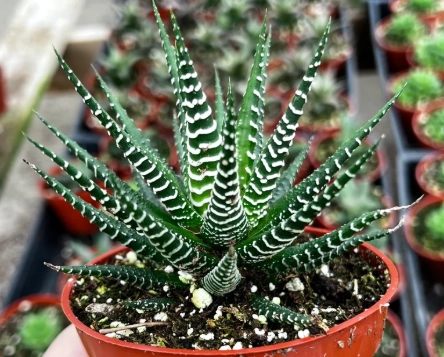
Frequently Asked Questions (The Stuff You're Actually Searching For)
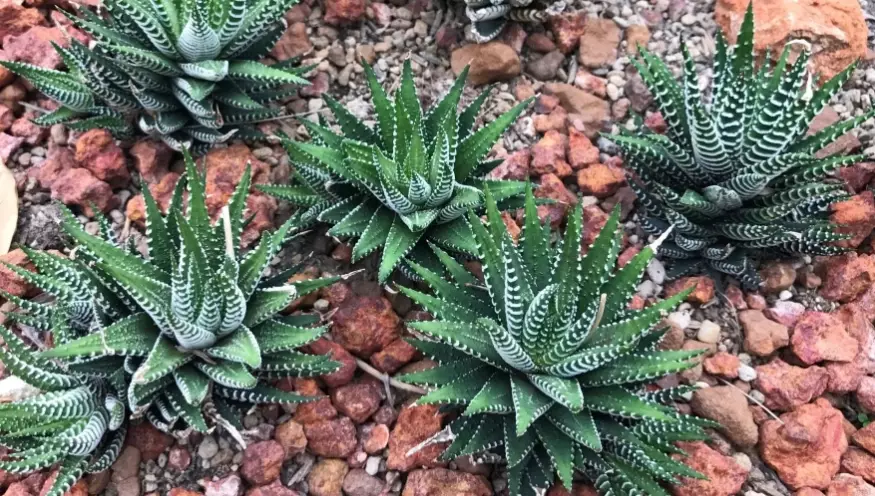
So, there you have it.
The Haworthia fasciata isn't a diva. It's a patient, architectural little plant that asks for very specific but simple things: gritty soil, a thorough drink only when parched, and bright but gentle light. Get those right, and you'll have a striking, low-maintenance companion for years. It might even reward you with a family of pups.
Now go check if yours is a true fasciata or an attenuata. I'm still waiting for my first real one.