White Jasmine Flower: Complete Growing and Care Guide for Lush Blooms
Houseplant care
I killed my first white jasmine plant. It was a gift, and within months, the leaves turned yellow and dropped off. I was watering it every day, thinking more love meant more water. Turns out, jasmine hates wet feet. After ten years of trial and error—and a lot of dead plants—I’ve figured out the secrets to keeping these fragrant beauties thriving. Whether you’re a beginner or a seasoned gardener, this guide cuts through the fluff and gives you the real deal on white jasmine care.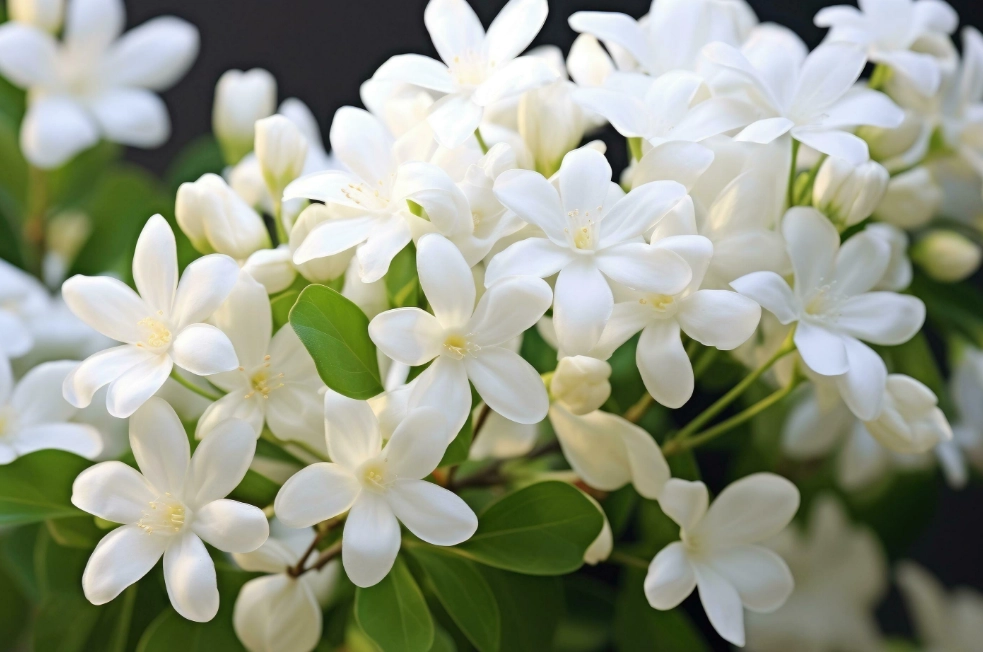
What You’ll Learn in This Guide
Getting Started with White Jasmine: What You Need to Know
Before you buy that cute jasmine pot from the nursery, let’s talk variety. Not all jasmines are created equal. Jasminum officinale, the common white jasmine, is a climber that can reach 15 feet outdoors. For indoors, Jasminum polyanthum (pink jasmine) is popular, but its white-flowered form works too. I prefer Jasminum sambac (Arabian jasmine) for its intense scent and compact growth—it’s easier to manage in pots.
Here’s a quick comparison I wish I had when starting:
| Variety | Best For | Bloom Time | Key Trait |
|---|---|---|---|
| Jasminum officinale | Outdoor gardens, trellises | Summer to fall | Vigorous climber, hardy |
| Jasminum polyanthum | Indoor containers | Late winter to spring | Fast-growing, fragrant |
| Jasminum sambac | Pots, small spaces | Year-round in warm climates | Compact, highly aromatic |
Tools? Keep it simple: a pot with drainage holes (terracotta is my go-to—it breathes), well-draining soil, pruning shears, and a watering can with a narrow spout. Skip the fancy gadgets; jasmine doesn’t need them.
Selecting the Right Soil: A Common Mistake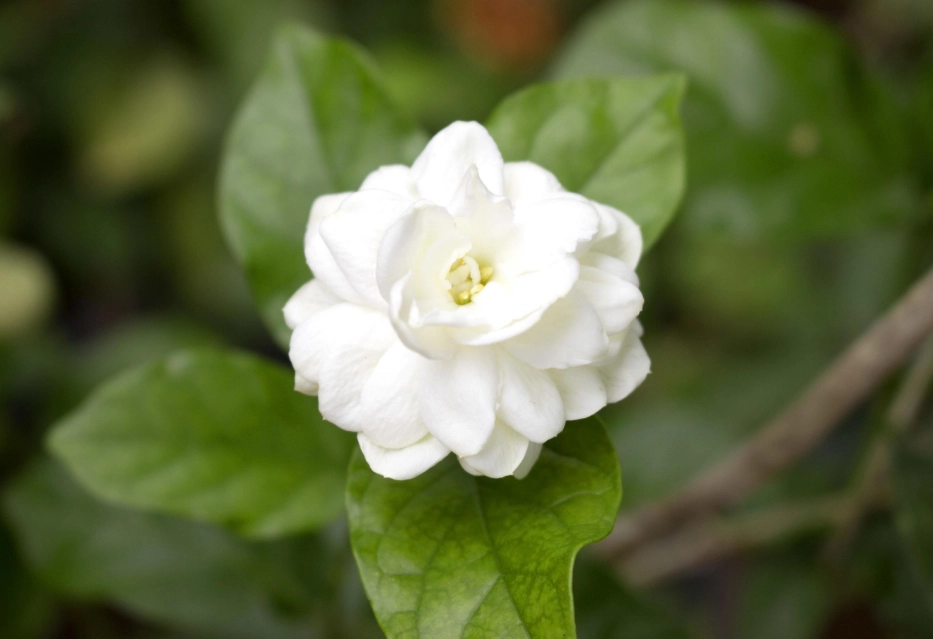
Most garden centers sell generic potting mix, but jasmine needs something airy. I mix equal parts potting soil, perlite, and compost. The perlite prevents compaction, which is crucial because jasmine roots rot easily in dense soil. If you’re repurposing garden soil, sterilize it first—I learned this after introducing fungus gnats to my indoor collection.
How to Plant White Jasmine Flowers Step by Step
Planting jasmine isn’t rocket science, but small details matter. Let’s break it down.
Step 1: Choose the right time. Spring is ideal, after the last frost. If you’re in a warm zone (like USDA zones 7-10), fall works too. I planted one in summer once—the heat stressed it, and growth stalled for weeks.
Step 2: Pot preparation. Use a pot 2 inches wider than the root ball. Add a layer of gravel or broken pottery at the bottom for drainage. Fill with your soil mix, leaving space for the plant.
Step 3: Planting depth. Place the jasmine so the root ball sits level with the soil surface. Burying it too deep invites stem rot. Firm the soil gently—don’t compact it.
Step 4: Watering in. Water thoroughly until it drains out the bottom. Then, let it dry out slightly before the next watering. This initial soak helps roots settle.
For outdoor planting, pick a spot with morning sun and afternoon shade. Jasmine can handle full sun, but in hot climates, afternoon shade prevents leaf scorch. Space plants 3-4 feet apart if you’re growing multiple.
Pro tip from my failures: Avoid planting jasmine near competing roots like trees. I had one struggle for years until I realized an oak tree was hogging all the water and nutrients. Move it to a standalone bed, and it exploded with growth.
The Ultimate Care Routine for Healthy Jasmine
Consistency beats intensity here. Jasmine thrives on routine, not random care.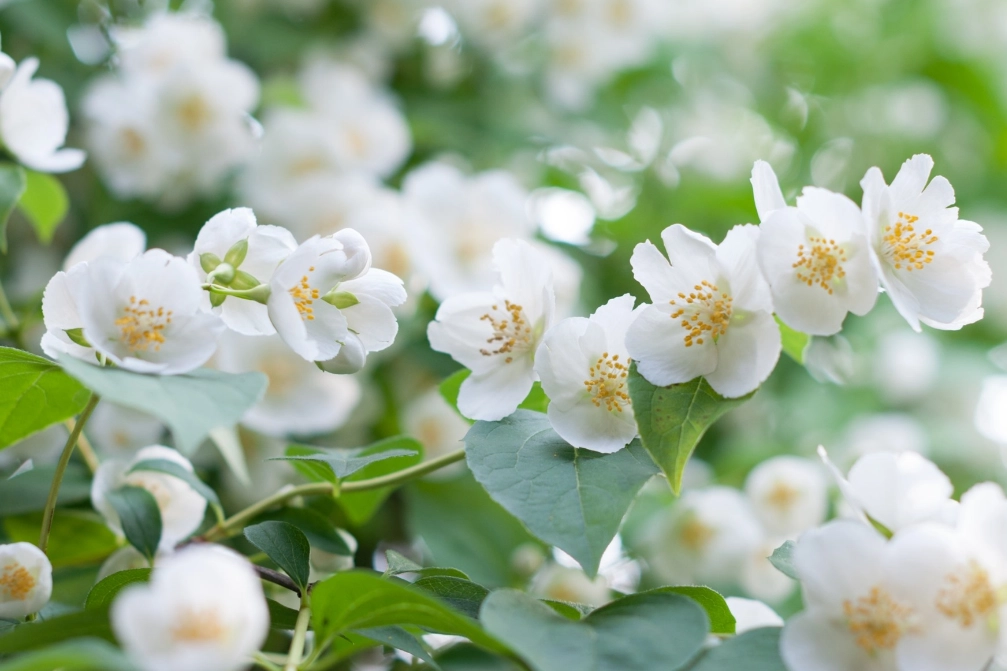
Watering: The Balancing Act
This is where most people mess up. Jasmine likes moist soil, not wet. Stick your finger an inch into the soil—if it’s dry, water. If damp, wait. In summer, I water my potted jasmine every 3-4 days; in winter, every 10-14 days. Reduce frequency if you’re using a humidifier indoors.
Overwatering signs: yellow leaves, wilting despite wet soil, and a foul smell. Underwatering: crispy brown leaf edges. I keep a simple journal to track watering—it helps avoid guesswork.
Light and Temperature
Jasmine loves bright, indirect light. A south-facing window is perfect, but east or west works too. Direct afternoon sun can bleach leaves. If growing outdoors, aim for 4-6 hours of sunlight daily.
Temperature wise, jasmine prefers 60-75°F (15-24°C). It can tolerate brief dips to 50°F (10°C), but frost kills it. I bring my pots indoors when nighttime temps drop below 45°F. Sudden temperature swings cause bud drop—I lost a whole season’s blooms once by moving a plant from a warm room to a chilly porch.
Fertilizing for Flowers
Feed jasmine during the growing season (spring to fall). I use a balanced liquid fertilizer diluted to half strength, applied every 4-6 weeks. Too much nitrogen gives you lush leaves but no flowers. In early spring, I top-dress with compost for slow-release nutrients.
Stop fertilizing in winter. The plant is resting, and extra nutrients can burn roots.
Pruning and Training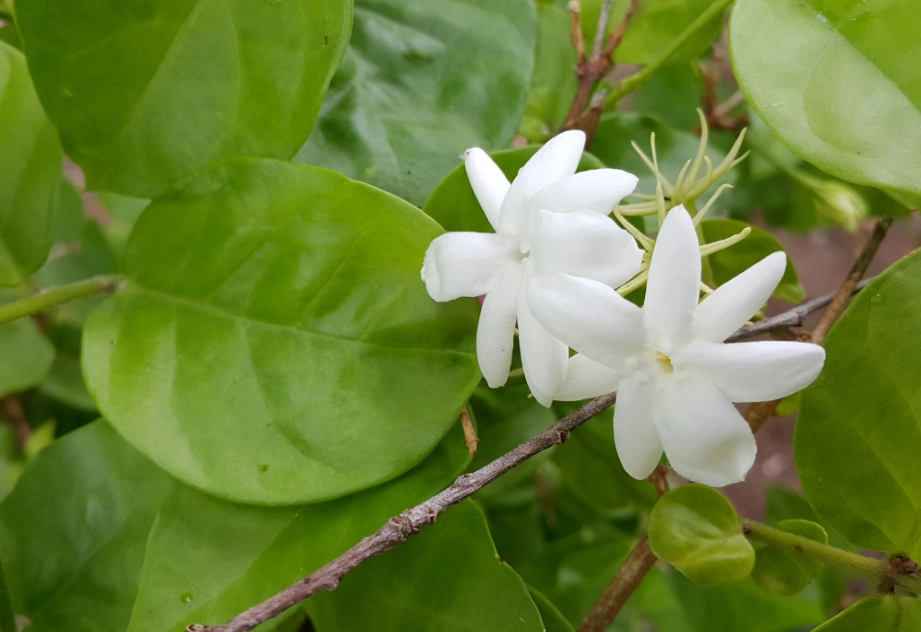
Prune after flowering to shape the plant and encourage bushiness. I cut back leggy stems by one-third, removing dead or crossing branches. For climbers, train them on a trellis—use soft ties to avoid damaging stems.
One nuance: avoid heavy pruning in fall; it stimulates new growth that’s vulnerable to cold. I prune lightly in late winter instead.
Troubleshooting Common Jasmine Problems
Even with perfect care, issues pop up. Here’s how to handle them.
Yellow leaves: Usually overwatering or poor drainage. Check the soil—if soggy, repot with fresh mix. If underwatering, increase frequency slightly. Nutrient deficiency? A lack of iron causes yellowing between veins; use a chelated iron supplement.
Pests: Aphids and spider mites love jasmine. I spray with neem oil every two weeks as prevention. For severe infestations, insecticidal soap works. Avoid chemical pesticides—they harm beneficial insects and can linger on fragrant blooms.
No flowers: The big disappointment. Common causes: insufficient light, over-fertilizing with nitrogen, or pruning at the wrong time. Move to a brighter spot, switch to a bloom-booster fertilizer (high in phosphorus), and ensure you’re not cutting off flower buds.
According to the Royal Horticultural Society, jasmine flowering is triggered by consistent warmth and light cycles. Mimic natural conditions by reducing water in winter to induce dormancy, then increase in spring for blooms.
Why Grow White Jasmine? Surprising Benefits
Beyond the scent, jasmine offers real perks. The flowers are used in teas and aromatherapy for relaxation—I dry blooms for homemade tea blends. Studies, like those cited by the National Institutes of Health, suggest jasmine aroma can reduce anxiety and improve sleep quality.
In gardens, it attracts pollinators like bees and butterflies. As a climber, it’s great for vertical spaces, saving room in small yards. Plus, it’s a conversation starter—guests always ask about the fragrance.
Economically, growing your own saves money compared to buying cut flowers or essential oils. A single plant can yield blooms for years with minimal cost.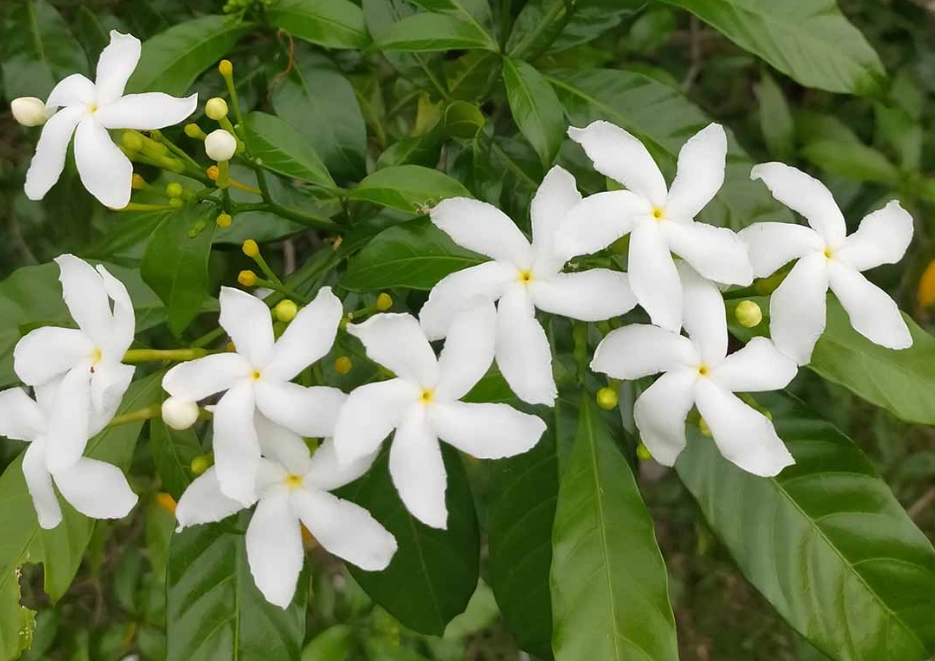
Your Questions Answered (FAQ)
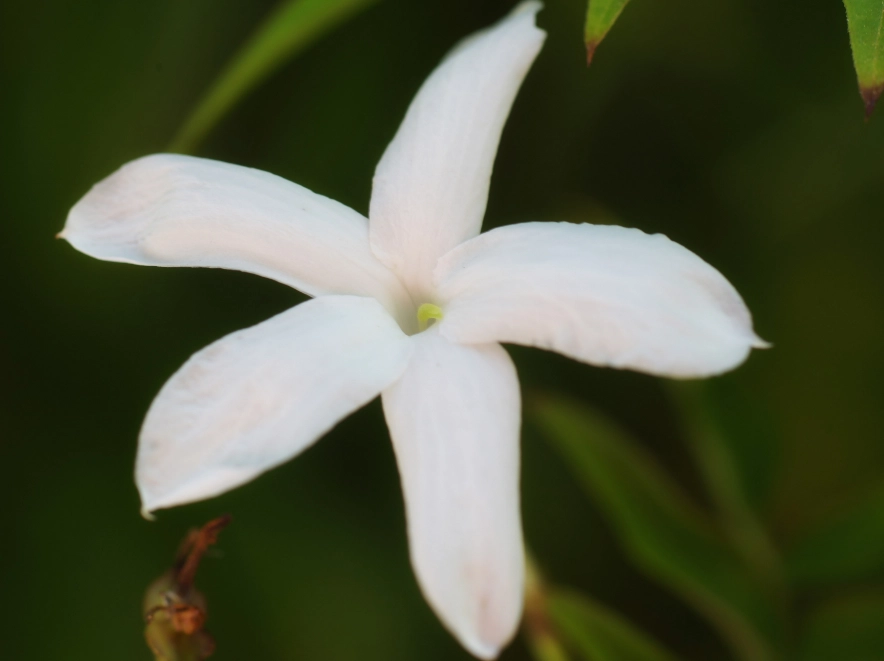 Growing white jasmine is a journey. Start small, learn from mistakes, and enjoy the process. That fragrance on a summer evening? Totally worth it.