The Bromeliad Flower: Your Complete Guide to Care, Blooming & Reblooming
Popular plants
In This Guide
- What Exactly Is a Bromeliad Flower (And the Plant Around It)?
- The One Big Secret: The Bromeliad Life Cycle (It's Not a Death Sentence)
- How to Keep Your Bromeliad Flower & Plant Happy: A No-Stress Care Guide
- The Big Question: How Do I Get My Bromeliad to Flower Again?
- What To Do When the Bromeliad Flower Dies (Step-by-Step)
- Popular Bromeliad Types & Their Flower Styles
- Common Bromeliad Problems (And Simple Fixes)
- Answering Your Bromeliad Flower Questions
- Final Thoughts: Embracing the Cycle
So you brought home a bromeliad, maybe a Guzmania with its fiery red spear or an Aechmea with a pink spiky bloom. It looked incredible for months, a real conversation starter. Then, slowly, that stunning bromeliad flower started to turn brown. You panicked. Did you kill it? Is this normal? What do you do now?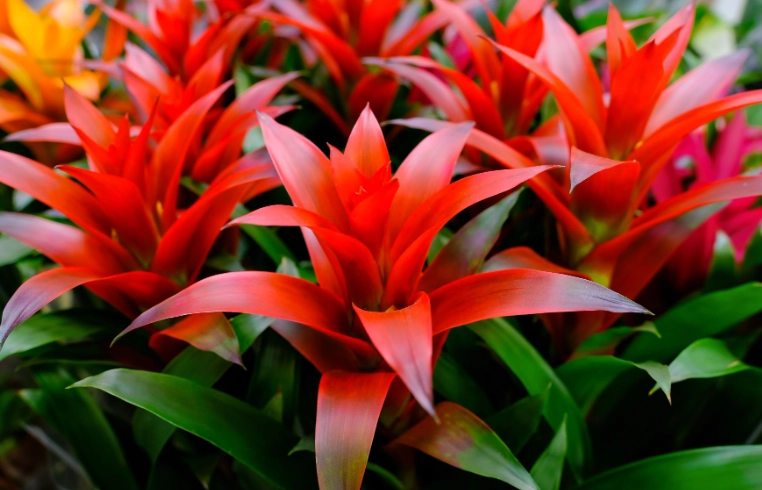
If that sounds familiar, you're in the right place. I've been there too. My first bromeliad was a gorgeous Vriesea, and I was heartbroken when its flower faded. I thought I'd failed. Turns out, I just didn't understand how these fascinating plants work. That's what this guide is for – to cut through the confusion and give you the real, practical info you need to not only enjoy that spectacular bloom but also keep the plant going for years. Forget the overly technical jargon. Let's talk about bromeliad flowers like the living, sometimes quirky, home decor they are.
What Exactly Is a Bromeliad Flower (And the Plant Around It)?
First things first, let's clear something up. When you buy a bromeliad in bloom, you're usually buying a mature plant that has decided it's time to put on its final, glorious show. The bromeliad family is huge – think pineapples, Spanish moss, and those colorful tank bromeliads we love as houseplants. They're mostly epiphytes in the wild, meaning they grow on trees and rocks, not in soil. They're not parasites; they just use other plants as a perch.
The structure we often call the "flower" is actually an inflorescence – a cluster of tiny, often insignificant true flowers surrounded by brightly colored leaves called bracts. These bracts are the real showstoppers. They can last for an astonishing 3 to 6 months, sometimes even longer. The actual flowers hidden within might only last a few days or weeks. So when you're admiring that brilliant pink or orange display, you're mostly admiring modified leaves. Pretty clever, right?
Nature's ultimate bait-and-switch, and we all fall for it happily.
This growth habit leads to their unique life cycle, which is the single most important thing to understand about caring for a bromeliad flower and its plant.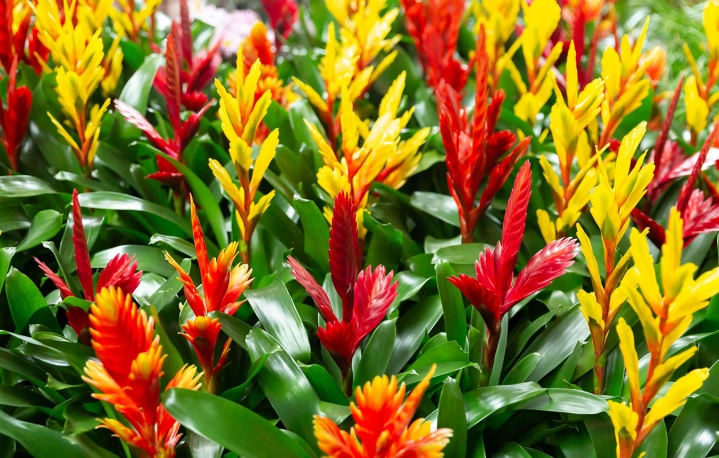
The One Big Secret: The Bromeliad Life Cycle (It's Not a Death Sentence)
This is the part that trips everyone up, so listen close. Most common bromeliads are monocarpic. That's a fancy word for a simple, if slightly brutal, fact: the parent plant flowers once, and then it gradually dies. It's not you. It's not your tap water. It's biology.
Here’s how it plays out:
- The Bloom Phase: This is where you start. The mature plant sends up that incredible inflorescence. It spends months looking perfect.
- The Slow Decline: After the bracts and flowers finally fade, the mother plant's work is done. It will slowly, over the next year or so, start to look less vibrant. The leaves might lose their luster, and the center may rot. This is the plant redirecting all its energy.
- The Pup Phase: And here's the magic. Before or after flowering, the mother plant starts producing offsets, called "pups." These are baby plants that grow from the base. The mother is essentially passing the torch.
- The Legacy: Your job is to care for the mother plant until the pups are big enough to survive on their own, then separate and pot them. They will grow, mature, and eventually produce their own spectacular bromeliad flower, continuing the cycle.
The Takeaway: A fading bromeliad flower isn't a failure; it's the start of a new chapter. Your plant isn't dying in vain—it's creating its heirs. The goal shifts from preserving the bloom to nurturing the next generation.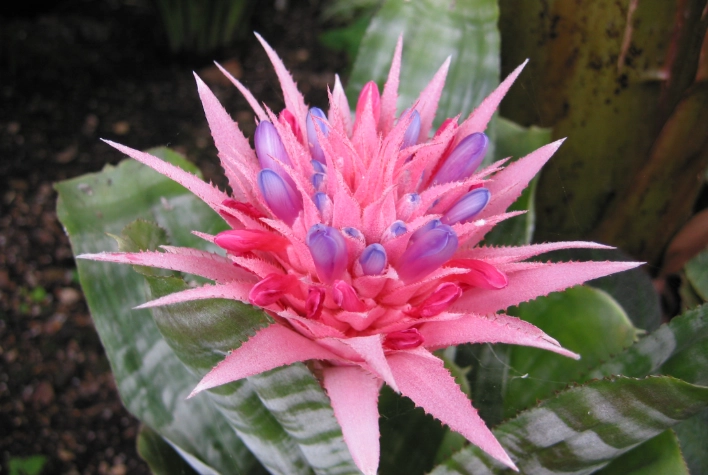
How to Keep Your Bromeliad Flower & Plant Happy: A No-Stress Care Guide
While the mother plant is on a one-way journey after flowering, you want to keep it healthy long enough to support strong pups. And if you've just bought one in bloom, you want that flower to last as long as humanly possible. Here's how, broken down into simple parts.
Light: The Goldilocks Principle
Getting the light right is 80% of the battle. Too much direct sun, especially hot afternoon sun, will scorch the leaves, leaving ugly brown patches. The colors in the bracts can also bleach out. Too little light, and the plant becomes leggy, the colors dull, and it will never produce pups or have the energy to bloom again in its offspring.
Bright, indirect light is the sweet spot. An east-facing window is often perfect. A south or west window is okay if you filter the light with a sheer curtain. North light might be too dim for most. See how the leaves look? Deep green and stretching usually means it wants more light. Yellowish or bleached means it's getting too much.
Watering: Forget Everything You Know About Houseplants
This is where bromeliads get funky. For tank bromeliads (the ones with a central cup or vase), you mostly water the plant in the cup, not the soil. Let that sink in. The central reservoir should hold about an inch of water. I use filtered or rainwater to avoid mineral buildup, but tap water that's sat out for a day is usually fine.
Just don't let the cup stay bone dry for weeks. That's a surefire way to stress it.
Every month or so, flush out the old water from the cup to prevent stagnation and mosquito larvae (yes, it happens). Refill with fresh. The soil (which is really just an anchor) should be kept slightly damp but never soggy. Overwatering the soil is the fastest way to rot the roots. For air plants (Tillandsias) in the bromeliad family, they get their water from thorough soaking or misting.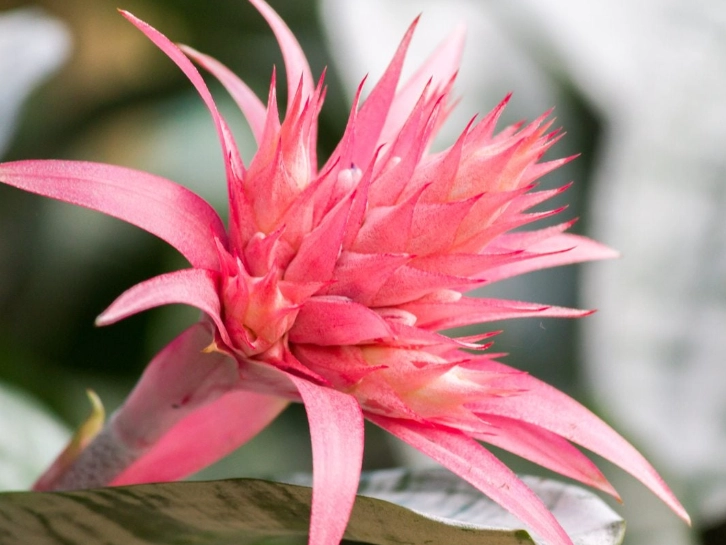
Pro Tip: In winter or cooler months, reduce the frequency of filling the cup to prevent the central core from rotting in the cold, damp conditions.
Temperature & Humidity: Think Tropical, Not Desert
They like it warm. Average home temperatures between 60°F (15°C) and 80°F (27°C) are great. Avoid drafts, air conditioning vents, and cold windowsills. They can tolerate average household humidity, but they truly thrive with more. Browning leaf tips are a classic sign of air that's too dry. Grouping plants together, using a pebble tray, or a occasional light misting can help. A bathroom with a window can be a bromeliad paradise.
Feeding: Less is More
They are not heavy feeders. In fact, over-fertilizing can harm them or cause the flower to fade faster. If you want to feed, use a very diluted, balanced liquid fertilizer (like a 1/4 strength 10-10-10) and apply it to the cup or spray it on the leaves (foliar feeding) once a month during spring and summer. Skip it in fall and winter. Honestly, I often skip fertilizer altogether for the mother plant and focus on feeding the pups once they're established.
The Big Question: How Do I Get My Bromeliad to Flower Again?
You've nurtured the pups, they've grown into sizable plants, but they just sit there, stubbornly green. How do you trigger that magnificent bromeliad flower? Maturity is key – a pup usually needs to be at least a year old, often more.
In nature, a slow-building stress trigger often initiates flowering. We can mimic this with the "apple method" or using ethylene gas. It sounds weird, but it works.
- Place the mature, non-flowering bromeliad plant (in its pot) inside a clear plastic bag.
- Add a ripe apple (or a couple of banana peels) into the bag with it. As the fruit decomposes, it releases ethylene gas.
- Seal the bag loosely and place the plant in its normal bright, indirect light spot for 7-10 days.
- Remove the plant from the bag and dispose of the fruit. Care for it as normal.
Within 6 weeks to 3 months, you should see a flower spike beginning to form in the center. It doesn't work 100% of the time, but it's a fun, low-cost experiment. The science behind it is solid – commercial growers often use regulated ethylene gas to force blooms. The Missouri Botanical Garden notes ethylene's role in plant maturation and flowering processes.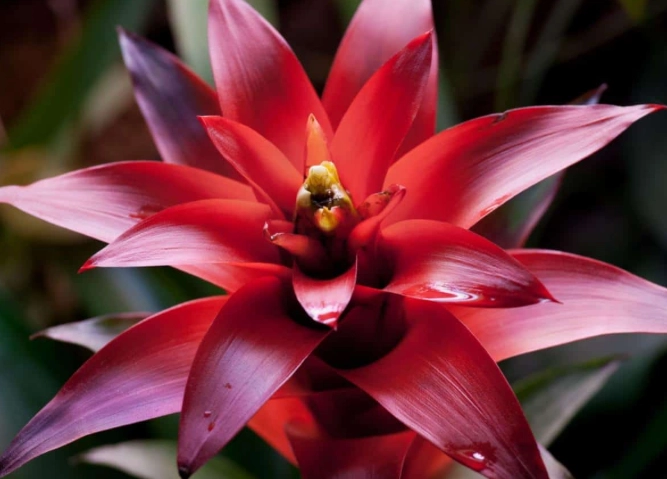
Patience Warning: Don't try this on a young pup. It needs to be near mature size first, or you'll just stress a baby plant. Also, ensure the plant is otherwise healthy and pest-free before attempting this.
What To Do When the Bromeliad Flower Dies (Step-by-Step)
The bracts have gone brown and crispy. Now what? Don't reach for the trash can.
- Cut the Flower Spike: Using clean, sharp scissors or pruners, cut the spent flower stalk down as close to the base as possible. This cleans up the plant and prevents it from wasting energy on a dead structure.
- Shift Your Focus to the Pups: Look for small plantlets growing from the base of the mother plant. They might already be there or may appear in the coming months.
- Care for the Mother & Pups: Continue your normal care routine—watering the cup, providing good light. The mother will start to look rough, but keep her going. She is nourishing the pups.
- Separate the Pups (When Ready): Wait until a pup is about one-third to one-half the size of the mother plant and has developed its own root system. Gently remove the entire plant from its pot. Use a sterile knife to separate the pup, trying to get some roots with it. If it doesn't want to come cleanly, a sharp twist sometimes works.
- Pot the Pup: Plant it in a small pot with a very fast-draining mix. A good homemade blend is 1/2 orchid bark (or coconut chips), 1/4 perlite, and 1/4 potting soil. Water the soil lightly and keep the pup's small central cup moist. Provide bright, indirect light.
- Compost the Mother: Once all viable pups are removed, you can finally say goodbye to the original plant. It's done its job beautifully.
Popular Bromeliad Types & Their Flower Styles
Not all bromeliad flowers are created equal. Here’s a quick rundown of the most common genera you'll find, so you know what you're working with.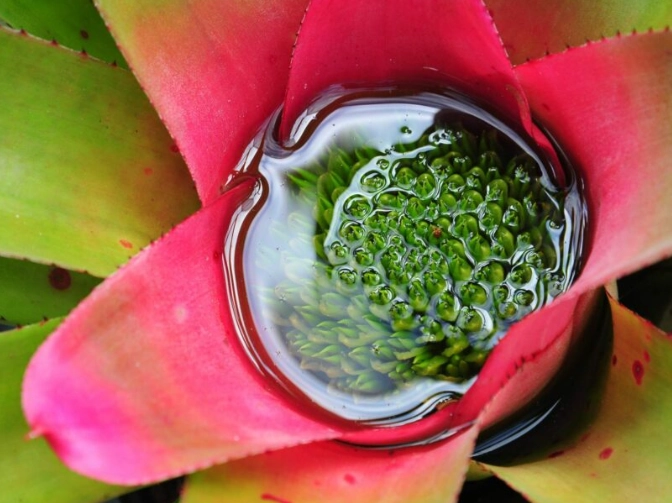
| Genus | What the "Flower" Looks Like | Key Care Note | My Personal Take |
|---|---|---|---|
| Guzmania | Broad, flat, brightly colored bracts (red, orange, yellow, purple) in a star-like formation. Very common. | Loves higher humidity. The central cup is crucial. | The classic "grocery store" bromeliad. Reliable bloomer, but the mother plant decline can be rapid. |
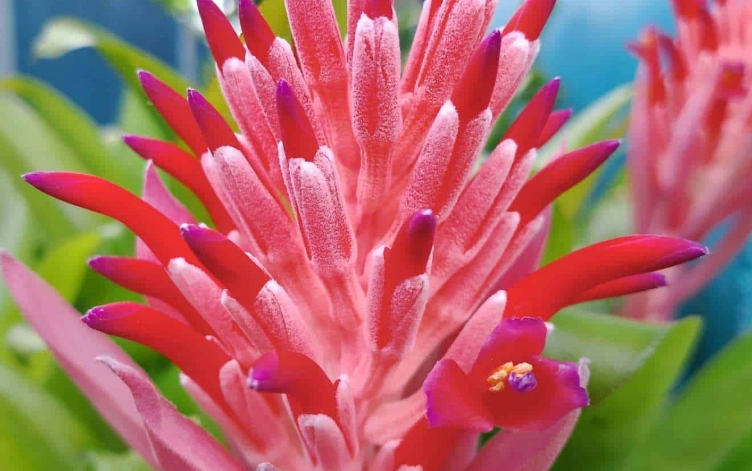
| Aechmea | Pink, spiky, cone-shaped inflorescence that looks almost alien. Leaves often have silvery bands. | Very tough. Tolerates slightly drier air than others. | My favorite. The bloom lasts forever, and the pups are prolific. The Aechmea fasciata (Urn Plant) is a tank. |
| Vriesea | Flat, sword-like flower spike (often red or yellow) that can be brilliantly patterned. Leaves are often striped. | Needs consistent warmth and no cold drafts. | Stunning but can be a bit fussier about temperature swings. The flower spike is unreal. |
| Neoregelia | The "flower" is less showy, nestled in the center. The real show is the center leaves turning vibrant red, pink, or purple. | Often grown more for foliage. Keep the central vase filled. | Great long-term plant as the color lasts for ages. More of a foliage plant with a colorful surprise. |
| Tillandsia (Air Plants) | Many produce stunning, often brightly colored blooms from their center. Some, like Tillandsia ionantha, blush red before flowering. | No soil needed! Soak or mist regularly. Need excellent air circulation. | Incredibly versatile. The blooms can be delicate and exquisite, but they follow the same monocarpic rule. |
Common Bromeliad Problems (And Simple Fixes)
Even with the best care, things can go a little sideways. Here's a quick diagnostic list.
- Brown Leaf Tips: Usually low humidity or minerals in your water. Use filtered/rainwater if possible, and increase humidity.
- Soft, Mushy Base: Root or stem rot from overwatering the soil. Often fatal. Cut away any rot, let it dry, and repot in drier mix if there's any healthy tissue left. Prevention is key here.
- Brown/White Crusty Deposits on Leaves: Mineral buildup from hard water. Wipe leaves gently with a damp cloth. Start using softer water in the cup.
- Plant is Loose in Pot/Not Upright: The roots may have rotted away, or it's just top-heavy. Stake it gently or repot, ensuring the base is firm in the mix.
- No Pups Appearing: The plant might not be getting enough light to generate the energy. Move it to a brighter spot (indirect light). Also, ensure you're still watering the mother's cup.
- Pests (Mealybugs, Scale): Look for cottony masses (mealybugs) or small brown bumps (scale) on leaves. Wipe off with a cotton swab dipped in rubbing alcohol. For bigger infestations, use insecticidal soap. Good air circulation helps prevent them.
Answering Your Bromeliad Flower Questions
Let's tackle some of the specific things people type into Google when they're worried about their plant.
Let's tackle some of the specific things people type into Google when they're worried about their plant.
Final Thoughts: Embracing the Cycle
Growing bromeliads teaches you a different kind of plant parenting. It's less about keeping one static object alive forever and more about guiding a generations-long process. The fleeting beauty of the bromeliad flower is the grand finale of one plant's life, but it's also the starting gun for the next.
Don't get sad when the color fades. Get excited. Look for those pups. Plan your pots. In a year or two, you'll have the satisfaction of seeing a bromeliad flower that you grew from a baby, all the way to its spectacular bloom. That's a reward worth the wait.
Start by enjoying your current bloom for as long as it lasts. Then, roll up your sleeves for the propagation project. You've got this.