What You'll Find Here
Let's talk about the Calandiva. You've probably seen it—those lush, rose-like clusters of double flowers sitting proudly in the garden center, looking almost too perfect to be real. I bought my first one on a whim, a deep pink number, thinking it would be a temporary splash of color. That was three years ago, and it's still going strong, reblooming with a stubbornness I've come to adore.
But here's the thing. A lot of people treat Calandivas as disposable, like a living bouquet. They bring it home, enjoy the blooms, and then watch it slowly fade away. They think it's too fussy or that getting it to flower again is some kind of botanical magic trick. I'm here to tell you that's nonsense. With a handful of simple shifts in how you care for it, a Calandiva can be a long-term, rewarding companion. It's not a diva, despite the fancy name and fancy flowers. It's a tough little plant that just wants you to understand its language.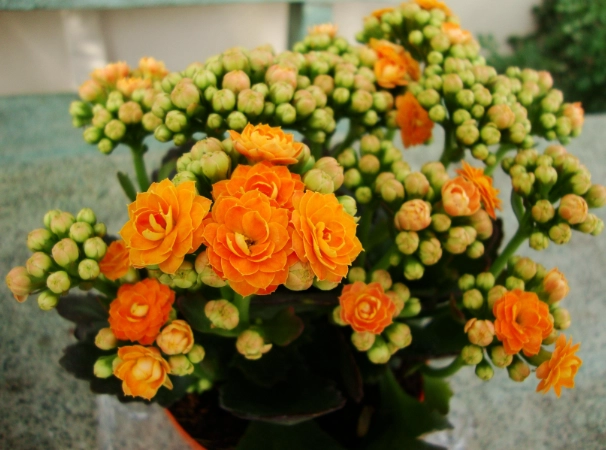
This guide is everything I wish I'd known when I started. We're going to move past the basic "water it sometimes" advice and get into the real, practical details that make the difference between a plant that survives and one that truly thrives.
What Exactly Is a Calandiva Plant?
First, let's clear up the identity. A Calandiva is not a separate species. It's a cultivated variety, or cultivar, of the familiar Kalanchoe blossfeldiana. You know, the common flowering Kalanchoe with the single-petaled flowers? Plant breeders worked on that, selecting for plants that produced many, many more petals per flower. The result is the Calandiva, which looks like a miniature rose bush or a double begonia.
The official name is often written as Kalanchoe blossfeldiana 'Calandiva'. It was introduced in the early 2000s and quickly became a hit for its long-lasting, showy blooms and improved branching habit. The "double" in double Kalanchoe refers to the flower structure—instead of four petals, you get dozens, layered tightly together.
Here’s a quick breakdown of how a standard Kalanchoe and a Calandiva stack up:
| Feature | Standard Kalanchoe (Blossfeldiana) | Calandiva |
|---|---|---|
| Flowers | Single layer, 4 petals. Simpler, star-shaped. | Double to fully double, 30+ petals. Rose-like, pom-pom shape. |
| Bloom Duration | 6-8 weeks typically. | Can last 8-12 weeks or even longer under ideal conditions. |
| Plant Habit | Can get leggy. Often single-stemmed. | Naturally bushier and more compact. Branches more readily. |
| Color Range | Reds, pinks, oranges, yellows, whites. | Same spectrum, plus some bicolors. The double form makes colors appear richer. |
| Care Requirements | Very similar. Both are succulents with the same core needs. | Identical. No extra fuss is needed for the fancy flowers. |
See? The core plant is the same. That's good news because it means caring for a Calandiva is based on solid, simple succulent principles. The fancy flowers are just a bonus.
The Ultimate Calandiva Care Guide (No Fluff, Just Facts)
Okay, let's get our hands dirty. This is the meat of it. If you want your Calandiva to be more than a one-hit-wonder, these are the factors you need to manage. I've killed a plant or two by ignoring these, so learn from my mistakes.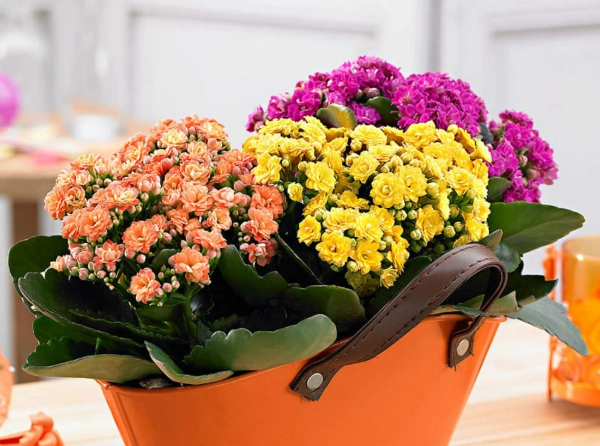
Light & Location: The Non-Negotiable for Blooms
This is the biggest make-or-break factor, especially for reblooming. Calandivas are photoperiodic. That's a fancy word meaning they use day length as a cue to start making flower buds. They need a period of long nights (short days) to trigger blooming.
For Growing & Foliage Health: Bright, indirect light is perfect. An east-facing window is ideal. A south or west window is great too, but you might need to pull it back a foot or two from the hot glass in summer to prevent leaf scorch. The leaves should be a deep, healthy green. If they start stretching out and the spaces between leaves get long (this is called etiolation), it's screaming for more light.
For Getting It to Bloom Again (The Secret Sauce): Here's the trick. In the fall, as natural daylight shortens, your Calandiva might start budding on its own. But if it's sitting in a room where you turn on lamps in the evening, you're confusing it. It needs uninterrupted darkness for about 14 hours a day for 6-8 weeks to set buds. You can simulate this starting in early October. Put it in a closet every day at 6 PM and take it out at 8 AM. Or use a box. It sounds silly, but it works. No peeking light under the door.
Watering & Humidity: The Delicate Balance
Overwatering is the #1 killer of Calandivas (and most succulents). Those thick leaves store water. They are built for drought.
The Golden Rule: Soak it thoroughly, then let it dry out almost completely. I mean, stick your finger in the soil up to the first knuckle. If it feels dry, wait another day or two. Then water. In the winter, when growth is slow, you might only need to water every 3-4 weeks. In the summer, maybe every 10-14 days. It depends on your home's heat and light.
Always use a pot with a drainage hole. Never let it sit in a saucer of water. Root rot sets in fast and quietly.
As for humidity, average home humidity is fine. They don't need misting—in fact, wet leaves can encourage fungal disease. Just keep it away from hot, dry air vents in winter.
Soil & Fertilizer: Keeping It Simple
This is easy. Use a fast-draining cactus or succulent potting mix. You can make your own by mixing regular potting soil with 50% perlite or coarse sand. The goal is to have a mix that water runs through quickly, not one that holds moisture like a sponge.
Fertilizer is for the growing season (spring and summer). Use a balanced, water-soluble fertilizer (like a 10-10-10 or 20-20-20) diluted to half strength. Feed it once a month. Stop fertilizing in late summer/fall. You don't want to encourage soft, leafy growth when you're trying to trigger flowers. And never fertilize a plant that is stressed (bone dry or soaking wet).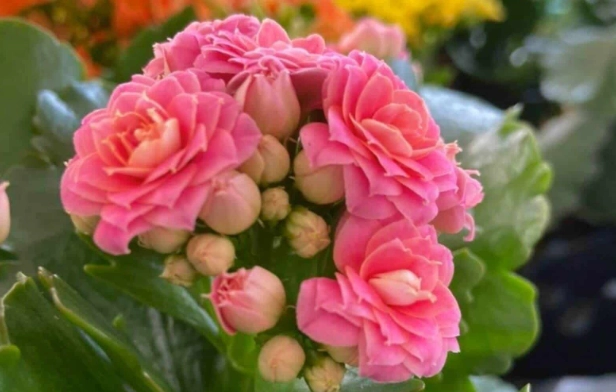
Temperature & Airflow
Calandiva likes comfortable room temperatures, between 60-85°F (15-29°C). It's not frost-hardy at all. Keep it away from cold drafts in winter (next to a leaky window) and blasts of hot air from heaters.
Good air circulation helps prevent pests and disease. Don't cram it in a corner with a bunch of other plants where air can't move.
Pruning & Grooming for a Bushier Plant
After the main bloom fades, this is your chance to shape the plant. Don't just deadhead the old flowers. Use clean scissors or pinch with your fingers to cut back the entire flower stem, and also trim back any leggy stems by a third or half. Make your cut just above a set of leaves.
This pruning does two things: it removes the spent energy-sucker (the old flower stalk) and it encourages the plant to branch out from lower down, creating a fuller, more compact shape. You can do light pruning anytime, but the big post-bloom haircut is the most important.
Solving Common Calandiva Problems (Before They Solve You)
Even with the best care, things can go sideways. Here’s a quick diagnostic clinic based on what I've seen in my own collection and from helping others.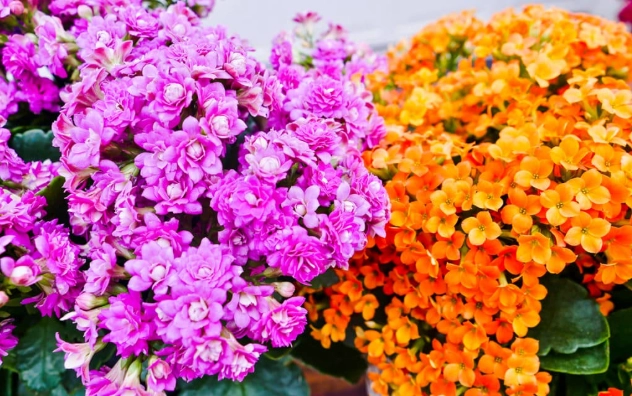
A Quick Tour of Some Stunning Calandiva Varieties
Part of the fun is choosing your color. While care is identical, the visual impact is totally different. Here are a few you might hunt for: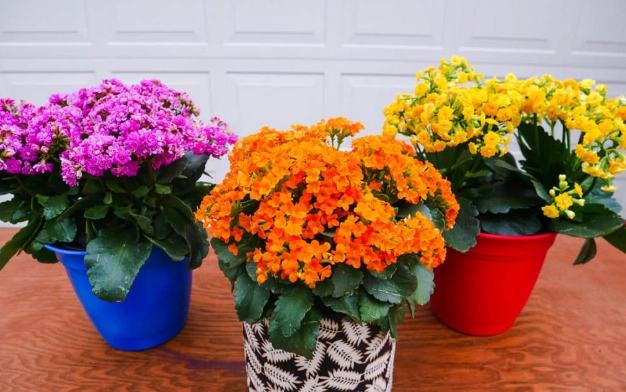
- Calandiva 'Pink' / 'Rose': The classic. A vibrant, cheerful pink that's hard to miss. This is the one I see most often.
- Calandiva 'White': Elegant and clean. The double flowers look like tiny gardenias or camellias. It brightens up a dark corner beautifully.
- Calandiva 'Orange': A fiery, warm color that brings serious energy to a room. It's less common than pink or red but worth searching for.
- Calandiva 'Red': A deep, velvety red. Very rich and dramatic, especially around the holidays.
- Calandiva 'Lemon' / 'Yellow': A soft, buttery yellow. It's sunny and gentle, a great alternative if you find the brighter colors too intense.
- Calandiva 'Bicolor': Sometimes you'll find varieties with petals edged in a different color. They're real show-stoppers.
Honestly, you can't go wrong. Pick the color that makes you smile. The care is the same whether it's white or fuchsia.
So, there you have it. The whole story on the Calandiva plant. It's not a mysterious, fragile thing. It's a resilient succulent that happens to wear an incredible floral display. Respect its need for bright light, be stingy with the watering can, and give it the dark nights it craves to rebloom, and it will reward you for years. It's one of those plants that proves a little knowledge goes a very, very long way. Now go find one—or finally pay attention to the one you've had sitting quietly in the corner. It's ready for its comeback.

Comments