What You'll Find in This Guide
So, you've got a pothos plant, or maybe you're thinking of getting one. They're everywhere for a reason—they're tough, beautiful, and surprisingly forgiving. But even tough plants have their quirks. I've killed my fair share of pothos in the past by overwatering. It's a common rookie mistake, and it taught me that these vines need more than just occasional attention. Let's dive into what makes pothos tick, from basic care to those little secrets that turn a struggling plant into a lush cascade of green.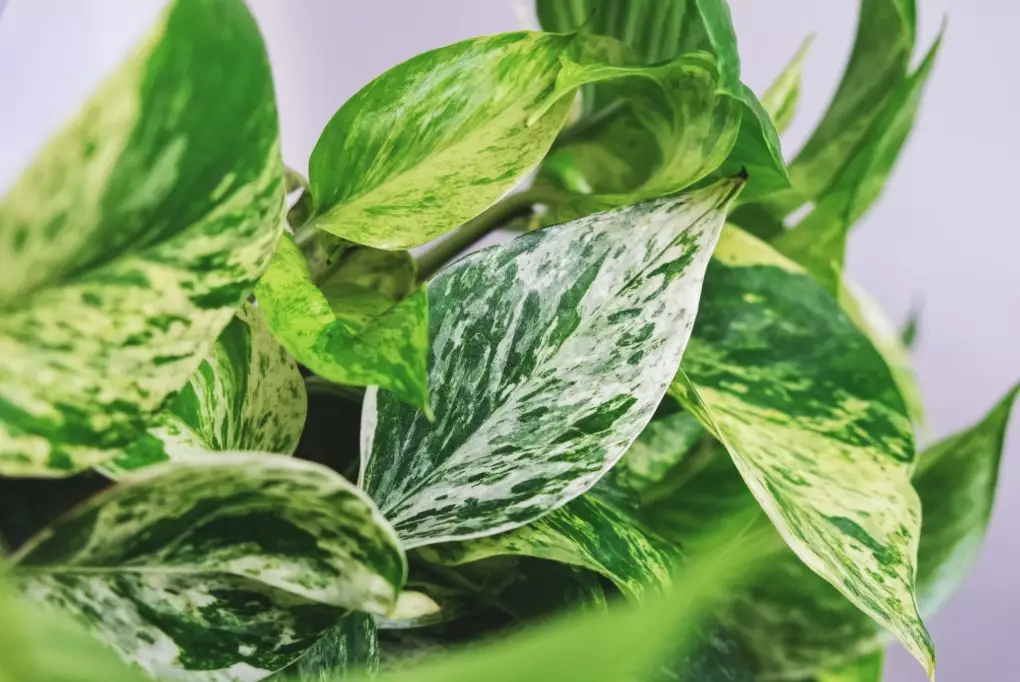
Why Pothos Plants Are a Beginner's Best Friend
Pothos, scientifically known as Epipremnum aureum, is often called devil's ivy because it's almost impossible to kill. That's not entirely true—I've managed to drown a few. But its resilience comes from its adaptability. Originally from French Polynesia, this plant has evolved to thrive in varied light conditions, from bright indirect light to dim corners. NASA's Clean Air Study highlighted pothos as an air-purifying champion, removing toxins like formaldehyde and benzene. That's a big deal if you're stuck in a city apartment with poor ventilation.
What most guides don't tell you? Pothos can grow vines up to 10 feet indoors if you let it. I once neglected one in a bathroom for months, and it still sprouted new leaves. The key is understanding its growth cycle: it slows down in winter but bounces back in spring with proper care.
How to Care for Your Pothos Plant: A Step-by-Step Guide
Caring for pothos isn't rocket science, but getting the details right makes all the difference. Here's a breakdown based on my years of trial and error.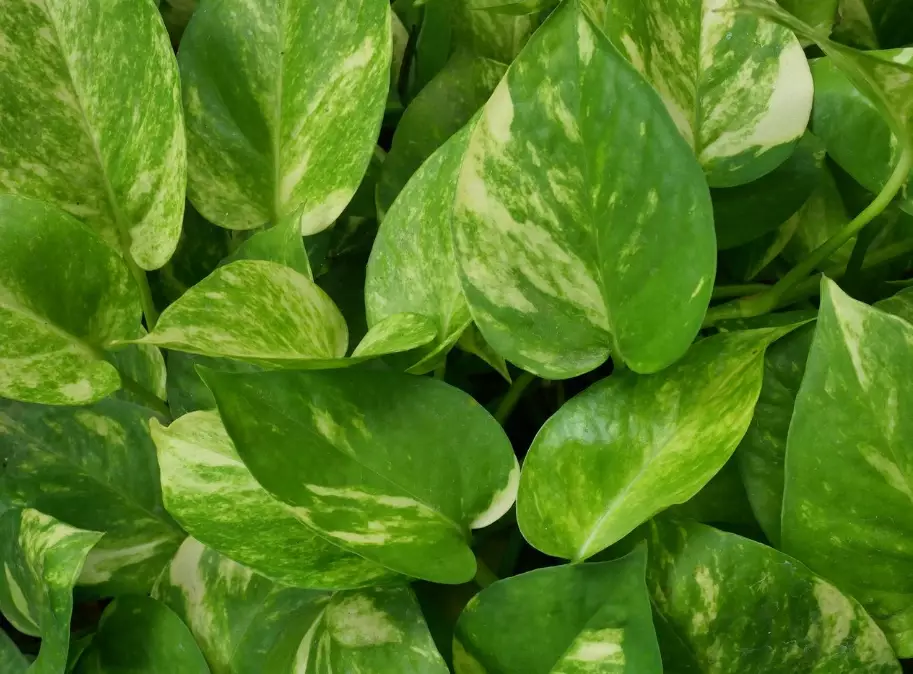
Watering: The Most Common Mistake
Water your pothos only when the top 1-2 inches of soil feel dry. Stick your finger in—if it's damp, wait. In my experience, overwatering leads to root rot faster than anything else. During summer, this might mean watering every week; in winter, stretch it to every two weeks. Use room-temperature water to avoid shocking the roots. If your tap water is hard, switch to filtered water to prevent leaf tip burn.
Light Requirements: From Low to Bright
Pothos tolerates low light, but variegated varieties like 'Marble Queen' need more light to maintain their patterns. Place it near an east-facing window for indirect light. Avoid direct afternoon sun, which can scorch leaves. In low-light areas, growth slows, but the plant survives. I've kept one in a north-facing room with a grow light, and it did fine—just don't expect rapid vine growth.
Soil and Potting Mix
Use a well-draining potting mix. I mix standard potting soil with perlite or orchid bark for extra aeration. Repot every 1-2 years in spring if roots circle the pot. A common oversight? Choosing a pot without drainage holes. Always opt for one with holes to prevent waterlogging.
Fertilizing for Growth
Fertilize monthly during the growing season (spring to fall) with a balanced liquid fertilizer diluted to half strength. In winter, skip it. Over-fertilizing causes salt buildup—I learned this the hard way when leaves turned brown. Flush the soil with water every few months to prevent this.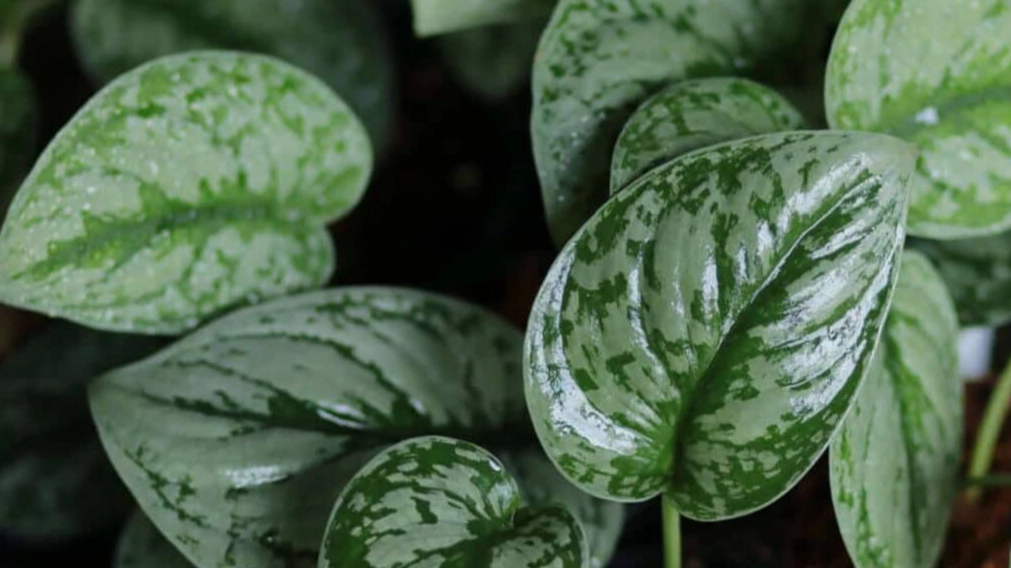
Pro tip: Rotate your pothos every few weeks to ensure even growth. Vines tend to lean toward light, and rotation keeps them balanced without needing stakes.
Propagating Pothos: Easy Methods for New Plants
Propagation is where pothos shines. You can create new plants from cuttings in weeks. Here's my go-to method, refined after many experiments.
Take a stem cutting with at least 2-3 nodes (those little bumps where leaves emerge). Remove the bottom leaves, and place the cutting in a jar of water. Change the water weekly, but I often just top it off to avoid disturbing the roots. Roots should appear in 1-2 weeks. Once they're about 2 inches long, transplant to soil. For faster rooting, dip the cut end in rooting hormone—it's not necessary, but it helps in cooler climates.
Another method is soil propagation: plant the cutting directly in moist soil and cover with a plastic bag to retain humidity. This works well if you're patient. I've had a 90% success rate with water propagation, though.
Why propagate? It's a cheap way to fill your home with greenery or share with friends. Plus, it rejuvenates an old, leggy plant by encouraging new growth from the base.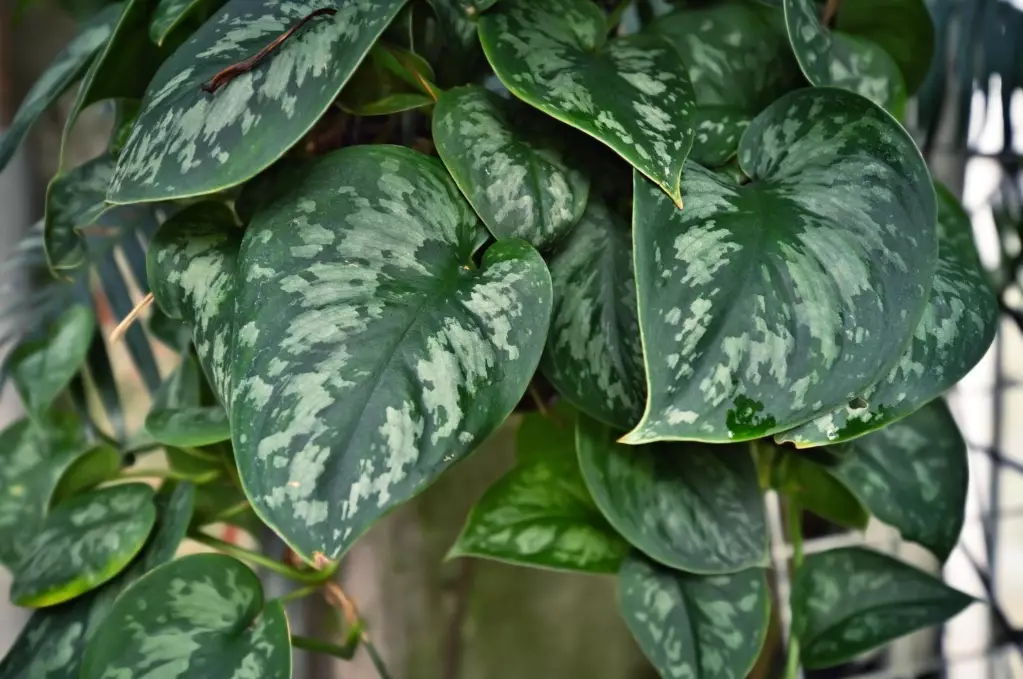
Popular Pothos Varieties and Their Unique Traits
Not all pothos are created equal. Different varieties offer unique leaf patterns and growth habits. Here's a quick comparison based on my collection.
| Variety | Leaf Color | Light Needs | Growth Speed |
|---|---|---|---|
| Golden Pothos | Green with yellow streaks | Low to medium | Fast |
| Marble Queen | White and green marbled | Medium to bright | Moderate |
| Neon Pothos | Bright lime green | Medium | Fast |
| Jade Pothos | Solid dark green | Low | Slow |
| Manjula Pothos | Variegated with cream edges | Medium | Moderate |
Golden Pothos is the classic—it's everywhere for its ease of care. Marble Queen needs more light to keep its variegation; I've seen it revert to solid green in dim spots. Neon Pothos adds a pop of color but can fade if overexposed to sun. Jade Pothos is my pick for low-light areas; it grows slowly but steadily. Manjula is a newer hybrid with unique patterns, but it's pricier and sometimes fussy about humidity.
When choosing, consider your space. For a dark office, go with Jade. For a bright living room, Marble Queen shines.
Common Pothos Problems and How to Fix Them
Even with care, issues pop up. Here are the big ones I've dealt with.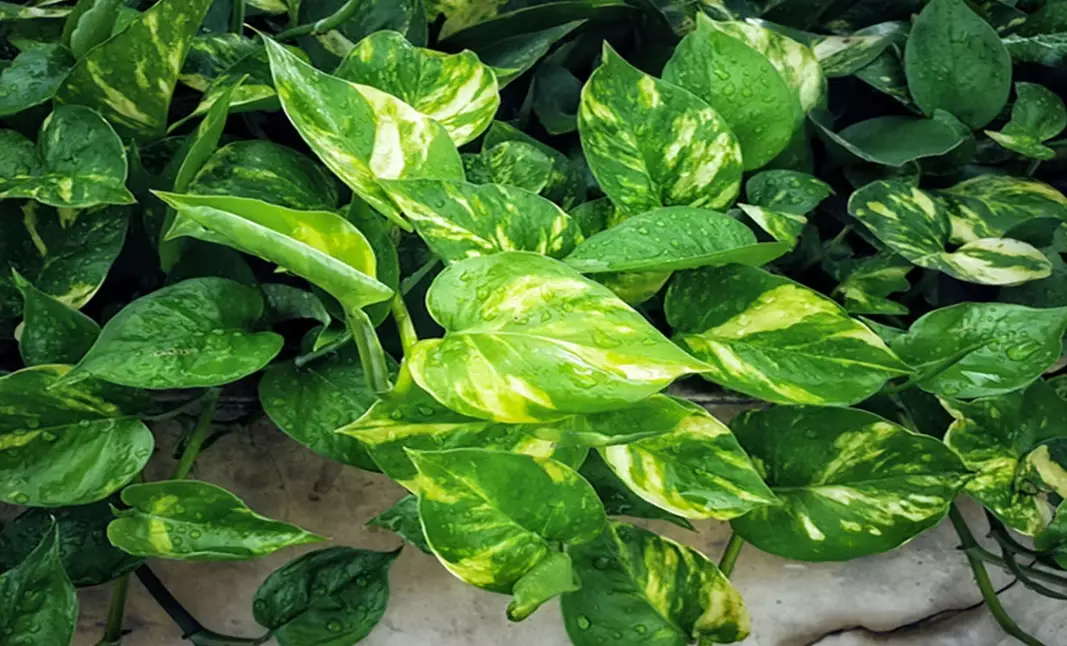
Yellow leaves: Usually from overwatering. Check the soil—if it's soggy, let it dry out completely. Trim affected leaves to redirect energy. If the problem persists, repot with fresh soil.
Brown leaf tips: Often due to low humidity or fluoride in water. Mist the leaves weekly or use a humidifier. Switch to distilled or filtered water.
Leggy growth: This happens in low light. Move the plant to a brighter spot or prune back long vines to encourage bushier growth. I prune mine every spring to keep it full.
Pests: Spider mites and mealybugs can attack, especially in dry conditions. Wipe leaves with a damp cloth or use insecticidal soap. Isolate the plant to prevent spread.
Most problems stem from environmental stress. Pothos is resilient, so adjustments often bring it back. I once revived a near-dead plant by simply moving it away from a drafty window.
Frequently Asked Questions (FAQ)
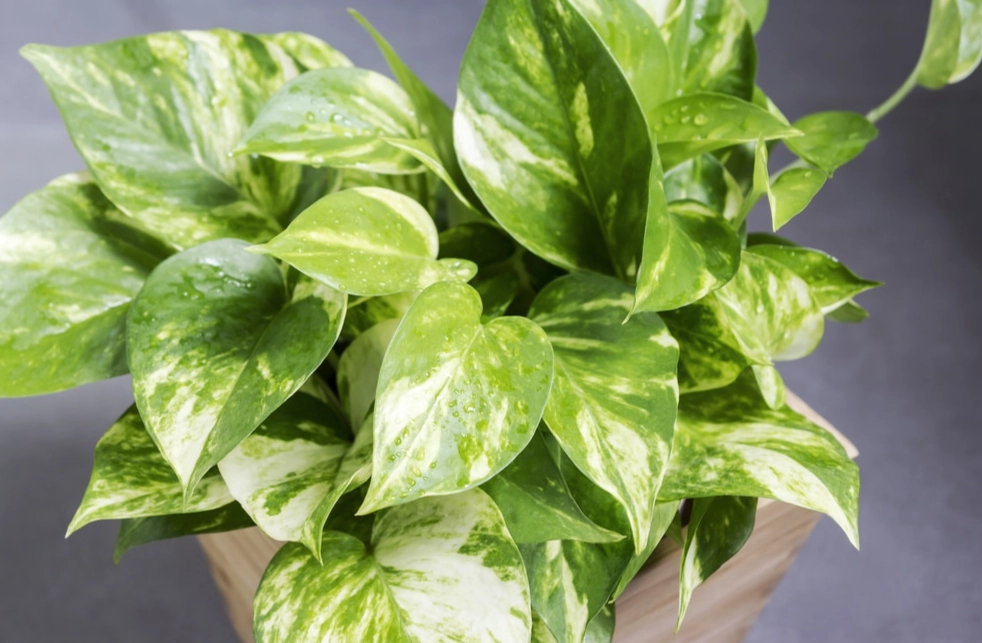 Pothos plants are more than just decor; they're living companions that adapt to your lifestyle. Start with a Golden Pothos if you're new, and experiment from there. Remember, the best care comes from observation—watch how your plant responds and tweak as needed. Happy growing!

Comments