In This Guide
- The Core of Neon Pothos Care: Light, Water, and the Stuff in Between
- Common Problems (And How to Actually Fix Them)
- Making More Neon Pothos: Propagation is Ridiculously Easy
- Styling and Design: How to Show Off Your Glowing Vine
- Neon Pothos vs. The World: How It Stacks Up
- The Bottom Line: Is the Neon Pothos Plant Right for You?
Let's be honest. We've all killed a plant or two. Or maybe a dozen. You bring home this beautiful leafy thing full of hope, and a few months later it's a crispy, yellowing monument to your neglect. If that sounds familiar, then you need to meet the neon pothos plant. This isn't just another green vine. It's a shot of pure, liquid sunshine for your home, and it's practically begging for you to forget to water it.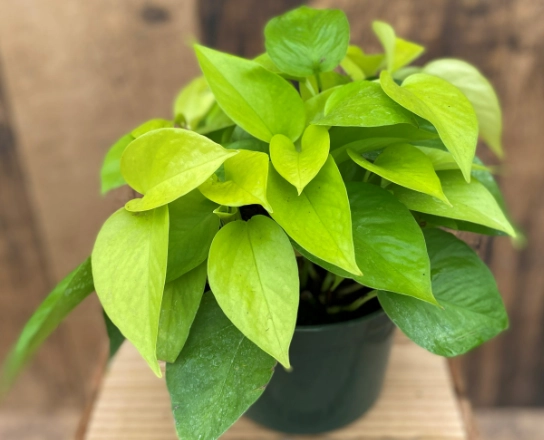
I remember my first one. It was a single, scraggly vine in a 4-inch pot from a grocery store clearance rack. I didn't have high hopes. But that little neon pothos plant? It didn't just survive. It exploded. Within a year, it was trailing six feet down my bookshelf, its heart-shaped leaves glowing like green fire against the dark wood. It thrived on my inconsistent care, my low-light apartment, and my general plant-parent anxiety. That's the magic of it.
So, why is everyone from black-thumbed beginners to seasoned collectors obsessed with this particular pothos neon plant? It's simple. It combines jaw-dropping visual appeal with a "set it and mostly forget it" care routine. In a world of finicky fiddle leaf figs and dramatic calatheas, the neon pothos is a chill, low-maintenance friend. This guide is going to walk you through absolutely everything—not just the basic care sheet you see everywhere, but the real nitty-gritty, the problems you'll actually face, and the secrets to making yours not just live, but truly shine.
The Core of Neon Pothos Care: Light, Water, and the Stuff in Between
Alright, let's get down to business. Keeping your neon pothos alive is easy. Getting it to look its best—that vibrant, electric color we all love—requires knowing a few key things. It's a forgiving plant, but it does have preferences.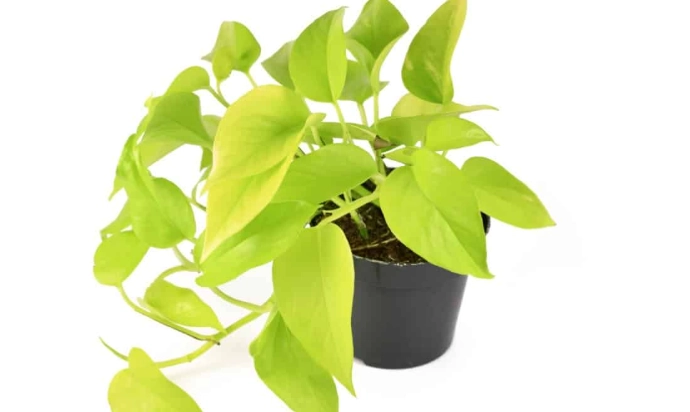
Light: Where the Magic (and Color) Happens
This is the single most important factor for your neon pothos plant. People will tell you it tolerates low light. And they're right, it won't die. But "tolerate" is the key word. In a dark corner, it will become... well, sad. The growth will slow to a crawl, the vines will get leggy (long stretches between leaves), and most crucially, that iconic neon color will fade to a washed-out, yellowish-green. It loses its pop.
What it really wants is bright, indirect light. Think near an east or north-facing window, or a few feet back from a south or west window where the harsh afternoon sun won't scorch its leaves. That direct sun will literally burn holes in the foliage—I learned that the hard way with a leaf that looked like it had been touched by a tiny magnifying glass-wielding ant.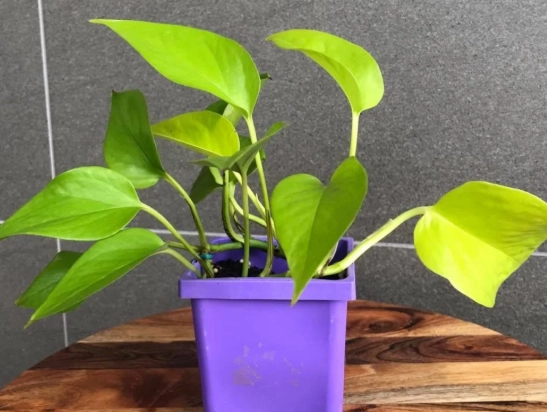
Here's a quick breakdown of what to expect in different light conditions:
| Light Condition | What Happens to Your Neon Pothos | Visual Cues |
|---|---|---|
| Bright, Indirect Light (Ideal) | Fast, compact growth. Leaves are large, closely spaced, and maintain the brightest chartreuse color. | The plant looks "happy" and vibrant. New leaves unfurl a slightly brighter shade. |
| Medium Indirect Light | Good, steady growth. Color is still lovely but may be a slightly deeper lime green. | Perfectly healthy, just a slightly more subdued version of its potential. |
| Low Light | Very slow growth. Vines become leggy. Color fades to a dull yellow-green. | Plant looks stretched out and pale. It's surviving, not thriving. |
| Direct Hot Sun | Leaf scorch. Brown, crispy patches or holes appear on the leaves. | Visible damage. The leaves look burnt and damaged. |
Watering: The Art of Neglect
Overwatering is the #1 killer of houseplants, and pothos are no exception. The neon pothos has semi-succulent qualities and would much rather be too dry than too wet. Its roots need to breathe.
Forget watering on a schedule ("Every Tuesday!"). Your plant doesn't know what day it is. The best method is the finger test. Stick your finger about 2 inches into the soil. Is it dry? Then water. Is it still damp? Walk away. Come back in a few days.
When you do water, do it thoroughly. Take the plant to the sink and water until you see a steady stream run out of the drainage holes. This ensures the entire root ball gets moisture. Let it drain completely before putting it back in its decorative pot. Never let it sit in a saucer of water—that's a one-way ticket to root rot city.
Soil and Food: Keeping it Simple
You don't need fancy soil. A standard, well-draining potting mix is perfect. Many people use a mix designed for aroids (the plant family pothos belongs to), or they add perlite or orchid bark to a regular mix to increase drainage. I've used plain old all-purpose potting soil for years with zero issues. The key is that it doesn't stay soggy.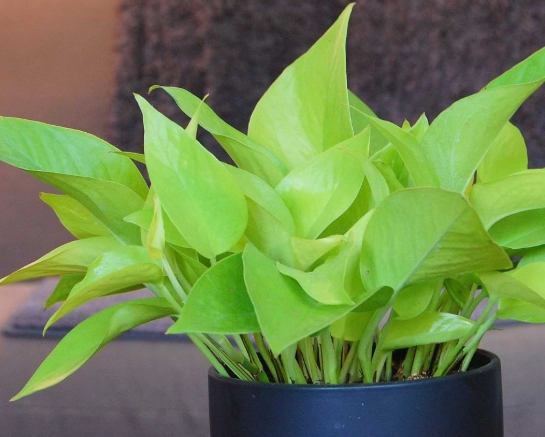
Fertilizer is like vitamins, not a main course. During the main growing season (spring and summer), you can feed your neon pothos plant a balanced liquid fertilizer (like a 10-10-10) diluted to half strength, once a month. In fall and winter, stop. The plant is resting. Over-fertilizing can burn the roots and cause leaf tip burn.
Temperature and Humidity: Room Temperature is Just Fine
Your neon pothos is happy with the same temperatures you are. Average household temps between 65-85°F (18-29°C) are ideal. Keep it away from cold drafts (like an AC vent in summer or a drafty window in winter) and hot radiators.
As for humidity, it's adaptable. Average home humidity (around 40-50%) is usually fine. If your air is very dry (common in winter with heating), you might see some brown leaf tips. You can mist it, but that's a temporary fix. A better solution is to group it with other plants, which creates a little microclimate, or use a humidifier. But honestly, it's rarely a deal-breaker for a pothos neon plant.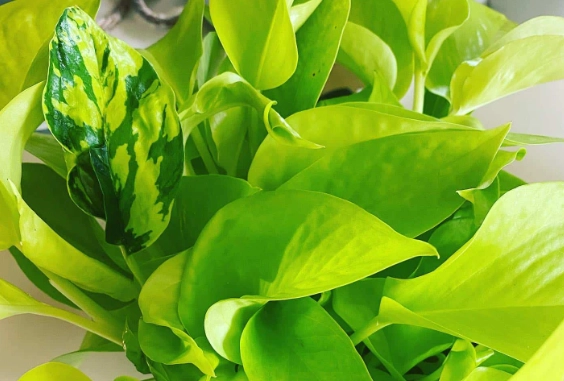
Common Problems (And How to Actually Fix Them)
Even the easy plants have their moments. Here’s a rundown of the issues you’re most likely to encounter with your neon pothos, straight from the trenches.
Why Are the Leaves Turning Yellow?
This is the big one. Don't panic. A single old leaf yellowing and falling off at the base is normal senescence—the plant is just shedding its oldest part. But if multiple leaves are yellowing, especially newer ones, you need to diagnose.
- Many yellow leaves, especially with black spots or mushy stems: Classic overwatering/root rot. Stop watering immediately. Check the roots. If they're brown and mushy, you need to cut away the rot and repot in fresh, dry soil. It might be salvageable!
- Yellow leaves with dry, brown edges: Could be underwatering, but also check for too much direct sun or very low humidity.
- Widespread yellowing: Could be a nutrient deficiency, but overwatering is a more common culprit.
Why is My Neon Pothos Losing its Neon Color?
If your vibrant chartreuse is turning a dull green, it's almost always a light issue. The plant is producing more chlorophyll to capture what little light it's getting, which drowns out the bright color. Move it to a brighter spot (indirect light!). Sometimes, if a plant is severely nutrient-deficient, it can also look pale, but light is suspect #1.
Leggy Vines and Slow Growth
This is the plant's way of saying, "I'm reaching for more light!" It's etiolation. More light will encourage the vines to put out leaves closer together, creating a fuller, bushier look. Don't be afraid to prune those leggy vines back—it encourages branching right from the base.
Pests: The Uninvited Guests
Neon pothos are fairly pest-resistant, but they can occasionally get mealybugs (look like tiny bits of white fluff) or spider mites (tiny dots, fine webbing, leaves look stippled). Isolation is key. Quarantine the affected plant. For mealybugs, dab them with a cotton swab dipped in rubbing alcohol. For spider mites, a good shower in the sink (covering the soil) can wash many away. For persistent issues, insecticidal soap or neem oil solutions are effective. Always test on a small area first. The Royal Horticultural Society has a great, reliable resource on managing common houseplant pests if you need to identify something specific.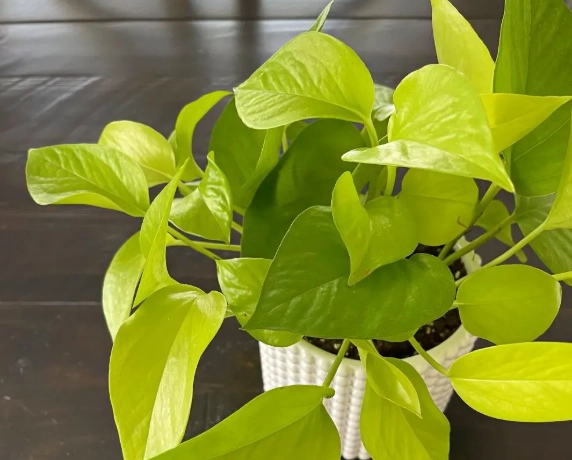
Making More Neon Pothos: Propagation is Ridiculously Easy
This is the fun part. Sharing plant cuttings is a love language. Propagating a neon pothos plant is so simple it feels like cheating. You have two main methods, and both work great.
Water Propagation (The Visual Method)
This is my preferred way because you get to watch the roots grow.
- Using clean scissors, cut a healthy vine. Make sure your cutting has at least 2-3 nodes (those little brown bumps on the stem where leaves and roots emerge).
- Remove any leaves that would be submerged under water.
- Place the cutting in a jar or glass of room-temperature water. Put it in a spot with bright, indirect light.
- Change the water every week or so to keep it fresh.
- In 2-6 weeks, you'll see white roots sprouting from the nodes. Once they're an inch or two long, you can pot it up in soil.
Soil Propagation (The Direct Method)
This skips the water step.
- Take your cutting with nodes, as above.
- Dip the cut end in rooting hormone (optional, but can speed things up).
- Plant the cutting directly into a small pot of moist, well-draining potting mix. Bury at least one node.
- Keep the soil lightly moist (not wet) and provide bright, indirect light. You can cover the pot with a plastic bag to create a mini greenhouse for humidity, but it's not strictly necessary for pothos.
- In a few weeks, give the cutting a gentle tug. If there's resistance, roots have formed!
You can also take a long vine and just coil it on top of the soil in the same pot, securing the nodes with a bent paperclip. Those nodes will root right into the soil, making the mother plant incredibly full and bushy. It's the best trick for fixing a leggy plant.
Styling and Design: How to Show Off Your Glowing Vine
A neon pothos isn't just a plant; it's a design element. That electric color pops against so many backgrounds.
- Trailing: The classic. Put it on a high shelf, in a hanging basket, or on top of a cabinet and let the vines cascade down. The contrast against a dark wall is stunning.
- Climbing: In nature, pothos are climbers. Give it a moss pole, a trellis, or even a piece of driftwood. The leaves will get larger and more dramatic as it climbs. The University of Florida's IFAS Extension notes that providing support can lead to more mature growth forms in Epipremnum aureum (source).
- Tabletop Bush: By regularly pinching back the tips and propagating cuttings back into the same pot, you can create a dense, mounding ball of neon foliage.
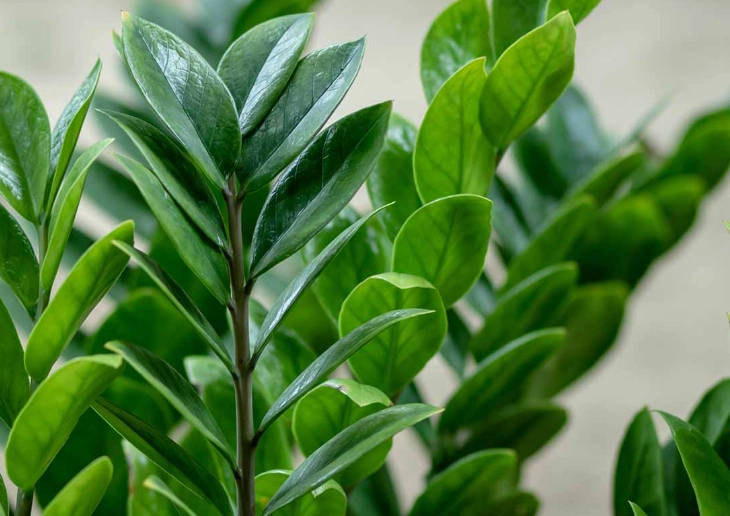
It plays well with others, too. Pair it with deep green plants like a ZZ plant or a rubber tree for an electric contrast. Or group it with other textured trailers like a String of Hearts for a lush, layered look.
Neon Pothos vs. The World: How It Stacks Up
How does the neon pothos plant compare to its famous pothos cousins? Let's break it down.
- Golden Pothos: The original. Has green leaves marbled with yellow/gold. Tolerates even lower light than neon. The neon is brighter and more uniform.
- Marble Queen Pothos: Striking white and green variegation. Grows slower than neon and needs brighter light to maintain its white markings.
- Jade Pothos: Solid, deep green. The most low-light tolerant, but also the most "basic" looking. Neon wins for visual punch.
- Cebu Blue Pothos: Has silvery-blue, elongated leaves. A different look entirely—more elegant and silvery versus the neon's playful, bright vibe.
For sheer ease combined with high visual impact, the neon pothos is hard to beat. It's faster-growing and more forgiving of imperfect light than the highly variegated types like Marble Queen.
The Bottom Line: Is the Neon Pothos Plant Right for You?
Let's be real. If you're looking for a plant that:
- Won't die if you go on a two-week vacation.
- Adds a massive pop of color without needing flowers.
- Is so easy to propagate you can gift it to all your friends.
- Thrives on benign neglect.
...then the answer is a resounding yes. It's the perfect gateway plant for beginners and a reliable, cheerful staple for experts. It cleans the air (a nice bonus noted in the famous NASA Clean Air Study, though the real-world impact in a home is debated), it's non-toxic (though can cause mouth irritation if ingested by pets—it's best to keep it out of reach of curious cats and dogs), and it just makes a room feel more alive.
The neon pothos plant proves that the best houseplants aren't always the rarest or most expensive. Sometimes, they're the bright, resilient, generous ones that grow alongside you. Give it a shot. Stick it in a pot, give it some light, forget to water it on time, and watch it glow anyway. You won't regret it.
Comments