Let's cut straight to the point. The single biggest mistake I see new Monstera owners make is using the wrong soil. You bring home this stunning, fenestrated beauty, plop it into whatever bagged "potting mix" you have lying around, and wonder why, months later, it's not thriving. Maybe a leaf yellows. Growth stalls. The problem is almost always beneath the surface.
A Monstera's roots need to breathe almost as much as they need water. In the wild, they climb trees, their roots grabbing onto bark and air. Your goal with a Monstera soil mix is to recreate that airy, chunky, well-draining environment in a pot. Get this right, and you prevent 90% of common issues like root rot. Get it wrong, and you're fighting an uphill battle.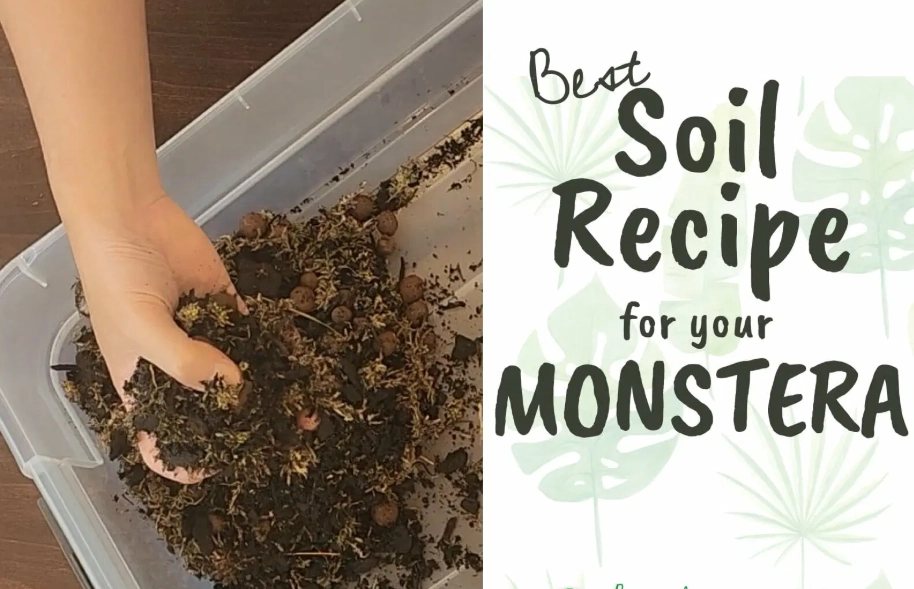
What's Inside?
Why Standard Potting Soil Fails Monsteras
Bagged all-purpose potting soil is designed to be a generalist. It holds moisture well to support a wide range of plants. For your Monstera deliciosa or Monstera adansonii, that's a death sentence.
This soil compacts over time. With each watering, the fine particles settle, squeezing out the oxygen pockets. The roots, which are thick and fleshy, suffocate. In this stressed, oxygen-deprived state, they become susceptible to root rot pathogens that live in damp soil. The rot sets in, and by the time you see yellow leaves, the damage below is often severe.
I learned this the hard way with my first Monstera. I used a premium organic potting soil. It felt rich and healthy. But the plant just sat there, sulking. When I finally worked up the courage to check the roots, they were brown and mushy. The soil in the center of the root ball was still soggy a week after watering. That's when the penny dropped.
The Perfect Monstera Soil Mix Recipe (With Ratios)
After years of trial, error, and talking to other serious collectors, I've settled on a core recipe that works incredibly well. Think of this as your base formula. You can tweak it based on your home's humidity and light.
The Classic, All-Around Champion Mix:
- 40% Coarse Coconut Coir or Peat Moss: The moisture-retentive base. (I prefer coir for its sustainability and easier rewetting).
- 40% Chunky Orchid Bark (Pine or Fir): The star of the show. Creates permanent air pockets.
- 20% Perlite or Pumice: The drainage booster. Improves aeration and prevents compaction.
- A handful of Horticultural Charcoal (optional but recommended): Helps absorb impurities and can slightly improve drainage.
- A handful of Worm Castings (optional): Provides a gentle, organic nutrient boost.
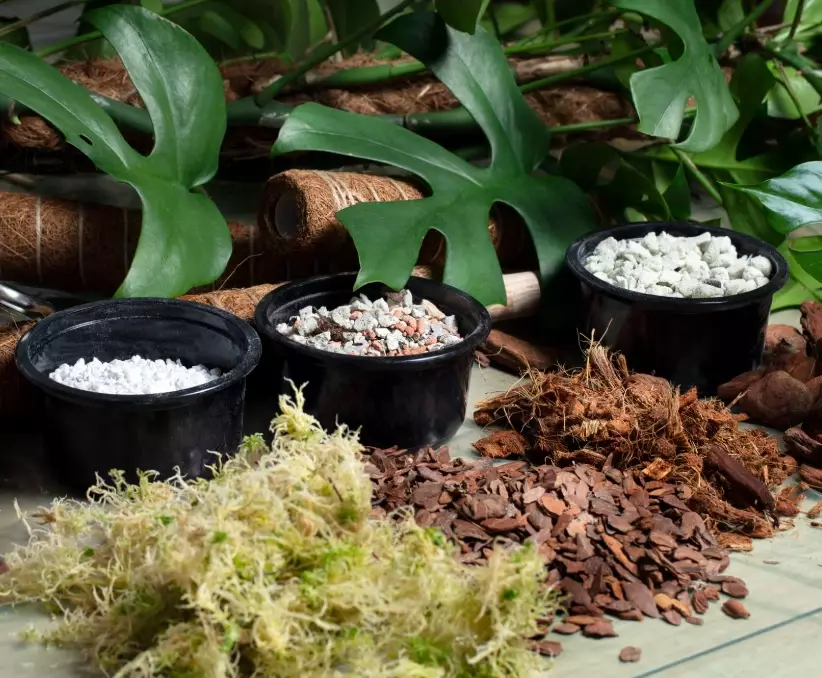
That's it. 40/40/20. Easy to remember. This mix is loose, chunky, and will dry out at a rate that encourages strong root growth without drowning them.
Adjusting the Recipe for Your Environment
Your home isn't a lab. You need to adapt.
- Low Light, Cool Home? Increase the orchid bark or perlite by 5-10%. You need even faster drainage since the plant uses water more slowly.
- Very Bright, Warm, or Humid Home? You might be able to get away with a touch more coir (45%) to hold moisture a bit longer, as the plant will drink it up quickly.
- For Monstera Seedlings or Small Plants: Slightly reduce the bark chunk size, but keep the ratios similar. They still need excellent drainage.
Ingredient Breakdown: What Each Component Does
Let's get specific about why each part matters. Knowing this helps you substitute wisely if you can't find an exact ingredient.
| Ingredient | Primary Role | What to Look For / Avoid |
|---|---|---|
| Coconut Coir | Holds moisture and nutrients, provides structure. More eco-friendly than peat. | Get coarse, buffered coir bricks. Avoid fine, dusty coco peat. |
| Orchid Bark (Pine/Fir) | Creates essential air pockets, mimics natural habitat, prevents compaction. | Chunks between 1/2" to 1" are ideal. Don't use mulch from the garden center (often has additives). |
| Perlite | Improves drainage & aeration, is lightweight and sterile. | Medium or coarse grade. Wear a mask when mixing—the dust is bad for your lungs. |
| Horticultural Charcoal | Absorbs toxins, can inhibit fungal growth, improves porosity. | Lump charcoal, not activated charcoal powder or grill briquettes. |
| Worm Castings | Slow-release organic fertilizer, improves soil biology. | A little goes a long way. Don't overdo it—it's not the main growing medium. |
A note on peat moss: It's effective but its harvest is environmentally damaging, raising concerns about carbon storage and wetland destruction. Studies, like those highlighted by the International Union for Conservation of Nature (IUCN), have brought this issue to light. Coir is a great, renewable alternative that doesn't become hydrophobic like peat can.
Step-by-Step: Mixing Your Own Soil Like a Pro
Don't just dump and stir. Method matters to get an even blend.
1. Gather & Pre-Treat. You'll need a large tub or bucket. If using a coir brick, hydrate it separately in warm water until it fully expands and breaks apart. Squeeze out excess water so it's damp, not dripping. If your orchid bark is very dry, give it a quick rinse.
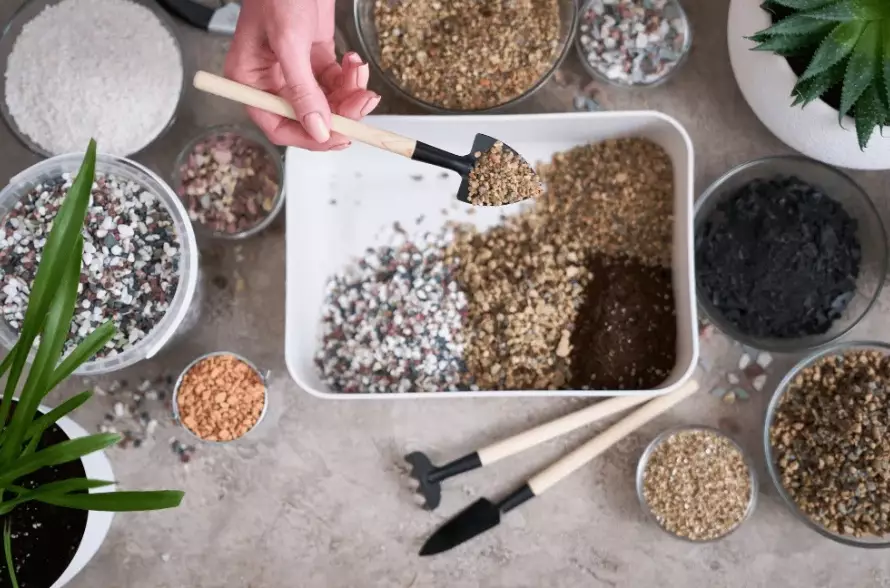
2. The Layering Method. In your tub, start with a layer of the damp coir. Add a layer of orchid bark. Sprinkle a layer of perlite. Add your handfuls of charcoal and worm castings. Repeat. This layering makes the next step easier.
3. Mix Thoroughly. Use your hands (gloves are smart) or a small garden trowel. Mix from the bottom up, turning the pile over on itself. You want every handful to have bits of bark, coir, and perlite. No uniform clumps of any one ingredient.
4. The Squeeze Test. Grab a handful of your finished mix and squeeze it firmly. It should hold together loosely in a ball, but when you poke it, it should crumble apart easily. If it forms a dense, muddy ball, add more bark and perlite. If it won't hold together at all, add a bit more coir.
Your mix is ready. It should feel light and fluffy, with obvious spaces between the chunks.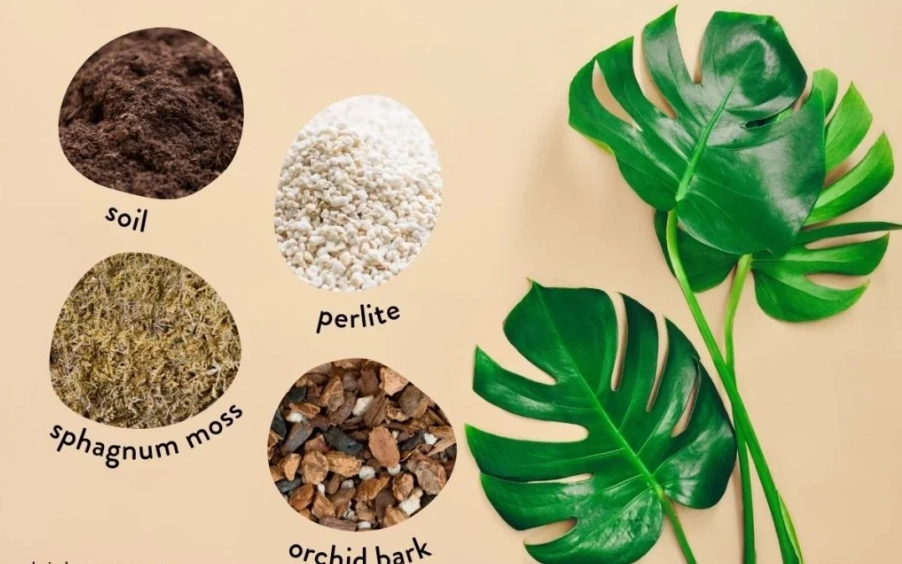
Common Mixing Mistakes and How to Fix Them
Even with a good recipe, small errors can cause problems.
Mistake 1: Using Fine-Grade Ingredients. Fine orchid bark or small perlite disappears into the mix, losing its aerating purpose. It just becomes part of the dense matrix.
Fix: Source chunky materials. Don't compromise on texture.
Mistake 2: Not Hydrating Coir or Peat Fully. Dry pockets in your mix will repel water later, leading to uneven moisture in the root zone.
Fix: Take the time to soak and break apart your base material completely.
Mistake 3: Skipping the "Squeeze Test." Assuming the ratios are perfect without a physical check.
Fix: Always do the test. Your local humidity affects the ingredients. Adjust on the spot.
Mistake 4: Forgetting the Drainage Layer in the Pot. Your perfect mix means nothing if water pools at the bottom of a pot without drainage. Gravel or pot shards at the bottom is an old myth—it actually raises the water table. The best drainage layer is a hole.
Fix: Always use a pot with at least one drainage hole. Place it on a saucer, but never let it sit in standing water.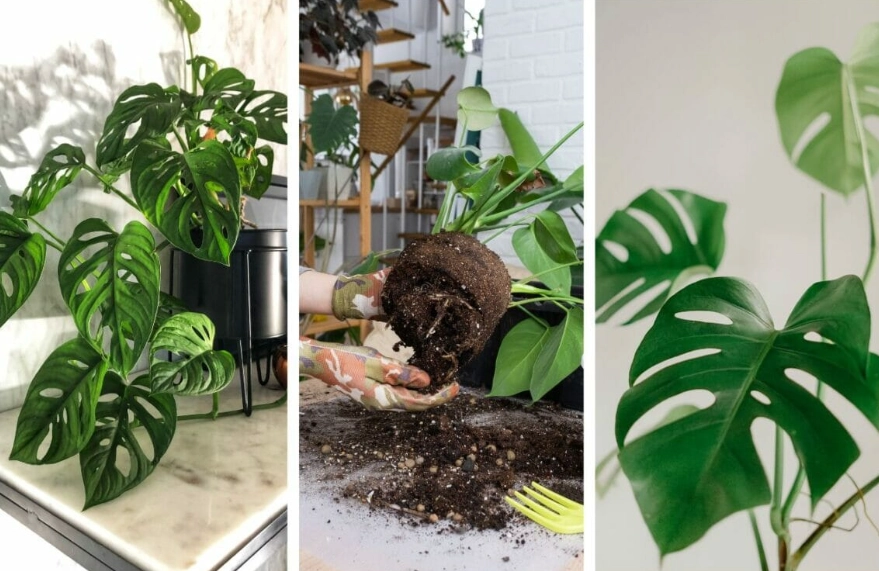
Your Monstera Soil Questions, Answered
What happens if I use regular potting soil for my Monstera?
My homemade Monstera soil mix is drying out too fast. What did I do wrong?
Can I reuse old Monstera soil when repotting?
How often should I repot my Monstera with a good soil mix?
 Getting your Monstera's soil right isn't about following a rigid, one-size-fits-all rule. It's about understanding what those thick, aerial-root-producing stems need from the ground up. The 40/40/20 mix is your reliable starting point. Observe how your plant responds. Does the pot feel light in 5-7 days? Are the roots firm and white when you check? Are new leaves pushing out regularly?
That's your real confirmation. When you nail the soil, everything else—fertilizing, watering, managing humidity—becomes simpler and more effective. Your Monstera isn't just surviving in a pot; it's thriving in a habitat you built.

Comments