Caring for bromeliads isn't as tricky as people think, but most guides miss the subtle details that make or break these plants. I've grown bromeliads for over a decade, and let me tell you, the biggest mistake isn't underwatering—it's misunderstanding their unique structure. In this guide, I'll walk you through everything from watering quirks to light needs, based on real experience, not just textbook advice.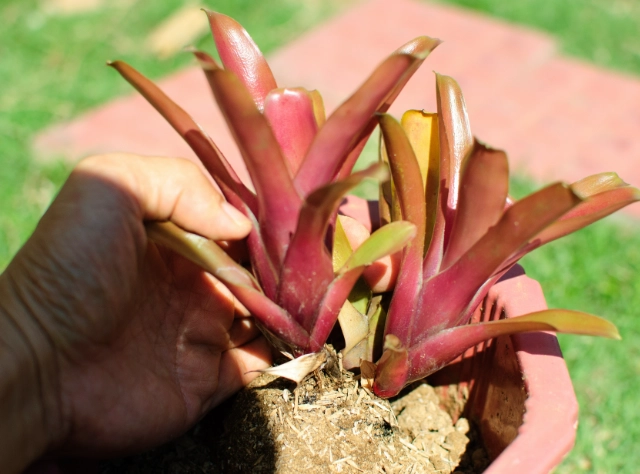
What You'll Learn
Understanding Bromeliads: What Makes Them Unique
Bromeliads are epiphytes, meaning they often grow on trees in the wild, not in soil. That's why their care differs from your average houseplant. They have a central cup or tank that collects water—this is crucial for their survival. Most beginners treat them like succulents or ferns, and that's where things go wrong.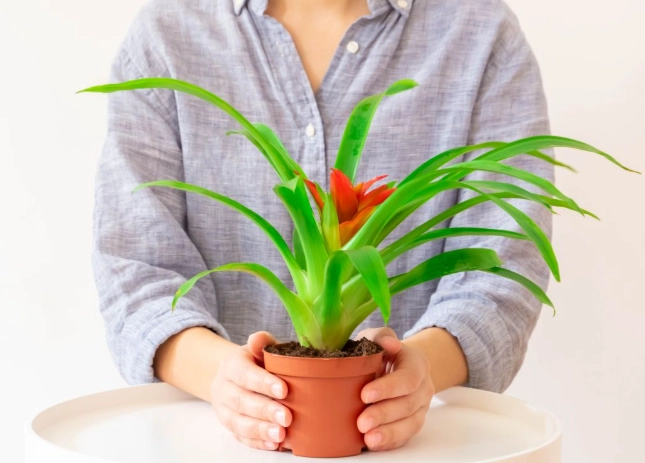
I remember buying my first bromeliad, a Guzmania, and assuming it needed dry soil. It died within months because I ignored the central cup. The Bromeliad Society International notes that these plants have adapted to humid environments, so mimicking that is key.
The Central Cup: A Key Feature
This cup isn't just for show; it's a water reservoir. But here's a non-consensus point: many experts say to only fill the cup, but in dry indoor air, like during winter heating, that water can stagnate and cause rot. I've found that lightly misting the leaves helps, especially for varieties like Aechmea.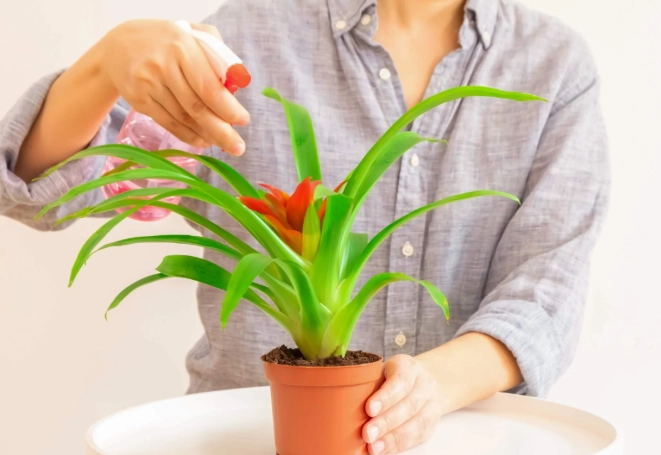
How to Water Bromeliads Correctly
Watering is the make-or-break factor. Most guides get it half-right. Here's the full picture:
- Central Cup Watering: Fill the cup about one-third full with distilled or rainwater. Tap water can leave mineral deposits. Change the water every week to prevent mosquitoes and bacteria.
- Soil Watering: Yes, the soil matters too. Keep it lightly moist, not soggy. I use a finger test—stick it in the soil; if it's dry an inch down, water lightly. Overwatering the soil is a silent killer.
- Frequency: In summer, water the cup every 5-7 days and the soil weekly. In winter, reduce to every 10-14 days. Your home's humidity plays a role; if it's below 40%, mist the leaves twice a week.
Pro Tip: Avoid getting water in the crown (where leaves meet) of terrestrial bromeliads like Dyckia—it can lead to crown rot. This is rarely mentioned but critical.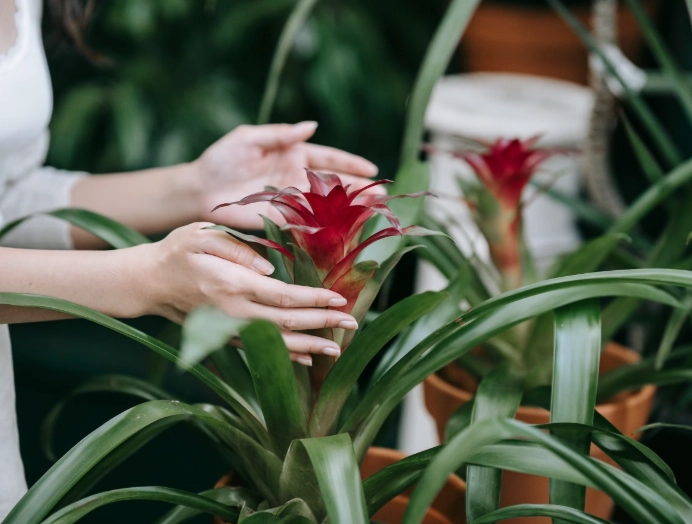
The Mistake Most Beginners Make
They drown the soil. Bromeliads have shallow roots that hate sitting in water. I've seen countless plants die from root rot because people treat them like peace lilies. Use a well-draining pot and always empty the saucer after watering.
Light Requirements for Healthy Growth
Bromeliads need bright, indirect light. Direct sun can scorch the leaves, while low light stunts growth. Here's a quick table based on common varieties: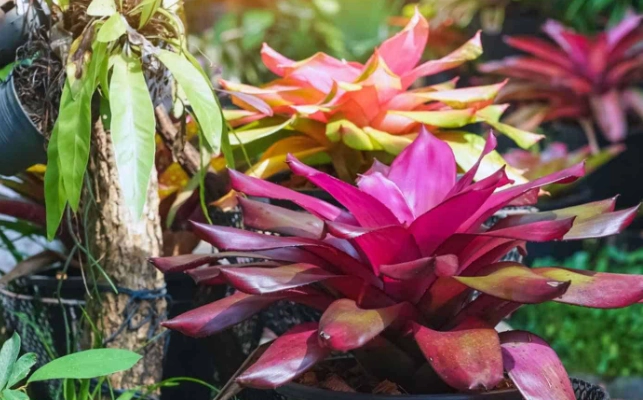
| Bromeliad Type | Light Preference | Signs of Too Much Light |
|---|---|---|
| Guzmania | Medium indirect light | Leaves turning pale or yellow |
| Aechmea | Bright indirect light | Brown, crispy leaf tips |
| Tillandsia (air plants) | Filtered sunlight | Leaves drying out quickly |
Place them near an east or west-facing window. If you only have south-facing light, use a sheer curtain. I keep my Neoregelia in a bathroom with a skylight—it gets diffused light and loves the humidity.
Soil and Potting Mix Essentials
Forget regular potting soil. Bromeliads need an airy mix. I use a blend of orchid bark, perlite, and peat moss in a 2:1:1 ratio. This ensures drainage and mimics their natural habitat.
- Pot Choice: Terracotta pots work well because they breathe, but plastic is fine if you're careful with watering. Ensure pots have drainage holes.
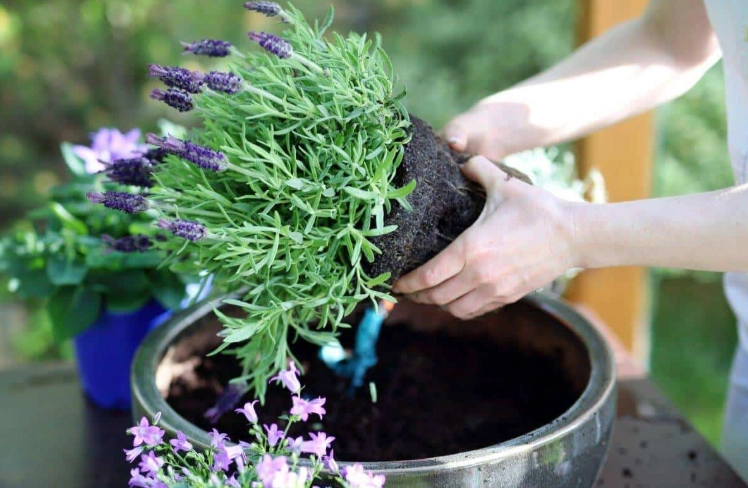
- Repotting: Do it every 2-3 years or when the plant outgrows its pot. Spring is the best time. Gently remove old soil and trim any dead roots.
Some growers, like those cited in horticultural reports from the University of Florida, recommend adding charcoal to the mix to prevent fungal issues. I've tried it, and it does help in humid climates.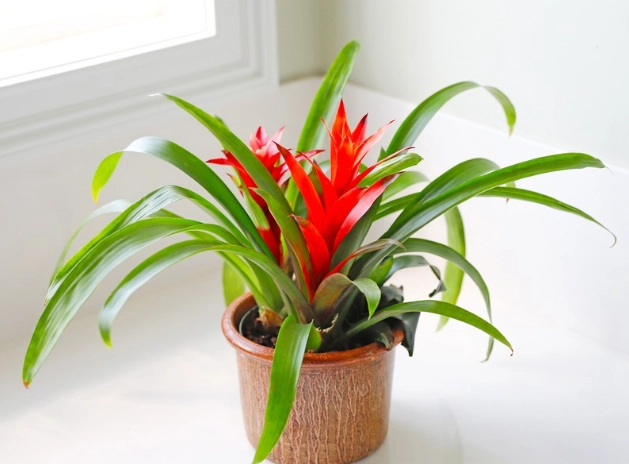
Common Problems and How to Fix Them
Even with perfect care, issues arise. Here's how to troubleshoot:
- Brown Leaf Tips: Usually from low humidity or fluoride in water. Use filtered water and increase misting. Trim the brown parts with clean scissors.
- Yellow Leaves: Could be overwatering or too much direct sun. Check the soil and adjust light exposure.
- No Blooming: Bromeliads bloom once, then produce pups. If mature plants aren't blooming, try exposing them to ethylene gas by placing a ripe apple nearby for a week—it tricks them into flowering.
Brown Leaf Tips: Causes and Solutions
This is a huge pain point for users. It's often due to tap water chemicals. Switch to rainwater or distilled water, and mist the leaves regularly. I had a Vriesea that kept browning until I started using a humidifier nearby.
Propagating Bromeliads: A Step-by-Step Guide
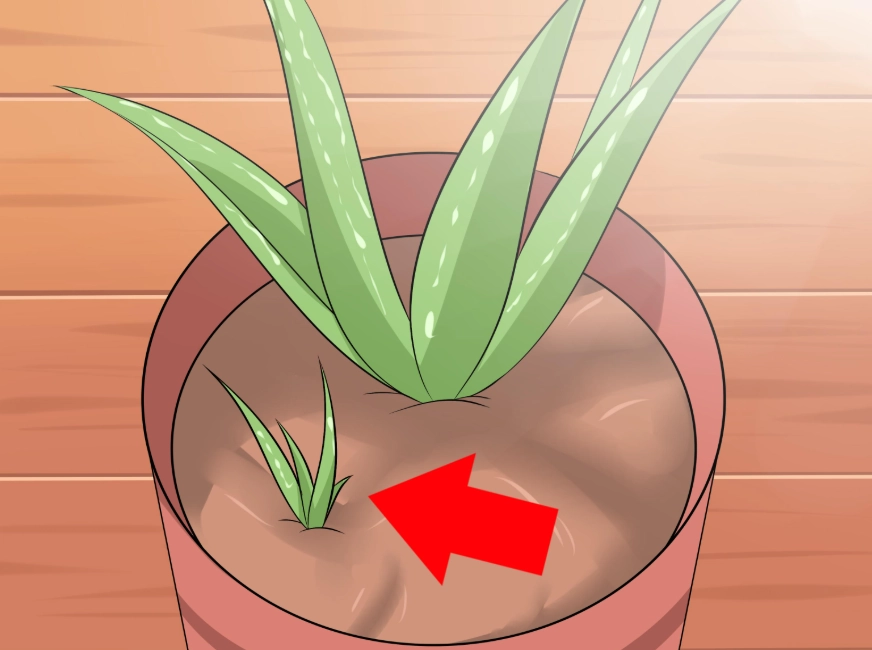
After blooming, bromeliads produce offsets called pups. Here's how to propagate them:
- Wait until the pup is about one-third the size of the mother plant.
- Use a sterile knife to cut it away, keeping some roots attached.
- Let the cut end callous for a day to prevent rot.
- Plant in a small pot with the same airy mix. Water lightly and keep in indirect light.
It takes patience—pups might take a year to establish. I've propagated dozens this way, and success rate is high if you avoid overwatering early on.
FAQ: Your Bromeliad Care Questions Answered
Caring for bromeliads is about understanding their quirks. Start with proper watering and light, and don't be afraid to experiment. These plants reward patience with stunning colors and unique forms. If you hit a snag, refer back to this guide or reach out to local gardening groups—they're full of tips you won't find online.
Comments