Quick Navigation
- Why Bother Rooting Your Own Aloe?
- The Best Starting Point: Aloe Pups (Offsets)
- Step-by-Step: Separating and Rooting an Aloe Pup
- What About Rooting a Single Leaf? (Spoiler: It's Hard)
- The Perfect Home: Soil and Pot Selection
- The Planting and The Waiting Game
- Watering: The Make-or-Break Ritual
- Post-Rooting Care: Helping Your New Plant Thrive
- Troubleshooting: What's Going Wrong?
- Answering Your Questions (FAQ)
- Beyond the Basics: Advanced Tips & Final Thoughts
Let's be honest. You probably ended up here because you have an aloe vera plant that's getting too big, or maybe a friend gave you a cutting, and now it's sitting on your windowsill looking a bit sad. You're wondering, how on earth do I get this thing to grow roots? I've been there. The good news is, learning how to root an aloe vera plant is one of the most forgiving projects in the plant world. These succulents are tough cookies. But there's a right way and a wrong way to do it, and getting it right means the difference between a thriving plant and a mushy mess.
I've propagated dozens of aloe plants over the years, and I've made every mistake in the book so you don't have to. This guide isn't just a list of steps. It's the full picture – the why behind the what. We'll cover everything from picking the perfect pup to the secret of watering (or, more accurately, not watering) that makes all the difference. Whether you're starting from a baby offset or a lonely leaf cutting (though I'll tell you why I don't recommend that), you'll find what you need here.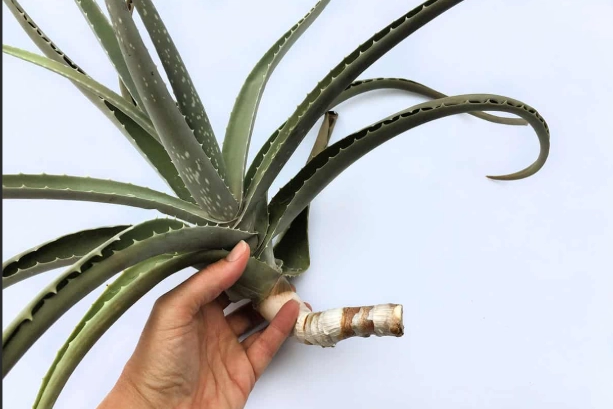
Why Bother Rooting Your Own Aloe?
Before we dive into the dirt, let's talk about why you'd want to do this. Sure, you can buy a new aloe plant for a few bucks. But there's something deeply satisfying about creating new life from a plant you already own. It's free, for one. It's also a great way to share plants with friends and family – a living gift. More practically, if your main aloe plant is becoming a sprawling monster, propagation is necessary for its health and to keep it a manageable size. Learning how to root an aloe vera plant gives you control and endless supply.
The Best Starting Point: Aloe Pups (Offsets)
If you want the highest success rate, start with a pup. This is the absolute best method for learning how to root an aloe vera plant. Pups are the baby plants that sprout from the base of the mother plant. They are genetically identical clones and already have the beginnings of their own root system, making the whole process much faster and more reliable than starting from a single leaf.
How do you identify a good pup? Look for one that's about one-quarter to one-third the size of the mother plant. It should have several plump, green leaves of its own. Tiny pups that are still mostly white or pale green are not ready – they're too dependent on the mother. A good, chunky pup is your ticket to success.
Step-by-Step: Separating and Rooting an Aloe Pup
Here’s the core of the process. Take your time with each step.
- Gently Remove the Mother Plant from its Pot: Water the plant a day or two before you plan to separate it. This makes the soil more manageable and reduces root shock. Tip the pot on its side and carefully ease the entire root ball out.
- Locate the Pup's Connection Point: Brush away the soil from the base until you can see where the pup attaches to the mother plant. You'll often see a stem or rhizome connecting them.
- The Separation: This is the nerve-wracking part. If the pup is large enough, you can often gently wiggle it and twist it off with your hands. For a tougher connection, use a clean, sharp knife. I sterilize a utility knife with rubbing alcohol. Make a clean cut, ensuring the pup takes some of its own stem tissue with it. Try to avoid damaging the mother plant's main stem.
- The Critical Callusing Period: This step is non-negotiable and the one most people skip. DO NOT plant the pup right away. Place it in a dry, shaded spot (like on a paper towel on a counter) for 3 to 7 days. The cut end needs to form a dry, calloused layer. This seal prevents soil moisture from rushing into the open wound and causing rot. You'll know it's ready when the cut looks dry and slightly shriveled, not fresh and juicy.
Patience here saves heartbreak later.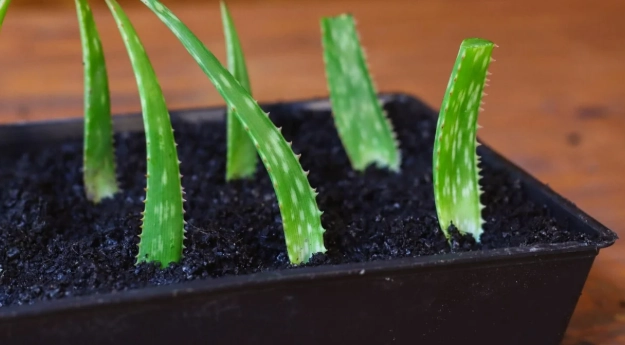
What About Rooting a Single Leaf? (Spoiler: It's Hard)
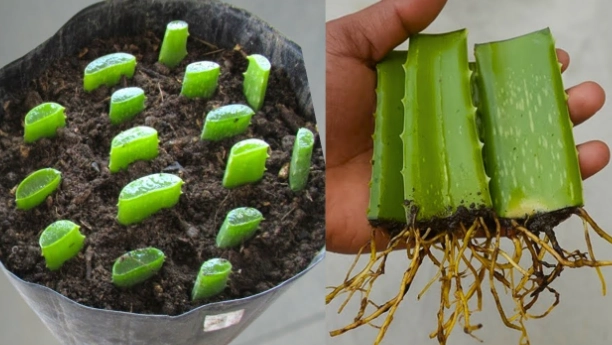
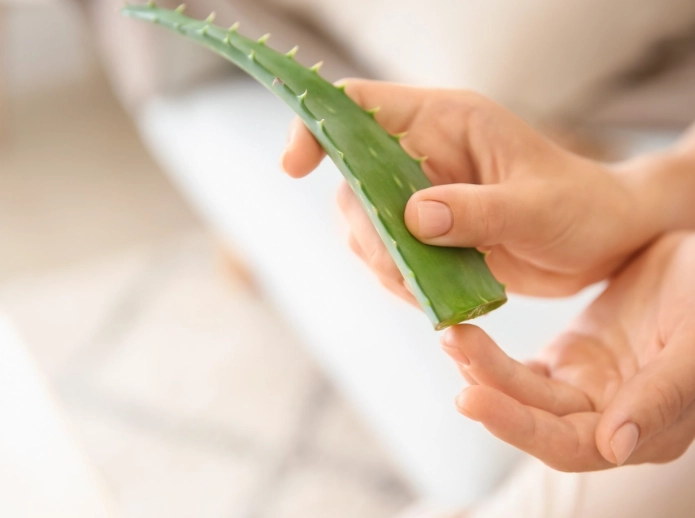
You might see videos showing people plucking a leaf, sticking it in soil, and voila – a new plant. In my experience, this method has a failure rate of about 90%. Why? A detached aloe leaf contains a lot of water and gel, but it lacks the growth cells (meristematic cells) concentrated in the stem where pups form. The leaf often just rots before it can callus properly and send out roots.
The Perfect Home: Soil and Pot Selection
Getting the soil wrong is the second biggest mistake after overwatering. Aloe vera needs fast-draining soil. Regular potting soil holds too much moisture and will suffocate and rot the roots. You need a gritty, airy mix.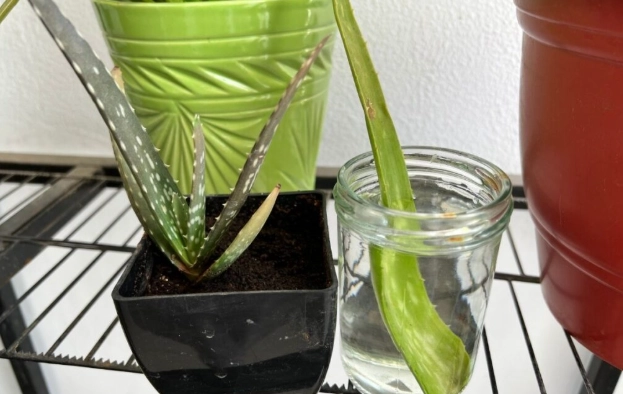
You can buy a pre-made cactus and succulent mix, which is fine. But to really give your plant the best shot, I amend it. I mix about 2 parts commercial succulent soil with 1 part perlite or coarse sand. This improves drainage dramatically. The goal is soil that gets wet and then dries out completely within a week or so.
The pot matters too. Always use a pot with a drainage hole. Terra cotta pots are fantastic for beginners because they are porous and pull moisture out of the soil from the sides, helping it dry faster. Plastic pots retain moisture longer, so you have to be even more careful with watering.
| Soil Component | Purpose | My Preferred Ratio |
|---|---|---|
| Succulent/Cactus Mix | Provides basic structure and some nutrients. | 60-70% |
| Perlite or Pumice | Creates air pockets, prevents compaction, improves drainage. | 20-30% |
| Coarse Sand (Horticultural) | Adds weight and improves drainage (don't use beach sand). | 10-20% (alternative to perlite) |
The Planting and The Waiting Game
Once your pup is calloused, fill your pot with the dry soil mix. Make a small hole in the center. Place the pup in the hole, just deep enough to support itself upright. Gently firm the soil around the base. Do not water it. I repeat, do not water it.
This is the hardest part for new plant parents. You have a new plant in dry soil, and every instinct says to water it. But those instincts are wrong for succulents. The pup has enough moisture stored in its leaves to sustain itself. Watering now, before there are roots to absorb it, creates a wet environment that invites rot. The goal is to wait for root growth first.
Place the pot in a spot with bright, indirect light. No direct, scorching sun just yet – it can stress the unrooted plant. A bright windowsill with a sheer curtain is perfect.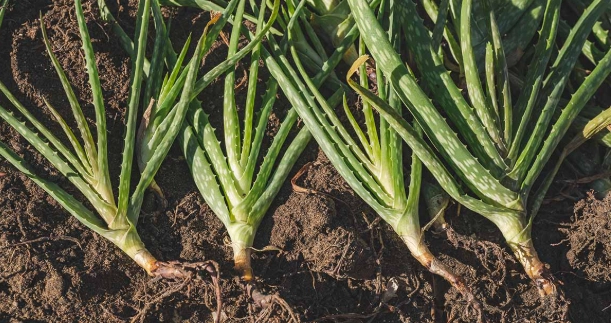
Watering: The Make-or-Break Ritual
So when do you water? You wait for signs of root growth. This usually takes 2 to 4 weeks. How can you tell? The plant will start to feel firmer in the pot (a slight resistance if you give it a very gentle tug), and you might see new, greener growth from the center.
For the first watering, use the "soak and dry" method. Take the pot to the sink and water it thoroughly until water runs freely out of the drainage hole. This ensures the entire root ball gets moistened. Then, let it drain completely and put it back in its spot. Now, you wait again. Let the soil dry out completely before you even think about watering a second time. Stick your finger an inch into the soil – if it feels dry, wait another couple of days. If it feels cool or damp, wait.
Post-Rooting Care: Helping Your New Plant Thrive
Once your aloe is rooted and has had its first few drinks, you can start treating it more like a regular plant, but with a succulent mindset.
- Light: Move it to a spot with plenty of bright, direct sunlight (4-6 hours is ideal). A south or west-facing window is great. Not enough light and it will grow tall, leggy, and pale (etiolation).
- Watering Rhythm: Continue the soak-and-dry method. In summer, this might be every 2-3 weeks. In winter, when growth slows, it might be once a month or even less. Your plant and your home's environment are the best guides.
- Fertilizer: Go easy. A diluted, balanced fertilizer (like a 10-10-10) once at the beginning of the growing season (spring) is plenty. More is not better and can harm the roots.
Troubleshooting: What's Going Wrong?
Even with the best plans, things can go sideways. Here’s a quick decoder for common problems when you're trying to root an aloe vera plant.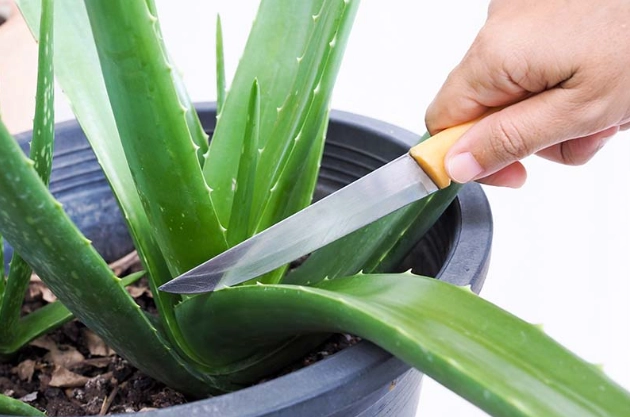
The pup is turning brown and mushy at the base. This is rot, almost always caused by watering too soon or soil that doesn't drain. It's often fatal. If caught early, you can cut off all the mushy parts with a sterile knife, let it callus again for a longer period, and restart the process in fresh, drier soil.
The leaves are getting thin, wrinkled, and curling inwards. This is underwatering, but it's tricky. If the plant has no roots, it can't drink, so watering won't help. Ensure it's rooted first. If it is rooted, give it a good soak.
No growth for months. The plant might be in survival mode. Check the light levels – more indirect light can encourage rooting. Also, ensure it's not too cold. Aloes prefer temperatures above 50°F (10°C). Patience is key; some pups just take their sweet time.
Answering Your Questions (FAQ)
Beyond the Basics: Advanced Tips & Final Thoughts
Once you've mastered the basic process of how to root an aloe vera plant from a pup, you can experiment. Try different soil mixes. See how your watering schedule changes with the seasons in your home. The University of California's Integrated Pest Management program has excellent, science-backed general guidelines on growing Aloe species that reinforce the need for excellent drainage and careful watering.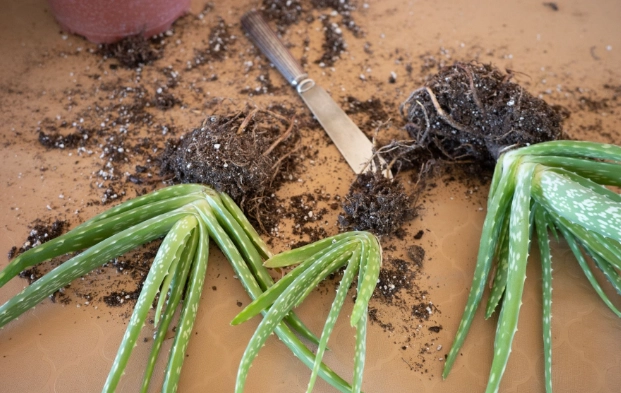
For more detailed botanical information on the Aloe genus itself, resources like the Royal Botanic Gardens, Kew provide authoritative background. Knowing your plant's origins in arid regions reinforces why our care methods work.
Look, at its core, learning how to root an aloe vera plant is about understanding what the plant needs, not what we think it needs. It's about resisting the urge to over-care. Give it a dry start, gritty soil, bright light, and water only when it's truly thirsty. Do that, and you'll not only succeed in rooting your first aloe pup, but you'll also gain the confidence to propagate all sorts of succulents. It's a rewarding skill. Now go find that overgrown aloe plant and give it a new lease on life – and a few new siblings while you're at it.
Comments