Quick Guide
Let's be honest, you probably got your aloe vera plant because someone told you it's impossible to kill. "Just forget about it!" they said. Well, I've got news for you – I've managed to nearly kill a few in my time, usually by following that exact advice. Turns out, there's a sweet spot between neglect and overbearing plant parenthood. If you're sitting there wondering how do you take care of an aloe vera plant the right way, you're in the right place. This isn't about just keeping it alive; it's about helping it thrive, get plump, maybe even flower (yes, they flower!), and provide you with that magical gel for years.
Aloe vera is one of those gateway plants. It brings people into the world of gardening because of its reputation for being tough. And it is tough – it's a succulent that evolved to store water in its thick, fleshy leaves, surviving in arid conditions. But "tough" doesn't mean "no rules." Think of it like a camel. Camels are incredibly resilient, but you still wouldn't put one in a swimming pool and expect it to be happy. Getting the basics of aloe vera plant care wrong usually means too much love, not too little. Overwatering is the silent killer.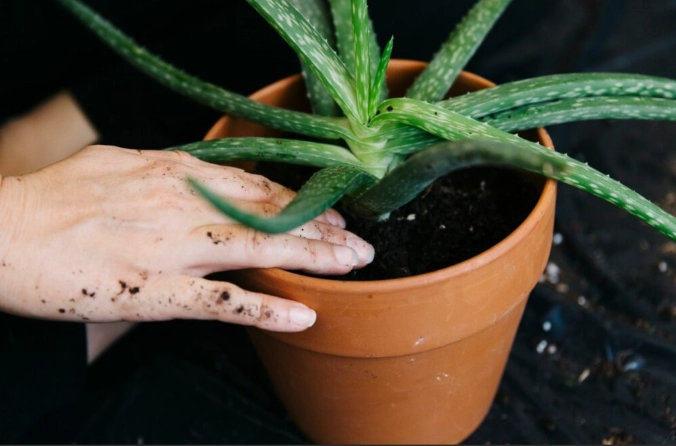
The Core Philosophy: Aloe vera care is about replicating its natural, dry, sunny habitat. More neglect is often better than more attention when it comes to water.
What Your Aloe Vera Plant Really Needs: The Non-Negotiables
Before we dive into the step-by-step, let's talk about what makes this plant tick. Understanding its needs is half the battle. When you know how to care for aloe vera based on its biology, the "rules" make sense, and you can adapt them to your own home.
Sunlight: The Energy Source
Aloe vera loves bright, indirect light. In its native habitat, it gets a lot of sun, but often with some partial shading from other plants or rocks. A south- or west-facing window is ideal. Direct morning sun is great; harsh, scorching afternoon sun through a glass window can sometimes be too intense and cause the leaves to turn a stressed, reddish-brown color (a condition called sunburn, believe it or not).
If your only option is a less sunny spot, the plant will survive, but it might start to "stretch" or become etiolated – growing long, weak, and pale as it reaches for light. Not a good look. I made this mistake with my first aloe. It lived in a dim corner for a year and grew into this weird, floppy version of itself. Moving it to a brighter spot stopped the stretching, but the long part never shrunk back.
Light is its food. Don't starve it.
Watering: The Biggest Make-or-Break Factor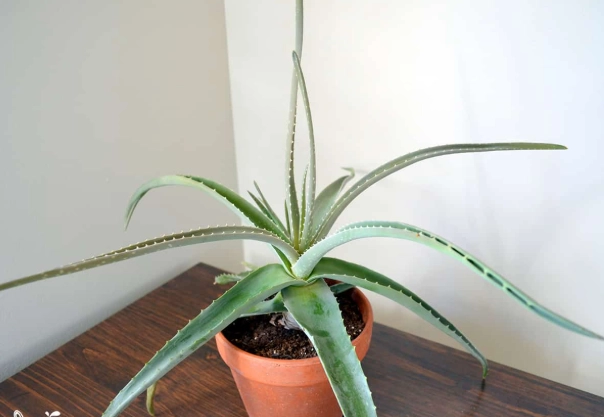
This is where most people, myself included, have tripped up. The golden rule for aloe vera plant care is: Soak it, then let it dry out completely. I mean completely. You need to mimic a desert rainstorm followed by a long drought.
Common Mistake Alert: Giving it little sips of water every few days is a surefire path to root rot. The roots need oxygen, and constantly damp soil suffocates them.
Here's my method, born from killing a plant with kindness:
- Check the soil: Stick your finger about 2-3 inches into the pot. If it feels dry, it's time. If it's even slightly damp, walk away. For the unsure, a moisture meter is a cheap and foolproof tool.
- Water thoroughly: Take the plant to the sink and water it slowly until you see water running freely out of the drainage holes. This ensures the entire root ball gets hydrated.
- Let it drain: Leave it in the sink or on a saucer for 10-15 minutes to let all the excess water drain out. Never let it sit in a saucer of water.
- Forget about it: Now, wait. In summer, this might be every 2-3 weeks. In winter, when the plant is dormant and light levels are low, it could be once a month or even longer. The plant will tell you – its plump leaves will start to feel a little less firm and may even thin slightly when it's thirsty.
Soil and Pot: The Foundation
You can't have a discussion about how do you take care of an aloe vera plant without talking about what it's planted in. Regular potting soil holds too much moisture. You need a fast-draining mix.
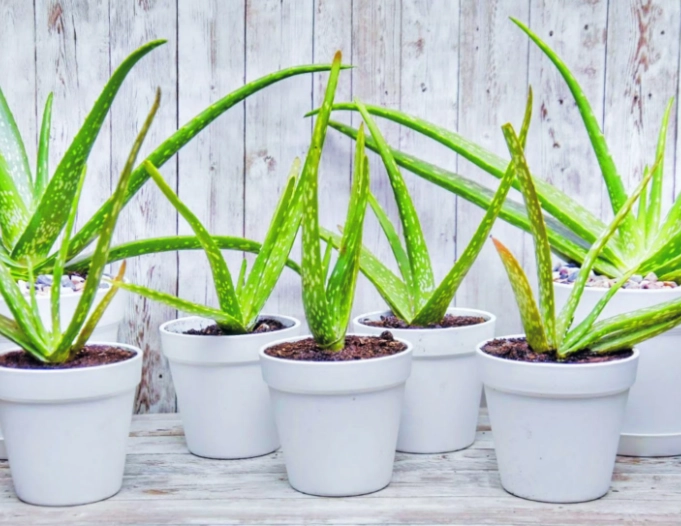
A good option is a commercial cactus and succulent mix. Even better, make your own by mixing 2 parts regular potting soil with 1 part perlite and 1 part coarse sand or poultry grit. This creates air pockets and improves drainage dramatically. The pot matters just as much. Terracotta pots are the champions for aloe vera. They're porous, which allows the soil to dry out from the sides as well as the top, reducing the risk of overwatering. Plastic pots retain moisture much longer.
And for the love of all that is green, ensure the pot has drainage holes. No ifs, ands, or buts. A pot without holes is a death sentence.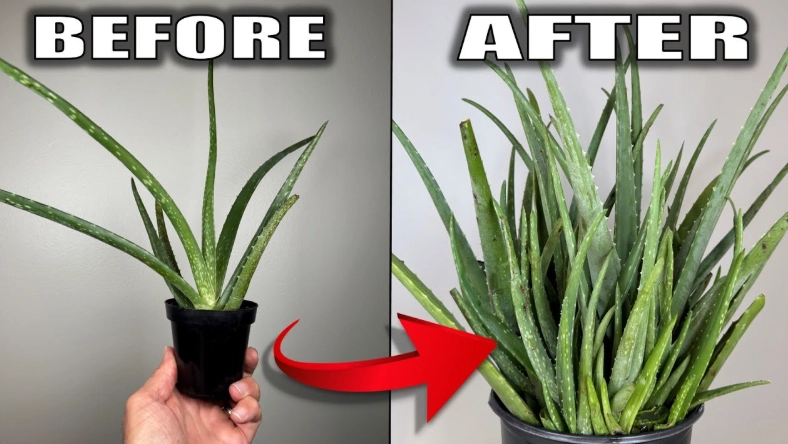
Pro Tip: When you're learning how to care for aloe vera, start with a terracotta pot. It's more forgiving of watering mistakes than glazed ceramic or plastic.
A Step-by-Step Routine for Aloe Vera Success
Okay, so you know the basics. Let's put it all together into a simple, actionable routine. This is the practical heart of aloe vera plant care.
The Weekly Check-In
Make it a habit. Every weekend, give your plant a quick once-over.
- Look at the color: Are the leaves a healthy gray-green? Reddish-brown could mean too much sun. Yellowish could mean too much water or not enough sun.
- Feel the leaves: Give a leaf a gentle squeeze. It should feel firm and full. If it's mushy, you've overwatered. If it's thin and wrinkled, it's thirsty.
- Check for pests: Look under the leaves and near the base for any signs of mealybugs (little white cottony patches) or scale (brown bumps). Aloe is pretty pest-resistant, but it's not immune.
- Rotate the pot: Give it a quarter turn. This ensures all sides get even light and prevents it from leaning dramatically towards the window.
The Seasonal Shift
Your aloe's needs change with the seasons, a crucial part of understanding how do you take care of an aloe vera plant long-term.
| Season | Light Needs | Watering Frequency | Feeding & Other Notes |
|---|---|---|---|
| Spring & Summer (Growing Season) | Bright, indirect light. Can tolerate some direct morning sun. | Every 2-3 weeks, only when soil is completely dry. | You can feed with a diluted, balanced fertilizer (like 10-10-10) once at the start of spring and once in mid-summer. Half strength is plenty. |
| Fall & Winter (Dormant Season) | As much bright light as possible. South-facing window is ideal. | Significantly reduce. Once a month or less. Let soil stay dry for longer. | Stop fertilizing completely. The plant is resting. Be wary of cold drafts from windows. |
I learned the seasonal lesson the hard way. I kept watering on my summer schedule once winter hit, and the combination of less light and cool temps meant the soil just wouldn't dry. The plant got soggy and a few lower leaves rotted. Now, in winter, I basically ignore it, and it's much happier.
Common Problems and How to Fix Them (The Troubleshooting Guide)
Even with the best care, things can go sideways. Here’s a quick-reference guide to the most common issues you’ll face when figuring out how to care for aloe vera.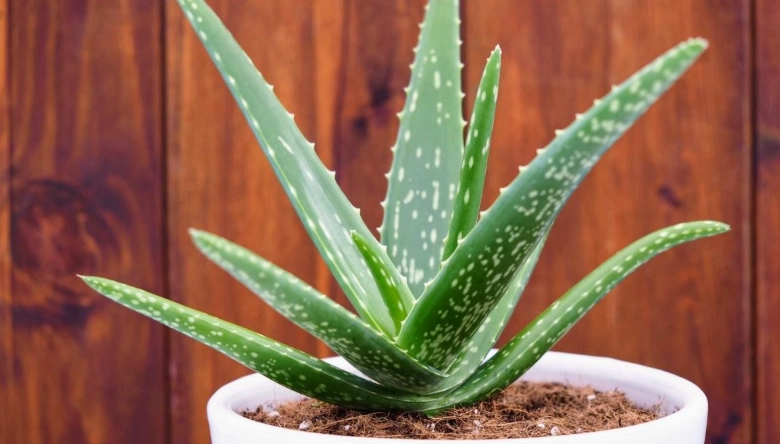
Soft, Mushy, Brown Leaves
Diagnosis: Classic overwatering and/or root rot.
Fix: Stop watering immediately. Check the roots. If they are brown, black, and slimy, you need to perform surgery. Remove the plant from its pot, cut away all rotten roots and mushy leaves with a clean knife. Let the plant and its remaining healthy roots air dry for a day or two, then repot in fresh, dry cactus mix. Do not water for at least a week after repotting. This gives any tiny root wounds time to callous over.
Thin, Wrinkled, Curling Leaves
Diagnosis: Underwatering. The plant is using up the stored water in its leaves.
Fix: Give it a good, thorough soak as described earlier. The leaves should plump back up in a day or two. If they don't, the roots may have died back from being too dry for too long.
Leggy, Pale, Stretched Growth
Diagnosis: Etiolation. Not enough light.
Fix: Move it gradually to a brighter location. You can't fix the already-stretched growth, but new growth from the center will be compact and healthy. Eventually, you can cut off the leggy top and re-root it to start a new, better-looking plant.
Brown or Reddish Leaf Tips
Diagnosis: Usually a reaction to stress – could be too much direct hot sun, a chemical reaction to minerals or fluoride in tap water, or a very slight fertilizer burn.
Fix: If in direct hot sun, move it back slightly. Try watering with filtered or rainwater if your tap water is hard. The brown tips themselves won't turn green again, but you can trim them off with clean scissors for aesthetics.
My Experience: I get the reddish tips on mine every summer when the sun gets really intense on my west-facing balcony. I used to panic, but now I see it as the plant's version of a suntan. It's not harming it, just a sign it's getting a lot of light. I only move it if the whole leaf starts to look scorched.
Advanced Care: Repotting, Propagating, and Harvesting Gel
Once you've mastered keeping it alive, you can level up. This is where aloe vera plant care gets really rewarding.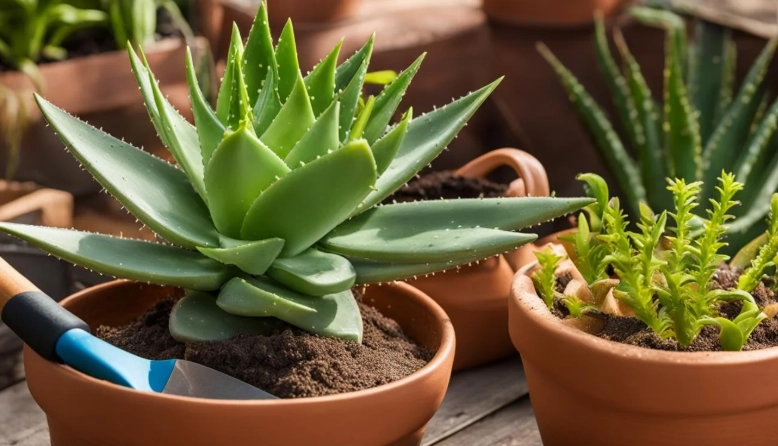
When and How to Repot
Aloe vera likes to be a bit root-bound, so don't rush to repot. Do it when you see one of these signs:
- Roots are growing out of the drainage holes.
- The plant has produced so many "pups" (baby plants) that it's bursting the pot.
- The growth has completely stalled, and the soil is exhausted (every 2-3 years).
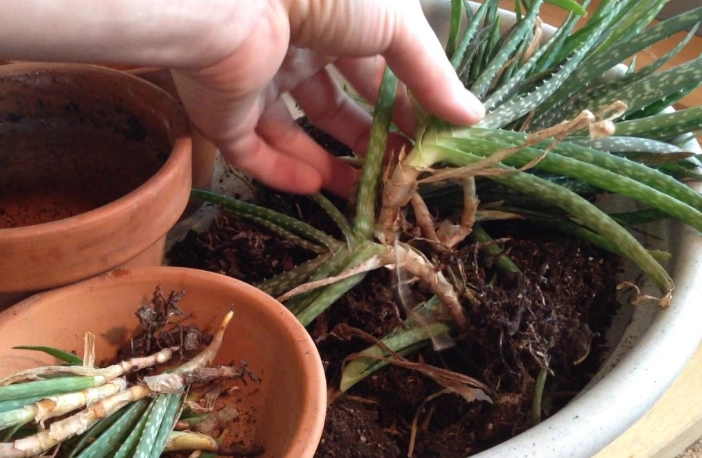
Spring or early summer is the best time. Choose a new pot only 1-2 inches wider in diameter. Too big a pot means too much wet soil around the roots. Gently remove the plant, shake off old soil, and place it in the new pot with fresh cactus mix at the same depth it was before. Wait a week before watering to let disturbed roots heal.
Propagating from Pups: Making Free Plants
This is the fun part. A healthy aloe will produce offsets, called pups, around its base. To propagate:
- Wait until the pup is a decent size (about one-quarter the size of the mother plant).
- Gently remove the entire plant from its pot and brush away soil to expose where the pup connects to the mother.
- Using a clean, sharp knife, cut the pup away, trying to keep some roots attached to it if possible.
- Let the pup sit in a dry, shaded spot for 1-2 days so the cut end forms a callus. This prevents rot when you plant it.
- Plant the callused pup in a small pot with cactus mix. Water lightly once, then wait until the soil is completely dry before watering again. Treat it like a mature plant, but be a little more cautious with water at first.
How to Safely Harvest Aloe Vera Gel
One of the main reasons people want to know how do you take care of an aloe vera plant is to harvest the gel. Do it right so you don't harm the plant.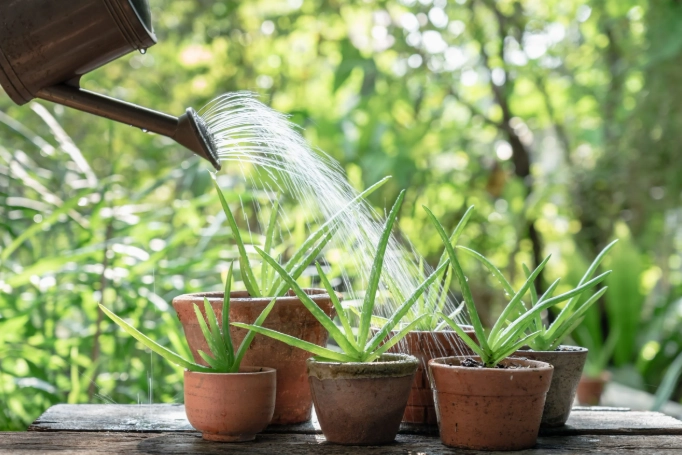
- Choose a large, thick, outer leaf from the bottom of the plant.
- Using a clean knife, cut the leaf off as close to the main stem as possible. The plant will seal the wound.
- Place the cut leaf upright in a cup or bowl for 10-15 minutes. This lets the yellow latex (aloin, a bitter, laxative substance) drain out.
- Lay the leaf flat and slice off the serrated edges.
- Then, slice the top layer of the leaf off, revealing the clear gel inside.
- Scoop out the gel with a spoon. Use it fresh or store it in the refrigerator for a few days.
Don't harvest too many leaves at once. The plant needs them to photosynthesize.
Frequently Asked Questions (Your Doubts, Answered)
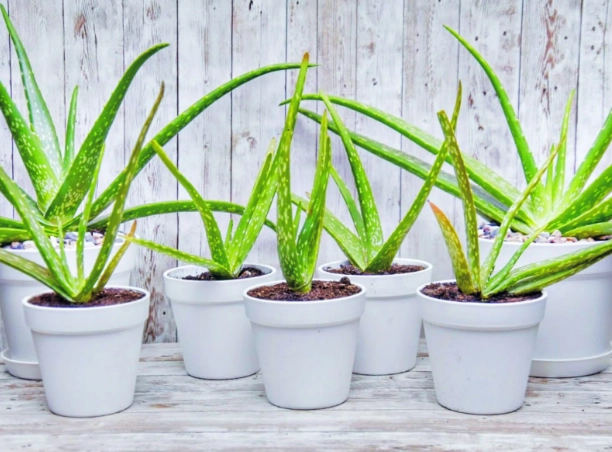
Can aloe vera grow indoors?
Absolutely. In fact, it's one of the best indoor plants, provided it gets enough light. A bright windowsill is perfect. It also appreciates being outdoors in a shaded or partly shaded spot during warm summer months, which can really boost its growth.
How often should I really water it?
I hate giving a schedule like "every Tuesday" because it's misleading. It depends on your home's temperature, humidity, light, and pot type. The finger test or moisture meter is your only reliable guide. When in doubt, wait another few days. An underwatered aloe is easier to save than an overwatered one.
What's the best fertilizer for aloe vera?
A balanced, water-soluble fertilizer diluted to half strength is fine. But honestly, aloe isn't a heavy feeder. If you repot every few years with fresh soil, you might not need to fertilize at all. Over-fertilizing can cause weak, floppy growth and salt buildup in the soil. The University of Minnesota Extension notes that feeding once at the start of the growing season is often sufficient for succulents.
Why is my aloe vera not growing?
It could be dormant (winter), root-bound, lacking nutrients, or, most commonly, not getting enough light. Check the season first. Then, assess light and consider if it's time for a slightly larger pot with fresh soil.
Is the gel from my home-grown plant safe to use on skin?
Generally, yes, the pure inner gel is safe for topical use on minor burns and skin irritations. However, always do a patch test on a small area of skin first, as some people can be sensitive. Never use the yellow latex that drains out first. For internal consumption, be extremely cautious and consult reliable sources, as improper preparation can be harmful. The National Institutes of Health has published research on aloe vera's properties, but it's crucial to differentiate between the processed, purified products used in studies and raw homegrown leaf.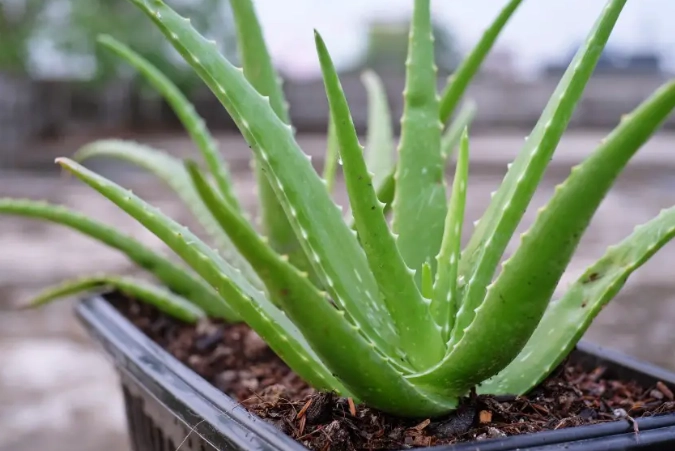
Final Thought: Learning how do you take care of an aloe vera plant is a journey of observation. Your plant will talk to you through its leaves. Your job is to learn its language – firm and green means "I'm happy," soft and brown means "you're drowning me," thin and wrinkled means "I'm parched." Start by erring on the side of underwatering, give it plenty of light, and you'll have a resilient, beautiful, and useful companion for a very long time. It really is a wonderful plant once you get the hang of its simple, desert-inspired needs.
Comments