Quick Guide
Let's be honest. You probably saw a photo of these geometric, rosette-forming wonders tumbling out of a cracked clay pot or nestled in a rock wall, and thought, "I need that in my life." I know I did. The first time I saw a dense mat of succulent hens and chicks, it was like discovering a tiny, self-replicating alien landscape. The best part? They're arguably one of the easiest plants to keep alive, which is why they've been a staple in cottage and rock gardens for centuries. But what exactly are they?
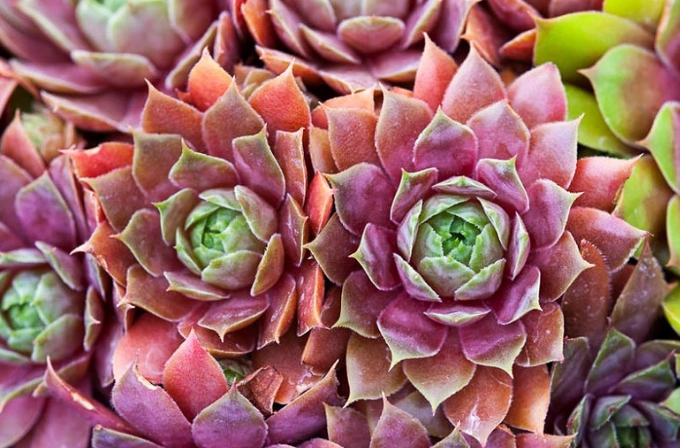
Officially known as Sempervivum (which literally means "always living" in Latin), hens and chicks succulents are cold-hardy, drought-tolerant perennials. The "hen" is the main, central rosette. Over time, it sends out stolons—little stems—that produce baby rosettes, the "chicks." These chicks eventually root and become independent, and the cycle continues. The mother hen, after flowering spectacularly, will die. It sounds sad, but by then she's usually surrounded by a dozen offspring, so it's just the circle of life in your garden bed.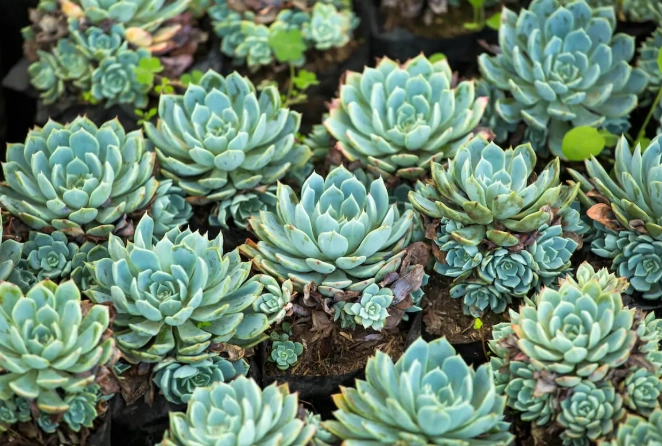
Getting Started: Picking the Right Hens and Chicks
Before you even think about soil, you need to pick your plant. The variety of Sempervivum is staggering. There are over 4,000 named cultivars. They range from the size of a quarter to the span of your hand, and their colors shift with the seasons—vibrant greens, deep purples, tipped in red, or covered in fuzzy white hairs (those are the Sempervivum arachnoideum, or Cobweb Houseleek).
How do you choose? Think about where it's going. Is it a container on a sunny patio? A ground cover in a rocky, poor-soil area of the yard? A tiny dish garden? Your goal influences your pick.
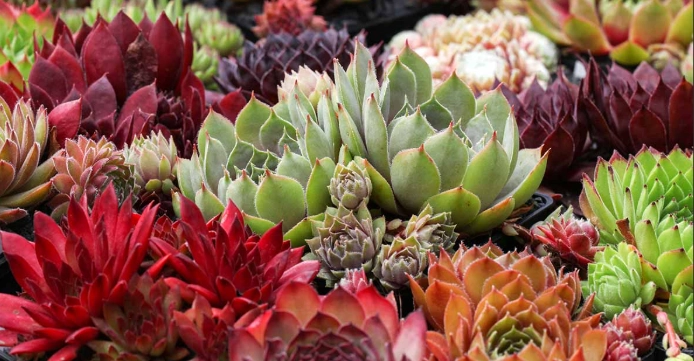 Here's a quick mental checklist: Sun exposure, winter hardiness, and the look you're after.
For beginners, I always recommend starting with a classic, robust variety. Something like Sempervivum tectorum (the Common Houseleek) or Sempervivum 'Pacific Blue Ice'. They're tough, widely available, and forgiving. Once you get the hang of it, you can dive into the rarer, more temperamental hybrids. I made a little table to break down some popular choices, because honestly, it's easier to see the differences.
| Variety Name | Key Features | Best For | Hardiness Zone |
|---|---|---|---|
| Sempervivum tectorum | Large green rosettes with red tips. The classic. | Ground cover, rock gardens, beginners. | 3-8 |
| Sempervivum arachnoideum (Cobweb) | Small rosettes covered in fine, web-like hairs. | Containers, fairy gardens, unique texture. | 5-8 |
| Sempervivum 'Black' | Striking dark purple, nearly black rosettes. | Color contrast in containers or mixed beds. | 4-9 |
| Sempervivum 'Ruby Heart' | Green outer leaves with a deep ruby-red heart. | Focal point, adding a pop of dramatic color. | 4-8 |
| Sempervivum calcareum | Blue-green leaves with dramatic dark purple tips. | Rock gardens, dry stone walls. | 5-9 |
See? It's not just about picking a "green one." The world of succulent hens and chicks is incredibly diverse. A great resource for delving deeper into species identification and taxonomy is the database maintained by the Missouri Botanical Garden. It's a trustworthy site I often cross-reference when I'm unsure about a particular plant's needs.
The Non-Negotiable Rules for Thriving Plants
This is where most people go wrong. They treat hens and chicks succulents like a regular patio annual. Don't. Think of their native habitat: mountainous, rocky regions of Europe with fast-draining soil, lots of sun, and not a lot of competition. Your job is to mimic that.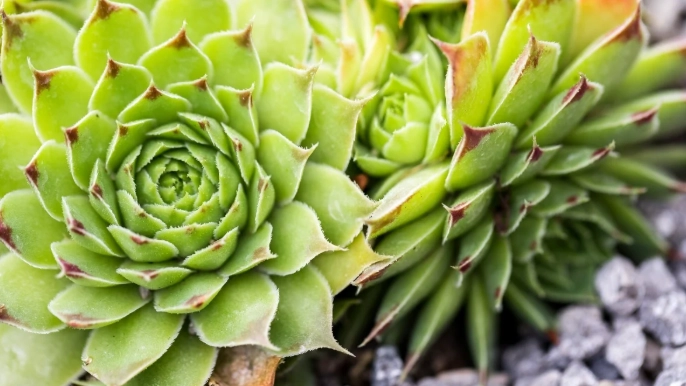
Sunlight: The More, The Better (Usually)
These plants crave sun. At least 6 hours of direct, unfiltered sunlight a day is the golden rule. Less than that, and they start to etiolate—stretch out and become leggy as they search for light. The colors also become muted. That gorgeous purple 'Black' variety will fade to a sickly green if stuck in the shade.
I have a pot of 'Ruby Heart' on my south-facing driveway. It gets blasted by sun from morning till evening. The colors are insane—fiery and intense. Another pot of the same variety, on my east-facing porch, is pleasant but just not as vibrant. Sun is their color factory.
Soil and Drainage: This is the Most Important Part
If you remember one thing from this guide, let it be this: succulent hens and chicks will drown in wet soil. Their roots need to breathe and dry out quickly. Standard potting soil or garden clay is a death sentence.
You need a gritty, fast-draining mix. Here's my go-to recipe, which has never failed me:
- 50% Inorganic Grit: Perlite, pumice, coarse sand, or small gravel. This creates air pockets.
- 50% Potting Mix: But not just any. Use a cactus/succulent-specific mix, or a regular potting mix with all the fine peat sifted out.
For in-ground planting, if your soil has any clay, you must amend it. Dig a hole twice as wide as the root ball, and mix the native soil 50/50 with gravel or crushed granite. Create a small mound to plant on so water runs away from the crown. The crown (the center where leaves emerge) is particularly susceptible to rot if it sits in moisture.
Watering: The Art of Benign Neglect
How often should you water hens and chicks succulents? There's no weekly schedule. The answer is: when the soil is completely dry. And I mean completely. Stick your finger an inch into the soil. If it feels cool or damp, wait. In the summer, with intense heat, this might be every 7-10 days for a potted plant. In the spring and fall, maybe every 2-3 weeks. In the winter, if they're dormant and cold, you might not water them at all for months if they're in the ground and get occasional snowmelt.
The soak-and-dry method is key. When you water, do it thoroughly. Pour water until it runs freely out of the drainage holes. This ensures the entire root ball gets moisture. Then, let it dry out completely before even thinking about watering again.
Overwatering is the #1 killer. The leaves will become translucent, soft, and yellow or brown, starting at the base. Underwatering is less common, but the leaves will shrivel, dry up, and become crispy. They recover from underwatering far better than from overwatering.
Making More: Propagation is a Breeze
This is the fun part. Your hen will naturally produce chicks on stolons. To propagate, you simply wait until the chick is about one-third the size of the mother and has likely started forming its own roots. Then, you can either:
- Leave it attached: Let the colony spread naturally. It creates that beautiful, dense mat.
- Gently twist and pull it off: Use your fingers or a small knife to separate the chick from the stolon. Let the cut end callous over for a day or two (this prevents rot), then place it on top of well-draining soil. Don't bury it. Just set it on the surface. It will send roots down on its own. Mist the soil lightly every few days until you see new growth, then treat it as a mature plant.
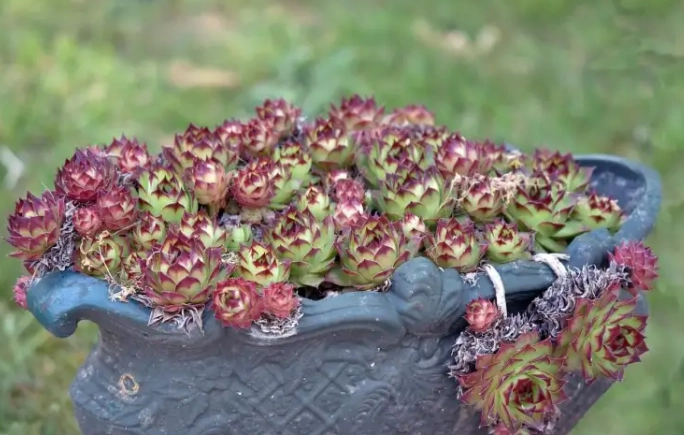 It's almost foolproof. If a chick falls off on its own, just toss it on some soil. It'll probably root.
You can also grow them from seed, but it's a slow process. The seeds are tiny, and it can take years to get a sizable plant. For most of us, propagation by chicks is the way to go. It's instant gratification gardening.
Seasonal Care and Winter Survival
One of the biggest selling points of succulent hens and chicks is their hardiness. Many varieties survive down to USDA Zone 3 (-40°F/-40°C). That's incredible for a succulent. But how?
They go dormant. When temperatures drop, they essentially shut down. Their outer leaves may die back, protecting the central growth point. The key to winter survival is dry roots. Wet soil + freezing temperatures = frozen roots that rupture and rot when they thaw. If your plants are in the ground with good drainage, they often fare better than potted plants because the earth provides some insulation.
For potted Sempervivum in cold climates:
- Stop watering in late fall.
- Move the pot to a sheltered location, like against a house wall or into an unheated garage or cold frame.
- You can mulch over the top of the pot with straw or leaves to insulate the roots.
- In spring, as temps warm up, clean off the mulch, give them a good drink, and they'll spring back to life.
The Royal Horticultural Society, a leading gardening authority, has excellent, detailed advice on overwintering hardy succulents which aligns perfectly with this approach.
Common Problems (And How to Fix Them)
Even the tough guys have issues sometimes. Here’s a quick troubleshooting guide.
Pests
Thankfully, pests aren't a huge issue. The main culprits are:
- Aphids: They sometimes cluster on flower stalks. A strong blast of water or insecticidal soap takes care of them.
- Mealybugs: Look like tiny bits of white cotton in the leaf axils. Dab them with a cotton swab dipped in rubbing alcohol.
- Birds & Squirrels: Surprisingly, these can be the biggest pests! They sometimes dig up the plants or knock them over looking for grit or buried nuts. A layer of top-dressing gravel can deter them.
Diseases
Almost all diseases stem from one thing: too much moisture.
- Root/Crown Rot: The plant feels mushy, leaves fall off at a touch. Often fatal. Prevention (good drainage) is the only cure. If caught early, you can try to cut away all rot, let it callous, and re-root.
- Powdery Mildew: A white, powdery fungus on leaves. Caused by poor air circulation and humidity. Improve airflow, avoid overhead watering, and use a fungicide if severe.
Design Ideas: Beyond the Rock Garden
Sure, they look amazing in a rockery. But let's get creative.
Living Wall or Vertical Garden: Their shallow root system makes them perfect for planting in the pockets of a vertical planter. A wall of different colored hens and chicks succulents is a stunning modern feature.
Green Roofs: Sempervivum is a classic green roof plant. They handle the thin soil, sun exposure, and drought conditions perfectly. Organizations like Green Roofs for Healthy Cities often feature them in case studies.
Container Art: Use a shallow, wide bowl (a "hypertufa" trough is classic). Plant a tapestry of different varieties—a dark 'Black' in the center, surrounded by a ring of fuzzy Cobweb varieties, edged with a bright green tectorum. It's like painting with plants.
In Paths and Between Pavers: Plant them in the gaps between stepping stones. They can handle light foot traffic and will soften the hardscape beautifully.
Your Hens and Chicks Questions, Answered
 So there you have it. The complete story on succulent hens and chicks. They're not just a plant; they're a low-maintenance, ever-changing living sculpture for your garden. Start with one pot. I promise, you'll soon be eyeing that empty stone wall or that boring patch of gravel, wondering how many chicks you can fit in there. It's a wonderfully addictive and rewarding corner of the gardening world.


Comments